
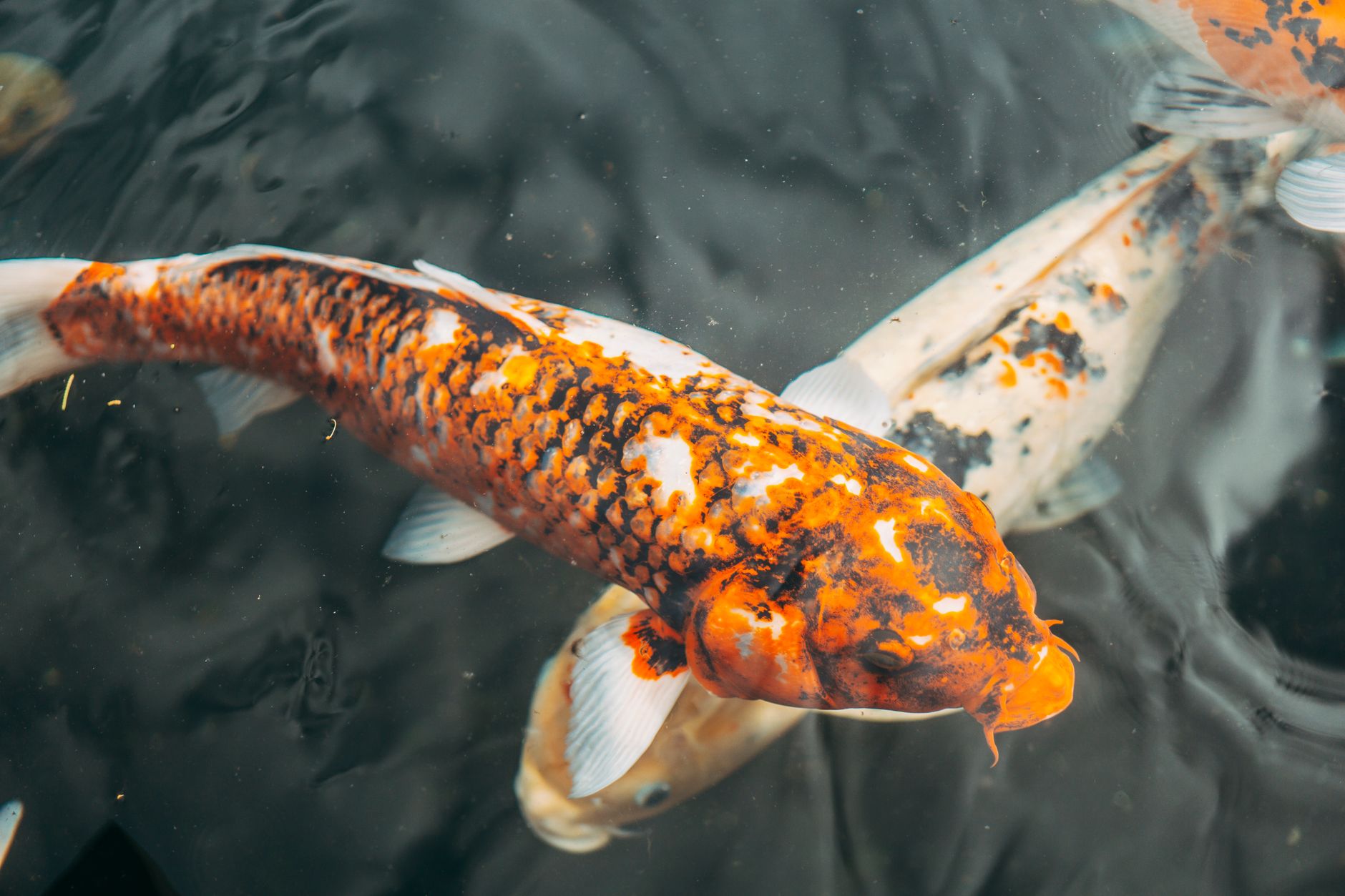
What is the Prettiest Type of Fish?
The answer to What is the prettiest type of fish? is subjective, of course, but the Mandarin Dragonet (Synchiropus splendidus) consistently tops lists thanks to its dazzling colors, intricate patterns, and graceful movements.
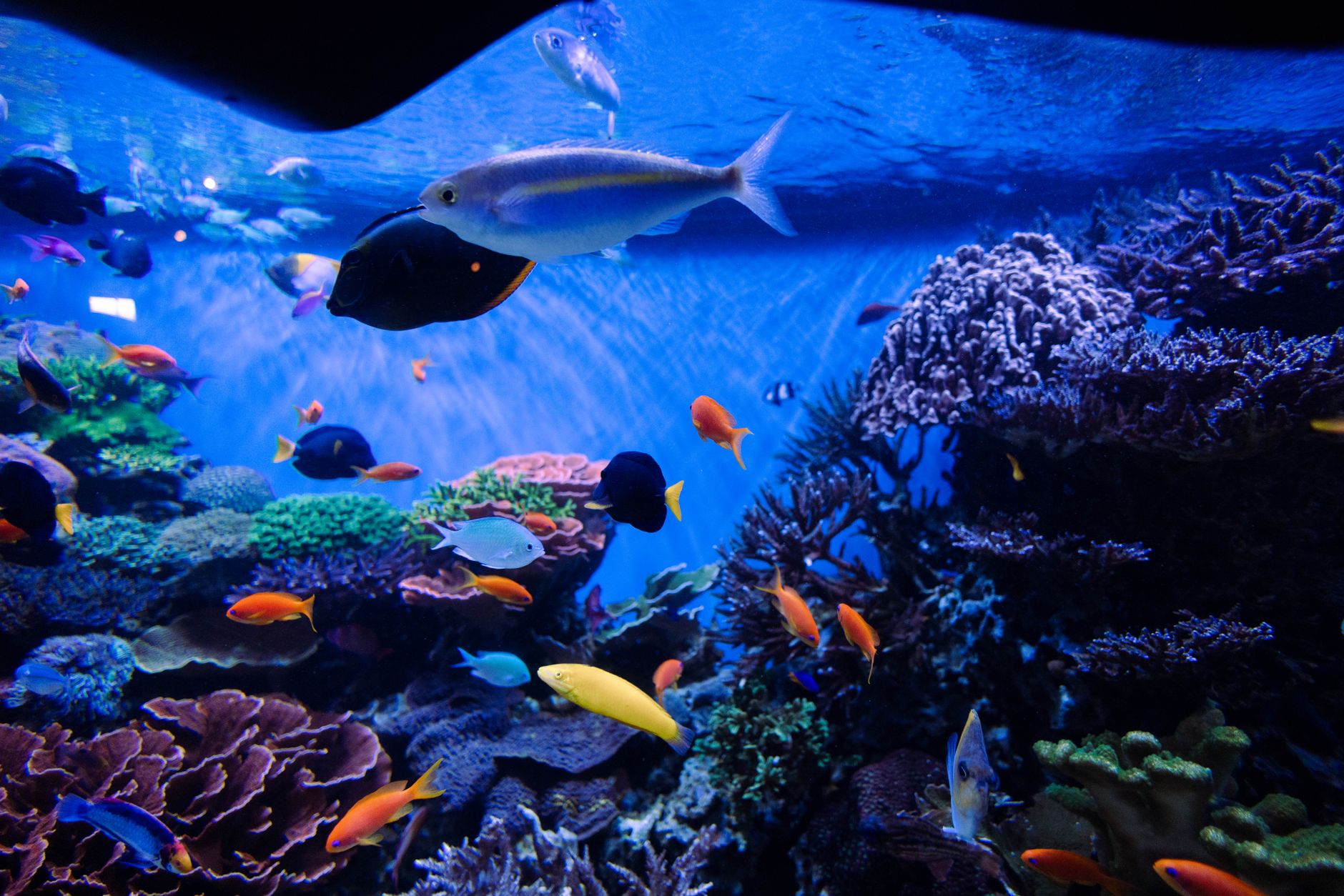
Introduction: The Subjectivity of Beauty Beneath the Waves
The underwater world is a kaleidoscope of life, teeming with creatures of incredible shapes, sizes, and colors. The question of What is the prettiest type of fish? is ultimately a matter of personal taste. What one person finds captivating, another might find less appealing. Some are drawn to vibrant hues, others to elegant forms, and still others to the unusual. This article explores some of the most frequently cited contenders for the title of “prettiest,” delves into what makes them aesthetically pleasing, and acknowledges the subjective nature of beauty in the aquatic realm.

Are fish heads good for the garden?
Can fish hear water?
What is cotton rot in fish?
What colours are fish most attracted to?
The Major Contenders for the “Prettiest Fish” Title

Many fish species are consistently lauded for their stunning beauty. Here are a few of the most frequently mentioned and the features that make them so appealing:
-
Mandarin Dragonet (Synchiropus splendidus): Famous for its vibrant, almost neon-like blues, oranges, and greens, arranged in intricate swirling patterns. Its slow, deliberate movements add to its ethereal beauty.
-
Betta Fish (Betta splendens): Commonly known as Siamese Fighting Fish, these popular aquarium inhabitants come in a breathtaking array of colors and fin shapes. Selective breeding has produced everything from flowing veil tails to spiky crown tails.
-
Clownfish (Amphiprioninae): Instantly recognizable thanks to the Finding Nemo movie franchise, Clownfish boast bold orange, white, and black stripes and a charming, playful demeanor. Their symbiotic relationship with anemones also adds to their allure.
-
Regal Angelfish (Pygoplites diacanthus): This fish showcases a striking combination of yellow, white, and blue stripes arranged in a mesmerizing pattern. Its regal appearance truly lives up to its name.
-
Peacock Cichlid (Aulonocara): Native to Lake Malawi, these cichlids are prized for their vibrant and iridescent colors. Male Peacock Cichlids display a particularly stunning array of hues, including blues, yellows, oranges, and reds.
Factors Contributing to Fish Beauty
Several key factors contribute to a fish’s perceived beauty:
-
Color: Bright, contrasting colors and intricate patterns are highly appealing. The ability of some fish to change color also adds to their fascination.
-
Shape and Form: Graceful body shapes and flowing fins are often considered beautiful. Some fish have unusual or elaborate appendages that add to their unique appeal.
-
Movement: The way a fish moves through the water can also be a significant factor. Elegant, fluid movements are generally considered more attractive than jerky or erratic motions.
-
Rarity: The rarity of a fish species can also influence its perceived beauty. Species that are difficult to find or keep in captivity often hold a special allure.
Maintaining the Beauty of Aquarium Fish
Keeping beautiful fish in an aquarium requires dedication and careful attention to their needs. Here are some key considerations:
-
Water Quality: Maintaining pristine water quality is essential for the health and appearance of all aquarium fish. Regular water changes, proper filtration, and appropriate water chemistry are crucial.
-
Diet: Providing a varied and nutritious diet is important for maintaining vibrant colors and overall health. Research the specific dietary requirements of the fish species you are keeping.
-
Tank Size and Setup: Ensure that the aquarium is large enough for the fish you intend to keep and that it is properly decorated with appropriate substrates, plants, and decorations.
-
Compatibility: Research the compatibility of different fish species before introducing them to the same aquarium. Aggressive or territorial fish can stress or injure more peaceful species.
Common Mistakes in Fishkeeping that Diminish Beauty
Many well-intentioned fishkeepers make mistakes that can negatively impact the health and beauty of their fish. Here are some common pitfalls to avoid:
- Overcrowding: Overcrowding can lead to poor water quality, stress, and disease.
- Overfeeding: Overfeeding can pollute the water and contribute to health problems.
- Inadequate Filtration: Poor filtration can result in elevated levels of toxins in the water.
- Ignoring Water Chemistry: Failing to monitor and adjust water chemistry parameters can stress or even kill fish.
- Introducing Unsuitable Tankmates: Incompatible tankmates can cause stress, aggression, and even death.
Frequently Asked Questions (FAQs)
What makes the Mandarin Dragonet so visually stunning?
The Mandarin Dragonet’s beauty lies in its extraordinary combination of vibrant colors and intricate patterns. Its neon-like blues, oranges, and greens are arranged in swirling designs, making it a true living masterpiece. The slow, deliberate movements add to its mesmerizing allure, making them a popular, though challenging, aquarium fish.
Are Betta fish really fighters?
While male Betta fish are known for their aggressive behavior towards each other, they are not inherently fighters in the wild. This aggression has been selectively bred into them over generations for fighting competitions. Female Bettas can also display aggression, though typically to a lesser degree.
Why do Clownfish live in anemones?
Clownfish and anemones share a symbiotic relationship. Clownfish are immune to the stinging nematocysts of the anemone, allowing them to seek shelter within its tentacles. In return, the clownfish defends the anemone from certain predators and helps to keep it clean.
What is the most difficult aspect of keeping Regal Angelfish?
Regal Angelfish are notoriously difficult to keep in captivity because they have very specific dietary requirements. They primarily feed on sponges in the wild, and replicating this diet in an aquarium setting can be challenging.
How can I bring out the best colors in my Peacock Cichlids?
To enhance the colors of Peacock Cichlids, provide them with a high-quality diet rich in carotenoids. Also, maintain excellent water quality and avoid stressing them with aggressive tankmates.
What is the best size tank for a Betta fish?
While a Betta fish can survive in a small bowl, they thrive in larger tanks of at least 5 gallons. This provides them with more space to swim and explore, and it also makes it easier to maintain stable water parameters.
How often should I perform water changes in my aquarium?
The frequency of water changes depends on the size of the aquarium, the number of fish, and the efficiency of the filtration system. A general guideline is to perform a 25% water change every 2 weeks.
What are some common signs of stress in fish?
Common signs of stress in fish include loss of appetite, hiding, clamped fins, erratic swimming, and increased susceptibility to disease.
Can fish see color?
Yes, most fish can see color, and some species can even see colors that are beyond the range of human vision.
What is the most important factor in maintaining a healthy aquarium?
Maintaining a healthy aquarium primarily hinges on consistently maintaining pristine water quality. This involves routine testing, water changes, and ensuring an appropriately sized and maintained filtration system.
What is the lifespan of a Clownfish in captivity?
With proper care, Clownfish can live for 6-8 years in captivity, sometimes even longer.
Is “What is the prettiest type of fish?” subjective?
Absolutely. While some species are consistently ranked high on “prettiest fish” lists, like the Mandarin Dragonet, Betta, or Regal Angelfish, the definition of “prettiest” is inherently subjective. Individual preferences for color, shape, pattern, and movement all contribute to someone’s personal determination of what is the prettiest type of fish?