

What is the Prettiest Type of Coral? A Dive into Underwater Beauty
The answer to “What is the prettiest type of coral?” is subjective, but the elegant Flame Coral ( Lobophyllia hemprichii ) often tops the list due to its vibrant colors, complex textures, and captivating patterns.

Understanding Coral Beauty: Beyond the Visual
The allure of coral reefs is undeniable. But what truly makes one coral species “prettier” than another? It’s a complex interplay of factors, including color, shape, texture, rarity, and even the surrounding ecosystem. The concept is inherently subjective, influenced by individual preferences and cultural perspectives. However, some coral types consistently rank high in aesthetic appeal due to their exceptional qualities.

Is distilled water good for goldfish?
What colours are fish most attracted to?
Can you put your finger in a trout's mouth?
Is methylene blue anti bacterial?
The Spectrum of Coral Colors
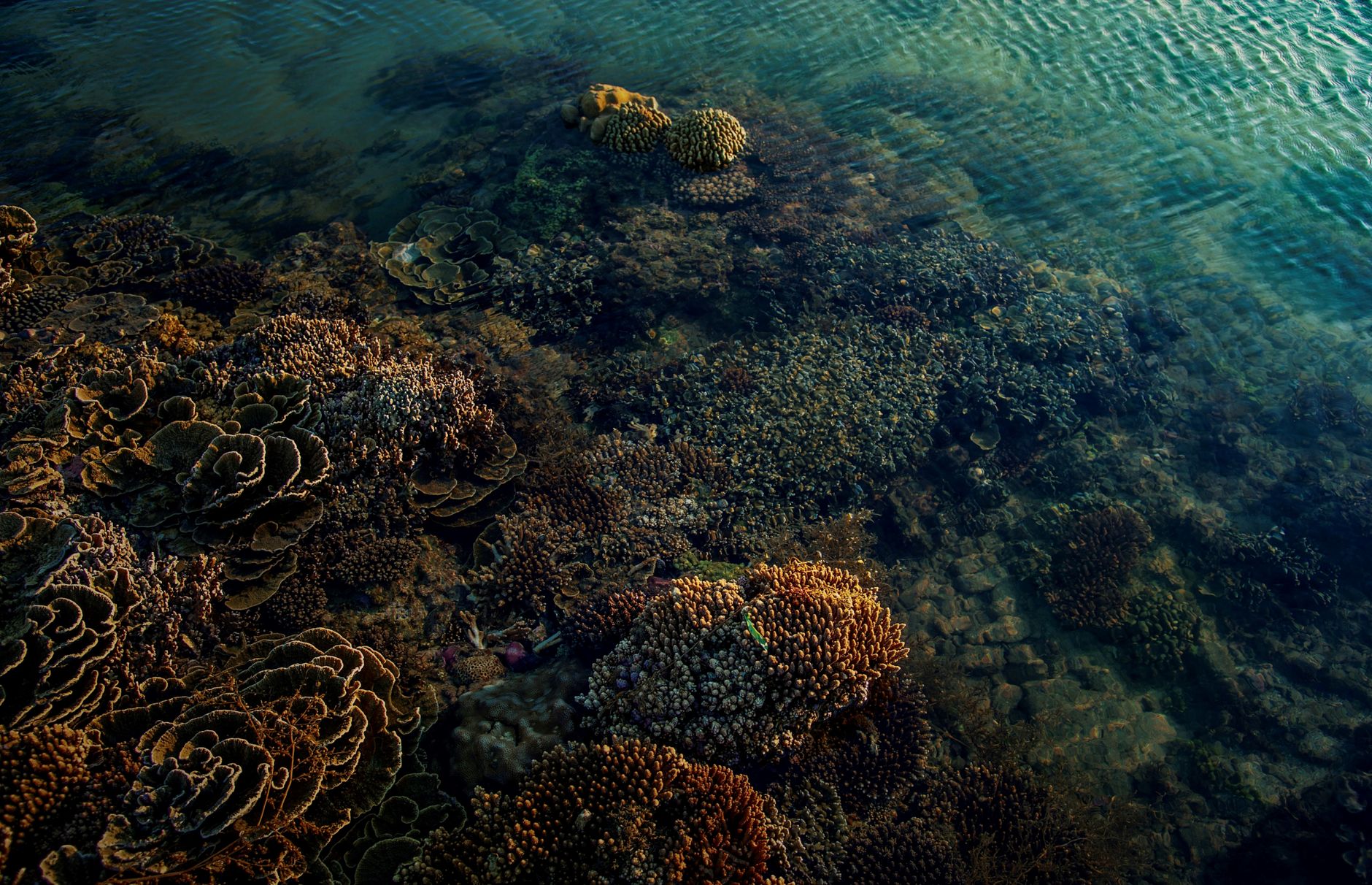
Coral colors are derived from a fascinating symbiotic relationship with zooxanthellae, photosynthetic algae that live within the coral tissue. These algae provide the coral with nutrients and, in turn, receive protection. The type of zooxanthellae, along with the depth and water conditions, significantly impact the coral’s coloration. While brown and tan are common, corals can also exhibit dazzling hues of red, orange, yellow, green, blue, purple, and even pink. The intensity and vibrancy of these colors often contribute to the perceived beauty of a particular coral.
Shape and Texture: Architectural Marvels
The architecture of coral colonies is incredibly diverse, ranging from delicate branching structures to massive boulder-like forms. Branching corals, such as staghorn and elkhorn, create intricate underwater forests. Massive corals, like brain coral, display complex patterns resembling human brains. Soft corals, lacking a rigid skeleton, sway gracefully in the currents, adding a dynamic element to the reef. The complexity and uniqueness of these shapes contribute significantly to their aesthetic appeal. Texture also plays a crucial role. Some corals have smooth, velvety surfaces, while others are rough and spiky. These variations add visual interest and depth to the reef landscape.
Rarity and Conservation: A Precious Beauty
Rarity often elevates the perceived value of an object, and coral is no exception. Some coral species are exceedingly rare due to factors such as habitat loss, climate change, and over-collection. These rare corals are highly prized for their unique beauty and the challenge of finding them. Furthermore, the understanding that many corals are endangered species adds a layer of poignancy to their beauty. Protecting these vulnerable ecosystems is essential for preserving their splendor for future generations.
Comparing Popular Contenders for “Prettiest Coral”
While Flame Coral is a strong contender, here’s a comparison of other beautiful coral types:
| Coral Type | Description | Key Aesthetic Features |
|---|---|---|
| Flame Coral | Large polyp stony (LPS) coral with vibrant, fleshy polyps. | Intense red, orange, and green colors; fleshy appearance. |
| Acropora (Staghorn) | Fast-growing branching coral. | Intricate branching structure; bright blues, greens, purples. |
| Euphyllia (Torch) | LPS coral with long, flowing tentacles. | Brightly colored tentacles with glowing tips; graceful movement. |
| Dendronephthya (Carnation) | Soft coral with tree-like structure. | Vivid pinks, reds, yellows; soft and delicate appearance. |
| Brain Coral | Massive, dome-shaped coral. | Intricate grooved patterns resembling a human brain. |
The Influence of Lighting and Environment
The way we perceive coral beauty is heavily influenced by the surrounding environment and lighting conditions. In the clear, shallow waters of tropical reefs, sunlight penetrates easily, illuminating the coral in vibrant colors. Artificial lighting, such as that used in aquariums, can also enhance the colors of corals, making them appear even more striking. However, it’s important to remember that these colors are often more muted in deeper or murkier waters.
Frequently Asked Questions about Coral Beauty
What factors contribute to the color of coral?
The color of coral is primarily determined by the type of zooxanthellae residing within its tissues. Different types of zooxanthellae produce different pigments, resulting in a wide range of coral colors. Environmental factors, such as water temperature, light intensity, and nutrient levels, can also influence coral coloration.
Are all brightly colored corals healthy?
Not necessarily. While vibrant colors often indicate healthy coral, sometimes extreme environmental stress, such as rising water temperatures, can cause coral to expel their zooxanthellae, leading to a phenomenon called coral bleaching. Bleached coral appears white and is more susceptible to disease and death.
Is it ethical to collect coral from the wild for aquariums?
Collecting coral from the wild can have detrimental effects on coral reefs, especially when done unsustainably. It can damage fragile ecosystems and disrupt the delicate balance of marine life. Sustainable aquaculture is a much better alternative, providing corals that are grown in controlled environments.
What role does coral play in the marine ecosystem?
Coral reefs are incredibly important ecosystems, providing habitat for a vast array of marine species. They serve as nurseries for fish, protect coastlines from erosion, and support countless other marine organisms. Coral reefs are often referred to as the “rainforests of the sea” due to their biodiversity.
How is climate change impacting coral reefs?
Climate change poses a significant threat to coral reefs. Rising water temperatures cause coral bleaching, while ocean acidification weakens coral skeletons. More frequent and intense storms can also damage coral reefs. Reducing greenhouse gas emissions is crucial for protecting coral reefs from the effects of climate change.
What can individuals do to help protect coral reefs?
There are many things individuals can do to help protect coral reefs. These include reducing their carbon footprint, supporting sustainable seafood choices, avoiding products that contain harmful chemicals, and advocating for policies that protect marine environments. Even small actions can make a big difference.
What is the difference between hard coral and soft coral?
Hard corals, also known as stony corals, have a rigid skeleton made of calcium carbonate. Soft corals, on the other hand, lack a rigid skeleton and are typically more flexible.
How do corals reproduce?
Corals reproduce both sexually and asexually. Sexual reproduction involves the release of eggs and sperm into the water, which then fertilize and develop into larvae. Asexual reproduction involves the fragmentation of coral colonies, with each fragment developing into a new colony.
What is coral bleaching, and why is it a problem?
Coral bleaching occurs when corals expel their zooxanthellae due to stress, such as rising water temperatures. This causes the coral to lose its color and become white. Bleached coral is more susceptible to disease and death, and widespread coral bleaching events can devastate entire coral reefs.
What are some sustainable alternatives to buying wild-caught coral for aquariums?
Sustainable alternatives to wild-caught coral include purchasing aquacultured coral, which is grown in controlled environments. You can also support coral propagation programs and look for sellers who prioritize sustainable practices.
What makes Flame Coral considered by many the “prettiest type of coral?”
The Flame Coral’s vibrant colors, often a striking combination of reds, oranges, and greens, along with its fleshy, polyp-filled appearance, contribute to its widespread appeal. Its unique texture and captivating patterns make it a highly sought-after coral for aquariums and a visually stunning sight on natural reefs.
Where are the most beautiful coral reefs located?
Some of the world’s most beautiful coral reefs are located in the Great Barrier Reef (Australia), the Coral Triangle (Southeast Asia), the Mesoamerican Reef (Caribbean), and the Red Sea. These reefs are home to a diverse array of coral species and other marine life. Visiting these reefs responsibly can help support their conservation.