

What is the New Law for Animal Antibiotics?
The new law for animal antibiotics primarily focuses on reducing antimicrobial resistance by restricting the use of medically important antibiotics in food-producing animals for growth promotion and enhancing veterinary oversight of their use for therapeutic purposes, ensuring responsible antimicrobial stewardship. This aims to preserve the effectiveness of these critical medications for both animal and human health.
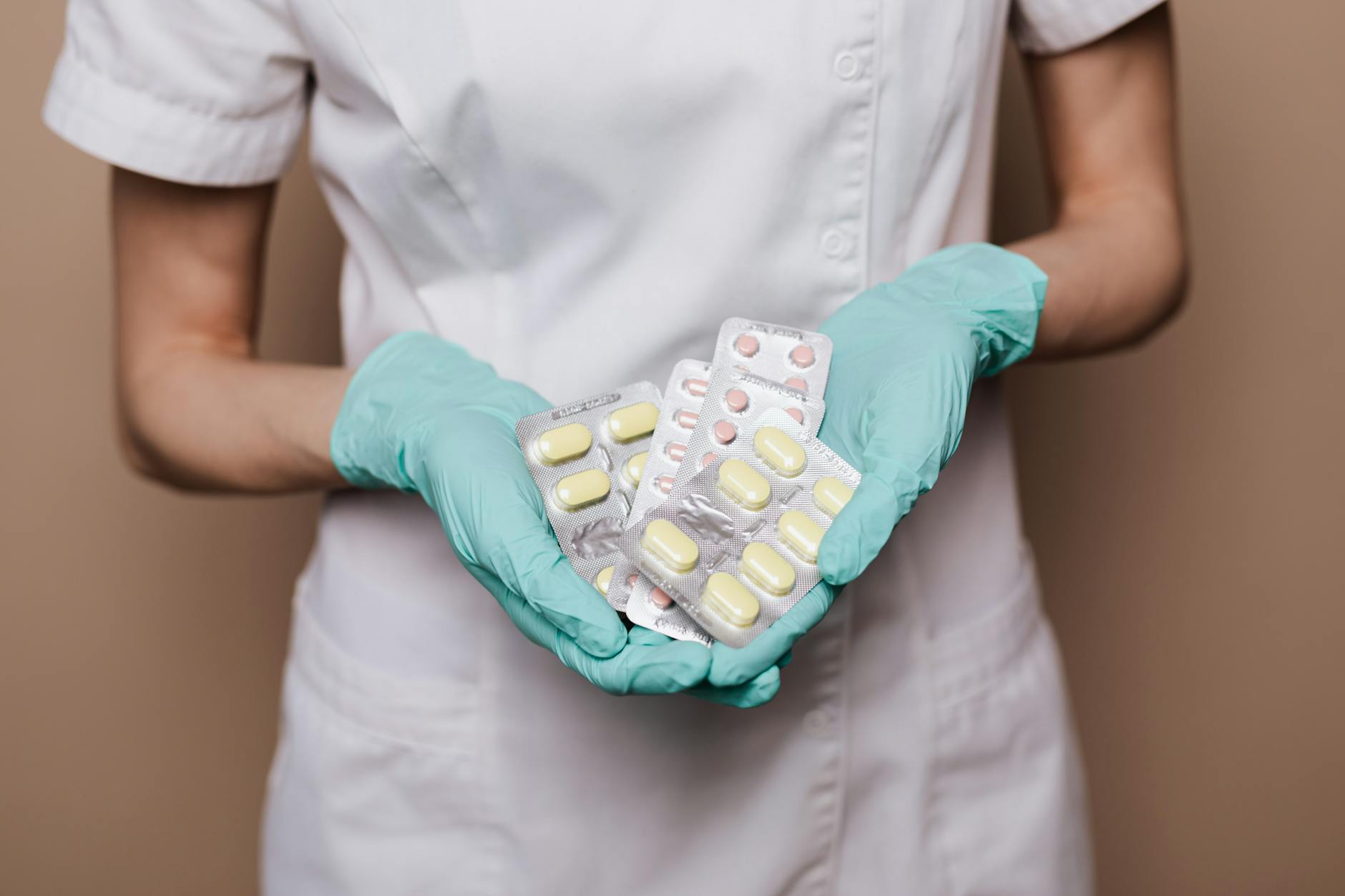
Background: The Growing Threat of Antimicrobial Resistance
The overuse and misuse of antibiotics, in both human and animal medicine, have led to a significant increase in antimicrobial resistance (AMR). AMR occurs when bacteria, viruses, fungi, and parasites change over time and no longer respond to medicines, making infections harder to treat and increasing the risk of disease spread, severe illness, and death. The World Health Organization (WHO) recognizes AMR as one of the top 10 global public health threats facing humanity. A substantial portion of antibiotic use is attributed to animal agriculture, raising concerns about the transfer of resistant bacteria from animals to humans through the food chain and environment.
What colours are fish most attracted to?
Can you put your finger in a trout's mouth?
Is methylene blue anti bacterial?
Does aquarium salt raise pH in aquarium?
Key Components of the New Law
The new law for animal antibiotics, often implemented through updated regulations based on guidance from agencies like the Food and Drug Administration (FDA) in the US or similar bodies in other countries, typically includes the following crucial components:
- Elimination of Growth Promotion Use: Critically important antibiotics can no longer be used to promote growth or improve feed efficiency in food-producing animals.
- Veterinary Oversight: All uses of medically important antibiotics in animals require a veterinarian’s prescription or veterinary feed directive (VFD). This ensures that antibiotics are only used when medically necessary and under professional supervision.
- Increased Data Collection and Reporting: Enhanced data collection and reporting requirements on antibiotic sales and usage in animals provide a clearer picture of antibiotic consumption patterns, facilitating better monitoring and informing targeted interventions.
- Stricter Labeling Requirements: Clear labeling on animal antibiotic products is mandated to ensure proper usage and dosage, minimizing the risk of misuse.
- Promotion of Antimicrobial Stewardship: Encouraging and promoting antimicrobial stewardship principles among veterinarians and livestock producers is a central objective. This includes emphasizing preventive measures like improved hygiene, biosecurity, and vaccination to reduce the need for antibiotics.
Benefits of the New Law
The new law for animal antibiotics offers several crucial benefits:
- Reduced Antimicrobial Resistance: By restricting non-therapeutic antibiotic use, the law significantly contributes to reducing the development and spread of antimicrobial resistance in both animal and human populations.
- Protection of Public Health: Preserving the effectiveness of antibiotics for treating human infections is paramount. The law safeguards the utility of these essential medications by limiting their use in animals and slowing the emergence of resistant bacteria that can potentially infect humans.
- Improved Animal Health: Encouraging preventive healthcare measures and responsible antibiotic use can lead to improved overall animal health and welfare.
- Enhanced Consumer Confidence: Consumers are increasingly concerned about antibiotic resistance and the potential impact of animal agriculture on human health. The new law addresses these concerns and increases confidence in the safety and quality of food products.
Process of Implementation
The implementation of the new law typically involves a multi-step process:
- Legislative Enactment: The government passes legislation outlining the key provisions of the law.
- Regulatory Development: Regulatory agencies develop detailed regulations and guidelines to implement the law effectively.
- Stakeholder Education: Outreach programs are conducted to educate veterinarians, livestock producers, and other stakeholders about the new requirements.
- Compliance Monitoring: Regulatory agencies monitor compliance with the law through inspections, data analysis, and other enforcement mechanisms.
- Ongoing Evaluation: The effectiveness of the law is periodically evaluated to identify areas for improvement and ensure that it is achieving its intended goals.
Common Mistakes to Avoid
Several common mistakes can undermine the effectiveness of the new law:
- Misuse of Antibiotics for Prevention: Using antibiotics routinely to prevent diseases, rather than treating existing infections, can still contribute to antimicrobial resistance.
- Incorrect Dosage: Administering incorrect dosages of antibiotics can lead to treatment failures and promote the development of resistance.
- Failure to Complete Treatment Courses: Stopping antibiotic treatment prematurely can allow bacteria to survive and develop resistance.
- Poor Hygiene and Biosecurity: Neglecting basic hygiene and biosecurity measures on farms can increase the risk of infection and antibiotic use.
- Lack of Veterinary Consultation: Avoiding veterinary consultation and self-treating animals with antibiotics can lead to inappropriate use and contribute to resistance.
| Mistake | Consequence |
|---|---|
| Prophylactic Antibiotic Use | Increased selection pressure for resistant bacteria |
| Incorrect Dosage | Sub-optimal treatment, promoting resistance |
| Incomplete Treatment Courses | Survival of resistant bacteria, relapse of infection |
| Poor Hygiene | Higher infection rates, more antibiotic use |
| Lack of Veterinary Oversight | Inappropriate antibiotic choices, increased resistance risk |
Frequently Asked Questions (FAQs)
What specific antibiotics are restricted under the new law?
The new law typically restricts the use of medically important antibiotics in food-producing animals. These are antibiotics that are also used to treat infections in humans, as identified by organizations like the WHO and the FDA. Specific lists are usually published by the relevant regulatory authorities, but generally include classes like tetracyclines, macrolides, aminoglycosides, and cephalosporins.
Does the new law completely ban the use of antibiotics in animals?
No, the new law does not ban the use of all antibiotics in animals. It restricts the use of medically important antibiotics for growth promotion and requires veterinary oversight for their therapeutic use. Antibiotics that are not considered medically important for human health can still be used under certain circumstances. The core principle revolves around responsible use and reducing unnecessary exposure to those drugs vital for treating human illnesses.
How does a veterinary feed directive (VFD) work?
A Veterinary Feed Directive (VFD) is a written statement issued by a licensed veterinarian authorizing the use of a VFD drug (an animal feed containing a medically important antibiotic) in animal feed. The VFD includes information such as the name of the animal owner or caretaker, the species of animals being treated, the duration of use, and the veterinarian’s contact information. It ensures that antibiotics are used under veterinary supervision and only when medically necessary.
What are the alternatives to antibiotics for growth promotion in animals?
Several alternatives to antibiotics for growth promotion are being explored and implemented, including improved nutrition, enhanced biosecurity, and the use of prebiotics, probiotics, and enzymes. These alternatives aim to promote gut health and boost the immune system, reducing the need for antibiotics.
How is compliance with the new law monitored and enforced?
Compliance is monitored through various mechanisms, including inspections of farms and feed mills, review of veterinary records, and analysis of antibiotic sales data. Regulatory agencies have the authority to issue warnings, fines, and other penalties for violations of the law. Consistent monitoring is crucial for the success of any new regulatory measure.
What is the role of veterinarians under the new law?
Veterinarians play a critical role in the implementation of the new law. They are responsible for diagnosing animal diseases, prescribing or issuing VFDs for antibiotics only when medically necessary, and providing guidance to livestock producers on antimicrobial stewardship principles.
What are the consequences for livestock producers who violate the new law?
Livestock producers who violate the new law can face a range of consequences, including warnings, fines, and suspension or revocation of their license to operate. Enforcement actions are essential to deter non-compliance and ensure that the law is taken seriously.
How does the new law impact the cost of raising livestock?
The new law may initially increase the cost of raising livestock due to the need for alternative growth promotion strategies and increased veterinary oversight. However, in the long run, the benefits of reduced antimicrobial resistance and improved animal health can offset these costs.
How will consumers benefit from the new law?
Consumers benefit from the new law through a reduced risk of exposure to antimicrobial-resistant bacteria in food products and a greater confidence in the safety and quality of the food supply.
What can consumers do to support the goals of the new law?
Consumers can support the goals of the new law by purchasing meat, poultry, and dairy products from producers who prioritize responsible antibiotic use and by advocating for policies that promote antimicrobial stewardship.
Is this law the same across all countries, and if not, how does it differ?
No, this law is not the same across all countries. Different countries have different regulations and approaches to managing antibiotic use in animals. Some countries may have stricter restrictions on antibiotic use than others, while others may have less stringent regulations. The level of enforcement also varies. Always check the specific regulations in your country.
What are the long-term effects of reducing antibiotic use in animals on the overall health of the human population?
The long-term effects of reducing antibiotic use in animals are expected to be positive for the overall health of the human population. By slowing the development and spread of antimicrobial resistance, the law helps to preserve the effectiveness of antibiotics for treating human infections and reduces the risk of serious illnesses and death.