
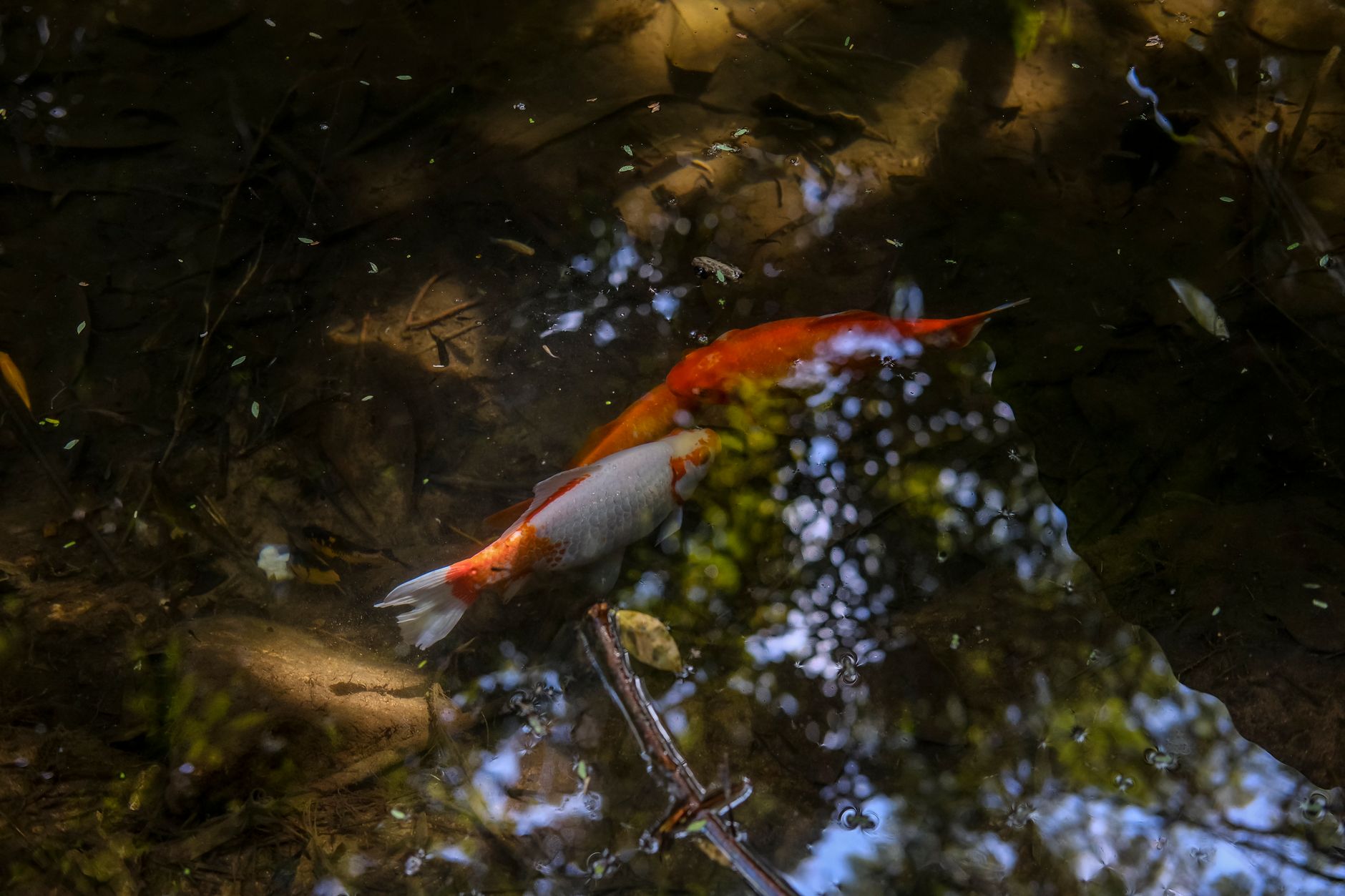
How Often Must a Koi Pond Pump Be On? The Definitive Guide
The answer to “How often must a koi pond pump be on?” is simple: 24 hours a day, 7 days a week. This is crucial for maintaining water quality and the health of your koi.

Understanding the Vital Role of a Koi Pond Pump
A koi pond isn’t just a decorative water feature; it’s a delicate ecosystem. The pump is the heart of this system, ensuring its survival. Without a properly functioning pump, the water stagnates, oxygen levels plummet, and harmful bacteria proliferate, creating a toxic environment for your prized koi.

What colours are fish most attracted to?
Can you put your finger in a trout's mouth?
Is methylene blue anti bacterial?
Does aquarium salt raise pH in aquarium?
Benefits of Continuous Pump Operation

Running your koi pond pump continuously provides several key benefits:
- Oxygenation: A pump circulates the water, constantly aerating it. This increases the dissolved oxygen levels, vital for the health and survival of your koi.
- Filtration: The pump pushes water through the filtration system, removing debris, ammonia, nitrites, and nitrates. These waste products are harmful to koi and need to be constantly removed.
- Water Circulation: Circulation prevents stagnant areas, which can become breeding grounds for algae and harmful bacteria. Good circulation also distributes beneficial bacteria throughout the pond, contributing to a healthy biological filter.
- Temperature Regulation: By circulating the water, the pump helps to distribute heat evenly, preventing extreme temperature fluctuations that can stress your koi. This is particularly important in extreme weather conditions.
The Filtration Process in Detail
The filtration system, powered by the pump, typically consists of three main types of filtration:
- Mechanical Filtration: This removes particulate matter such as leaves, algae, and fish waste. Examples include skimmers, filters with sponges or pads, and settlement chambers.
- Biological Filtration: This utilizes beneficial bacteria to convert harmful ammonia and nitrites into less toxic nitrates. Biological filters often consist of porous media like lava rock, ceramic rings, or bio balls, providing a large surface area for bacteria to colonize.
- Chemical Filtration: This uses substances like activated carbon or zeolite to remove dissolved pollutants and improve water clarity. This type of filtration is often used intermittently or as needed.
Choosing the Right Size Pump
Selecting the correct size pump is crucial for optimal performance. An undersized pump won’t adequately circulate and filter the water, while an oversized pump can create excessive turbulence and stress the fish. A general rule of thumb is to choose a pump that can circulate the entire pond volume at least once every two hours.
Here’s a table to help determine the appropriate flow rate for your pond:
| Pond Volume (Gallons) | Recommended Flow Rate (Gallons Per Hour – GPH) |
|---|---|
| 500 | 250 |
| 1000 | 500 |
| 2000 | 1000 |
| 5000 | 2500 |
| 10000 | 5000 |
Common Mistakes to Avoid
- Turning off the pump overnight or during colder months: This deprives the water of oxygen and allows harmful waste products to build up.
- Selecting an undersized or oversized pump: Both can negatively impact water quality and the health of your koi.
- Neglecting pump maintenance: Regular cleaning is essential to prevent clogs and ensure optimal performance.
- Ignoring water quality parameters: Regularly test your water to monitor ammonia, nitrite, nitrate, pH, and dissolved oxygen levels.
Winterizing Your Koi Pond Pump
While the pump needs to run continuously, modifications are necessary during winter months in colder climates:
- Raise the pump: Position the pump closer to the surface to prevent it from chilling the deeper, warmer water.
- Reduce the flow: Lowering the flow rate can help conserve energy and prevent the pond from freezing solid.
- Use a de-icer: A pond de-icer will prevent a complete ice cover, allowing for gas exchange and preventing the buildup of toxic gases.
Maintaining Your Koi Pond Pump
Regular maintenance ensures the longevity and efficiency of your pump:
- Clean the pump pre-filter: Regularly remove debris from the pre-filter to prevent clogs and maintain optimal flow.
- Inspect the impeller: Check the impeller for damage or debris and clean it as needed.
- Lubricate moving parts: Follow the manufacturer’s instructions for lubricating moving parts to prevent wear and tear.
- Replace worn parts: Replace any worn or damaged parts promptly to prevent further damage to the pump.
FAQs about Koi Pond Pump Operation
Why is it important to keep my koi pond pump running 24/7?
Running the pump constantly ensures consistent water circulation, oxygenation, and filtration, which are all essential for the health of your koi. Stopping the pump, even for a short period, can lead to a buildup of harmful toxins and a decrease in dissolved oxygen, stressing your fish.
What happens if I turn off my koi pond pump overnight?
Turning off the pump overnight will cause a significant drop in dissolved oxygen levels. This can suffocate your koi and allow harmful bacteria to proliferate, leading to disease and potential fish loss.
Can I turn off my koi pond pump during the winter?
While you might need to adjust the pump’s position and flow rate in winter, it’s crucial to keep it running. A partially frozen pond with no circulation can trap harmful gases produced by decaying organic matter, poisoning your koi.
How do I prevent my koi pond pump from freezing in the winter?
Raise the pump closer to the surface to access warmer water. Reducing the flow rate and using a pond de-icer will also help prevent freezing. Never completely turn off the pump during winter unless absolutely necessary for repairs.
What size koi pond pump do I need?
The ideal pump size depends on the volume of your pond. A good rule of thumb is to choose a pump that can circulate the entire pond volume at least once every two hours.
How often should I clean my koi pond pump?
The frequency of cleaning depends on the pond’s environment and the type of pump. As a general rule, clean the pre-filter at least once a week and perform a more thorough cleaning of the entire pump every few months.
What are the signs of a failing koi pond pump?
Signs of a failing pump include reduced water flow, unusual noises, overheating, and increased algae growth. If you notice any of these signs, inspect the pump immediately and replace it if necessary.
Can I use a submersible pump for my koi pond?
Yes, submersible pumps are commonly used in koi ponds. Choose a pump specifically designed for pond use and ensure it’s properly sized for your pond’s volume.
Are there energy-efficient koi pond pumps available?
Yes, several energy-efficient pumps are available on the market. These pumps use less electricity while still providing adequate water circulation and filtration, saving you money on your energy bill.
What type of filtration is best for a koi pond?
A combination of mechanical, biological, and chemical filtration is ideal for a healthy koi pond. Mechanical filtration removes debris, biological filtration removes harmful toxins, and chemical filtration improves water clarity.
How do I know if my koi pond pump is working properly?
You can tell if your pump is working properly by observing the water flow and clarity. The water should be clear and well-oxygenated, and the pump should operate quietly and smoothly.
What happens if my koi pond pump stops working?
If your pump stops working, immediately take steps to address the issue. This may involve cleaning or repairing the pump, or replacing it altogether. In the meantime, consider adding an air stone to increase oxygen levels in the water.