
Bald Eagle Nesting Behavior: A Comprehensive Guide
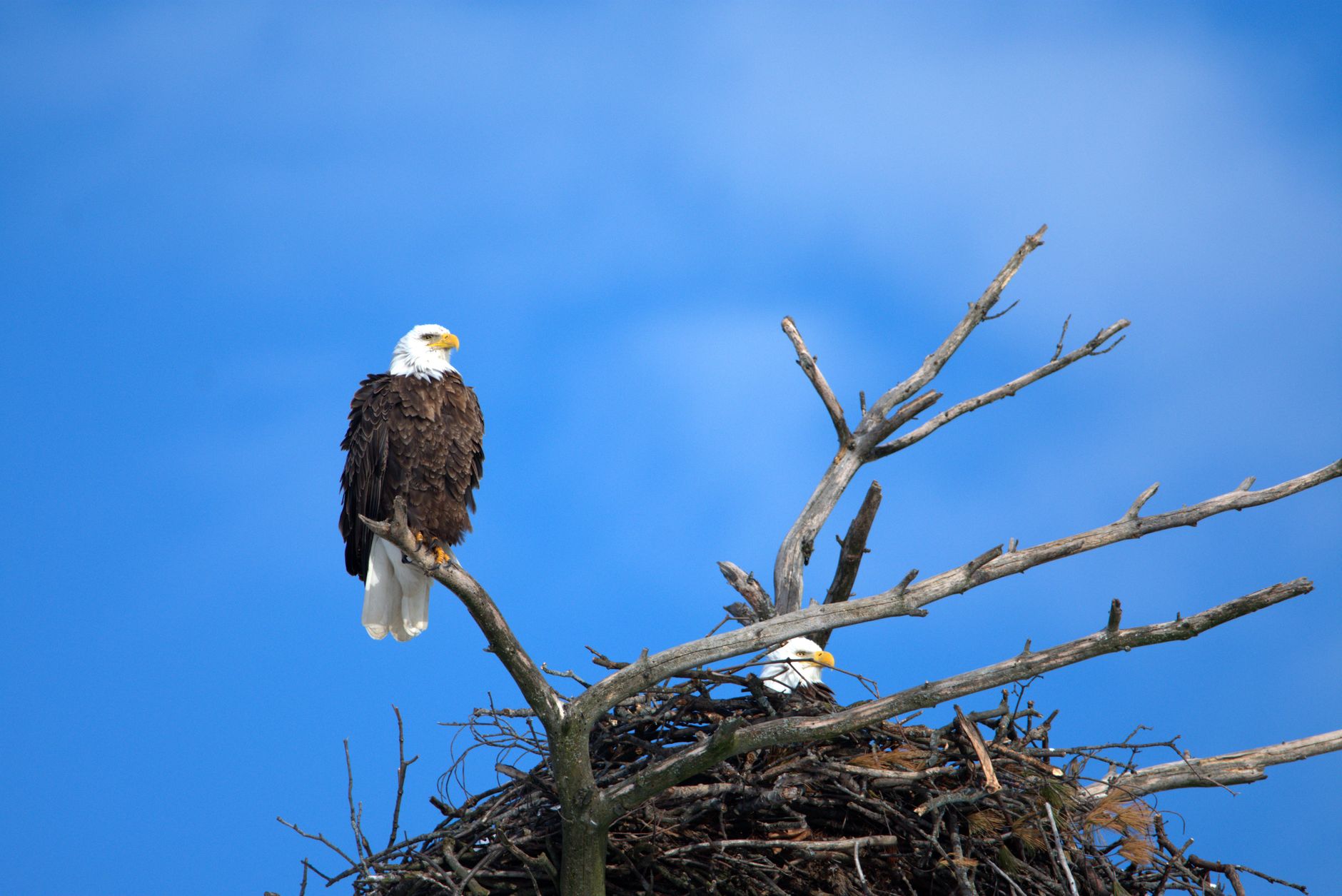
What is the nesting behavior of the bald eagle? Bald eagle nesting behavior is characterized by the construction and maintenance of massive nests, often the largest of any North American bird, used repeatedly over many years to raise their young, with significant parental care from both parents. These nests, known as eyries, serve as crucial homes for future generations.
Introduction: Majestic Homes of a National Symbol
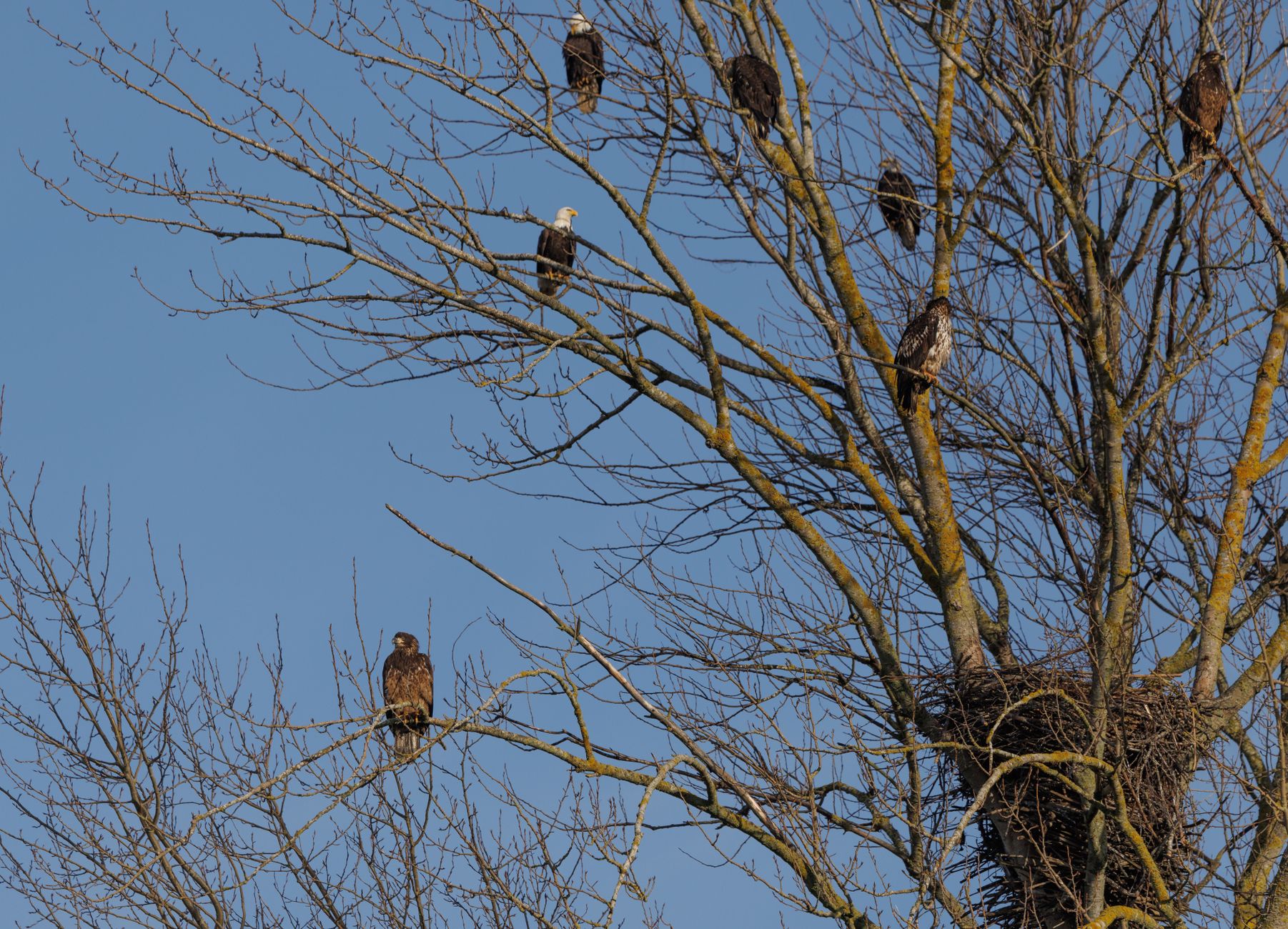
The bald eagle, a symbol of freedom and power in the United States, exhibits remarkable nesting behaviors closely tied to its survival and reproductive success. Understanding these behaviors is crucial for conservation efforts and appreciating the ecological role of this magnificent bird. The question of what is the nesting behavior of the bald eagle? leads us to a fascinating exploration of nest construction, maintenance, parental care, and the overall life cycle associated with these impressive structures.

What colours are fish most attracted to?
Can you put your finger in a trout's mouth?
Is methylene blue anti bacterial?
Does aquarium salt raise pH in aquarium?
Background: The Bald Eagle’s Connection to its Nest

Bald eagles exhibit strong site fidelity, meaning they tend to return to the same nesting areas year after year. This loyalty can span decades, with some nests being continuously occupied for over 30 years. These prime nesting locations are usually near abundant food sources, such as bodies of water teeming with fish, and offer protection from predators and harsh weather. The availability of suitable nesting sites is a key factor in bald eagle population health.
Nest Construction: A Herculean Effort
The construction of a bald eagle nest, or eyrie, is a collaborative effort between the male and female eagle.
- Site Selection: They typically choose mature trees, often the tallest in the area, providing a commanding view of their territory.
- Material Gathering: Both eagles gather branches, twigs, grasses, leaves, and other vegetation to build the nest’s foundation and lining.
- Nest Size: Over time, these nests can become enormous, sometimes exceeding 10 feet in diameter and weighing over a ton.
- Building Process: The nest is built layer upon layer, with larger branches forming the base and softer materials creating a comfortable inner cup for the eggs and young.
Nest Maintenance: A Continuous Process
Nesting is not just a one-time event. Bald eagles continuously maintain their nests, adding new materials and repairing damage caused by weather or wear and tear. This maintenance is essential for ensuring the nest’s stability and suitability for raising eaglets.
Breeding Cycle: From Eggs to Fledglings
The breeding cycle is a critical period for bald eagles, requiring significant investment of time and energy.
- Egg Laying: The female typically lays 1-3 eggs, usually in late winter or early spring.
- Incubation: Both parents share incubation duties, keeping the eggs warm for approximately 35 days.
- Hatching: Eaglets hatch asynchronously, meaning they hatch at different times, giving the older siblings a competitive advantage.
- Feeding and Care: The parents provide constant care, feeding the eaglets with fish and other prey.
- Fledging: After about 10-12 weeks, the eaglets are ready to fledge, or leave the nest, but they often remain in the vicinity for several weeks, learning to hunt and survive.
Nest Location Preferences: Optimizing for Success
Bald eagles carefully select nest locations to maximize their chances of reproductive success. Key considerations include:
- Proximity to Food: Nests are usually located near bodies of water with abundant fish populations.
- Protection from Predators: Tall trees provide a vantage point to spot potential predators and offer a degree of safety.
- Shelter from the Elements: Nests are often built in sheltered locations to protect the eggs and young from wind, rain, and extreme temperatures.
- Minimal Human Disturbance: Eagles are sensitive to human activity and prefer nesting sites that are relatively undisturbed.
Challenges to Nesting: Threats to Reproduction
Several factors can threaten bald eagle nesting success, including:
- Habitat Loss: Destruction of forests and wetlands reduces available nesting sites and foraging areas.
- Human Disturbance: Noise, construction, and other human activities can disrupt nesting eagles and lead to nest abandonment.
- Pollution: Contaminants in the environment can affect eggshell thickness, reproductive success, and the health of eaglets.
- Weather Events: Severe storms can damage or destroy nests.
- Predation: Although rare, some predators may prey on eggs or young eaglets.
Benefits of Nesting: The Foundation of Future Generations
Successful nesting is crucial for maintaining healthy bald eagle populations. The nests provide a safe and stable environment for raising young, allowing them to develop the skills they need to survive and reproduce. Strong nesting behaviors contribute to the overall resilience of the species.
Conservation Efforts: Protecting Nesting Eagles
Protecting bald eagle nesting sites is a key component of conservation efforts. This includes:
- Habitat Preservation: Conserving forests and wetlands that provide suitable nesting habitat.
- Regulations and Enforcement: Enacting and enforcing laws that protect nesting eagles from disturbance.
- Public Education: Raising awareness about the importance of protecting bald eagle nesting sites.
- Monitoring Populations: Tracking bald eagle populations and nesting success to assess the effectiveness of conservation efforts.
What is the nesting behavior of the bald eagle? is a topic that should continue to be studied, as there is always more to learn about this magnificent bird and its complex nesting habits. Understanding these intricate details allows conservationists and enthusiasts alike to better protect these birds and their habitats, ensuring their survival for generations to come.
Common Mistakes: Avoiding Pitfalls in Nesting
While generally successful, bald eagles can make mistakes during nesting. These can include choosing suboptimal locations, failing to maintain the nest adequately, or being unable to provide sufficient food for their young. Understanding these potential pitfalls can help inform conservation strategies.
Table: Comparison of Key Nesting Behaviors
| Feature | Description |
|---|---|
| Nest Site Selection | Proximity to food, protection from predators, shelter from elements, minimal human disturbance |
| Nest Construction | Collaborative effort using branches, twigs, grasses; results in massive, durable structures |
| Nest Maintenance | Continuous process of adding materials and repairing damage |
| Breeding Cycle | Egg laying, incubation, hatching, feeding and care, fledging |
| Parental Care | Shared responsibilities for incubation, feeding, and protection of young |
Frequently Asked Questions (FAQs)
What is the typical size of a bald eagle nest?
Bald eagle nests are among the largest bird nests in the world. They typically measure 5 to 6 feet in diameter and 2 to 4 feet in height when initially built, but they can grow much larger over time as the eagles add to them each year. Some nests have been recorded to be over 10 feet in diameter and weigh more than a ton.
How long do bald eagles use the same nest?
Bald eagles are known for their strong site fidelity, often returning to the same nest year after year. They can use the same nest for decades, adding to it each year and making it larger and more substantial. Some nests have been continuously occupied for over 30 years.
What materials do bald eagles use to build their nests?
Bald eagles use a variety of materials to build their nests, including large branches, twigs, sticks, grasses, leaves, moss, and other vegetation. They also use soft materials such as feathers and down to line the nest and provide insulation for the eggs and young.
How many eggs do bald eagles typically lay?
Bald eagles typically lay 1 to 3 eggs per clutch, with 2 eggs being the most common number. The eggs are usually laid in late winter or early spring.
How long does it take for bald eagle eggs to hatch?
Bald eagle eggs take approximately 35 days to incubate. Both the male and female share incubation duties, taking turns keeping the eggs warm.
How long do eaglets stay in the nest before fledging?
Eaglets typically stay in the nest for 10 to 12 weeks before fledging, which is when they leave the nest for the first time. Even after fledging, they often remain in the vicinity of the nest for several weeks, learning to hunt and survive.
What do bald eagles feed their young?
Bald eagles feed their young primarily with fish, but they also eat birds, mammals, and other prey depending on availability. The parents tear the food into small pieces and feed it to the eaglets.
What are some threats to bald eagle nests?
Threats to bald eagle nests include habitat loss, human disturbance, pollution, weather events, and predation. Human activities such as logging, construction, and recreation can disrupt nesting eagles, while contaminants in the environment can affect eggshell thickness and reproductive success.
How can I help protect bald eagle nesting sites?
You can help protect bald eagle nesting sites by supporting conservation organizations, reducing your use of pesticides and other harmful chemicals, respecting nesting eagles by avoiding disturbing them, and reporting any suspected illegal activity to the appropriate authorities.
Where are bald eagle nests typically located?
Bald eagle nests are typically located in tall, mature trees near bodies of water with abundant fish populations. They prefer trees that provide a clear view of the surrounding area and offer protection from predators and the elements.
What is site fidelity in the context of bald eagle nesting?
Site fidelity refers to the tendency of bald eagles to return to the same nesting area year after year. This behavior is influenced by the availability of suitable nesting sites, food resources, and protection from predators.
How is the conservation of bald eagles and their nests monitored?
Conservation efforts are monitored through regular population surveys, tracking nesting success, and assessing the impact of human activities on nesting eagles. Biologists and conservationists use various techniques, such as aerial surveys, GPS tracking, and nest monitoring, to gather data and inform management decisions. The information gathered is crucial to what is the nesting behavior of the bald eagle? in any given region.