
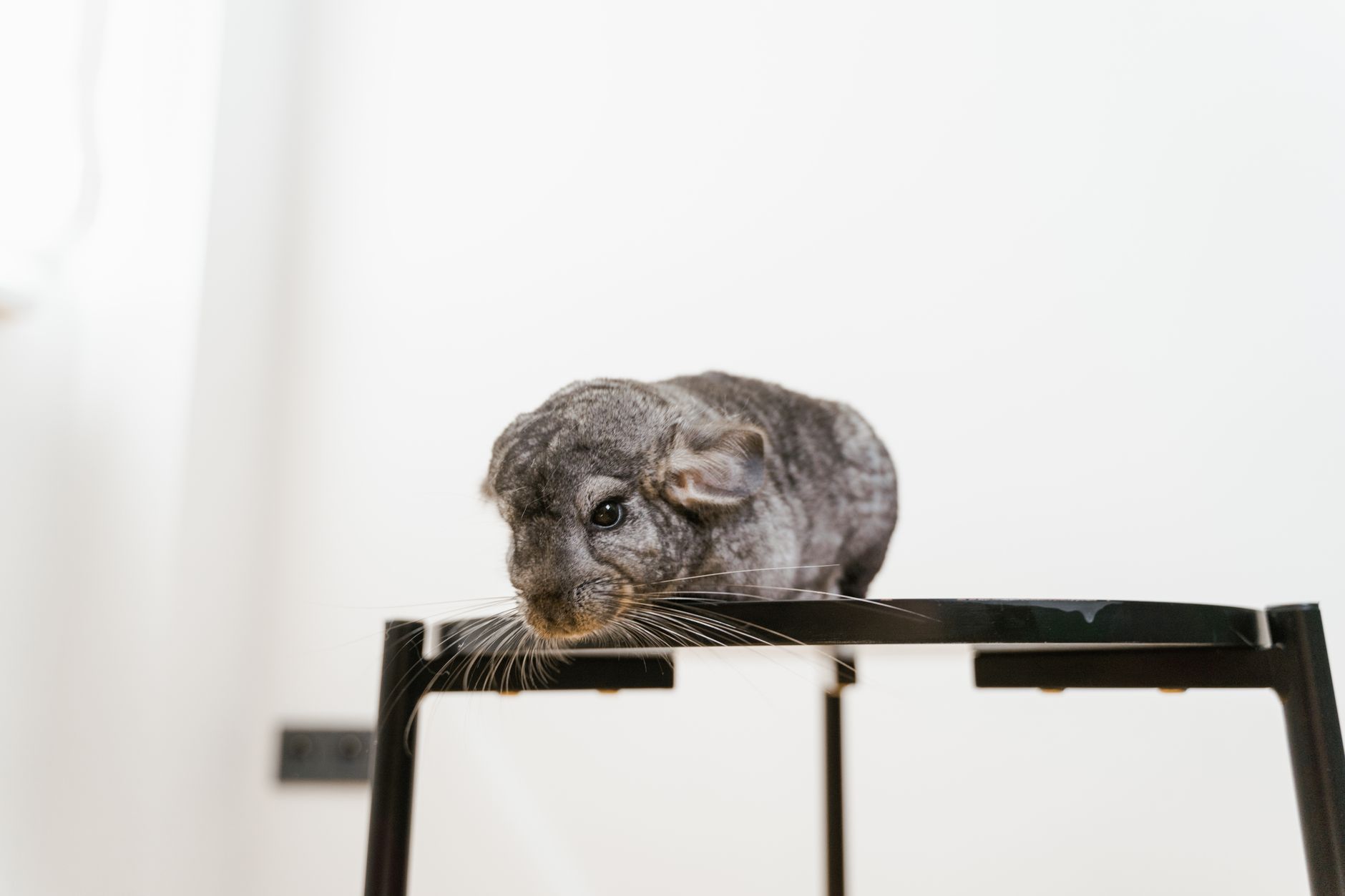
How Many Chinchillas Are Killed Each Year? A Grim Accounting
Estimates suggest that tens of thousands of chinchillas are killed each year, primarily for the fur industry, although exact figures are difficult to ascertain due to inconsistent reporting and varying data collection methods. The number fluctuates depending on market demand, fur prices, and breeding practices.
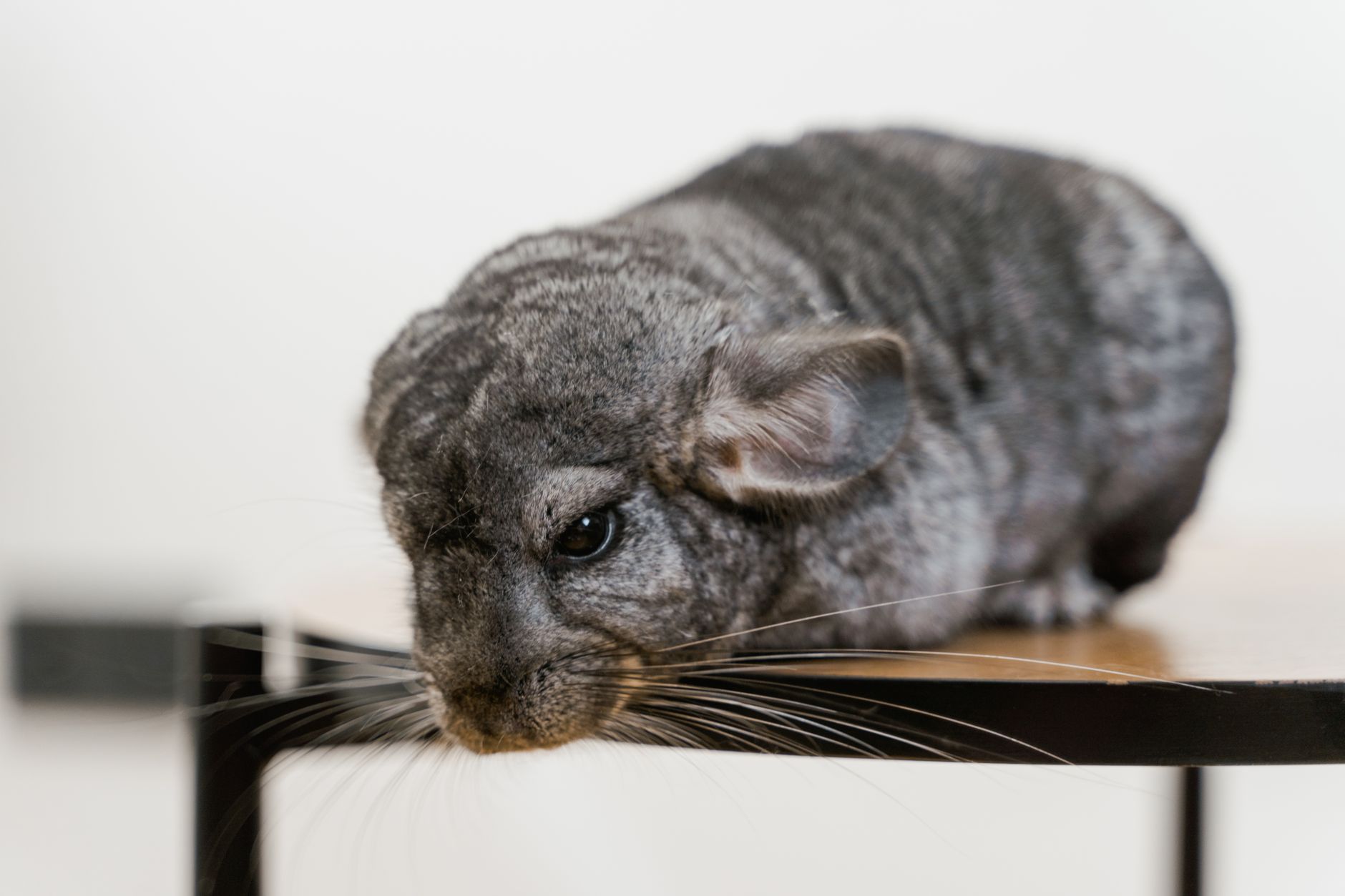
The Allure and Reality of Chinchilla Fur
Chinchilla fur is prized for its extreme softness and density. This luxurious feel comes at a high price, both financially and ethically. The process of raising and killing chinchillas for fur is a complex issue with significant ethical concerns.

Is distilled water good for goldfish?
What colours are fish most attracted to?
Can you put your finger in a trout's mouth?
Is methylene blue anti bacterial?
The Chinchilla Fur Industry: A Global Perspective

The chinchilla fur industry operates globally, with farms in countries like Argentina, Poland, and the United States. The scale of the industry varies from country to country, impacting the number of chinchillas raised and subsequently killed. These operations range from small family farms to larger, more industrialized setups. Understanding the geographic distribution is crucial to grasping the overall impact.
Life on a Chinchilla Fur Farm
Life for chinchillas on fur farms is starkly different from that of their wild counterparts. Confined to small cages, they are denied the opportunity to express their natural behaviors, such as running, jumping, and dust bathing. This lack of environmental enrichment leads to significant stress and potential health problems.
Killing Methods and Ethical Considerations
The methods used to kill chinchillas on fur farms are a major ethical concern. Common practices include electrocution, gassing, and neck-breaking. Animal welfare advocates argue that these methods are often inhumane and cause unnecessary suffering. The debate over ethical farming practices versus complete abolition of the industry continues.
Data Collection Challenges and Estimations
Accurately determining how many chinchillas are killed each year is a significant challenge. Data collection is inconsistent, and reporting is not always transparent. Estimations are often based on fur production figures and assumptions about breeding ratios and mortality rates. This lack of precise data makes it difficult to fully assess the scale of the problem.
Alternatives to Chinchilla Fur
The demand for chinchilla fur fuels the industry. However, there are numerous alternatives available, including synthetic furs and other ethically sourced materials. Choosing these alternatives can help reduce the demand for chinchilla fur and alleviate the suffering of these animals.
The Role of Consumer Demand
Ultimately, consumer demand drives the chinchilla fur industry. Educating consumers about the ethical implications of purchasing chinchilla fur is crucial in changing attitudes and reducing demand. Increased awareness can empower consumers to make more informed and compassionate choices.
Legislation and Regulations
The regulation of chinchilla fur farms varies significantly from country to country. Some countries have stricter animal welfare laws than others, while others have little or no regulation. Advocating for stronger legislation can help improve the welfare of chinchillas raised for fur.
Conservation Status of Wild Chinchillas
While the fur trade primarily impacts farmed chinchillas, it’s essential to remember the plight of wild chinchillas. These animals are critically endangered due to habitat loss and historical over-hunting. Protecting their natural habitat and combating illegal poaching are vital for their survival.
The Future of Chinchilla Fur Farming
The future of chinchilla fur farming is uncertain. Growing ethical concerns, increasing consumer awareness, and the availability of alternatives are putting pressure on the industry. A shift towards more sustainable and ethical practices, or even a complete phasing out of the industry, may be on the horizon.
Impact of COVID-19
The COVID-19 pandemic has had a variable impact on the fur industry, including chinchilla farms. Supply chain disruptions, decreased demand, and outbreaks on farms have all played a role. It remains to be seen what the long-term effects will be on how many chinchillas are killed each year.
Frequently Asked Questions (FAQs)
How many chinchilla fur farms are there globally?
The exact number fluctuates, but estimates suggest there are hundreds, if not thousands, of chinchilla farms worldwide, predominantly in South America, Europe, and North America. The number of farms actively operating can vary due to market conditions and changing regulations.
What is the average lifespan of a chinchilla on a fur farm compared to one kept as a pet?
Chinchillas on fur farms typically live for a fraction of the lifespan of a pet chinchilla. Pet chinchillas can live for 15-20 years or more with proper care, while those on fur farms are often killed before they reach one year of age. This drastic difference highlights the welfare issues associated with fur farming.
Are there any countries that have banned chinchilla fur farming?
Yes, several countries have banned fur farming altogether, including Austria, the Netherlands, and the United Kingdom. These bans reflect growing ethical concerns about the welfare of animals raised for fur. Further legislation may be implemented in other countries to restrict or prohibit fur farming.
What are the main causes of death for chinchillas on fur farms besides direct killing for fur?
Besides direct killing for fur, chinchillas on farms are susceptible to diseases, injuries, and stress-related health problems. The cramped and unsanitary conditions can contribute to outbreaks of illnesses. Also, fighting within crowded cages can lead to injuries and mortality.
How does the price of chinchilla fur affect the number of chinchillas killed each year?
When the price of chinchilla fur is high, there is a greater incentive for farmers to increase production, which directly translates to more chinchillas being bred and killed. Conversely, lower prices can lead to a decrease in production, but this doesn’t necessarily eliminate the problem entirely.
What can consumers do to help reduce the number of chinchillas killed for fur?
Consumers can make a significant impact by refusing to purchase chinchilla fur products. Supporting brands that use ethical and sustainable alternatives also sends a strong message to the industry. Educating others about the ethical issues involved can further amplify the impact.
Are there any organizations working to protect chinchillas from the fur industry?
Yes, many animal welfare organizations actively campaign against the fur industry and work to protect animals raised for fur, including chinchillas. These organizations engage in public awareness campaigns, lobbying efforts, and rescue operations. Examples include the Humane Society International and PETA.
How does the killing of chinchillas for fur compare to the killing of other animals for fur?
The ethical concerns surrounding the killing of chinchillas for fur are similar to those associated with other fur-bearing animals. All animals raised for fur endure confinement and often inhumane killing methods. The specific methods may vary, but the core ethical issues remain the same.
Is there a humane way to raise and kill chinchillas for fur?
Animal welfare advocates argue that there is no truly humane way to raise and kill animals for fur. The very nature of confinement and the methods used to kill animals for their fur inherently involve suffering. The debate surrounding “humane farming” is complex and often contentious.
What is the environmental impact of chinchilla fur farming?
Chinchilla fur farming, like other forms of animal agriculture, has environmental impacts, including waste management issues and the use of resources like water and feed. The processing of fur also involves chemicals that can be harmful to the environment.
How does the number of wild chinchillas killed for fur compare to the number of farmed chinchillas?
Historically, wild chinchillas were heavily hunted for their fur, leading to their endangered status. Today, the vast majority of chinchillas killed for fur are raised on farms. However, illegal poaching of wild chinchillas still occurs, albeit on a smaller scale.
What is the role of government regulation in the chinchilla fur industry?
Government regulation plays a crucial role in determining the welfare of chinchillas on fur farms. Stricter regulations can mandate better living conditions, humane killing methods, and environmental safeguards. However, weak or nonexistent regulations allow for greater exploitation and suffering.