

Decoding the Mystery: What is the Name of the Starfish Robin?
The answer, definitively, is that there is no universally recognized or officially designated starfish named Robin. The term likely stems from a specific context, possibly a fictional character, a pet name, or a misunderstanding.

The Elusive Starfish Robin: Unveiling the Confusion
The seemingly simple question, “What is the name of the starfish Robin?,” quickly unravels into a deeper exploration of context and possibility. Unlike named animal species or famous fictional characters, there’s no record of a universally known starfish bearing the name “Robin.” This leads us to consider several plausible scenarios that might explain the question’s origin. Perhaps it’s a reference to a personal pet, a character in a children’s story, a scientific experiment, or simply a case of mistaken identity. Understanding the root of the query requires us to delve into the diverse world of starfish, naming conventions, and possible sources of inspiration.

What colours are fish most attracted to?
Can you put your finger in a trout's mouth?
Is methylene blue anti bacterial?
Does aquarium salt raise pH in aquarium?
Starfish Biology and Identification
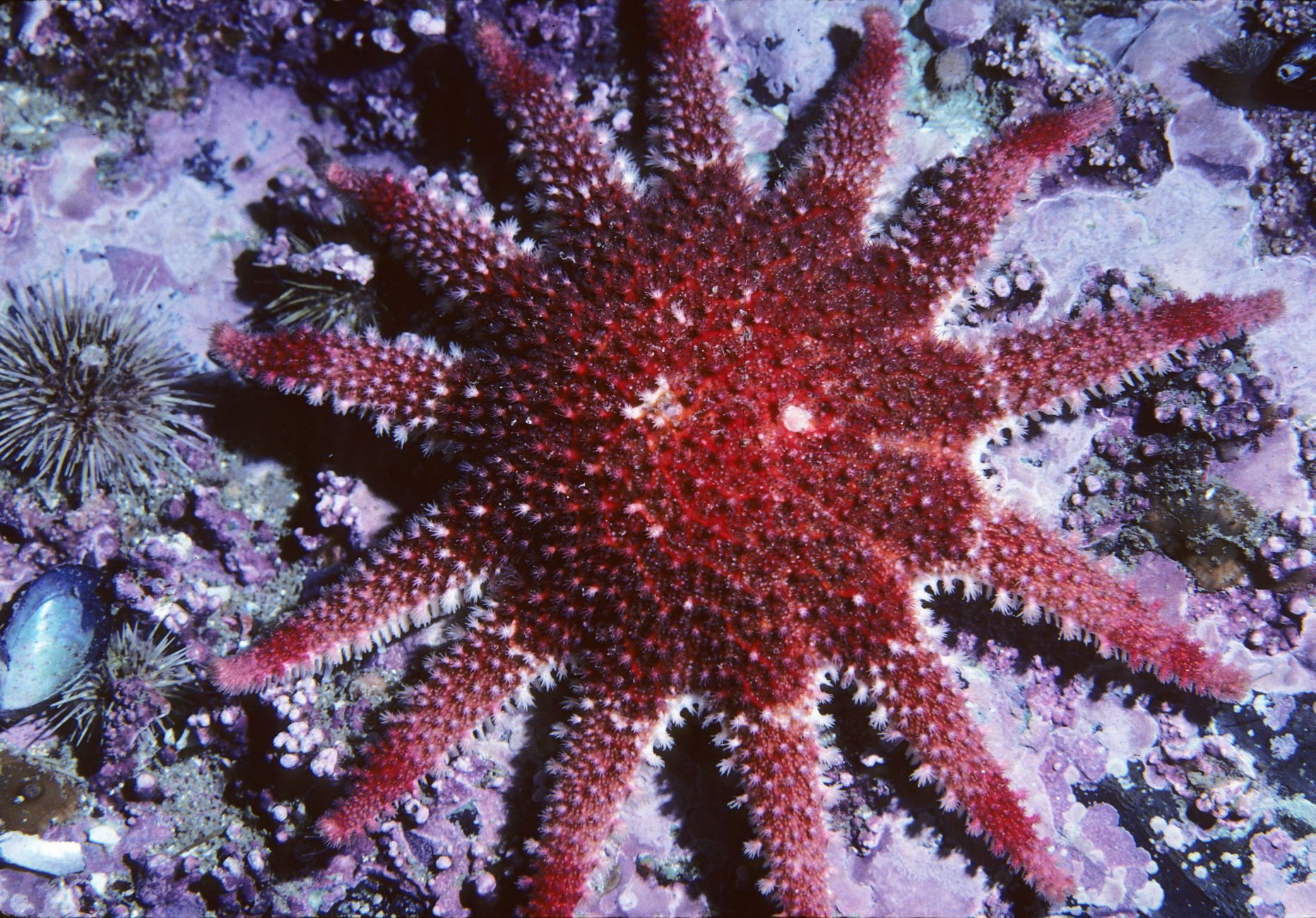
Starfish, also known as sea stars, are fascinating marine invertebrates belonging to the class Asteroidea. They are characterized by their radial symmetry, typically having five arms radiating from a central disc, although some species have many more.
- Diversity: Over 2,000 species of starfish inhabit the world’s oceans.
- Anatomy: Starfish lack a head or brain. They possess a water vascular system that controls their tube feet, used for locomotion and feeding.
- Feeding: Starfish are carnivorous, feeding on a variety of invertebrates.
- Regeneration: Starfish are renowned for their ability to regenerate lost limbs, and in some cases, an entire new starfish can grow from a single arm.
Identifying starfish species relies on a combination of factors:
- Arm Number: The number of arms is a key identifying feature.
- Surface Texture: The texture of the starfish’s surface (e.g., smooth, spiny) is another important characteristic.
- Coloration: Starfish come in a wide range of colors, which can aid in identification.
- Location: Geographical location is crucial, as different species inhabit different regions.
The Absence of a Recognized Starfish Name: Robin
Despite the vast diversity of starfish and the detailed scientific classifications assigned to them, there is no officially recognized species or notable individual starfish named Robin. Scientific nomenclature follows a specific set of rules and guidelines established by international organizations. The absence of “Robin” in these systems strongly suggests that the name originates from a non-scientific context. “What is the name of the starfish Robin?” then becomes less about biological taxonomy and more about understanding the potential source of the name.
Potential Origins of the Name “Robin”
Several plausible explanations exist for the question “What is the name of the starfish Robin?“:
- Fictional Character: The name “Robin” might belong to a starfish character in a book, movie, or television show. Many children’s stories feature anthropomorphic animals, and a starfish named Robin would be a natural fit in such a narrative.
- Pet Name: Individuals keeping starfish in aquariums might assign pet names to their individual specimens. Robin could be a simply a pet name given to a starfish.
- Research Project: A scientist studying starfish might have temporarily assigned the name “Robin” to a particular subject for tracking purposes within a specific research project. However, this wouldn’t constitute an official scientific name.
- Misunderstanding: The name “Robin” might be a mishearing or misinterpretation of another name or term associated with starfish. For example, it could be a misunderstanding of the scientific name of a particular species or a misremembered character name from a media source.
- Creative Expression: The name “Robin” could simply be a product of someone’s imagination, used in a poem, song, or other creative work.
Searching for Context
To definitively answer the question, further context is needed. Knowing where the question originated is crucial. Was it posed by a child, found in a piece of literature, overheard in a conversation, or encountered online? The source of the question holds the key to unlocking the mystery of the starfish Robin. Perhaps a search of children’s books or a query in online aquarium forums might reveal the answer.
The Importance of Accurate Information
While the search for the starfish Robin may seem trivial, it highlights the importance of accurate information and clear communication. In the age of readily available information, distinguishing between factual knowledge and speculation is crucial. What is the name of the starfish Robin? serves as a reminder that context is key and that even seemingly simple questions can lead to complex investigations.
Common Misconceptions About Starfish
- Starfish are fish: This is incorrect. Starfish are invertebrates belonging to the phylum Echinodermata, not fish.
- Starfish are all the same: There is an incredible diversity of starfish species, each with unique characteristics.
- Starfish are indestructible: While they can regenerate, starfish are susceptible to pollution, habitat destruction, and disease.
Frequently Asked Questions About Starfish
What is a starfish’s scientific classification?
Starfish belong to the phylum Echinodermata and the class Asteroidea. This places them within a group of marine invertebrates characterized by radial symmetry and a water vascular system.
Are all starfish called starfish?
While “starfish” is the common name, some prefer the term “sea star” because starfish are not actually fish. The term sea star is becoming increasingly prevalent in scientific literature and conservation efforts.
How many arms does a typical starfish have?
Most starfish species have five arms, but some species can have significantly more, sometimes dozens. The number of arms can be a key characteristic for identifying different species.
Can a starfish regenerate a lost arm?
Yes, starfish are famous for their ability to regenerate lost limbs. In some cases, a single arm can even regenerate into an entirely new starfish, provided it contains a portion of the central disc.
What do starfish eat?
Starfish are primarily carnivorous, feeding on a variety of invertebrates, such as clams, snails, and other small creatures. Some species can even prey on small fish.
How do starfish eat?
Starfish employ a unique feeding strategy. They can evert their stomach out of their mouth and onto their prey, digesting it externally. Once the prey is partially digested, the stomach is retracted back into the starfish’s body.
Where do starfish live?
Starfish are found in oceans around the world, from shallow intertidal zones to the deep sea. They inhabit a wide range of marine environments.
Are starfish poisonous?
Some starfish species possess toxins as a defense mechanism. These toxins can cause irritation or even be dangerous if ingested. Handling starfish with care is always recommended.
How long do starfish live?
The lifespan of starfish varies depending on the species. Some species live only a few years, while others can live for several decades.
What are some threats to starfish populations?
Starfish populations face several threats, including habitat destruction, pollution, and climate change. Disease outbreaks, such as sea star wasting syndrome, can also decimate populations.
Are starfish important to the ecosystem?
Yes, starfish play a crucial role in maintaining the balance of marine ecosystems. As predators, they help control populations of other invertebrates and prevent any single species from dominating.
What can I do to help protect starfish?
You can help protect starfish by supporting marine conservation efforts, reducing your use of plastics, and being mindful of your impact on the ocean environment. Promoting sustainable seafood choices also helps preserve the delicate balance of marine ecosystems. Remember, the question “What is the name of the starfish Robin?” might be fanciful, but the need to protect real starfish populations is very real.