

What is the Longest Living Orca in Captivity? Unraveling the Complexities of Orca Longevity
The longest living orca in captivity was Corky, also known as Corky II, who passed away in 2024 at approximately 69 years old. Her lifespan greatly exceeded those of most other captive orcas.
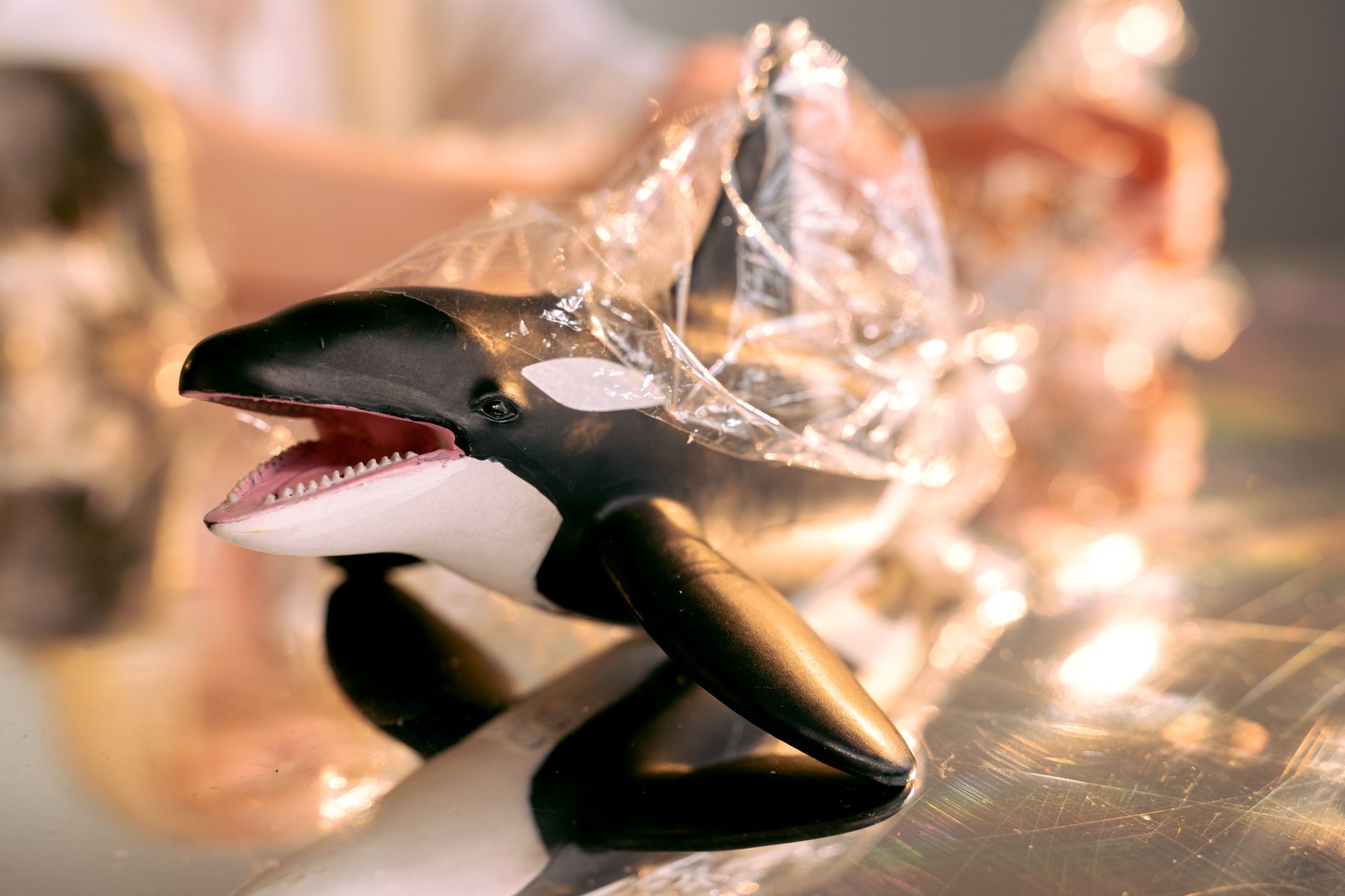
A Life Lived in Tanks: Understanding Captive Orcas
Orcas, also known as killer whales, are highly intelligent and social marine mammals. Their lives in the wild are vastly different from those in captivity. The controversy surrounding keeping orcas in marine parks and aquariums centers on the significant differences in environment, social structure, and overall well-being.
- Wild Orcas: In their natural habitat, orcas roam vast ocean territories, live in complex family groups called pods, engage in intricate communication, and display a wide range of natural behaviors.
- Captive Orcas: Orcas in captivity are confined to relatively small tanks, deprived of natural social structures, often exposed to unnatural training practices, and may suffer from stress-related health problems.
These factors directly impact the lifespan of captive orcas. While wild orcas, especially females, can live for 80 to 90 years or even longer, the average lifespan of captive orcas is significantly shorter.

What colours are fish most attracted to?
Can you put your finger in a trout's mouth?
Is methylene blue anti bacterial?
Does aquarium salt raise pH in aquarium?
What Impacts Orca Lifespan? Wild vs. Captivity

Several factors contribute to the reduced lifespan of captive orcas:
- Tank Size and Water Quality: Inadequate tank size restricts natural movement and social interaction. Poor water quality can lead to infections and other health issues.
- Social Deprivation: The forced mixing of orcas from different pods disrupts their natural social structures and communication, leading to stress and aggression.
- Diet: Although captive orcas are fed regularly, the quality and variety of their diet may not match what they would consume in the wild. This can lead to nutritional deficiencies and related health problems.
- Stress and Boredom: The monotonous environment and unnatural training practices in captivity can induce chronic stress and boredom, which weakens their immune systems and increases their susceptibility to disease.
Corky II: An Exception to the Rule
Corky II’s exceptional longevity stands in stark contrast to the average lifespan of captive orcas. While many captive orcas die in their 20s or 30s, Corky II lived nearly 70 years. This raises questions about the factors that contributed to her extended lifespan.
It’s important to note that some reports suggest that other orcas may have reached comparable ages in captivity. However, reliable documentation and verification can be challenging. Corky II’s age is generally considered well-documented.
The Ethical Debate: Captivity vs. Freedom
The ethical debate surrounding keeping orcas in captivity is complex and multifaceted. Proponents of captivity argue that marine parks provide educational opportunities and contribute to conservation efforts. Opponents argue that the inherent suffering of orcas in captivity outweighs any potential benefits.
The discussion ultimately revolves around whether the entertainment value and potential educational benefits of keeping orcas in captivity justify the restriction of their natural behaviors and the potential reduction in their lifespan.
The Future of Orcas in Captivity
The future of orcas in captivity remains uncertain. Increasing public awareness of the issues surrounding orca captivity has led to changes in practices and a growing movement to phase out orca shows and retire orcas to sanctuaries. Several organizations are working to create more natural and enriching environments for captive orcas. Whether these efforts will improve the lives of captive orcas and potentially extend their lifespans remains to be seen.
Frequently Asked Questions (FAQs)
What is the average lifespan of an orca in the wild?
The average lifespan of an orca in the wild varies depending on several factors, including sex, pod, and geographic location. However, female orcas typically live longer than males. Females can live for 80 to 90 years or even longer, while males generally live for 50 to 60 years.
Is there a significant difference between the lifespan of male and female orcas in captivity?
While data on captive orcas is limited, there is some evidence to suggest that female orcas tend to live slightly longer in captivity than males. However, the difference is not as pronounced as it is in the wild. Both male and female orcas in captivity typically have shorter lifespans compared to their wild counterparts.
What are some common health problems affecting orcas in captivity?
Orcas in captivity are prone to various health problems, including:
- Dental issues, such as broken or worn teeth, resulting from chewing on tank walls.
- Skin lesions and infections due to poor water quality and lack of sunlight.
- Compromised immune systems due to chronic stress, making them more susceptible to diseases.
- Pneumonia and other respiratory illnesses due to spending extended periods at the surface of the tank.
How does diet affect the lifespan of orcas in captivity?
The diet of captive orcas often differs significantly from what they would consume in the wild. They are typically fed frozen fish, which may lack the nutritional variety and essential nutrients found in live prey. This can lead to nutritional deficiencies, such as vitamin deficiencies, and related health problems that can shorten their lifespan.
What is the role of training in the lives of captive orcas?
Training plays a central role in the lives of captive orcas. It is used to manage their behavior, facilitate shows, and provide enrichment. However, some training practices, such as requiring orcas to perform unnatural behaviors or withholding food as a reward, can be stressful and detrimental to their well-being.
Are there any ethical alternatives to keeping orcas in captivity?
Several ethical alternatives to keeping orcas in captivity are being explored, including:
- Sea sanctuaries: These are natural ocean enclosures where orcas can live in a more natural environment while still receiving care.
- Phasing out breeding programs: This would prevent the birth of new orcas into captivity.
- Investing in research and conservation efforts: This would help protect wild orca populations and their habitats.
What is being done to improve the welfare of captive orcas?
Efforts are being made to improve the welfare of captive orcas, including:
- Enrichment programs: These programs aim to provide captive orcas with stimulating activities and opportunities to engage in natural behaviors.
- Improving tank design and water quality: This helps to create a more natural and healthy environment.
- Reducing the number of shows and performances: This helps to minimize stress and fatigue.
What makes Corky II’s lifespan in captivity so remarkable?
What made Corky II’s lifespan so remarkable is that it exceeded what most experts believe to be a typical lifespan for an orca in captivity. Captive orcas often die in their 20s and 30s, but Corky lived into her 60s, suggesting that she may have benefited from some unique set of circumstances or conditions that allowed her to live longer. These circumstances are not fully known but likely involved a combination of factors including genetics, veterinary care, and perhaps adaptations to her captive environment over her many decades.
Is it possible to accurately compare the lifespan of wild orcas to captive orcas?
While it is possible to compare the lifespans of wild and captive orcas, it is important to acknowledge the limitations of the data. It is difficult to track wild orcas throughout their entire lives, and estimates of their lifespan are often based on incomplete data. Similarly, data on captive orca lifespans may be biased due to the relatively small sample size and the fact that conditions in different facilities can vary widely. However, the overall trend consistently shows that orcas in captivity generally have shorter lifespans compared to their wild counterparts.
What research is being conducted on orca lifespan and well-being?
Researchers are actively studying various aspects of orca lifespan and well-being, including:
- Genetic studies: These studies aim to identify genetic factors that contribute to orca longevity and disease resistance.
- Behavioral studies: These studies examine the behavior of orcas in both wild and captive environments to understand their social interactions, communication, and stress levels.
- Physiological studies: These studies measure physiological parameters, such as hormone levels and immune function, to assess the health and stress levels of orcas.
What can individuals do to support orca conservation?
Individuals can support orca conservation by:
- Educating themselves and others about the threats facing orcas.
- Supporting organizations that are working to protect orcas and their habitats.
- Making responsible consumer choices that do not contribute to pollution or habitat destruction.
- Advocating for policies that protect orcas and their ocean environment.
Can we ever truly know what What is the longest living orca in captivity?
While pinpointing the single longest-lived orca in captivity with absolute certainty is difficult due to inconsistent record-keeping across facilities and over time, Corky’s lifespan is exceptionally well-documented and recognized, making her a clear leader in longevity among captive orcas. The real question, though, is whether any captive environment can truly offer the same quality and length of life as the wild.