

Is it Illegal to Own a Pigeon in California? A Comprehensive Guide
It is not generally illegal to own a pigeon in California, but local ordinances and specific situations can create exceptions. This guide explores the legality and practical considerations of pigeon ownership in the Golden State.

The Legal Landscape of Pigeon Ownership in California
California’s laws regarding animal ownership are a patchwork of state regulations and local ordinances. While there isn’t a blanket state law prohibiting pigeon ownership, several factors determine legality. Understanding these nuances is crucial for prospective pigeon owners.
- State Regulations: California Department of Fish and Wildlife regulates wild birds, but domestic pigeons generally fall outside their jurisdiction.
- Local Ordinances: Cities and counties can impose restrictions on the number of animals allowed, including pigeons. These ordinances often address noise, sanitation, and potential nuisances.
- Zoning Laws: Residential zoning regulations may prohibit keeping livestock, which could include pigeons, particularly in higher densities.
Is distilled water good for goldfish?
What colours are fish most attracted to?
Can you put your finger in a trout's mouth?
Is methylene blue anti bacterial?
Understanding Pigeon Varieties

The term “pigeon” covers a wide range of species, and their legal status can vary depending on whether they are considered domestic or wild.
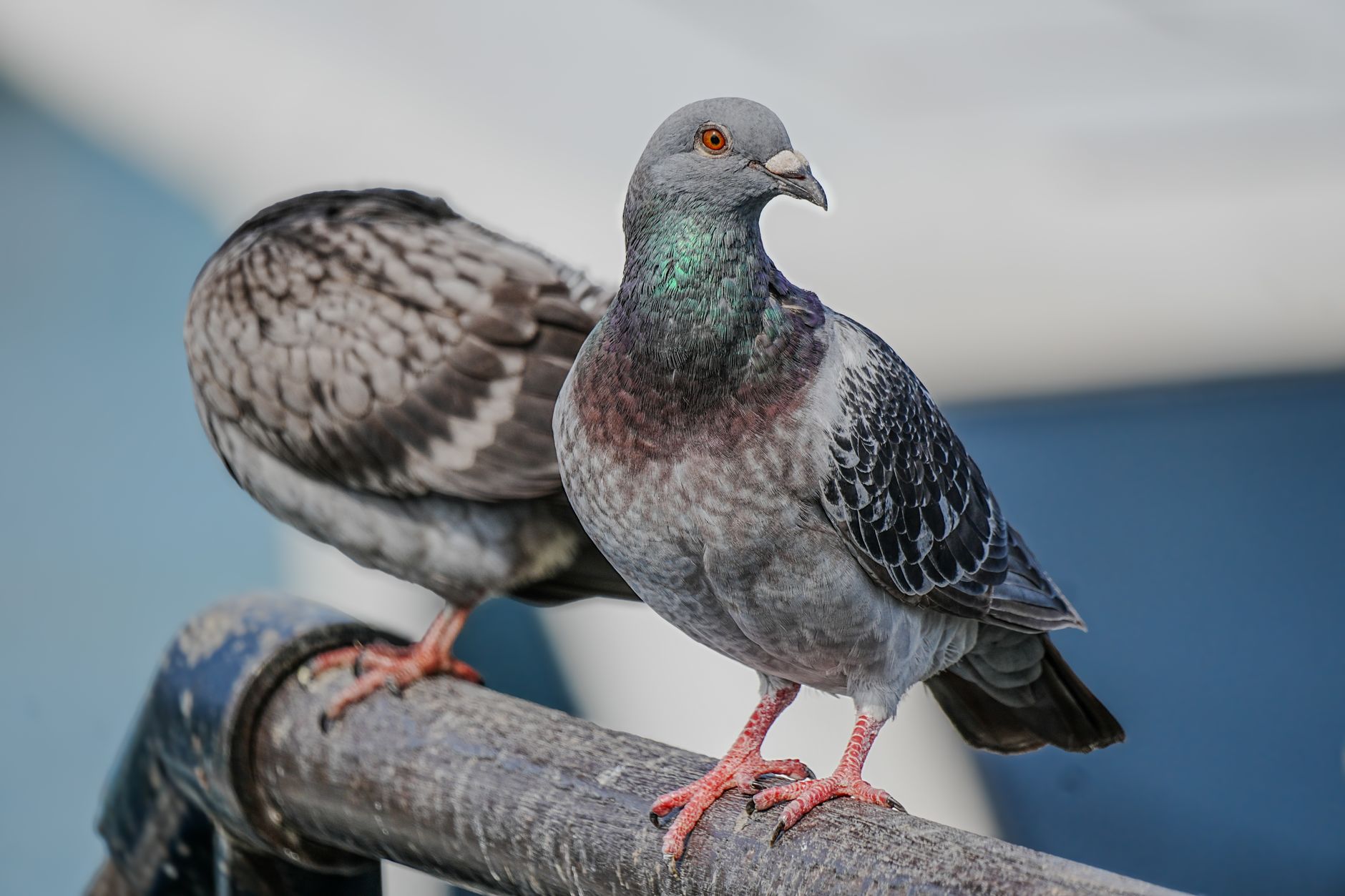
- Domestic Pigeons ( Columba livia domestica ): These are descendants of the rock dove, bred for various purposes like homing, racing, or fancy breeds. They are generally considered domestic animals.
- Wild Pigeons (Feral Pigeons): These are domestic pigeons that have escaped captivity and now live in the wild. While generally unprotected, interfering with their nests may be restricted in some areas.
- Native Wild Birds: Native wild bird species are protected under federal and state laws, and it is illegal to possess them without proper permits. It’s crucial to distinguish domestic pigeons from native wild birds.
Practical Considerations for Pigeon Ownership
Even if pigeon ownership is legal in your location, responsible ownership requires careful planning and management. Failing to do so can lead to conflicts with neighbors or even legal issues.
- Housing: Pigeons require secure, clean, and well-ventilated housing (a coop or loft).
- Feeding: Provide a balanced diet specific to pigeons, and avoid overfeeding to prevent attracting pests.
- Hygiene: Regular cleaning is essential to prevent the spread of disease and control odor.
- Noise: Pigeon cooing can be a nuisance to neighbors, so consider soundproofing or limiting flock size.
- Waste Management: Pigeon droppings can be unsightly and potentially unhealthy. Proper waste disposal is crucial.
Best Practices for Ensuring Legal Compliance
- Check Local Ordinances: Contact your city or county government to inquire about specific restrictions on pigeon ownership in your area.
- Obtain Necessary Permits: Some localities require permits for keeping pigeons, especially in larger numbers.
- Consult with Neighbors: Communicate with your neighbors about your intention to keep pigeons and address any concerns they may have proactively.
- Maintain Records: Keep records of your pigeon flock, including numbers, breeds, and any relevant permits or licenses.
- Consult with a Veterinarian: Regular health checks and vaccinations are important for the well-being of your pigeons and for preventing the spread of disease.
Common Mistakes to Avoid
- Ignoring Local Ordinances: Assuming that pigeon ownership is legal without verifying local regulations.
- Neglecting Hygiene: Failing to maintain a clean and sanitary environment for your pigeons.
- Overcrowding: Keeping too many pigeons in a confined space, leading to health problems and increased noise.
- Failing to Contain Pigeons: Allowing pigeons to roam freely, causing damage to property and becoming a nuisance to neighbors.
- Uncontrolled Breeding: Not managing breeding, leading to an unsustainable flock size.
- Misidentifying Birds: Confusing domestic pigeons with protected native wild birds.
Pigeon Ownership Benefits
Despite the potential challenges, there are many benefits to owning pigeons.
- Homing and Racing: Pigeons are renowned for their ability to navigate back to their home loft from long distances.
- Companionship: Pigeons can be affectionate and intelligent companions.
- Hobby and Recreation: Breeding and showing fancy pigeon breeds can be a rewarding hobby.
- Historical Significance: Pigeons have played a vital role in communication throughout history.
- Sustainable Living: Pigeon farming can be a sustainable source of meat and fertilizer in some situations (subject to local regulations).
Frequently Asked Questions (FAQs)
What happens if I violate local ordinances regarding pigeon ownership?
Violation of local ordinances can result in warnings, fines, or even the required removal of your pigeons. The specific penalties vary depending on the severity of the violation and the regulations in your jurisdiction.
Are there any restrictions on the number of pigeons I can own in California?
Yes, many cities and counties in California have ordinances that limit the number of pigeons a person can own. These limits often depend on the size of your property and zoning regulations.
Do I need a permit to own pigeons in California?
Permitting requirements for pigeon ownership vary by locality. It is essential to contact your local government to determine if a permit is required.
Can my homeowner’s association (HOA) restrict pigeon ownership?
Yes, most HOAs can restrict or prohibit pigeon ownership through their covenants, conditions, and restrictions (CC&Rs). Review your HOA documents carefully.
What are the best breeds of pigeons for beginners?
Some easy-to-manage pigeon breeds for beginners include homing pigeons, king pigeons, and certain fancy breeds like the fantail or common pigeon. Research the characteristics of each breed to find one that suits your needs and experience level.
How do I prevent my pigeons from becoming a nuisance to my neighbors?
To prevent pigeons from becoming a nuisance, maintain a clean coop, control the flock size through responsible breeding practices, and ensure that your pigeons are contained within your property.
What should I do if my neighbor complains about my pigeons?
Communicate with your neighbor to understand their concerns and try to address them. Consider implementing measures to mitigate any issues, such as soundproofing the coop or improving waste management practices.
Can I sell or breed pigeons in California?
Selling and breeding pigeons is generally permissible in California, but may be subject to certain business licensing requirements and regulations. Check with your local government for specific rules.
What diseases can pigeons carry, and how can I prevent them?
Pigeons can carry diseases such as psittacosis, salmonellosis, and histoplasmosis. Maintaining a clean coop, practicing good hygiene, and consulting with a veterinarian can help prevent the spread of disease.
Are there any resources available to help me learn more about pigeon ownership?
Yes, several organizations, such as the American Racing Pigeon Union and the National Pigeon Association, offer resources and information about pigeon ownership, breeding, and racing.
Is it legal to release my domestic pigeons in California?
Releasing domestic pigeons into the wild is generally discouraged and may even be illegal in some areas, as they can disrupt local ecosystems and compete with native species. You can’t release it on public/government property.
What are the ethical considerations of pigeon ownership?
Ethical considerations include providing adequate care, housing, and veterinary attention for your pigeons. It is also important to manage breeding responsibly and avoid releasing pigeons into the wild where they may struggle to survive.
By understanding the legal landscape, practicing responsible ownership, and addressing potential concerns proactively, you can enjoy the rewards of pigeon ownership while ensuring compliance with California law.