
What is the Lifespan of a Mosquito After it Bites a Person?
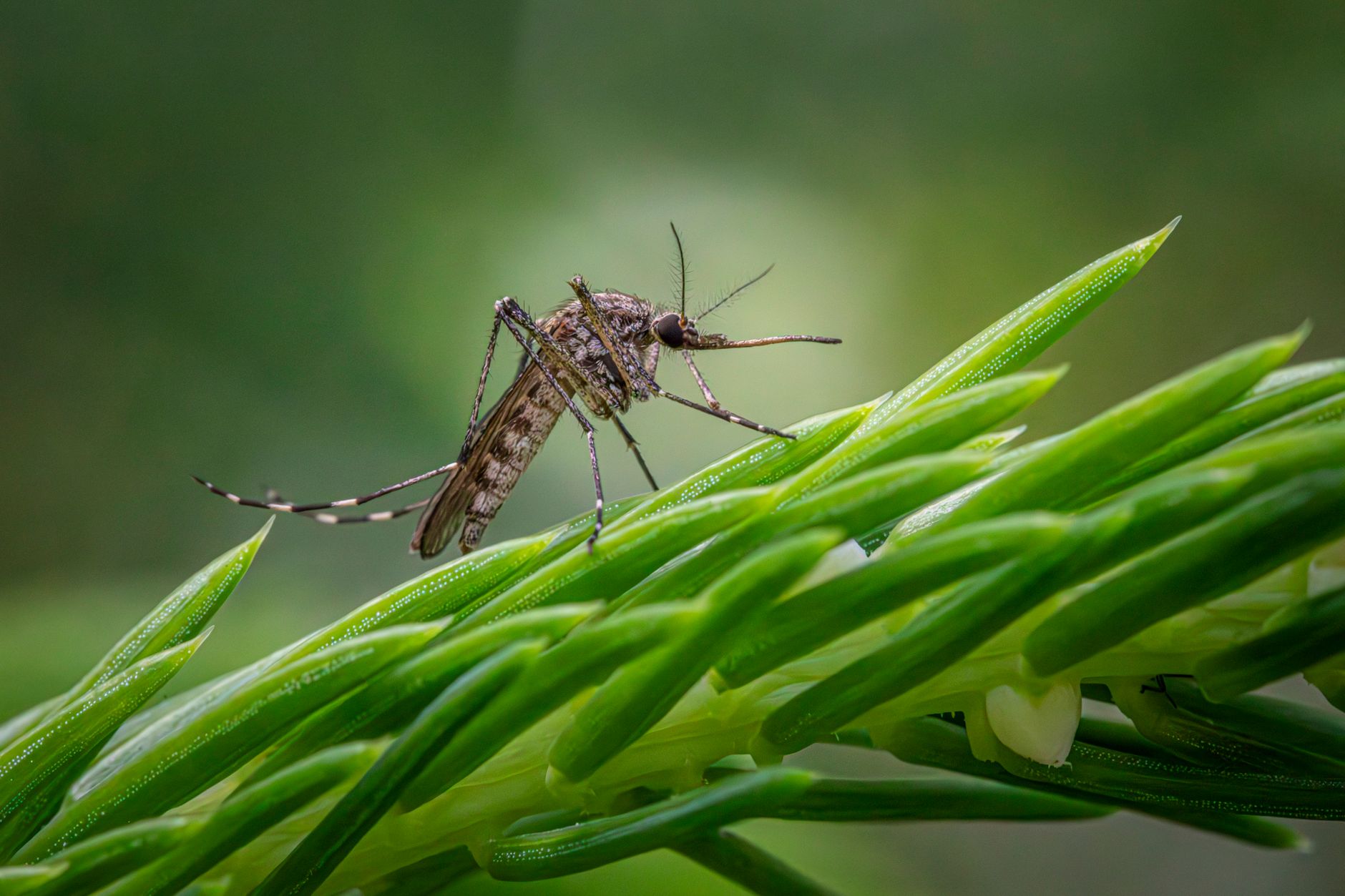
The lifespan of a mosquito after biting a person is largely unaffected by the blood meal and depends primarily on factors like species, sex, and environmental conditions; generally, a female mosquito, the only one that bites, can live for several weeks to a month or more, even after multiple blood meals. Males, who don’t bite, usually live for a significantly shorter period, about a week.

Understanding the Mosquito Life Cycle and Biting Behavior
Mosquitoes are vectors of some of the world’s most devastating diseases, making understanding their life cycle and biting behavior crucial for effective control. The mosquito life cycle consists of four distinct stages: egg, larva, pupa, and adult. Only adult female mosquitoes bite humans and animals to obtain blood, which they need to develop their eggs. This blood meal doesn’t typically shorten their lifespan, but the process of acquiring it does present risks.
What colours are fish most attracted to?
Can you put your finger in a trout's mouth?
Is methylene blue anti bacterial?
Does aquarium salt raise pH in aquarium?
Factors Influencing Mosquito Lifespan
Several factors determine how long a mosquito lives. Understanding these can help in developing targeted control strategies.
- Species: Different mosquito species have varying lifespans. For example, Aedes aegypti, known for transmitting dengue fever, typically lives for about 2-4 weeks. Anopheles mosquitoes, vectors of malaria, can live even longer, up to a month or more, depending on environmental conditions.
- Sex: Male mosquitoes, which feed on nectar and plant juices, usually live for only about a week. Female mosquitoes, on the other hand, can live for several weeks or even months, especially if they have access to regular blood meals and favorable environmental conditions.
- Environmental Conditions: Temperature, humidity, and the availability of water sources all play a significant role in mosquito lifespan. Warm, humid conditions generally favor mosquito survival and reproduction.
- Availability of Food Sources: While female mosquitoes need blood to develop eggs, both males and females need sugar for energy. Access to nectar and plant juices can significantly extend their lives.
- Predation: Mosquitoes are preyed upon by various animals, including birds, bats, dragonflies, and other insects. Predation can significantly reduce the number of mosquitoes that reach adulthood and reproduce.
The Blood Meal and Egg Production
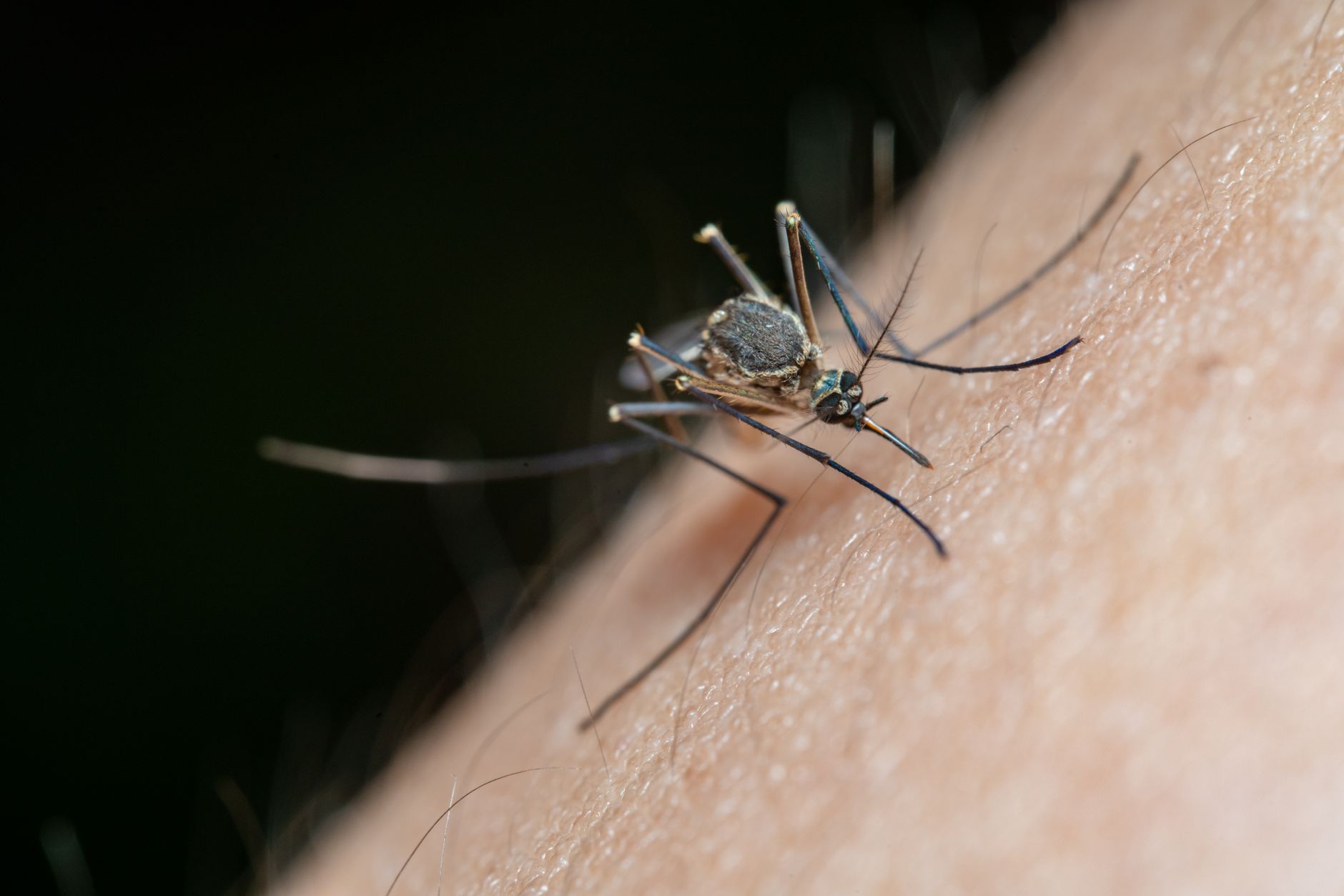
The blood meal that female mosquitoes take is essential for egg production. After feeding on blood, the female mosquito rests while the blood is digested and the eggs develop. The number of eggs laid varies depending on the species and the amount of blood ingested. After laying her eggs, the female mosquito will seek another blood meal to produce another batch of eggs. This cycle can repeat multiple times during her lifespan. The process of finding and ingesting blood is risky, exposing the mosquito to potential predators and insecticides.
Risks Associated with Biting
While biting itself doesn’t inherently shorten the lifespan of a mosquito after it bites a person, it does expose the mosquito to several risks:
- Physical Injury: The act of inserting the proboscis into the skin can sometimes result in injury to the mosquito, particularly if the host moves suddenly.
- Immune Response: In some cases, the host’s immune system may react to the mosquito’s saliva, causing inflammation and potentially harming the mosquito.
- Insecticides: Mosquitoes may come into contact with insecticides while searching for a blood meal, either through direct contact or by landing on surfaces treated with insecticides.
- Predation: Mosquitoes are particularly vulnerable to predators while they are feeding, as they are distracted and less able to escape.
Strategies for Mosquito Control
Effective mosquito control requires a multi-pronged approach that targets different stages of the mosquito life cycle. These include:
- Source Reduction: Eliminating or reducing mosquito breeding sites by removing standing water from containers, clearing drainage ditches, and maintaining swimming pools.
- Larviciding: Applying insecticides to water sources to kill mosquito larvae before they can develop into adults.
- Adulticiding: Using insecticides to kill adult mosquitoes, either through aerial spraying or ground-based application.
- Personal Protection: Using insect repellent, wearing long sleeves and pants, and sleeping under mosquito nets to prevent mosquito bites.
The Impact of Climate Change
Climate change is expected to have a significant impact on mosquito populations and the diseases they transmit. Warmer temperatures and changes in rainfall patterns can expand the geographic range of mosquitoes, increase their breeding rates, and prolong their lifespan. This could lead to an increased risk of mosquito-borne diseases in many parts of the world. Therefore, understanding what is the lifespan of a mosquito after it bites a person, alongside these wider environmental factors, becomes even more critical.
Frequently Asked Questions (FAQs)
What is the average lifespan of a mosquito?
The average lifespan of a mosquito varies depending on the species, sex, and environmental conditions. Male mosquitoes typically live for about a week, while female mosquitoes can live for several weeks to a month or more.
Does the blood meal affect the lifespan of a female mosquito?
While the blood meal is essential for egg production, it doesn’t directly shorten the lifespan of a mosquito after it bites a person. However, the process of acquiring a blood meal exposes the mosquito to risks that can reduce its lifespan.
How many times can a female mosquito bite?
A female mosquito can bite multiple times during her lifespan. After laying her eggs, she will seek another blood meal to produce another batch of eggs. This cycle can repeat several times.
What is the role of male mosquitoes in the mosquito life cycle?
Male mosquitoes do not bite humans or animals. They feed on nectar and plant juices and play a role in pollinating plants. Their primary function is to mate with female mosquitoes.
What are the most common diseases transmitted by mosquitoes?
Mosquitoes are vectors of several serious diseases, including malaria, dengue fever, Zika virus, West Nile virus, and chikungunya.
What is the best way to prevent mosquito bites?
The best way to prevent mosquito bites is to use insect repellent, wear long sleeves and pants, and sleep under mosquito nets. It’s also important to eliminate or reduce mosquito breeding sites around your home.
What is the difference between repellents containing DEET and those containing picaridin?
Both DEET and picaridin are effective insect repellents. DEET has been used for many years and is considered safe when used as directed. Picaridin is a newer repellent that is also effective and may be less irritating to the skin.
How long does it take for a mosquito bite to stop itching?
The itching from a mosquito bite usually subsides within a few hours to a few days. Applying an anti-itch cream or taking an antihistamine can help relieve the itching.
Are some people more attractive to mosquitoes than others?
Yes, some people are more attractive to mosquitoes than others. Factors that may influence attractiveness include body odor, carbon dioxide production, and blood type.
Can mosquitoes transmit HIV?
No, mosquitoes cannot transmit HIV. The virus is not able to replicate in the mosquito’s body.
What is the role of wetlands in mosquito control?
Wetlands can play a complex role in mosquito control. While they can provide breeding sites for mosquitoes, they also support a variety of predators that feed on mosquitoes. Proper management of wetlands is essential to balance these competing effects.
Why is understanding what is the lifespan of a mosquito after it bites a person crucial for public health?
Understanding the lifespan and biting habits of mosquitoes is crucial for public health because it allows us to develop targeted control strategies to reduce the risk of mosquito-borne diseases. Knowing what is the lifespan of a mosquito after it bites a person can influence the timing and effectiveness of control measures.