
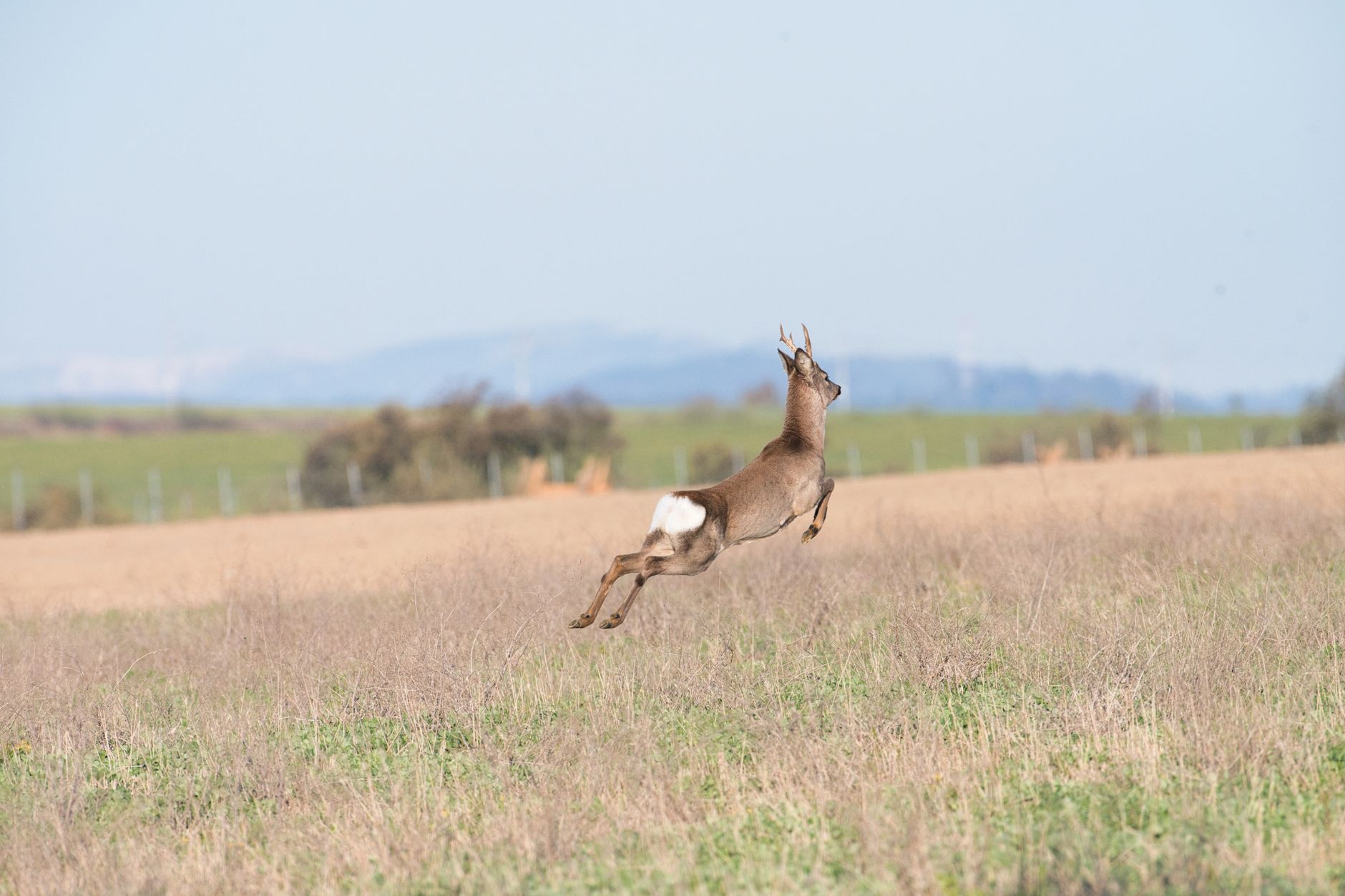
Can Deer Jump a 5 Foot Fence? Exploring the Leaping Abilities of Cervidae
Yes, a deer can jump a 5 foot fence, and in many cases, even higher. This ability significantly impacts how we protect our gardens and properties from these often-unwanted visitors.

Understanding the jumping capabilities of deer is crucial for anyone living in deer-populated areas. While their graceful appearance might suggest otherwise, deer are surprisingly athletic and possess remarkable jumping abilities. This article will delve into the factors that influence how high a deer can jump, exploring the science behind their leaps, the dangers they face when jumping, and practical strategies for keeping them out of your yard.
The Anatomy and Physiology of Deer Jumping
Deer have evolved to be agile creatures, and their anatomy is specifically adapted for jumping. Several key features contribute to their impressive vertical leap:
- Powerful Hind Legs: Deer possess long and muscular hind legs, providing the primary force behind their jumps. The structure of their leg muscles allows for a powerful push-off.
- Flexible Spine: A flexible spine enables deer to arch their backs and propel themselves upward with greater force. This flexibility contributes to both height and distance in their jumps.
- Lightweight Build: Compared to other animals of similar size, deer have a relatively lightweight build. This reduced body mass makes it easier for them to achieve significant height.
- Specialized Joints: Their joints, especially in their legs and ankles, allow for a wide range of motion and efficient transfer of energy during the jumping process. These joints act like shock absorbers to cushion the impact of landing.

What colours are fish most attracted to?
Can you put your finger in a trout's mouth?
Is methylene blue anti bacterial?
Does aquarium salt raise pH in aquarium?
Factors Influencing Jump Height
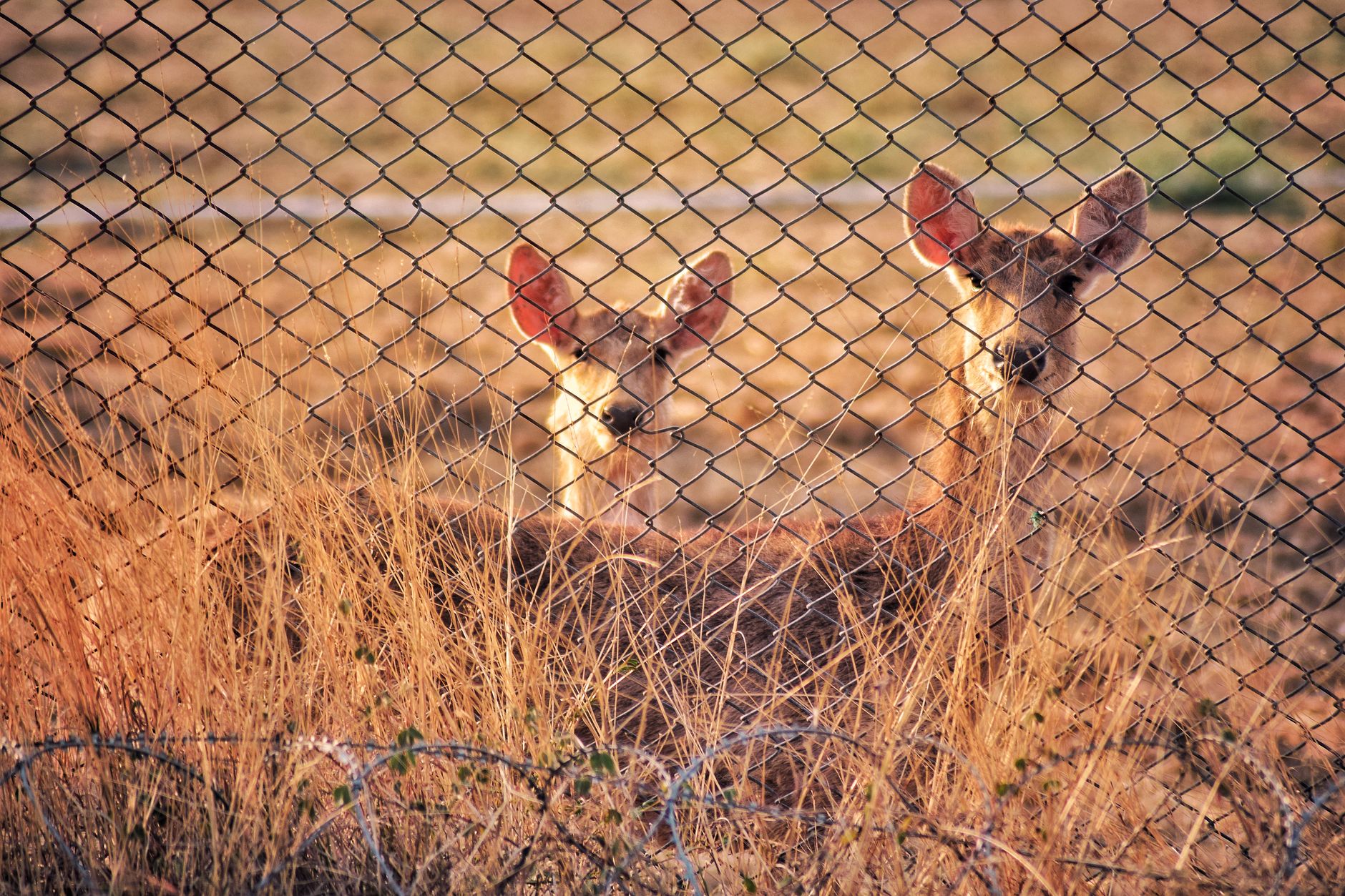
While deer can generally clear a 5-foot fence, several factors can influence their actual jumping height in any given situation. Understanding these factors is vital for effective deer management.
- Motivation: A deer’s motivation to jump plays a significant role. If a food source is highly desirable, they are more likely to put in the effort required to clear a higher fence.
- Age and Health: Younger, healthier deer are generally capable of jumping higher than older, weaker, or injured individuals. Optimal physical condition is a pre-requisite for peak performance.
- Obstacles and Terrain: The presence of other obstacles near the fence (e.g., trees, rocks) can either aid or hinder a deer’s jump. Also, uneven or slippery terrain can negatively affect their ability to generate force.
- Familiarity: Deer tend to be more cautious when encountering unfamiliar obstacles. They are more likely to attempt a jump over a familiar fence compared to one they have never seen before.
The Dangers of Jumping
Although deer are skilled jumpers, the act of jumping itself is not without its risks. Mishaps can lead to injuries or even death.
- Impact Injuries: Landing incorrectly after a jump can result in sprains, fractures, or more severe injuries. The impact force can be significant, especially from greater heights.
- Fence Entanglement: Deer can become entangled in fences, particularly those with small openings or loose wires. This can lead to injuries, starvation, or vulnerability to predators.
- Predator Exposure: When a deer jumps, it is momentarily vulnerable to predators. This brief period of reduced mobility presents an opportunity for attack.
- Misjudging Distances: Deer can sometimes misjudge the height or distance required to clear a fence, resulting in a failed jump and potential injury.
Effective Strategies for Deterring Deer
Since Can a deer jump a 5 foot fence? The answer is yes, you need other strategies besides low fencing. Protecting your property from deer requires a multifaceted approach. Here are some proven methods:
- High Fencing: An 8-foot tall fence is generally considered the most effective way to exclude deer completely. Use woven wire or high-tensile wire fencing for maximum durability.
- Electric Fencing: Electric fences provide a mild shock that deters deer from approaching the barrier. Strategic placement and proper maintenance are essential for effectiveness.
- Deer-Resistant Plants: Choosing plants that deer find unpalatable can significantly reduce browsing. Consider using thorny, aromatic, or toxic plant species.
- Repellents: Deer repellents come in various forms, including sprays, granules, and electronic devices. Rotate repellent types regularly to prevent deer from becoming accustomed to them.
- Motion-Activated Sprinklers/Lights: These devices startle deer and discourage them from entering your property. They are particularly effective in areas with high deer traffic.
| Deterrent Method | Effectiveness | Cost | Maintenance | Considerations |
|---|---|---|---|---|
| 8-Foot Fence | High | High | Moderate | Requires proper installation and occasional repairs |
| Electric Fence | Moderate | Moderate | High | Needs regular voltage checks and weed control |
| Deer-Resistant Plants | Moderate | Low-Mod | Low | Plant selection depends on local climate |
| Repellents | Low-Mod | Low | High | Needs frequent reapplication, especially after rain |
| Motion-Activated Devices | Moderate | Moderate | Low | Battery replacement or power source required |
Frequently Asked Questions (FAQs)
What is the highest documented jump by a deer?
While precise records are scarce, anecdotal evidence suggests that deer can jump as high as 8 feet in extreme circumstances. However, jumps of this magnitude are rare, and a 5-6 foot jump is more common for adult deer.
Are some deer breeds better jumpers than others?
Yes, there are subtle differences between deer breeds regarding their jumping abilities. For instance, Whitetail deer are renowned for their vertical leaping prowess, whereas Mule deer might exhibit slightly less agility.
Does the time of year affect a deer’s jumping ability?
Yes, deer jumping can be impacted by the season. During the rut (mating season), deer might be more motivated to jump fences in pursuit of a mate. In winter, the snow depth can also influence their jumping height.
How does snow depth affect deer jumping ability?
Snow depth can both help and hinder a deer’s jumping capability. In some instances, packed snow can provide a boost, allowing them to clear obstacles they might otherwise struggle with. However, deep, powdery snow can exhaust them and reduce their jumping range.
Do deer prefer to jump or go under fences?
Deer generally prefer to jump over fences rather than attempt to go under them. However, they may try to squeeze under a fence if the opening is large enough and they feel threatened. The type of fencing also plays a crucial role.
Are deer more likely to jump fences during the day or at night?
Deer are typically more active at dawn and dusk, making these times prime for jumping over fences. However, they might also jump fences during the day or night if they are startled or motivated by food.
What kind of fence is the most difficult for deer to jump?
An 8-foot tall, woven wire fence with small openings is generally the most effective barrier against deer. Electric fences, especially multi-strand versions, can also be highly effective.
Will adding a visual barrier to a fence deter deer from jumping?
Yes, a visual barrier can deter deer from jumping. Adding a second fence a few feet away from the original can disrupt their depth perception and discourage jumping. Visual cues like flagging tape can also be effective.
Can a deer jump a fence with an angled top?
Angled or slanted fencing can sometimes deter deer because it disrupts their takeoff trajectory. However, the effectiveness of this design depends on the angle and the height of the fence.
How do I prevent deer from jumping my garden fence?
- Ensure the fence is at least 8 feet high if possible.
- Use a combination of deterrents, such as repellents and motion-activated sprinklers.
- Plant deer-resistant species in your garden.
- Regularly inspect and maintain your fence for any breaches.
Are there any ethical considerations when trying to deter deer?
It’s essential to use humane methods when deterring deer. Avoid using any deterrents that could harm or injure them. Focusing on prevention is more ethical than attempting to trap or relocate deer.
What role does habitat management play in reducing deer-related problems?
Managing the habitat surrounding your property can significantly reduce deer pressure. Reducing food sources, creating natural barriers, and encouraging predators can all help to keep deer away.