

What is the Lifespan of a Lion in the Wild? Exploring a King’s Reign
The lifespan of a lion in the wild typically ranges from 10 to 14 years, though factors like habitat, hunting success, and social structure significantly impact individual longevity.
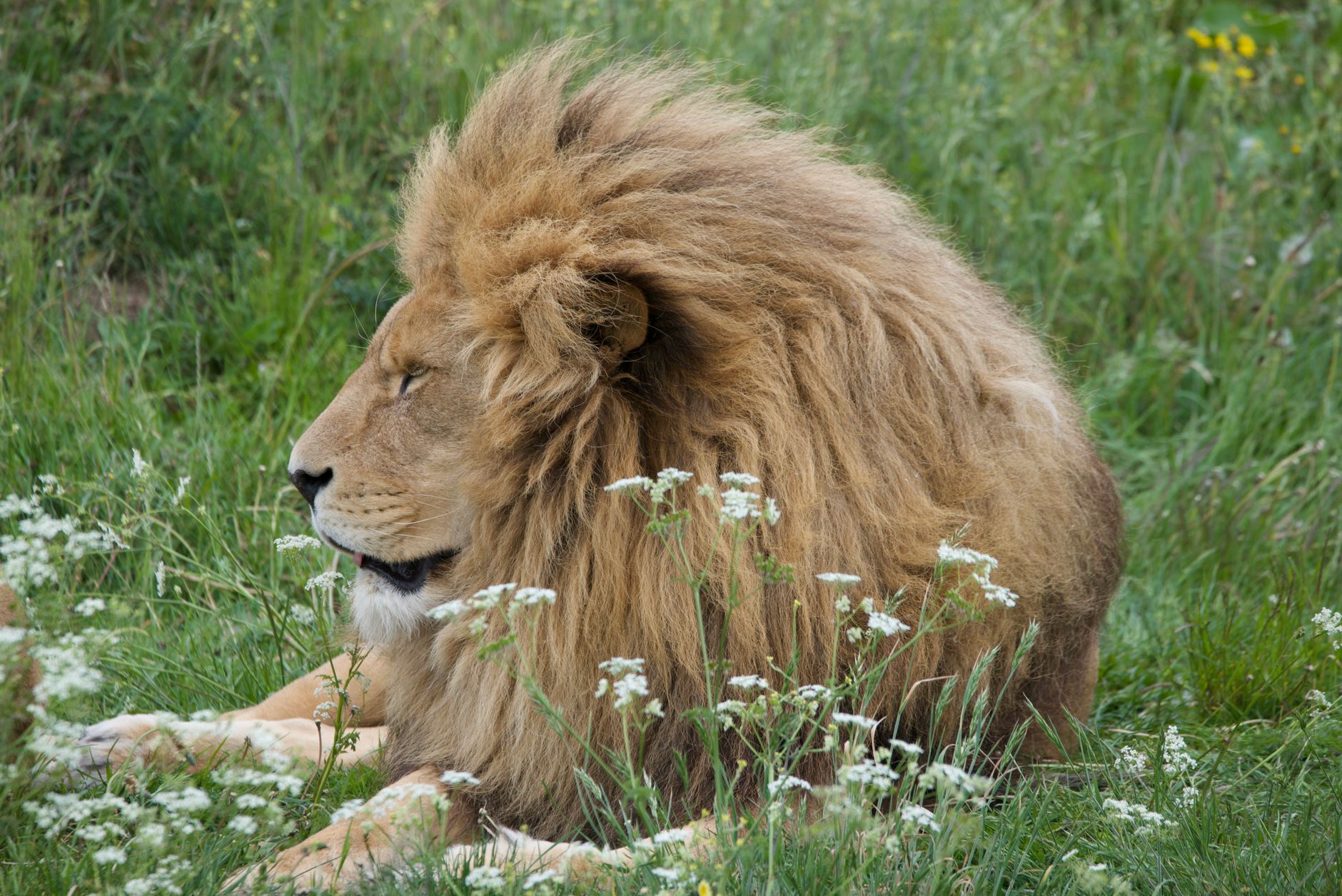
Introduction: A Lion’s Life in the Wild
Lions, the apex predators of the African savanna, are magnificent creatures whose lives are fraught with challenges. Their existence in the wild is a constant struggle for survival, dictated by competition for resources, the threat of human encroachment, and the inherent dangers of their environment. Understanding what is the lifespan of a lion in the wild? requires considering these multifaceted factors. The question goes beyond mere years; it encompasses the quality of life, the struggles faced, and the environmental forces that shape their very existence.
What colours are fish most attracted to?
Can you put your finger in a trout's mouth?
Is methylene blue anti bacterial?
Does aquarium salt raise pH in aquarium?
The Critical Years: Cub Survival

A lion’s life begins with considerable vulnerability. Cub mortality rates are high, often exceeding 50% within the first two years. Several factors contribute to this grim statistic:
- Predation: Hyenas, leopards, and even other lions pose a threat to young cubs.
- Starvation: Dependent on their mothers for sustenance, cubs are vulnerable during periods of scarcity or when their mothers are injured or killed.
- Disease: Like all animals, lions are susceptible to various diseases, which can be particularly devastating to young, immunologically naive individuals.
- Infanticide: Male lions, upon taking over a pride, often kill existing cubs to bring the females into estrus and sire their own offspring.
Adulthood: Challenges and Triumphs
Once a lion reaches adulthood, around 3-4 years of age, its chances of survival increase, but life remains far from easy.
- Hunting: Lions are primarily predators, relying on their hunting skills to obtain food. Injuries sustained during hunts can be debilitating and potentially fatal. Successful hunting requires coordination and cooperation within the pride, but even then, prey animals can be formidable adversaries.
- Territoriality: Lions are fiercely territorial, and conflicts with rival prides are common. These battles can result in serious injuries and even death. Male lions are particularly vulnerable during these encounters.
- Competition: The African savanna is a competitive environment, with numerous predators vying for the same resources. Lions must compete with hyenas, wild dogs, and other carnivores for access to prey.
- Human-Wildlife Conflict: As human populations expand, lions are increasingly coming into conflict with humans. Habitat loss, poaching, and retaliatory killings by farmers pose significant threats to lion populations.
Environmental Factors Influencing Lifespan
The environment plays a critical role in determining what is the lifespan of a lion in the wild? Availability of prey, climate, and the presence of disease all impact survival rates.
- Prey Abundance: Regions with abundant prey, such as the Serengeti, tend to support larger lion populations and allow individuals to live longer.
- Habitat Degradation: Deforestation and land conversion for agriculture reduce available habitat and lead to increased competition for resources, shortening lifespans.
- Climate Change: Altered rainfall patterns can impact prey migration and availability, affecting lion populations.
- Disease Outbreaks: Outbreaks of diseases like canine distemper can decimate lion populations and reduce the overall lifespan.
Gender Differences in Lifespan
There are notable differences in lifespan between male and female lions. Female lions generally live longer than males, typically reaching 15-16 years in the wild, compared to the average male lifespan of 10-14 years. This disparity is primarily due to the different roles males and females play within the pride. Males are responsible for defending the territory and fighting off rivals, making them more susceptible to injuries and death. Females, on the other hand, focus on hunting and raising cubs.
Comparing Wild vs. Captive Lifespan
Lions in captivity generally live longer than their wild counterparts, often reaching 20 years or more. This increased lifespan is primarily due to:
- Consistent Food Supply: Captive lions are provided with a regular and reliable food source, eliminating the need to hunt and reducing the risk of starvation.
- Veterinary Care: Access to veterinary care allows for the prompt treatment of injuries and diseases, improving overall health and longevity.
- Protection from Predators and Rivals: Captive lions are protected from predators and rival prides, eliminating the risk of territorial disputes and infanticide.
- Controlled Environment: Captive environments can be carefully controlled to minimize stress and provide optimal conditions for health and well-being.
Table Comparing Wild and Captive Lion Lifespans
| Feature | Wild Lions | Captive Lions |
|---|---|---|
| Average Lifespan | 10-14 years | 20+ years |
| Food Supply | Inconsistent, reliant on hunting | Consistent, provided by caretakers |
| Veterinary Care | Limited or nonexistent | Readily available |
| Threats | Predators, rivals, human conflict | Minimal |
| Environmental Stress | High | Low |
Conservation Efforts and Their Impact on Lion Lifespan
Conservation efforts play a critical role in protecting lion populations and improving their lifespans. These efforts include:
- Habitat Protection: Establishing and maintaining protected areas, such as national parks and reserves, provides lions with safe havens and reduces the risk of habitat loss.
- Anti-Poaching Measures: Combating poaching helps to protect lions from illegal hunting and ensures the survival of breeding individuals.
- Human-Wildlife Conflict Mitigation: Implementing strategies to reduce conflict between humans and lions, such as livestock protection programs, can help to prevent retaliatory killings.
- Community Engagement: Working with local communities to promote conservation and sustainable land management practices can create a more harmonious coexistence between humans and lions.
The success of these conservation efforts will ultimately determine what is the lifespan of a lion in the wild? in the future.
Frequently Asked Questions (FAQs) about Lion Lifespans
What is the maximum lifespan of a lion in the wild?
While the average lifespan falls between 10-14 years, some exceptional lions in the wild can live up to 15 or 16 years, although this is rare and usually observed in females due to their less confrontational roles.
Do male lions live longer in prides with strong coalitions?
Yes, male lions in prides with strong coalitions tend to live longer. These coalitions offer better defense against rival males and increase their chances of holding territory, resulting in fewer injuries and a more secure food supply.
How does diet affect a lion’s lifespan?
A consistent and nutritious diet is crucial for a lion’s health and longevity. Lions that have access to abundant prey and are able to maintain a healthy weight are more likely to live longer. Malnutrition weakens the immune system and makes them more susceptible to disease.
What diseases commonly affect lion lifespan?
Lions are susceptible to several diseases that can shorten their lifespan, including canine distemper, tuberculosis (TB), and feline immunodeficiency virus (FIV). Outbreaks of these diseases can significantly impact lion populations.
How does human encroachment affect lion lifespan?
Human encroachment negatively impacts lion lifespan through habitat loss, increased conflict, and poaching. As humans encroach on lion habitats, lions are forced to compete for dwindling resources, leading to increased mortality.
What is the role of the pride in determining lion lifespan?
The pride plays a vital role in a lion’s survival. Lions living in well-established prides with strong social bonds and cooperative hunting strategies are more likely to thrive and live longer.
At what age are lions most vulnerable?
Lions are most vulnerable as cubs, with a high mortality rate during the first two years of life. This is due to predation, starvation, disease, and infanticide.
What factors contribute to the high cub mortality rate?
Several factors contribute to the high cub mortality rate, including predation by hyenas, leopards, and other lions, starvation, disease, and infanticide by new male pride leaders.
How do climate change and drought affect lion lifespan?
Climate change and drought can significantly impact lion lifespan by reducing prey availability and increasing competition for resources. Droughts can lead to malnutrition and weaken lions, making them more susceptible to disease and predation.
Are there any specific lion subspecies with different lifespans?
While there are different regional populations of lions, there isn’t concrete evidence of significant differences in lifespan between subspecies. Environmental factors and individual health play a much larger role.
What is being done to improve lion lifespans in the wild?
Conservation efforts aimed at habitat protection, anti-poaching measures, and human-wildlife conflict mitigation are crucial for improving lion lifespans in the wild.
Can injured lions survive long in the wild?
Injured lions often have a significantly reduced lifespan in the wild. Injuries sustained during hunts or territorial disputes can make it difficult to hunt and defend themselves, leading to starvation or vulnerability to predators.