

What Fish Like Tannins? Exploring the World of Blackwater Aquariums
Several species of fish thrive in tannin-rich environments, particularly those native to blackwater habitats, where the tannins offer numerous benefits by replicating their natural ecosystems.
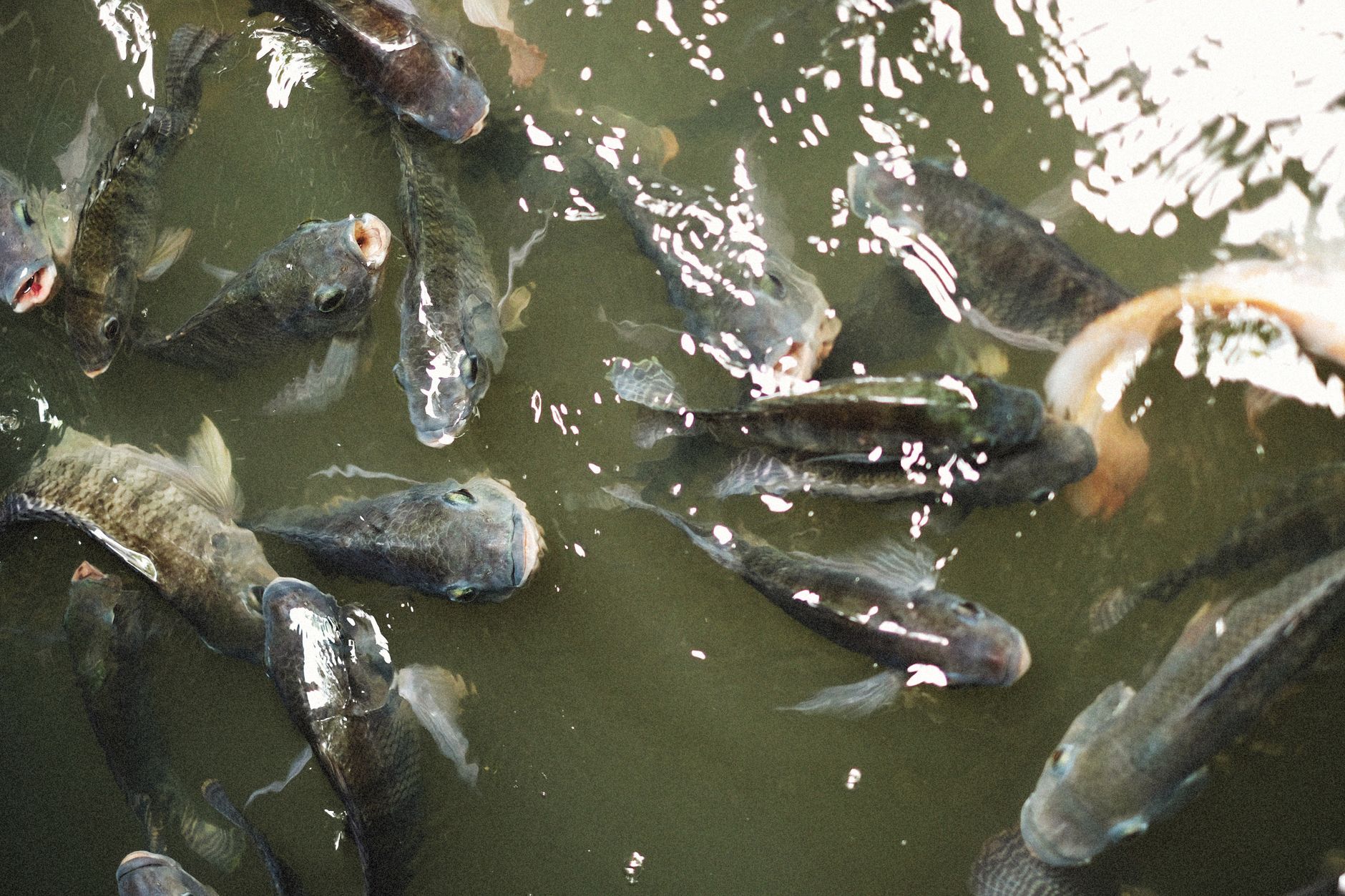
The appeal of a pristine, crystal-clear aquarium is undeniable, but for certain fish species, a different environment reigns supreme: the blackwater aquarium, characterized by its tea-colored water stained by tannins. These fascinating compounds, released by decaying organic matter, create a unique habitat that many fish not only tolerate but actively prefer. Understanding what fish like tannins is crucial for providing them with optimal care and replicating their natural environment within your home aquarium.
The Origins of Tannins: Blackwater Habitats
The story of tannins begins in the rainforests and swamps of South America, Southeast Asia, and Africa. Here, decaying leaves, wood, and other plant matter release humic substances, including tannins, into the water. This process creates what we know as blackwater habitats.
- Key characteristics of blackwater habitats:
- Low pH (often between 4.5 and 6.5)
- Low mineral content
- Dark, tea-colored water due to tannins
- Soft water (low hardness)
- Dimly lit environment
Are fish heads good for the garden?
Can fish hear water?
What is cotton rot in fish?
What colours are fish most attracted to?
Benefits of Tannins for Fish

So, what fish like tannins and why? The answer lies in the myriad of benefits these compounds offer. For species adapted to blackwater environments, tannins are not just a tolerated presence, but a vital component of their well-being.
-
Reduced Stress: Tannins can help to lower stress levels in fish. They have been shown to reduce cortisol levels, a key stress hormone. The darkened water also provides a sense of security, mimicking the shaded conditions of their natural habitats.
-
Disease Prevention: Tannins possess antifungal and antibacterial properties. This helps to protect fish from various diseases, particularly during vulnerable periods such as acclimation or breeding.
-
Natural Water Chemistry: Tannins contribute to the natural acidification and softening of water, mimicking the conditions these fish have evolved to thrive in.
-
Enhanced Coloration: In some fish, tannins can enhance their natural coloration. This is particularly noticeable in species with vibrant patterns or iridescent scales.
-
Breeding Stimulation: For certain fish species, the presence of tannins can trigger breeding behavior. The softened water and natural compounds can create the ideal conditions for spawning.
Species that Thrive in Tannin-Rich Environments
While not all fish require tannins, certain species are particularly well-suited to blackwater aquariums. Here are some examples of what fish like tannins:
-
South American Dwarf Cichlids: Apistogramma species, such as Apistogramma cacatuoides and Apistogramma agassizii, are commonly found in blackwater habitats. They thrive in the soft, acidic water and appreciate the cover provided by leaf litter.
-
Tetras: Many tetra species, including Cardinal Tetras (Paracheirodon axelrodi), Ember Tetras (Hyphessobrycon amandae), and Black Skirt Tetras (Gymnocorymbus ternetzi), originate from blackwater rivers and benefit from the presence of tannins.
-
Hatchetfish: These unique fish, known for their distinctive body shape, often inhabit blackwater environments.
-
Corydoras Catfish: Several Corydoras species are adaptable to tannin-rich water, though specific requirements vary.
-
Gouramis: Some dwarf gouramis prefer waters rich with tannins, and it’s known to make their colours more vibrant and the fish more relaxed.
-
Discus: As discussed, the Discus fish are especially well adapted to waters containing high levels of tannins
| Fish Species | Preferred Tannin Level | Water Parameters | Notes |
|---|---|---|---|
| Apistogramma cacatuoides | Moderate | pH 5.5-6.5, GH 1-5 | Sensitive to water quality changes; benefits from leaf litter |
| Paracheirodon axelrodi | Low to Moderate | pH 6.0-7.0, GH 1-8 | Schooling fish; requires stable water conditions |
| Hyphessobrycon amandae | Low to Moderate | pH 6.0-7.0, GH 1-10 | Small and peaceful; appreciates dimmed lighting |
| Gymnocorymbus ternetzi | Low to Moderate | pH 6.0-7.5, GH 5-12 | Hardy and adaptable; can be nippy towards slow-moving fish |
Creating a Blackwater Aquarium
Recreating a blackwater environment is achievable with the right knowledge and resources. Here are the steps involved:
- Substrate: Use a substrate that will not significantly alter the pH or hardness of the water. Inert substrates like sand or gravel are suitable.
- Source of Tannins: Introduce tannins using natural materials such as:
- Indian Almond Leaves (IAL)
- Alder Cones
- Driftwood (e.g., Mopani wood)
- Commercial tannin extracts
- Water Chemistry: Monitor and adjust the water parameters to maintain a low pH and soft water. Regular water changes with RO/DI water are often necessary.
- Filtration: Use a filter that can handle the organic load produced by decaying leaves. A canister filter or sponge filter is recommended.
- Lighting: Provide subdued lighting to mimic the dimly lit environment of blackwater habitats.
- Maintenance: Regularly replace decaying leaves and monitor water parameters to ensure stability.
Common Mistakes to Avoid
-
Overdoing Tannins: Adding too many tannins too quickly can drastically lower the pH and harm fish. Start slowly and gradually increase the tannin concentration.
-
Ignoring Water Changes: Even with tannins, regular water changes are crucial to remove accumulated waste and maintain water quality.
-
Using the Wrong Substrate: Some substrates can buffer the pH and prevent it from lowering as intended. Choose an inert substrate that will not interfere with the water chemistry.
-
Introducing Fish Too Soon: Allow the blackwater environment to stabilize before introducing fish. This gives the beneficial bacteria time to colonize and the water parameters to settle.
Frequently Asked Questions (FAQs)
What exactly are tannins?
Tannins are a group of complex, naturally occurring polyphenolic compounds found in plants. They are released into the water as organic matter decays and are responsible for the characteristic tea-colored appearance of blackwater environments. They are often used in leather tanning, which is where the term “tannin” comes from.
Are tannins harmful to all fish?
No, tannins are not inherently harmful. In fact, as described above, certain fish species thrive in tannin-rich environments. However, fish not adapted to acidic, soft water may be stressed by high tannin concentrations. The amount of tannins in an aquarium must be appropriate for the species kept.
Can I use tea bags to add tannins to my aquarium?
While some aquarists use rooibos tea bags, it’s generally not recommended due to potential additives and unpredictable effects on water chemistry. It’s best to stick with natural sources like Indian Almond Leaves or commercial tannin extracts for better control.
How do I control the tannin level in my aquarium?
The tannin level can be controlled by adjusting the amount of tannin-releasing materials added to the tank. Regularly testing the water pH and KH (carbonate hardness) is essential. Water changes will also help to dilute the concentration of tannins.
Can tannins lower the pH too much?
Yes, tannins can lower the pH significantly, especially in water with low KH (carbonate hardness). This is why it’s crucial to monitor the pH and KH regularly and adjust the amount of tannins accordingly.
How often should I replace Indian Almond Leaves (IAL)?
Indian Almond Leaves should be replaced every 2-4 weeks as they decompose and release tannins. The frequency depends on the size of the leaf and the water volume. The leaves will eventually break down and should be removed to prevent excessive organic build-up.
Will tannins stain my aquarium decorations?
Yes, tannins can stain decorations, rocks, and even the silicone sealant of your aquarium over time. This is a natural process and is often considered part of the aesthetic appeal of a blackwater aquarium.
Do tannins affect the effectiveness of medications?
Yes, tannins can interfere with the effectiveness of some medications. It’s generally recommended to remove tannin-releasing materials from the aquarium when treating fish with medication.
Are tannins good for plants in the aquarium?
The impact of tannins on plants is species-dependent. Some plants, such as those native to blackwater environments, may benefit from the presence of tannins. Others may be less tolerant of the low pH and softened water.
Can I mix fish that like tannins with fish that don’t?
It is generally not recommended to mix fish with vastly different water parameter requirements. If you want to keep fish that prefer different water conditions, it’s best to set up separate aquariums that meet each species’ needs. Some fish are more adaptable than others, so research the needs of your specific fish.
Where can I buy Indian Almond Leaves (IAL) and other tannin-releasing products?
Indian Almond Leaves and other tannin-releasing products are widely available at aquarium stores and online retailers. Be sure to purchase from reputable sources to ensure the quality and safety of the products.
Can I use peat moss as a source of tannins?
Peat moss can be used, but it is often associated with environmental concerns due to its unsustainable harvesting. Other sustainable options like IAL and alder cones are generally preferred. Also, peat moss can significantly acidify water, so caution is advised.