

What is the Lifespan of a Comet Fish?
The lifespan of a comet fish is typically 5-10 years, but with optimal care and environmental conditions, they can live even longer.

Introduction to Comet Fish
Comet goldfish, Carassius auratus comet, are a popular and relatively hardy variety of goldfish known for their long, flowing tails and vibrant coloration. Understanding the factors that influence their lifespan is crucial for any fishkeeper hoping to provide them with a long and happy life. While the average lifespan hovers around 5-10 years, some individuals can surpass this, reaching ages of 14 years or even older with dedicated care. The quality of water, the diet they consume, and the presence or absence of disease significantly impact their longevity.
Are fish heads good for the garden?
Can fish hear water?
What is cotton rot in fish?
What colours are fish most attracted to?
Factors Influencing Comet Fish Lifespan
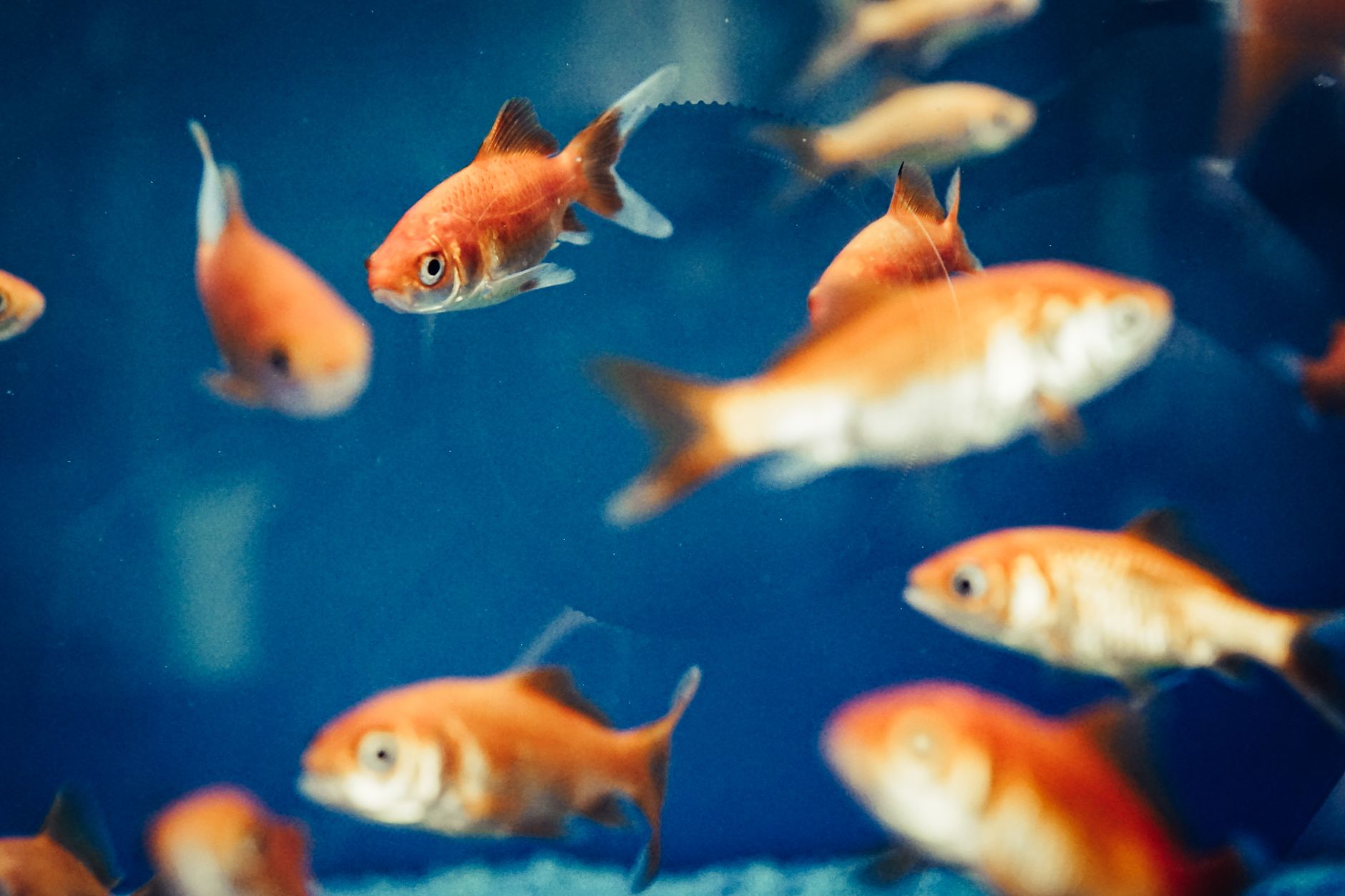
Several key factors directly contribute to the lifespan of a comet fish. A holistic approach to their care, addressing all these areas, is essential for maximizing their potential lifespan.
- Water Quality: Maintaining pristine water conditions is paramount. Goldfish are notorious for producing a lot of waste, which can quickly pollute the water with ammonia, nitrites, and nitrates.
- Tank Size and Filtration: Adequate space and proper filtration are non-negotiable.
- Diet: A balanced and varied diet contributes significantly to their health and longevity.
- Tank Mates: Carefully selecting compatible tank mates is crucial to avoid stress and competition for resources.
- Disease Prevention and Treatment: Proactive measures to prevent disease and prompt treatment when illness arises are vital.
Creating the Ideal Environment
The environment in which a comet fish lives plays a significant role in determining how long they live. A well-maintained aquarium, with attention paid to every detail, sets the stage for a healthy and long life.
- Tank Size: A single comet fish requires at least a 30-gallon tank. Larger is always better, especially if you plan to keep multiple fish.
- Filtration: A robust filtration system is essential to remove waste products and maintain water clarity. Canister filters are often recommended for larger goldfish tanks.
- Water Changes: Regular partial water changes (25-50% weekly) are crucial to remove accumulated nitrates and replenish essential minerals.
- Temperature: Comet goldfish thrive in cooler water temperatures, ideally between 65-72°F (18-22°C).
- Substrate: Use a smooth substrate like large gravel or sand to prevent injury.
- Decorations: Provide ample swimming space and avoid sharp decorations that could damage their fins.
Nutritional Needs of Comet Fish
Proper nutrition is fundamental to the health and longevity of a comet fish. A balanced diet should consist of high-quality goldfish flakes or pellets, supplemented with live or frozen foods and vegetables.
- Goldfish Flakes/Pellets: Choose a reputable brand that contains essential vitamins and minerals.
- Live/Frozen Foods: Offer occasional treats of bloodworms, daphnia, or brine shrimp.
- Vegetables: Supplement their diet with blanched vegetables like peas, spinach, or zucchini. These provide essential fiber and prevent constipation.
- Feeding Frequency: Feed them small amounts 2-3 times per day, only what they can consume in a few minutes. Overfeeding is a common cause of health problems.
Common Mistakes That Shorten Lifespan
Many common mistakes can inadvertently shorten the lifespan of a comet fish. Awareness and avoidance of these pitfalls are crucial for their well-being.
- Overcrowding: Overstocking the tank leads to poor water quality and increased stress.
- Overfeeding: Excessive feeding contributes to water pollution and obesity.
- Poor Water Quality: Neglecting water changes and failing to maintain adequate filtration results in toxic water conditions.
- Incompatible Tank Mates: Housing comet goldfish with aggressive or fin-nipping fish can cause stress and injury.
- Lack of Quarantine: Introducing new fish without quarantining them first can introduce diseases into the tank.
| Mistake | Consequence | Prevention |
|---|---|---|
| Overcrowding | Increased stress, disease | Larger tank, fewer fish |
| Overfeeding | Poor water quality, obesity | Smaller portions, controlled feeding |
| Poor Water | Toxicity, disease | Regular water changes, proper filtration |
| Bad Tank Mates | Stress, injury | Research compatibility, avoid aggressive fish |
| No Quarantine | Disease outbreak | Isolate new fish for 4-6 weeks |
Recognizing and Treating Common Diseases
Comet goldfish are susceptible to various diseases, including ich (white spot disease), fin rot, and swim bladder disorder. Early detection and treatment are essential for preventing serious complications and ensuring their survival.
- Ich (White Spot Disease): Characterized by small white spots on the body and fins. Treat with medication containing malachite green or copper sulfate.
- Fin Rot: Presents as ragged or decaying fins. Improve water quality and treat with antibacterial medication.
- Swim Bladder Disorder: Causes difficulty swimming and maintaining balance. Adjust the diet and water temperature.
- Fungal Infections: Appear as cotton-like growths on the body. Treat with antifungal medication.
Frequently Asked Questions (FAQs)
What is the ideal tank size for a comet goldfish?
A single comet fish requires a minimum of 30 gallons of water. Larger tanks are always preferable, as they provide more swimming space and help to maintain stable water conditions. If you plan to keep multiple goldfish, you will need to increase the tank size accordingly, adding approximately 10-15 gallons per additional fish.
How often should I perform water changes in my comet goldfish tank?
Regular water changes are essential for maintaining good water quality. A good rule of thumb is to perform a 25-50% water change weekly. However, the frequency and volume of water changes may need to be adjusted depending on the size of the tank, the number of fish, and the effectiveness of the filtration system.
What is the best diet for a comet goldfish?
A balanced diet is crucial for the health and longevity of your comet fish. The primary diet should consist of high-quality goldfish flakes or pellets, supplemented with occasional treats of live or frozen foods (like bloodworms or daphnia) and blanched vegetables (like peas or spinach). Ensure the food is appropriately sized for your fish to prevent choking.
Can comet goldfish live with other types of fish?
While comet fish are generally peaceful, it’s important to choose tank mates carefully. Avoid housing them with aggressive or fin-nipping fish, as this can cause stress and injury. Good tank mates include other goldfish varieties (such as shubunkins or wakin) and some peaceful bottom-dwelling fish (like corydoras catfish).
What are the signs of a healthy comet goldfish?
A healthy comet fish will be active, have bright colors, and swim normally. Their fins should be intact and free of damage, and they should eat readily. Watch for any signs of illness, such as lethargy, loss of appetite, cloudy eyes, or unusual swimming behavior.
What temperature range is best for comet goldfish?
Comet goldfish thrive in cooler water temperatures, ideally between 65-72°F (18-22°C). Avoid exposing them to sudden temperature fluctuations, as this can stress their immune system and make them more susceptible to disease.
How can I prevent diseases in my comet goldfish tank?
Preventing diseases is always better than treating them. Maintain excellent water quality through regular water changes and proper filtration. Provide a balanced diet and avoid overcrowding the tank. Quarantine any new fish for 4-6 weeks before introducing them to the main tank.
What is swim bladder disorder and how can I treat it?
Swim bladder disorder is a common ailment in goldfish that causes difficulty swimming and maintaining balance. It can be caused by overfeeding, constipation, or poor water quality. Treatment involves adjusting the diet, improving water quality, and potentially using medication prescribed by a veterinarian.
How often should I clean my comet goldfish tank?
Besides regular water changes, the frequency of tank cleaning depends on the size of the tank and the bioload. Gravel vacuuming should be done with each water change to remove debris. Full tank tear-downs are rarely needed and can disrupt the established beneficial bacteria colony. Focus on maintaining consistent water parameters.
Do comet goldfish need live plants in their tank?
Live plants can be a beneficial addition to a comet fish tank, as they help to oxygenate the water and provide a natural source of food. However, goldfish are notorious for eating plants, so choose hardy varieties that can withstand being nibbled on. Good options include Java fern, Anubias, and hornwort.
How do I know if my comet goldfish is stressed?
Stressed comet fish may exhibit several behavioral changes, including lethargy, hiding, loss of appetite, clamped fins (fins held close to the body), and increased susceptibility to disease. Identify and address the source of stress, whether it’s poor water quality, overcrowding, incompatible tank mates, or sudden changes in the environment.
What is the average cost of owning a comet goldfish over its lifespan?
The total cost of owning a comet fish can vary widely depending on the size of the tank, the quality of the equipment, and the cost of food and medications. Expect to spend at least several hundred dollars over the lifespan of the fish, considering the initial setup costs and ongoing maintenance expenses. Proper planning ensures you are ready to meet their needs.