
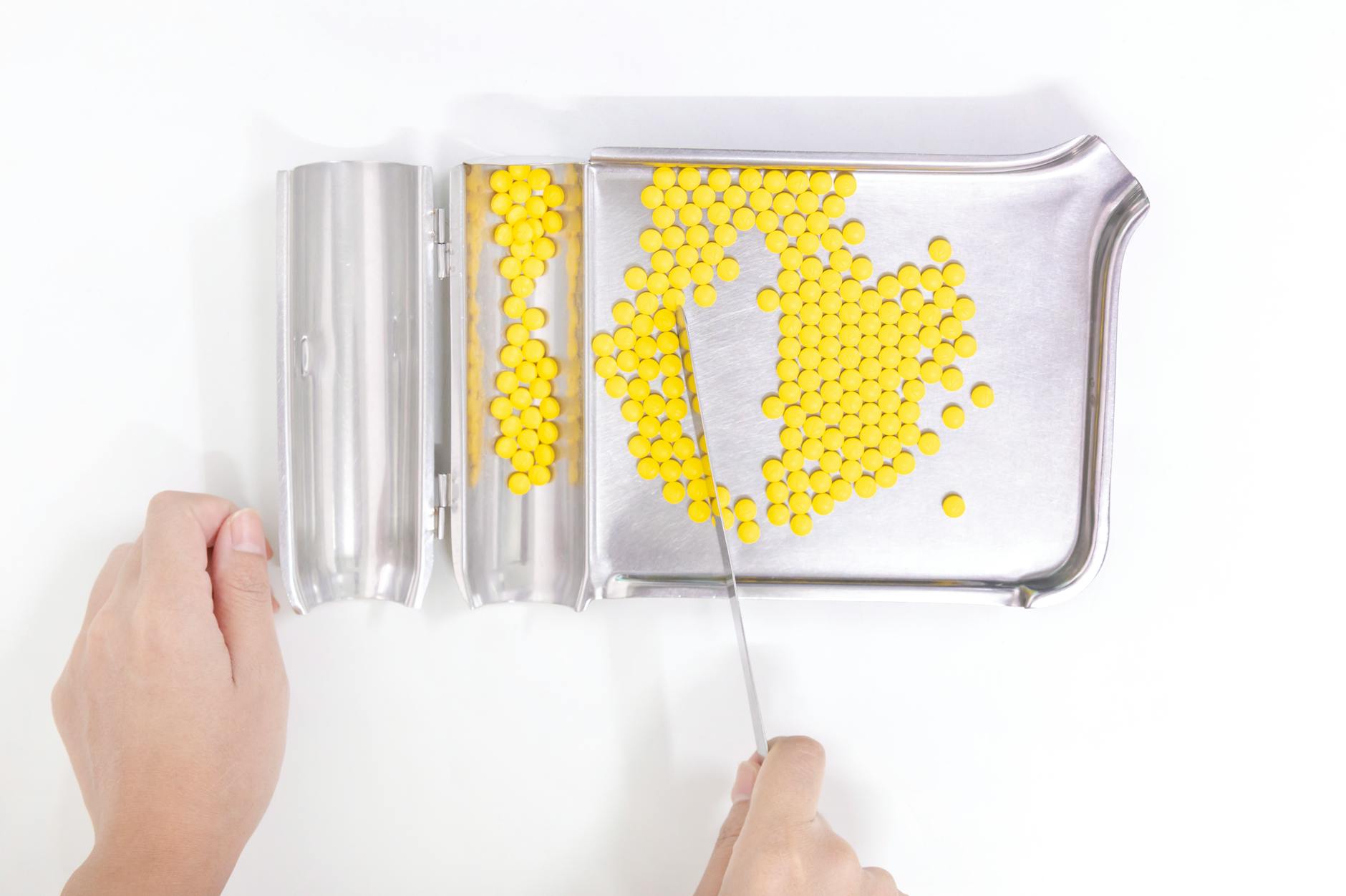
When Should You Not Crush Medication? Protecting Yourself and Your Health
Crushing medication seems convenient, but it can be dangerous for both the patient and the caregiver if done improperly; the decision of when should you not crush medication? is often crucial for maintaining treatment efficacy and preventing serious adverse events. In general, you should not crush extended-release, enteric-coated, sublingual, buccal, or cytotoxic medications.

Introduction: Understanding the Risks of Crushing Medication
Crushing medication might seem like a simple solution for individuals who have difficulty swallowing pills. However, the act of crushing alters the intended drug delivery mechanism, potentially leading to serious health consequences. Understanding when should you not crush medication? is paramount to ensuring patient safety and treatment effectiveness. This article will delve into the reasons why crushing certain medications is contraindicated, providing a comprehensive guide for patients, caregivers, and healthcare professionals.

What is the GREY African clawed frog?
Is distilled water good for goldfish?
What colours are fish most attracted to?
Can you put your finger in a trout's mouth?
Why Medication Form Matters: A Primer

Pharmaceutical companies formulate medications in specific ways to control how the drug is released and absorbed in the body. These formulations are designed to:
- Protect the drug from stomach acid.
- Release the drug at a specific location in the digestive tract.
- Provide a sustained or controlled release of the drug over time.
- Mask unpleasant tastes.
Crushing a medication disrupts these carefully engineered mechanisms, potentially leading to rapid drug release, decreased effectiveness, or increased risk of side effects.
Medications with Specific Release Mechanisms: Do Not Crush
Certain medication types are especially dangerous to crush. These include:
-
Extended-Release (ER) or Sustained-Release (SR) Medications: These are designed to release the drug slowly over a prolonged period. Crushing them releases the entire dose at once, leading to potentially toxic levels and adverse effects. Common abbreviations include ER, XR, XL, LA, CR, SR.
-
Enteric-Coated Medications: These have a special coating that prevents them from dissolving in the stomach, protecting the drug from stomach acid or protecting the stomach from the drug. Crushing them exposes the drug to stomach acid, potentially destroying the medication or irritating the stomach lining.
-
Sublingual and Buccal Medications: These are designed to be absorbed directly into the bloodstream through the tissues under the tongue (sublingual) or between the gum and cheek (buccal). Crushing and swallowing them bypasses this intended route of absorption and reduces their effectiveness.
-
Cytotoxic Medications: These are used in chemotherapy and other treatments for cancer and other conditions. Crushing them can expose caregivers to hazardous substances.
-
Capsules: While some capsules can be opened and sprinkled on food, never crush the contents if they contain extended-release granules or are enteric-coated.
Potential Consequences of Crushing the Wrong Medication
The consequences of crushing the wrong medication can be severe and include:
- Overdose: Rapid release of a large dose can lead to toxic levels in the blood and potentially life-threatening side effects.
- Underdose: Premature degradation of a drug in the stomach or improper absorption can render the medication ineffective.
- Increased Side Effects: Rapid absorption can overwhelm the body’s ability to process the drug, leading to amplified side effects.
- Drug Interactions: Altered absorption patterns can disrupt the intended interactions with other medications.
- Hazardous Exposure: Crushing cytotoxic drugs can expose caregivers to dangerous chemicals.
- Esophageal Damage: Some crushed medications can be caustic and damage the esophagus.
Alternatives to Crushing Medication
When swallowing pills is difficult, several alternatives exist that should be explored with a healthcare provider or pharmacist:
- Liquid Formulations: Many medications are available in liquid form.
- Chewable Tablets: Some medications come in chewable formulations.
- Dissolving Tablets: Some tablets dissolve quickly in the mouth.
- Medication Compounding: A pharmacist can compound a medication into a different form.
- Consult with a Doctor or Pharmacist: Discuss alternative formulations or medications with your healthcare provider.
Precautions When Crushing is Necessary
In some limited situations, crushing medication may be necessary and approved by a medical professional. If so, the following precautions should be taken:
- Consult with a Pharmacist: Confirm that the medication is safe to crush.
- Use a Pill Crusher: Use a dedicated pill crusher instead of improvising with household items.
- Crush One Pill at a Time: Avoid mixing different medications.
- Clean the Crusher Thoroughly: Wash the pill crusher after each use to prevent contamination.
- Mix with Food or Liquid: Mix the crushed medication with a small amount of soft food (applesauce, pudding) or liquid to ensure complete ingestion.
- Monitor for Adverse Effects: Watch for any unusual side effects and report them to a healthcare provider.
Common Mistakes to Avoid
- Assuming all pills are crushable: Never assume a medication is safe to crush without consulting a pharmacist or healthcare provider.
- Crushing multiple medications together: This can lead to drug interactions and make it difficult to identify the source of any adverse effects.
- Using household items to crush pills: This can lead to inaccurate dosing and contamination.
- Not mixing crushed medication thoroughly with food or liquid: This can result in incomplete ingestion and inaccurate dosing.
- Not monitoring for adverse effects: Failure to monitor for side effects can delay necessary interventions.
A Guide to Common Medication Abbreviations:
| Abbreviation | Meaning | Do Not Crush? |
|---|---|---|
| :———— | :————————- | :—————– |
| ER | Extended Release | Yes |
| XR | Extended Release | Yes |
| XL | Extended Release | Yes |
| SR | Sustained Release | Yes |
| LA | Long Acting | Yes |
| CR | Controlled Release | Yes |
| EC | Enteric Coated | Yes |
| SL | Sublingual | Yes |
| Buccal | Buccal | Yes |
| IR | Immediate Release | Usually Safe |
Frequently Asked Questions
When should you not crush medication? We’ve established that it’s dangerous in many circumstances, but let’s explore this further.
Is it safe to crush all immediate-release tablets?
While immediate-release tablets are generally safer to crush than extended-release or enteric-coated tablets, it’s still essential to consult with a pharmacist or healthcare provider before doing so. Some immediate-release tablets may have specific properties that make crushing inadvisable.
What should I do if a patient refuses to take their medication in its original form?
Attempting to reason with the patient is always the best course of action. Explain the dangers of crushing medication without professional guidance. If the patient continues to refuse, contact the prescribing physician or pharmacist to discuss alternative formulations or administration methods.
How can I tell if a medication is extended-release?
Look for abbreviations like ER, XR, XL, LA, CR, or SR on the medication label or packaging. If you are unsure, consult with a pharmacist.
Are there any medications that should always be crushed?
Generally, there are no medications that must be crushed unless specifically instructed by a doctor or pharmacist. Even if crushing is necessary, it should be done with caution and following proper procedures.
Can I crush a capsule?
It depends on the contents of the capsule. Some capsules contain powders or granules that can be safely sprinkled on food, while others contain extended-release or enteric-coated particles that should not be crushed. Consult with a pharmacist before opening or crushing any capsule.
What is the best way to crush a pill?
The best way to crush a pill is to use a dedicated pill crusher. These devices are designed to crush pills into a fine powder without creating dust or scattering medication. Clean the crusher thoroughly after each use to prevent contamination.
What should I do if I accidentally crushed a medication that I wasn’t supposed to?
Contact your healthcare provider or pharmacist immediately. They can assess the potential risks and provide guidance on what to do next. Depending on the medication, you may need to be monitored for adverse effects.
Can I mix crushed medication with any food or liquid?
It’s generally best to mix crushed medication with a small amount of soft food, such as applesauce or pudding, or a clear liquid, such as water or juice. Avoid mixing with acidic foods or liquids, as these can interact with some medications.
How can I prevent medication errors when crushing pills?
Double-check the medication name and dosage before crushing. Use a dedicated pill crusher and clean it thoroughly after each use. Avoid crushing multiple medications together. Monitor the patient for adverse effects.
Is it safe to crush medication for children?
Crushing medication for children should only be done under the guidance of a pediatrician or pharmacist. Children are more susceptible to the effects of medication errors, so it’s especially important to be cautious.
Where can I find more information about safe medication practices?
Consult with your healthcare provider or pharmacist. Reliable online resources include the FDA, the National Institutes of Health (NIH), and reputable medical websites.
What about compounding medications?
Compounding is a great option when a standard dose isn’t suitable, or a liquid formulation is unavailable. A pharmacist can create a personalized medication tailored to the individual’s needs. However, it’s essential to use a reputable compounding pharmacy to ensure the quality and safety of the medication.
By understanding when should you not crush medication? and adhering to safe medication practices, you can protect yourself and your loved ones from potential harm. Always consult with a healthcare professional for personalized advice and guidance.