

What is the Jellyfish of Antarctica? Exploring the Gelatinous Wonders of the Southern Ocean
The jellyfish of Antarctica refers to a diverse group of gelatinous zooplankton adapted to the frigid waters of the Southern Ocean, including species of true jellyfish (Scyphozoa), comb jellies (Ctenophora), and siphonophores, playing critical roles in the Antarctic ecosystem.
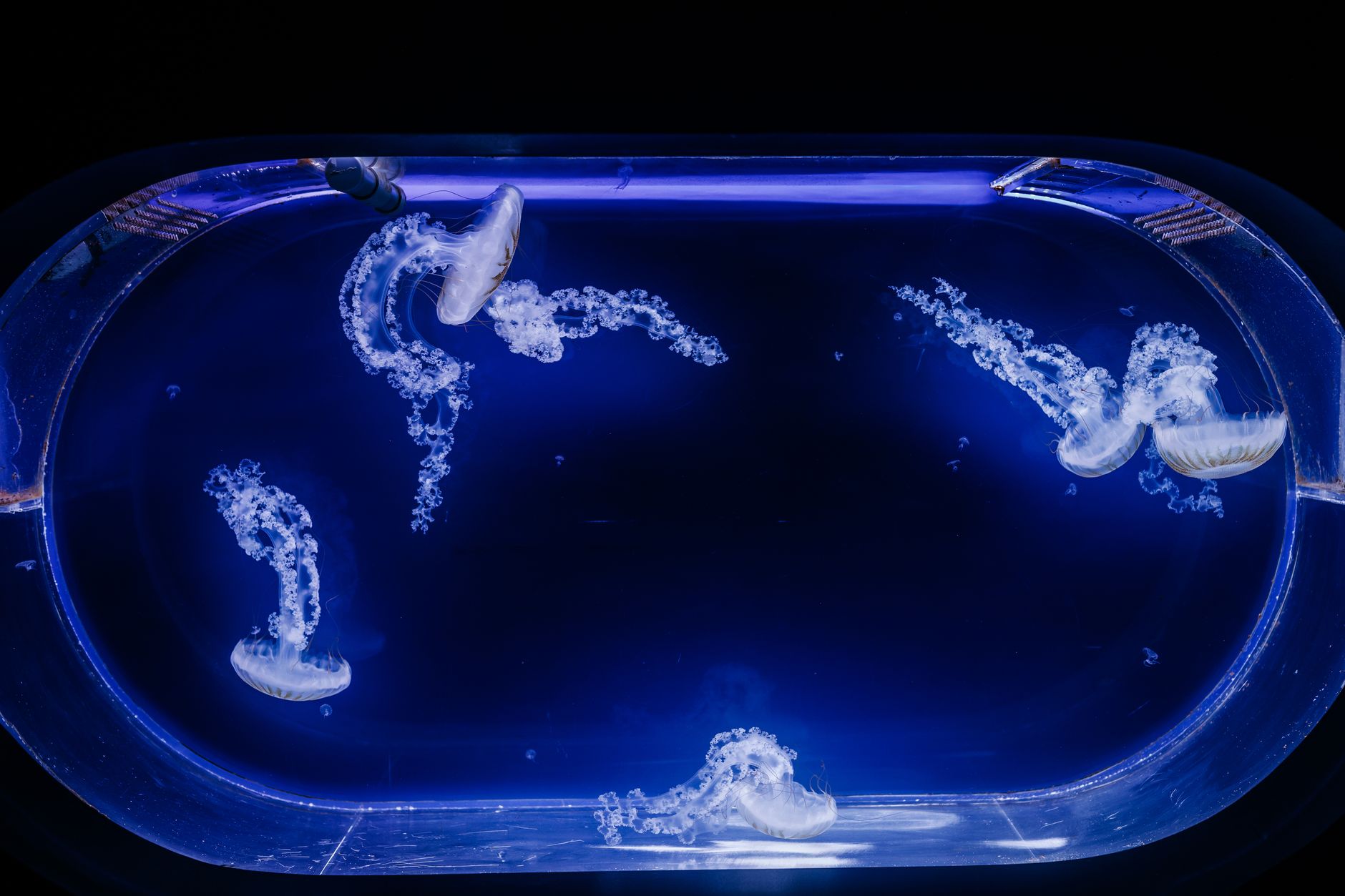
Introduction: A World of Ice and Jelly
Antarctica, a land of ice and snow, often conjures images of penguins, seals, and whales. However, beneath the icy surface lies a fascinating world teeming with life, including a diverse array of gelatinous creatures. The jellyfish of Antarctica, while perhaps less iconic than their vertebrate counterparts, are vital components of the Antarctic food web and play a crucial role in the region’s unique ecology. Understanding these often-overlooked inhabitants is essential for comprehending the health and stability of the entire Antarctic ecosystem.

What colours are fish most attracted to?
Can you put your finger in a trout's mouth?
Is methylene blue anti bacterial?
Does aquarium salt raise pH in aquarium?
Diversity Among Antarctic Jellyfish

The term “What is the jellyfish of Antarctica?” encompasses more than just true jellyfish (Scyphozoa). It includes several groups of gelatinous zooplankton, each with distinct characteristics and ecological roles.
- True Jellyfish (Scyphozoa): These are the most recognizable jellyfish, with bell-shaped bodies and stinging tentacles.
- Comb Jellies (Ctenophora): These gelatinous predators use rows of cilia, called combs, for locomotion. They often lack stinging cells but are efficient hunters of other zooplankton.
- Siphonophores: These colonial organisms are composed of many individual zooids working together. They can form incredibly long and complex structures in the water column.
- Other Gelatinous Zooplankton: Includes species like salps and larvaceans, which contribute to the overall gelatinous biomass in Antarctic waters.
Adaptations to a Frigid Environment
Surviving in the extreme cold of the Southern Ocean requires specialized adaptations. Antarctic jellyfish have evolved several strategies to thrive in these conditions:
- Antifreeze Proteins: These proteins prevent ice crystals from forming inside their cells, protecting them from freezing.
- Lipid-Rich Bodies: High lipid content provides insulation and buoyancy in the cold, dense water.
- Slow Metabolism: Reduced metabolic rates allow them to conserve energy in the nutrient-poor environment.
- Large Size: Some Antarctic jellyfish species are remarkably large, which can help them retain heat and capture prey in the vast, open ocean.
Ecological Roles
The jellyfish of Antarctica play several critical roles in the Southern Ocean ecosystem:
- Predators: They feed on a variety of organisms, including copepods, krill, and other zooplankton.
- Prey: They serve as a food source for larger animals, such as seabirds, seals, and fish.
- Nutrient Cycling: Their decomposition releases nutrients back into the water column, supporting phytoplankton growth.
- Carbon Sequestration: By consuming organic matter and sinking to the seafloor after death, they contribute to the transfer of carbon from the surface waters to the deep ocean.
Threats and Conservation
Like many marine organisms, Antarctic jellyfish face threats from climate change and human activities:
- Ocean Acidification: Increased carbon dioxide levels in the atmosphere are causing the ocean to become more acidic, which can negatively impact the development and survival of jellyfish larvae.
- Warming Waters: Rising sea temperatures can alter their distribution and abundance, potentially disrupting the food web.
- Plastic Pollution: Jellyfish can ingest plastic debris, which can harm their health and survival.
- Fishing: Indirect impacts through the removal of their prey species can also affect jellyfish populations.
Table: Comparison of Key Antarctic Jellyfish Groups
| Feature | True Jellyfish (Scyphozoa) | Comb Jellies (Ctenophora) | Siphonophores |
|---|---|---|---|
| Stinging Cells | Present | Usually Absent | Present in some zooids |
| Locomotion | Pulsating bell | Cilia combs | Jet propulsion, coordinated movement |
| Diet | Zooplankton, small fish | Zooplankton | Zooplankton, small organisms |
| Body Structure | Bell-shaped | Oval or spherical | Colonial, complex structures |
| Examples | Cyanea capillata antarctica | Haeckelia rubra | Apolemia lanosa |
Frequently Asked Questions (FAQs)
What are some specific examples of Antarctic jellyfish species?
Several species are commonly found in Antarctic waters. These include Cyanea capillata antarctica (a subspecies of the lion’s mane jellyfish), various species of comb jellies such as Callianira antarctica, and complex siphonophore colonies like Apolemia lanosa. These represent the diverse range of gelatinous life present in the Southern Ocean.
How do Antarctic jellyfish survive in such cold waters?
Antarctic jellyfish have evolved remarkable adaptations to survive in freezing temperatures. They possess antifreeze proteins that prevent ice crystal formation within their cells. They also have lipid-rich bodies providing insulation and buoyancy. Their slow metabolism reduces energy consumption in the nutrient-poor environment.
What do Antarctic jellyfish eat?
The diet of Antarctic jellyfish varies depending on the species. Generally, they consume zooplankton, including copepods, krill, and other small crustaceans. Some larger species may also prey on small fish or other jellyfish. Their feeding habits influence the flow of energy through the Antarctic food web.
Are Antarctic jellyfish dangerous to humans?
While some Antarctic jellyfish have stinging cells, their venom is generally not considered dangerous to humans. However, contact with the tentacles of larger species, such as Cyanea capillata antarctica, may cause mild irritation or a stinging sensation.
How do scientists study Antarctic jellyfish?
Scientists study Antarctic jellyfish using a variety of methods, including: net tows to collect specimens, underwater photography and videography to observe their behavior in their natural habitat, and DNA analysis to identify species and study their evolutionary relationships. Remotely operated vehicles (ROVs) are also used to explore the deep sea where many jellyfish species reside.
What role do jellyfish play in the Antarctic food web?
Jellyfish play a crucial role in the Antarctic food web. They are important predators of zooplankton, helping to regulate their populations. They also serve as prey for larger animals, such as seabirds, seals, and fish, transferring energy up the food chain.
How is climate change affecting Antarctic jellyfish?
Climate change poses a significant threat to Antarctic jellyfish. Ocean acidification can impair the development and survival of jellyfish larvae. Warming waters can alter their distribution and abundance, potentially disrupting the food web. Changes in ice cover also impact the availability of their prey.
Do jellyfish compete with krill in the Antarctic ecosystem?
There is evidence that some jellyfish species may compete with krill for resources, particularly zooplankton. This competition can have significant implications for the Antarctic ecosystem, as krill is a key food source for many animals, including whales, seals, and penguins.
What is the lifespan of Antarctic jellyfish?
The lifespan of Antarctic jellyfish varies depending on the species. Some species may live for several months, while others may live for more than a year. The harsh environmental conditions in Antarctica can influence their growth and survival rates.
Are jellyfish considered a good indicator species for the health of the Antarctic ecosystem?
Yes, jellyfish are increasingly recognized as valuable indicator species for the health of the Antarctic ecosystem. Changes in their abundance, distribution, and health can reflect broader environmental changes, such as ocean acidification, warming waters, and pollution.
What is the biggest jellyfish in Antarctica?
The largest jellyfish in Antarctica is the Cyanea capillata antarctica, a subspecies of the lion’s mane jellyfish. It can grow to be quite large, with a bell diameter of up to several meters. Its size and abundance make it a significant predator in the Antarctic ecosystem.
What are some ongoing research projects focusing on Antarctic jellyfish?
Several research projects are currently underway to study Antarctic jellyfish. These projects aim to understand their distribution, abundance, diet, and ecological roles. Researchers are also investigating how climate change and other human activities are impacting these fascinating creatures. These studies are vital for informing conservation efforts and protecting the unique biodiversity of the Southern Ocean.