
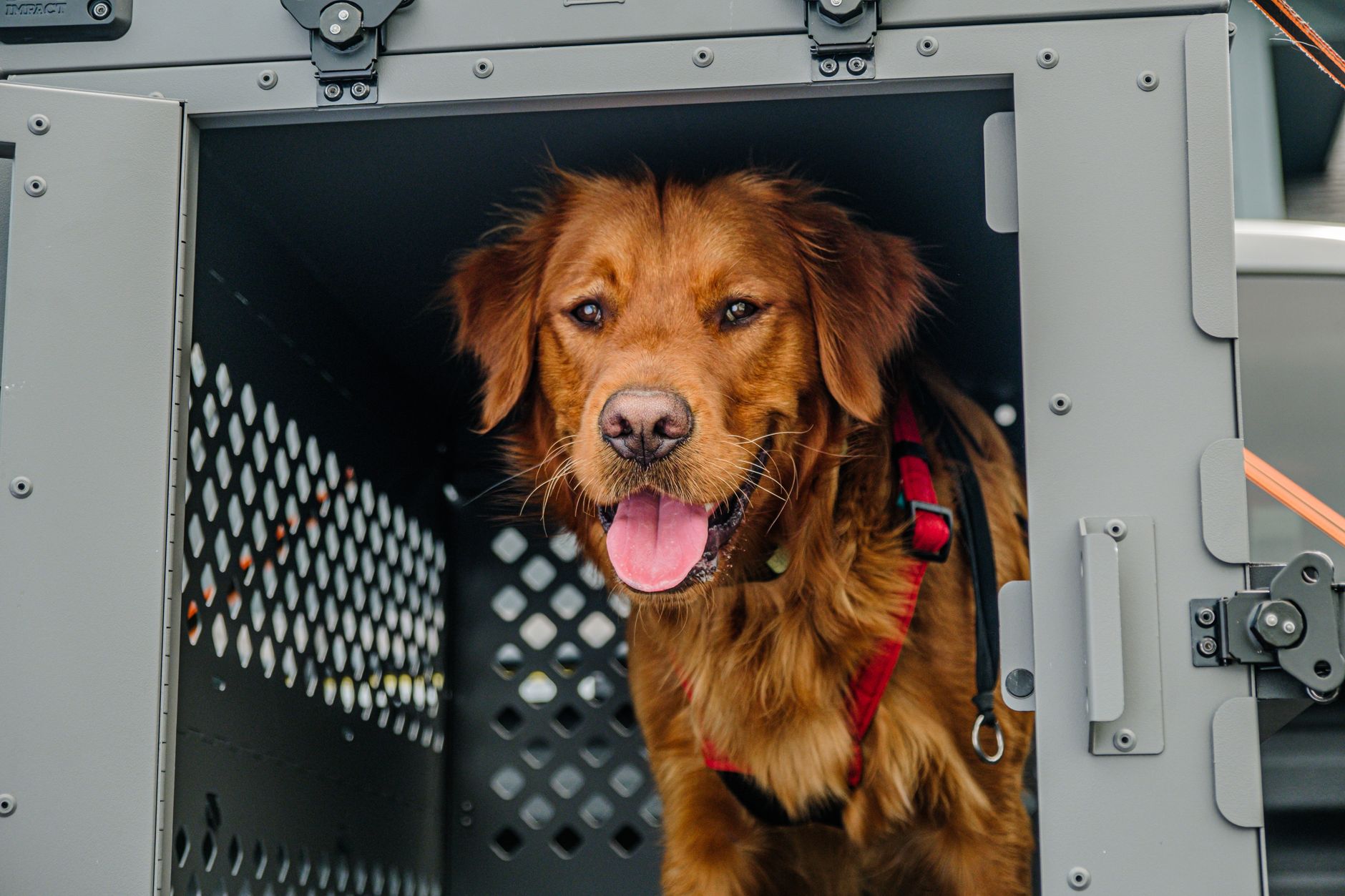
How to Calm Your Canine Companion: Helping Your Dog During a Thunderstorm
Knowing how to help your dog during a thunderstorm is crucial; providing a safe, secure environment and employing calming techniques can dramatically reduce anxiety and fear. This, in turn, improves your dog’s well-being and strengthens your bond.
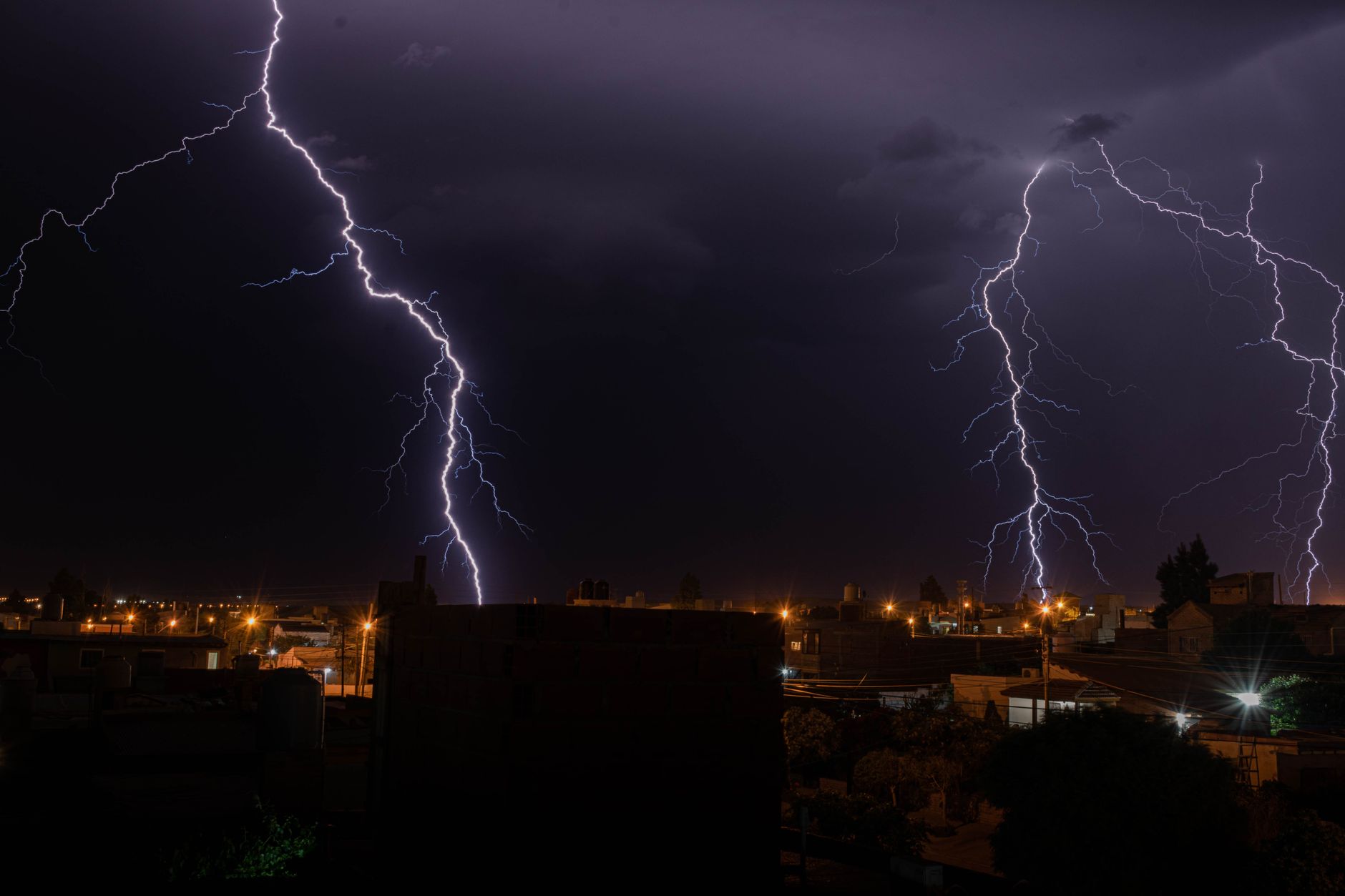
Understanding Canine Thunderstorm Anxiety
Thunderstorm phobia in dogs is a common, yet often debilitating, anxiety disorder. It’s far more than simply disliking loud noises. Many dogs experience significant distress, exhibiting behaviors ranging from mild restlessness to full-blown panic attacks. Understanding the underlying causes and symptoms is the first step in effectively managing this fear.
Why Are Dogs Afraid of Thunderstorms?

The exact reasons behind thunderstorm phobia are complex and often multi-faceted, potentially stemming from a combination of factors:
- Loud noises: The sudden, booming sounds of thunder are startling to many dogs, especially those with sensitive hearing.
- Changes in atmospheric pressure: Before a storm, changes in barometric pressure can be felt by dogs, potentially triggering anxiety.
- Static electricity: Some dogs may experience uncomfortable static shocks during thunderstorms, contributing to their fear.
- Ozone: The odor of ozone produced by lightning may be another factor, triggering a negative response.
- Learned association: Dogs may associate thunderstorms with other negative experiences, such as being left alone or past traumas.
- Genetic predisposition: Some breeds may be more prone to anxiety than others, including thunderstorm phobias.
Recognizing the Signs of Thunderstorm Anxiety
Identifying the signs of anxiety is crucial for providing timely support. Common symptoms include:
- Panting and pacing
- Trembling or shaking
- Hiding or clinging to owners
- Excessive barking or whining
- Drooling
- Destructive behavior (e.g., chewing furniture)
- Attempting to escape
- Loss of appetite
- Inappropriate urination or defecation
Creating a Safe Haven
Providing a secure and comfortable space is paramount when helping your dog during a thunderstorm. This safe haven should be a place where your dog feels protected and relaxed.
- Designate a specific area: Choose a quiet, interior room, such as a basement, closet, or bathroom.
- Make it comfortable: Provide a soft bed, blankets, and favorite toys.
- Minimize noise: Close windows and doors, and consider using white noise (e.g., a fan or radio) to mask the sound of thunder.
- Provide a “den”: A crate (if your dog is crate-trained) or a covered bed can provide a sense of security.
- Consider a ThunderShirt: These pressure wraps can help calm anxious dogs by applying gentle, constant pressure.
Calming Techniques and Strategies
In addition to creating a safe haven, various calming techniques can help alleviate your dog’s anxiety.
- Stay calm yourself: Dogs are highly sensitive to their owners’ emotions. If you remain calm, it can help reassure your dog.
- Distract your dog: Engage your dog in a favorite activity, such as playing fetch or offering a chew toy.
- Provide positive reinforcement: Offer treats and praise when your dog exhibits calm behavior.
- Consider desensitization and counterconditioning: Gradually expose your dog to recordings of thunder at low volumes, pairing the sounds with positive experiences (e.g., treats, play). Gradually increase the volume as your dog becomes more comfortable.
- Consult your veterinarian: In severe cases, your veterinarian may recommend anti-anxiety medication or supplements.
Common Mistakes to Avoid
Certain actions can inadvertently worsen your dog’s anxiety during a thunderstorm. Avoid these common mistakes:
- Punishing your dog: Punishing a fearful dog will only increase their anxiety and damage your relationship.
- Forcing your dog out of hiding: Allow your dog to seek refuge in their safe haven.
- Overly coddling your dog: While comforting is important, excessive coddling can reinforce their fearful behavior. Instead, offer calm reassurance.
- Ignoring the problem: Thunderstorm phobia is unlikely to resolve on its own. Active management is essential.
Desensitization and Counterconditioning: A Step-by-Step Guide
This is a proven method to help your dog during a thunderstorm:
- Obtain thunderstorm sounds: You can find recordings of thunderstorms online or from your veterinarian.
- Start at a very low volume: Play the sounds at a volume that your dog can barely hear. The goal is to expose them without triggering anxiety.
- Pair with positive reinforcement: While the sounds are playing, offer your dog treats, engage in play, or provide gentle petting.
- Gradually increase the volume: Over time, slowly increase the volume of the thunderstorm sounds, ensuring your dog remains relaxed. If they show signs of anxiety, reduce the volume.
- Repeat regularly: Practice desensitization and counterconditioning regularly, even when there are no thunderstorms in the forecast.
- Consistency is key: Progress may be slow, but consistent effort will yield the best results.
Using Medication and Supplements
In severe cases of thunderstorm phobia, medication or supplements may be necessary. Always consult with your veterinarian before starting any new treatment.
- Anti-anxiety medication: Your veterinarian may prescribe medications such as alprazolam or trazodone to help reduce anxiety during thunderstorms.
- Supplements: Some supplements, such as L-theanine or Zylkene, may have calming effects.
- Pheromone therapy: Dog-appeasing pheromone (DAP) diffusers or collars can help create a sense of security and reduce anxiety.
Comparison of Calming Methods
| Method | Description | Pros | Cons |
|---|---|---|---|
| Safe Haven | Creating a secure and comfortable space. | Provides immediate comfort and reduces exposure to stimuli. | May not be effective for all dogs; requires preparation. |
| ThunderShirt | Pressure wrap that applies gentle pressure. | Non-invasive; can be effective for some dogs. | May not work for all dogs; can be uncomfortable in hot weather. |
| Desensitization | Gradual exposure to thunderstorm sounds paired with positive reinforcement. | Can lead to long-term reduction in anxiety. | Requires time and patience; may not be effective for dogs with severe phobias. |
| Medication/Supplements | Anti-anxiety drugs or calming supplements. | Can provide significant relief for severely anxious dogs. | Potential side effects; requires veterinary consultation. |
| Distraction | Engaging the dog in activities to take their mind off the storm. | Easy to implement; can be effective for mild anxiety. | May not work for severely anxious dogs. |

Frequently Asked Questions (FAQs)
What if my dog destroys things during a thunderstorm?
Destructive behavior is a common sign of anxiety. Create a safe haven, remove valuable items, and consider crate training (if appropriate). Anti-anxiety medication may be necessary in severe cases. Consult your veterinarian for guidance.
How do I know if my dog’s anxiety is severe enough for medication?
If your dog exhibits extreme panic, destructive behavior, or self-harm during thunderstorms, medication may be necessary. A veterinarian can assess your dog’s anxiety level and recommend the appropriate treatment plan.
Can I train my dog to not be afraid of thunderstorms?
While it may not be possible to completely eliminate fear, desensitization and counterconditioning can significantly reduce anxiety. Consistency and patience are key to success.
Is it okay to comfort my dog during a thunderstorm?
Yes, but avoid excessive coddling. Offer calm reassurance and praise when your dog exhibits calm behavior. Being present and supportive is crucial.
What is a ThunderShirt, and does it really work?
A ThunderShirt is a pressure wrap that applies gentle, constant pressure to the dog’s torso. Many owners report that it helps reduce anxiety. However, it may not be effective for all dogs.
My dog’s anxiety seems to be getting worse. What should I do?
Consult your veterinarian. Your dog’s anxiety may be worsening due to an underlying medical condition or a lack of effective management strategies.
Can essential oils help calm my dog during a thunderstorm?
Some essential oils, such as lavender and chamomile, are known for their calming properties. However, it’s essential to use them safely and under the guidance of a veterinarian. Dilute the oils properly and avoid direct application to your dog’s skin or ingestion.
What if my dog escapes during a thunderstorm?
Microchip your dog and ensure the information is up-to-date. A secure fence and doors are also crucial to prevent escape. Consider using a GPS tracker if your dog is prone to escaping.
Are certain breeds more prone to thunderstorm phobia?
While any dog can develop thunderstorm phobia, some breeds, such as herding breeds and sporting breeds, may be more prone to anxiety due to their heightened sensitivity to stimuli.
How long does it take for desensitization to work?
The time it takes for desensitization to work varies depending on the dog’s individual anxiety level and the consistency of the training. It can take weeks or even months to see significant improvement.
What are some alternative therapies for thunderstorm anxiety?
Alternative therapies such as acupuncture and massage may help reduce anxiety in some dogs. Consult with a qualified practitioner to determine if these therapies are appropriate for your dog.
What if I can’t be home during a thunderstorm?
If you can’t be home, ensure your dog has access to their safe haven. Consider hiring a pet sitter or asking a friend or family member to stay with your dog. Leaving the TV or radio on can also help mask the sound of thunder.