
What is the Iguana’s Habitat? Unveiling Their Natural Homes
Iguanas inhabit a diverse range of environments, predominantly found in tropical and subtropical regions of the Americas; therefore, the iguana’s habitat is defined by warm climates, access to vegetation, and suitable basking and shelter opportunities.

Introduction to the Iguana’s World
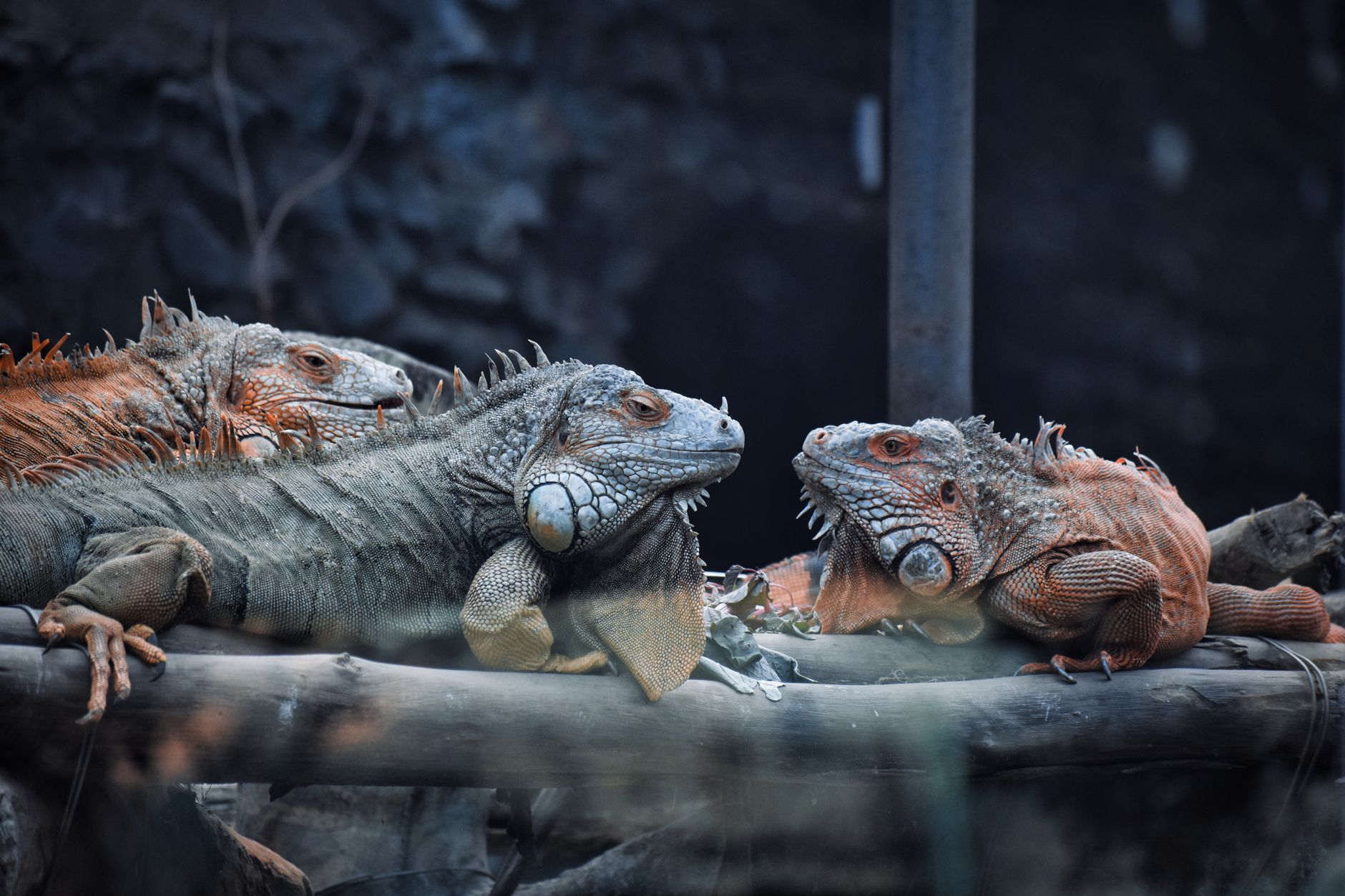
Iguanas, iconic reptiles recognizable for their spiky dorsal crests and vibrant colors, are fascinating creatures adapted to specific environments. Understanding what is the iguanas habitat is crucial to appreciating their life cycle and conservation. These largely herbivorous lizards are primarily arboreal, meaning they spend a significant amount of time in trees, but their habitat needs extend beyond simply climbing branches. They require specific temperature ranges, humidity levels, and dietary resources to thrive. Human activity can disrupt their native homes, making it imperative to study and protect these areas.
What colours are fish most attracted to?
Can you put your finger in a trout's mouth?
Is methylene blue anti bacterial?
Does aquarium salt raise pH in aquarium?
Defining the Ideal Iguana Habitat

The ideal iguana’s habitat must meet several critical criteria. The most important elements include:
- Warm Temperatures: Iguanas are cold-blooded and rely on external heat sources to regulate their body temperature. Daytime temperatures in their habitat typically range from 80°F to 95°F (27°C to 35°C), with nighttime temperatures rarely dropping below 70°F (21°C).
- Access to Sunlight: Iguanas require sunlight for Vitamin D3 synthesis, crucial for calcium absorption and bone health. Basking sites exposed to direct sunlight are vital.
- Abundant Vegetation: As primarily herbivores, iguanas depend on readily available plant matter, including leaves, fruits, and flowers. The variety and abundance of vegetation are directly related to the health of the iguana population.
- Water Sources: Access to fresh water is essential. Iguanas may drink from puddles, streams, or obtain moisture from the plants they consume.
- Shelter: To protect themselves from predators and extreme weather, iguanas need access to shelter. This can include tree hollows, rock crevices, burrows, or dense vegetation.
Different Types of Iguana Habitats
While the general requirements for an iguana habitat remain constant, different species and populations may inhabit slightly different environments. Here’s a brief overview:
- Green Iguanas (Iguana iguana): Native to Central and South America and the Caribbean, they are incredibly adaptable. They occupy rainforests, coastal regions, and even urban areas, provided there is access to food, water, and basking spots.
- Rock Iguanas (Cyclura spp.): Found exclusively in the Caribbean, Rock Iguanas are often associated with rocky coastlines and dry, scrubby forests. Their habitat must provide suitable nesting sites and protection from the elements.
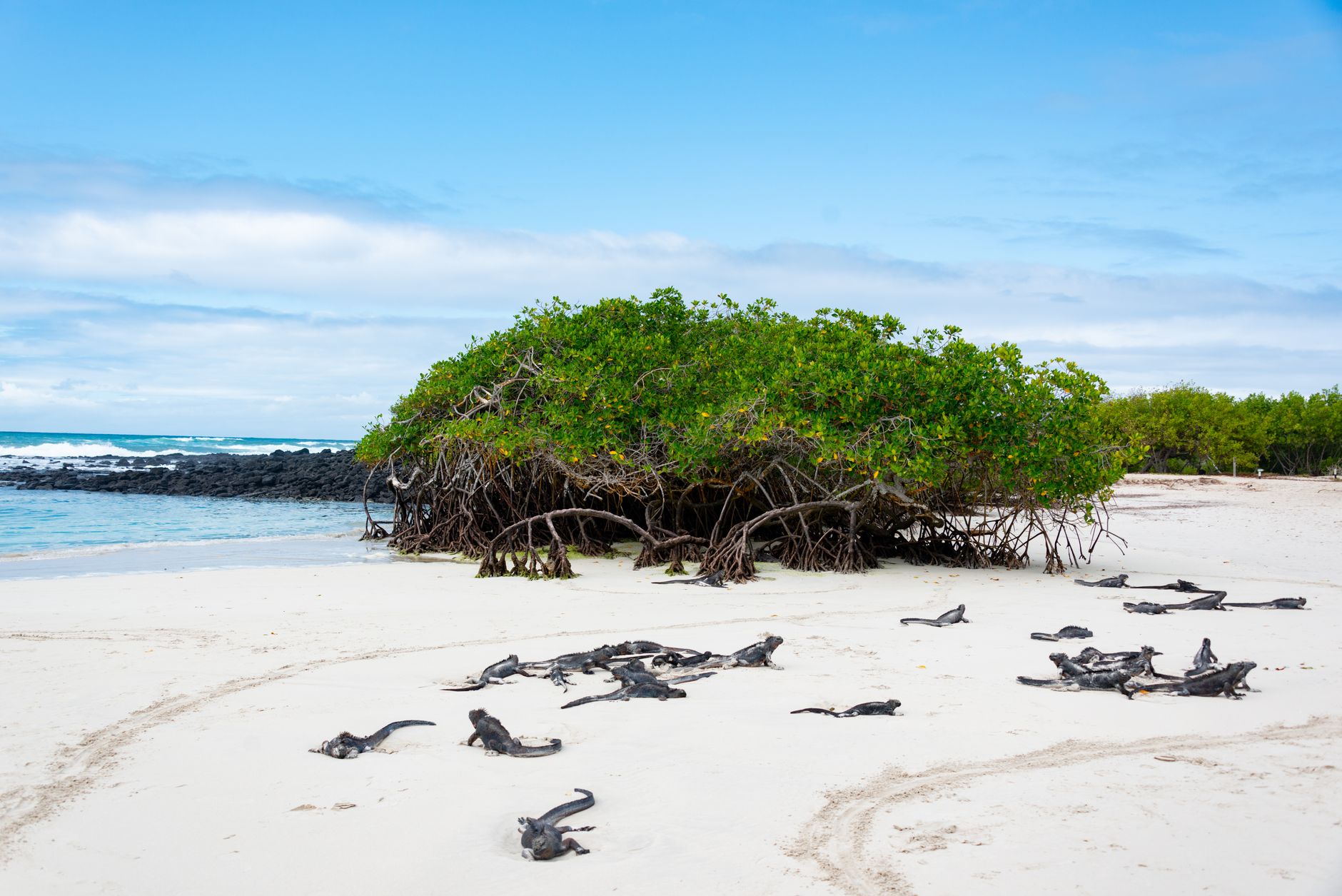
- Marine Iguanas (Amblyrhynchus cristatus): Unique to the Galapagos Islands, these iguanas are the only lizard species to forage in the ocean. Their habitat includes volcanic coastlines and intertidal zones.
The Impact of Habitat Loss on Iguanas
Unfortunately, the iguana’s habitat is increasingly threatened by human activities. Deforestation, urbanization, and agriculture are leading to habitat fragmentation and loss. Invasive species, such as feral cats and dogs, also pose a significant threat. The destruction and disruption of their environments have severe consequences, including reduced population sizes, increased vulnerability to predators, and displacement of iguanas into less suitable areas. Conservation efforts are critical to protect their natural homes.
Building a Captive Iguana Habitat
For those keeping iguanas as pets, replicating their natural habitat is crucial for their well-being. A captive environment should provide:
- A large enclosure that allows for climbing and movement.
- Proper heating and lighting to maintain appropriate temperatures and provide UVB and UVA radiation.
- Appropriate humidity levels.
- A varied diet of fresh vegetables and fruits.
- Basking areas with a suitable temperature gradient.
- Hiding places to provide a sense of security.
The table below shows recommended temperature range for both adult and baby Iguanas.
| Iguana Type | Basking Spot Temperature (°F) | Ambient Temperature (°F) | Night Time Temperature (°F) |
|---|---|---|---|
| Adult | 95-100 | 80-85 | 70-75 |
| Baby | 100-105 | 85-90 | 75-80 |
Frequently Asked Questions (FAQs)
What specific plants are commonly found in the iguana’s natural habitat?
Iguanas consume a wide variety of plant matter, including leaves, fruits, and flowers. Specific plants found in their natural habitats include hibiscus, dandelions, collard greens, and various tropical fruits. The availability of different plant species depends on the specific geographic location.
How does humidity affect the iguana’s habitat requirements?
High humidity levels are important for skin health and proper shedding. Iguanas require moderate to high humidity (60-80%) to prevent dehydration and promote healthy skin. Insufficient humidity can lead to shedding problems and respiratory issues.
What are the primary predators of iguanas in their natural habitat?
Iguanas face predation from a variety of animals, including hawks, owls, snakes, caiman, and mammals such as raccoons and opossums. Young iguanas are particularly vulnerable to predators.
Do iguanas adapt to different habitat types depending on the availability?
Yes, iguanas exhibit some degree of adaptability. They can be found in various habitats, including rainforests, coastal regions, and even urban areas, as long as essential resources like food, water, and basking sites are available.
How do iguanas regulate their body temperature in their habitat?
Iguanas are ectothermic, meaning they rely on external heat sources to regulate their body temperature. They bask in the sun to warm up and seek shade or shelter to cool down. This behavior, known as thermoregulation, is essential for their survival.
What role do iguanas play in their natural habitat’s ecosystem?
Iguanas play a role in seed dispersal as they consume fruits and spread seeds through their droppings. They also serve as prey for other animals, contributing to the food web. Their herbivorous diet helps control vegetation growth.
How do iguanas find suitable mates within their habitat?
During the breeding season, male iguanas establish territories and display courtship behaviors to attract females. These behaviors may include head bobbing, dewlap extension, and fighting with other males. The selection of mates often occurs within the confines of their established habitat.
What are the biggest threats to iguana habitats today?
The biggest threats include deforestation, urbanization, agricultural expansion, and the introduction of invasive species. These activities lead to habitat loss, fragmentation, and degradation, impacting iguana populations.
How can we help protect iguana habitats in their natural environments?
Supporting conservation efforts, promoting sustainable land management practices, reducing carbon footprint, and controlling invasive species are important steps to protect iguana habitats. Educating others about the importance of habitat conservation can also make a difference.
Are there any specific iguana habitat restoration projects currently underway?
Yes, various organizations are involved in iguana habitat restoration projects, particularly in the Caribbean. These projects may involve reforestation, invasive species removal, and the creation of protected areas.
What is the ideal humidity level for an iguana habitat?
The ideal humidity level for an iguana habitat is typically between 60% and 80%. This level helps to prevent dehydration and promotes healthy shedding. Using a hygrometer to monitor humidity levels is recommended.
How do iguanas impact the environment when introduced as invasive species?
When introduced as invasive species, iguanas can cause significant ecological damage. They can outcompete native herbivores, damage crops, and alter plant communities. In some areas, they prey on native species, further disrupting the ecosystem.