

Can You Raise a Baby Duck By Itself?
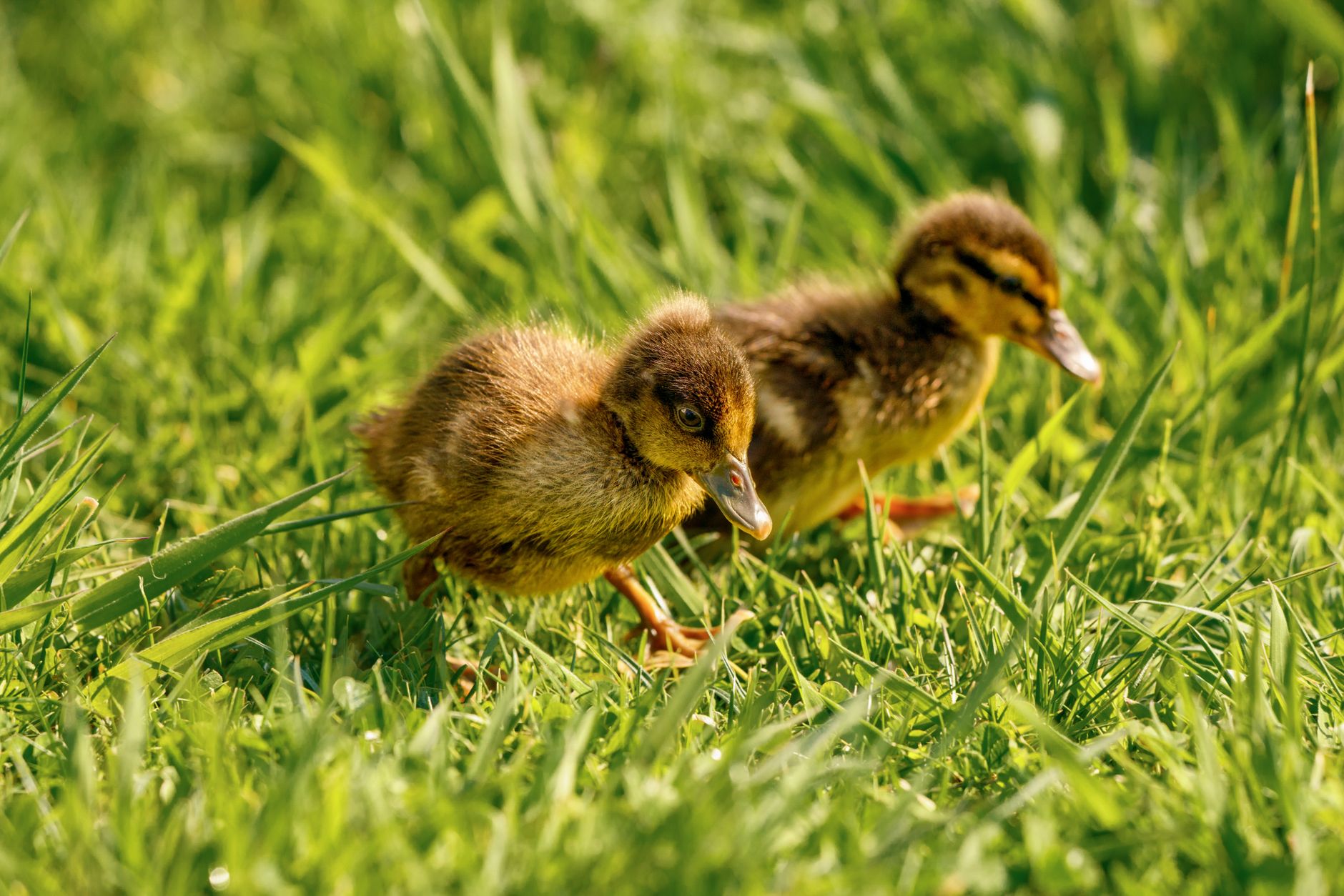
It is possible to raise a baby duck by itself, but it’s highly recommended to raise ducklings in pairs or small groups as they thrive on social interaction and can experience significant stress and loneliness if isolated.

Raising a single duckling can be a rewarding experience, but it requires significant commitment and understanding of their specific needs. While ducks are social creatures and benefit immensely from companionship, providing a duckling with a fulfilling life on its own is achievable with careful planning and dedicated care. Let’s delve into the specifics of raising a lone duckling.
The Importance of Social Interaction for Ducklings
Ducklings are naturally social animals. In the wild, they imprint on their mother and siblings, learning essential survival skills and developing crucial social bonds. Raising them together provides a natural environment for learning, playing, and establishing a pecking order. A lone duckling misses out on these vital developmental experiences.
However, if you find yourself in a situation where you need to raise a single duckling, understanding the potential challenges and how to mitigate them is key.
What is the GREY African clawed frog?
Is distilled water good for goldfish?
What colours are fish most attracted to?
Can you put your finger in a trout's mouth?
Creating a Substitute Flock

Since you’re raising the duckling alone, you need to become its flock. This involves:
- Frequent interaction: Spend plenty of time with the duckling. Talk to it, handle it gently, and provide stimulating activities.
- Visual Stimulation: Use mirrors or stuffed animals to provide visual companionship. While not a perfect substitute, it can help reduce feelings of isolation.
- Consistent Routine: Maintain a consistent feeding and sleeping schedule to create a sense of security.
- Environmental Enrichment: Offer a variety of toys and activities to keep the duckling engaged and prevent boredom. Include things like:
- Shallow water dishes for splashing
- Safe, non-toxic plants to explore
- Balls or other small, safe objects to push around
Meeting the Basic Needs of a Lone Duckling
Regardless of whether you’re raising one duckling or a flock, certain basic needs must be met:
- Warmth: Ducklings require a heat source for the first few weeks of life. A heat lamp is ideal, but make sure to provide a gradient so they can move away if they get too hot. Start at about 90°F and gradually reduce the temperature by 5°F per week.
- Food: Offer a high-quality waterfowl starter feed specifically formulated for ducklings. Ensure it’s always available.
- Water: Provide fresh, clean water in a shallow dish that they can easily access. Be mindful that ducklings are messy, so clean the water frequently.
- Shelter: Offer a safe and secure shelter where the duckling can rest and escape the elements. This could be a cardboard box, a dog crate, or a small coop.
Potential Problems and Solutions
Raising a single duckling presents unique challenges. Here’s how to address some common issues:
| Problem | Solution |
|---|---|
| :————————— | :—————————————————————————————————————————————————————————————— |
| Loneliness and depression | Increase interaction, provide visual stimulation, and ensure a stimulating environment. Consider carefully whether introducing a companion animal (duckling or otherwise) is feasible. |
| Behavioral problems | Address boredom with ample enrichment activities. Positive reinforcement training can also help. |
| Failure to thrive | Ensure proper nutrition and a comfortable environment. Consult with a veterinarian if you suspect a health issue. |
| Imprinting on humans overly | Avoid excessive coddling and encourage independence. Provide opportunities for the duckling to explore its environment and develop its natural instincts. |
Weighing the Options
Before deciding to raise a single duckling, it’s crucial to carefully consider the implications. Is there any way to introduce a companion? Could you provide an enriched environment that mitigates the negative effects of isolation? If you can confidently meet the duckling’s needs, then raising a single duckling may be a viable option. Remember, the duckling’s well-being is the top priority.
Frequently Asked Questions (FAQs)
Is it cruel to raise a duckling alone?
While not inherently cruel, raising a duckling alone presents ethical considerations. Ducks are social creatures, and isolation can lead to stress and loneliness. It’s crucial to provide ample interaction, enrichment, and stimulation to mitigate these negative effects. If you cannot dedicate significant time and effort, it is generally better to raise ducklings in pairs or groups.
What are the signs of loneliness in a duckling?
Signs of loneliness in a duckling include: excessive vocalization, decreased appetite, lethargy, feather picking, and a general lack of interest in its surroundings. If you notice these signs, it’s crucial to increase interaction and provide more stimulating activities.
Can I introduce a new duckling to an older, single duckling?
Introducing a new duckling can be successful, but it requires careful management. Quarantine the new duckling for a few weeks to ensure it’s healthy. Then, gradually introduce them in a supervised setting. Monitor their interactions closely and intervene if there is aggression. Be prepared to separate them if they don’t get along.
How much time do I need to spend with a single duckling each day?
Ideally, you should spend several hours each day interacting with a single duckling, especially during the first few weeks. This interaction can include holding, talking, playing, and simply being present. As the duckling matures, it may require less direct interaction but still needs consistent attention and enrichment.
What kind of toys are safe for ducklings?
Safe toys for ducklings include: small, lightweight balls; floating toys; shallow water dishes for splashing; and safe, non-toxic plants for foraging. Avoid toys with small parts that could be ingested.
Can I let my single duckling swim in a pool?
Yes, ducklings enjoy swimming in pools, but supervision is essential. Ensure the pool is shallow enough for them to stand comfortably, and provide a ramp or steps so they can easily exit. Never leave a duckling unattended in or near a pool.
What do I do if my single duckling is constantly crying?
Constant crying in a duckling can indicate a variety of issues, including hunger, cold, loneliness, or illness. Ensure the duckling’s basic needs are met, and if the crying persists, consult with a veterinarian to rule out any underlying health problems.
Can you raise a baby duck by itself if it’s imprinted on me?
Imprinting on you can make raising a duckling alone easier in some ways, as it will crave your attention and company. However, it’s crucial to avoid excessive coddling and encourage independence. While the duckling may view you as its “mother,” it still needs to develop its natural instincts and learn to function as a duck.
Is it okay to keep a single duckling indoors permanently?
While it’s possible to raise a single duckling indoors, it’s not ideal. Ducks need access to the outdoors for foraging, bathing, and exploring. If you keep a duckling indoors, provide a large, stimulating environment and opportunities for supervised outdoor time.
What type of bedding is best for a single duckling?
Suitable bedding for a single duckling includes: pine shavings, straw, or shredded paper. Avoid cedar shavings, as they can be toxic to birds. Change the bedding frequently to keep it clean and dry.
How big of a space does a single duckling need?
A single duckling needs a space that is at least 4 square feet. As the duckling grows, it will require more space. Provide a larger enclosure or allow access to a larger area as needed.
What is the best way to transition a single duckling to the outdoors?
Transitioning a single duckling to the outdoors should be done gradually. Start with short supervised visits and gradually increase the time spent outside. Provide a secure shelter and ensure the duckling has access to food and water. Monitor the duckling closely for signs of stress or discomfort.