

What is the human equivalent of grooming?
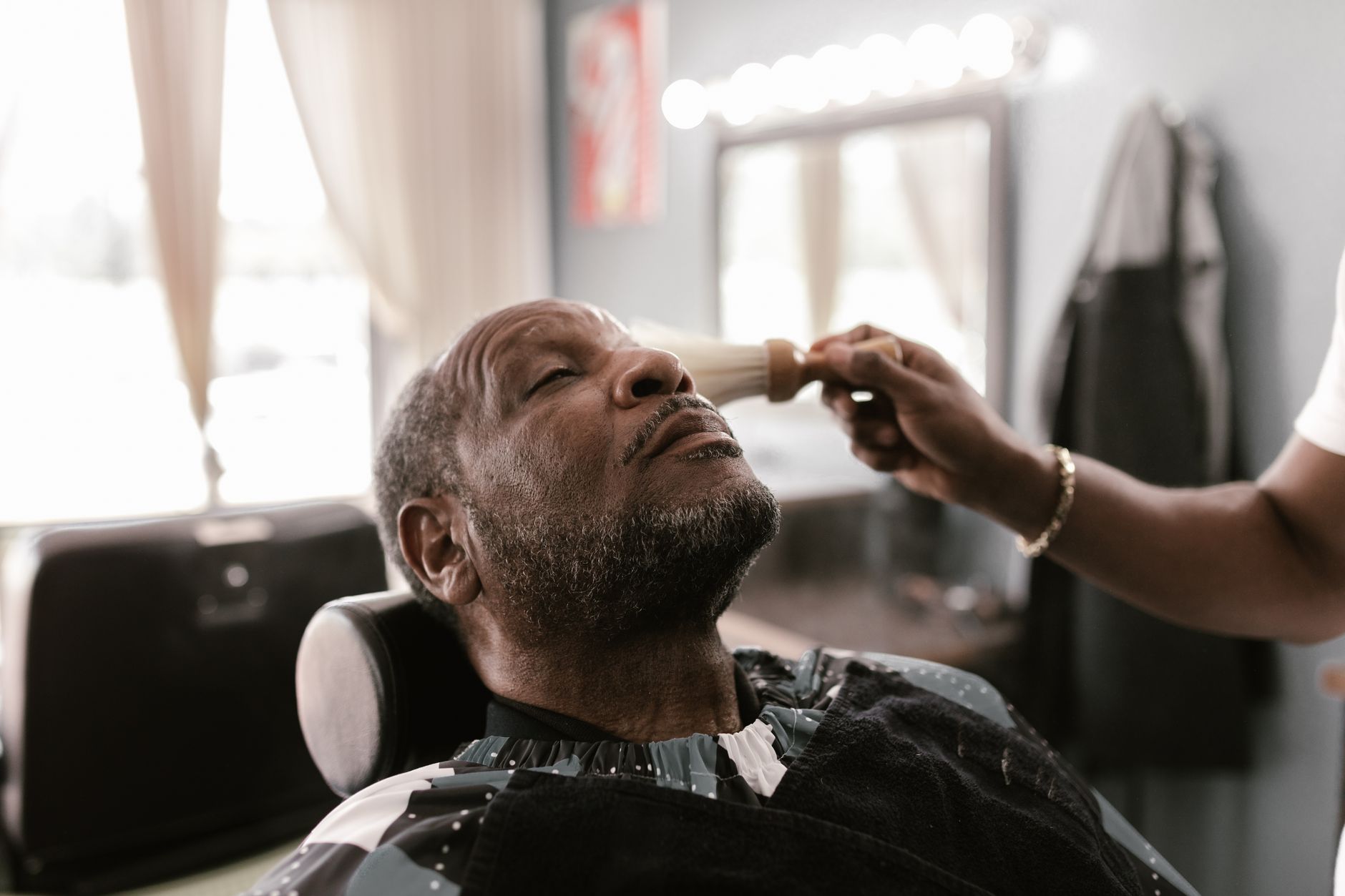
The human equivalent of grooming involves behaviors and activities that foster social bonds, maintain personal hygiene, and project a desired image; it’s about cultivating positive relationships and presenting oneself favorably, and is therefore much broader than simple physical hygiene. In short, What is the human equivalent of grooming? It’s a complex blend of self-care, social interaction, and impression management.

Introduction: Beyond the Mirror – The Social Significance of Human Grooming
“Grooming” is often associated with animals preening each other, removing parasites, and reinforcing social bonds. But what is the human equivalent of grooming? It’s not just about brushing our hair or showering. It’s a multifaceted concept that encompasses a wide range of behaviors, from the most basic acts of personal hygiene to the more nuanced aspects of social interaction and self-presentation. Understanding these human grooming behaviors is crucial to navigating our social world and maintaining our well-being.
What colours are fish most attracted to?
Can you put your finger in a trout's mouth?
Is methylene blue anti bacterial?
Does aquarium salt raise pH in aquarium?
The Many Facets of Human Grooming

Human grooming extends far beyond simple hygiene, touching various aspects of our daily lives. It’s about how we present ourselves, interact with others, and maintain both physical and mental well-being. Let’s examine the different dimensions that contribute to what comprises the human equivalent of grooming:
- Personal Hygiene: The foundation of grooming includes showering, brushing teeth, and maintaining overall cleanliness. This is the most basic and readily apparent aspect.
- Physical Appearance: This involves choices like clothing, hairstyles, makeup (if applicable), and even physical fitness. It’s about projecting a specific image.
- Social Skills: Engaging in polite conversation, showing empathy, and practicing active listening are forms of social grooming that strengthen relationships.
- Emotional Regulation: Managing emotions effectively and expressing them appropriately allows for smoother social interactions and reduces conflict.
- Self-Care Practices: Engaging in activities that promote mental and emotional well-being, such as meditation, exercise, or hobbies, is essential for presenting a confident and balanced self.
Benefits of Effective Human Grooming
- Improved Self-Esteem: Taking care of oneself physically and emotionally can significantly boost confidence and self-worth.
- Enhanced Social Relationships: Practicing good social grooming skills fosters stronger connections with others, leading to more fulfilling relationships.
- Increased Professional Success: Presenting a polished and professional image can open doors to new opportunities and advance one’s career.
- Better Mental Health: Self-care practices and emotional regulation contribute to improved mental well-being and reduced stress levels.
- Improved Physical Health: Regular exercise and healthy eating habits, often considered part of overall grooming, directly impact physical health.
The Process: A Step-by-Step Guide to Human Grooming
Understanding what is the human equivalent of grooming also means understanding how to put it into practice. Consider these steps towards effective human grooming:
- Assess Your Needs: Identify areas where you want to improve, whether it’s your physical appearance, social skills, or emotional well-being.
- Establish a Routine: Create a daily or weekly routine that incorporates grooming activities, such as showering, exercising, and practicing mindfulness.
- Seek Feedback: Ask trusted friends or family members for honest feedback on your appearance and social interactions.
- Set Realistic Goals: Start small and gradually work towards your goals to avoid feeling overwhelmed.
- Be Consistent: Consistency is key to seeing results and making grooming a sustainable part of your lifestyle.
Common Mistakes in Human Grooming
Just as animals can sometimes over-groom or neglect certain areas, humans can also make mistakes in their grooming habits. Recognizing these pitfalls can help avoid them:
- Neglecting Personal Hygiene: This is the most obvious mistake and can lead to social isolation and health problems.
- Overdoing It: Too much grooming can appear artificial or insecure. Striving for a natural and authentic look is crucial.
- Ignoring Mental Health: Focusing solely on physical appearance while neglecting mental well-being can lead to burnout and dissatisfaction.
- Failing to Adapt: Grooming styles and social norms change over time. Staying adaptable and open to new ideas is important.
- Comparing Yourself to Others: Comparing your grooming habits to those of others can lead to insecurity and dissatisfaction. Focus on your own goals and progress.
Comparison of Animal and Human Grooming
The table below compares aspects of grooming in animals and humans:
| Feature | Animal Grooming | Human Grooming |
|---|---|---|
| Primary Goal | Maintaining hygiene, removing parasites, social bonds | Maintaining hygiene, projecting image, fostering social bonds, self-esteem |
| Methods | Licking, scratching, mutual preening | Showering, dressing, socializing, self-care |
| Social Aspect | Reinforces hierarchy, establishes bonds | Builds relationships, conveys social status, communicates identity |
| Emotional Link | Reduces stress, promotes relaxation | Improves self-confidence, reduces anxiety, enhances well-being |
Frequently Asked Questions (FAQs)
What is the primary difference between animal and human grooming?
The primary difference lies in the complexity and scope. While animal grooming primarily focuses on hygiene and social bonding through physical actions, human grooming encompasses a much broader range of behaviors, including self-presentation, emotional regulation, and self-care, all designed to create a desired image and foster social relationships.
How does culture influence human grooming practices?
Culture profoundly influences grooming practices by dictating acceptable standards of hygiene, beauty, and social behavior. Different cultures have varying norms for clothing, hairstyles, makeup, and even personal space, shaping how individuals groom themselves to fit into and be accepted by their respective communities.
Can excessive grooming be a sign of an underlying mental health issue?
Yes, excessive grooming can be a symptom of underlying mental health conditions, such as obsessive-compulsive disorder (OCD) or body dysmorphic disorder (BDD). Individuals with these conditions may engage in repetitive grooming behaviors as a way to manage anxiety or address perceived flaws in their appearance.
Is there a connection between grooming habits and social status?
Grooming habits can indeed signal social status. People in higher social classes often have access to better resources and are expected to maintain a certain level of appearance, which can involve expensive clothing, professional hairstyling, and specialized skincare treatments.
How does personal grooming affect professional success?
Presenting a polished and professional image through effective grooming can positively impact professional success. A well-groomed appearance conveys competence, confidence, and attention to detail, which can impress employers, clients, and colleagues, ultimately opening doors to new opportunities and career advancement.
What role does technology play in modern human grooming practices?
Technology plays a significant role in modern grooming practices, offering a wide range of products and tools to enhance appearance and hygiene. From advanced skincare devices to online tutorials on makeup application, technology provides individuals with unprecedented access to information and resources to improve their grooming habits.
What are some examples of “social grooming” in humans?
Examples of social grooming in humans include offering compliments, engaging in polite conversation, showing empathy, and actively listening to others. These behaviors strengthen relationships, build rapport, and create a positive social environment.
How can someone improve their grooming habits if they are feeling overwhelmed?
Start small and focus on one area at a time. Begin with establishing a basic hygiene routine, such as showering daily and brushing your teeth. Once you’ve mastered that, gradually add other grooming habits, such as moisturizing your skin or styling your hair. Consistency is key.
Are there any gender differences in human grooming expectations?
Yes, there are still gender differences in grooming expectations, although they are becoming less rigid. Historically, women have faced greater pressure to conform to certain beauty standards, while men have often been expected to maintain a more rugged or understated appearance. These expectations are evolving, but they still exist to some extent.
What are some ethical considerations related to human grooming?
Ethical considerations include the potential for grooming practices to perpetuate unrealistic beauty standards, promote consumerism, and discriminate against individuals who do not conform to societal norms. It’s important to be mindful of the messages you’re sending through your grooming choices and to challenge harmful stereotypes.
How does self-care relate to human grooming?
Self-care is an integral part of human grooming. Engaging in activities that promote mental and emotional well-being, such as meditation, exercise, or spending time in nature, is essential for presenting a confident, balanced, and healthy self.
What is the human equivalent of grooming concerning non-verbal communication?
The human equivalent of grooming concerning non-verbal communication involves consciously managing your posture, facial expressions, and body language to convey confidence, approachability, and respect. This includes maintaining eye contact, smiling, and using open and inviting gestures to create positive interactions and build rapport.