
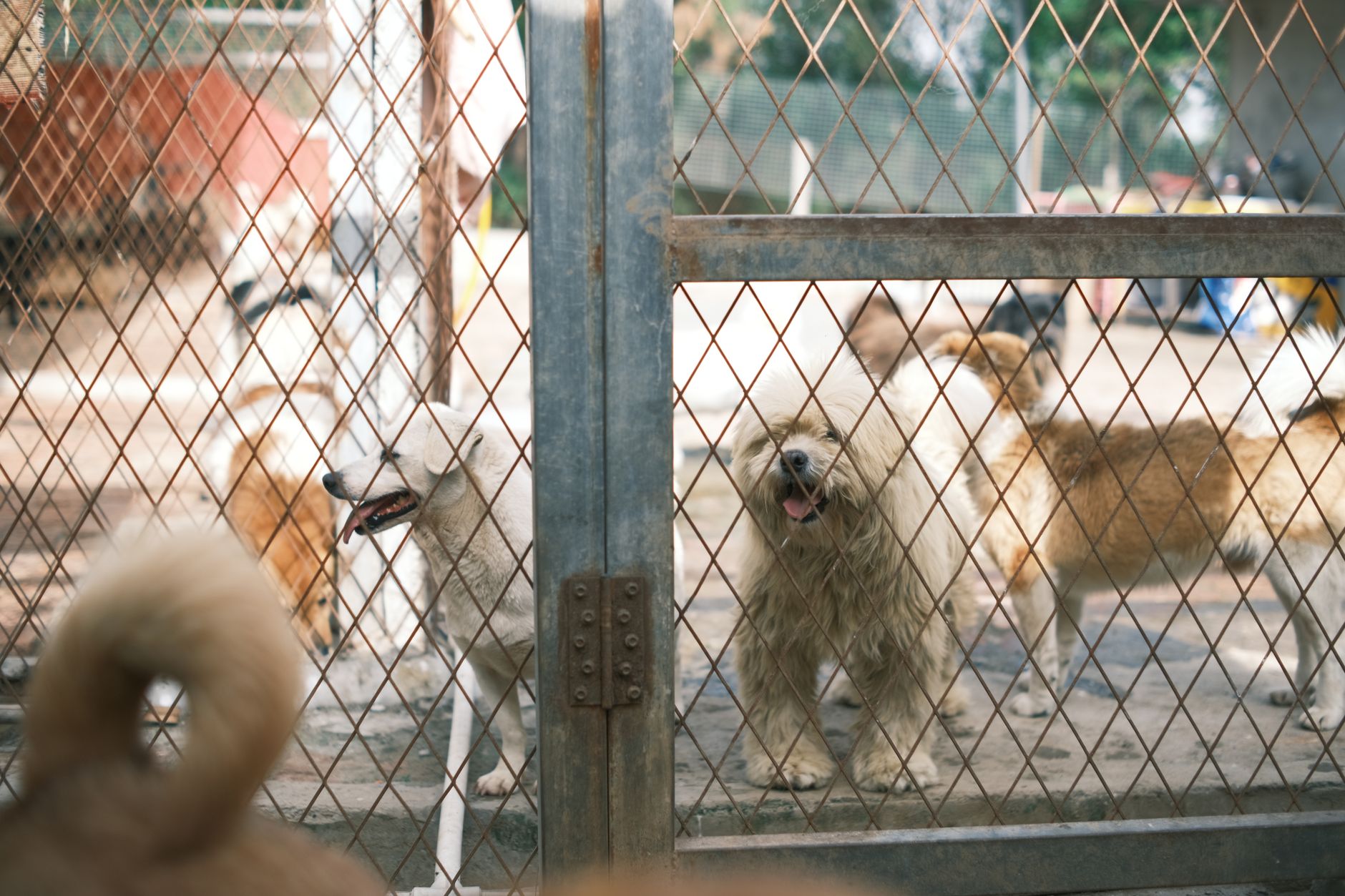
Why Do Dogs Need Kennels? Unveiling the Benefits of Canine Dens
Kennels offer dogs a safe, secure, and comfortable space, acting as their personal den within the home, crucial for stress reduction and promoting a sense of belonging. Understanding why dogs need kennels unlocks a wealth of benefits for both canine and owner.

Introduction: The Importance of Canine Dens
The concept of a dog’s kennel extends far beyond simple confinement. It’s about providing a designated, safe haven, a place where your furry friend can retreat, relax, and feel secure. For dogs, who are naturally denning animals, this space fulfills a deeply ingrained instinct. Why do dogs need kennels? Beyond convenience for owners, it’s about providing a vital element of canine well-being.

Is distilled water good for goldfish?
What colours are fish most attracted to?
Can you put your finger in a trout's mouth?
Is methylene blue anti bacterial?
Benefits of Crate Training

Crate training, and the use of a kennel, offers a multitude of advantages for your dog, significantly improving their emotional and behavioral health.
- Security and Safety: A kennel acts as a safe space, protecting your dog from household hazards or overwhelming situations.
- Stress Reduction: When feeling anxious or stressed, a kennel provides a comforting retreat.
- House Training Aid: Dogs are less likely to soil their sleeping area, making crate training a valuable tool for potty training puppies.
- Travel Safety: A familiar kennel ensures a safer and less stressful travel experience for your dog.
- Prevention of Destructive Behavior: While you’re away, a kennel prevents destructive chewing or other undesirable behaviors stemming from boredom or anxiety.
Choosing the Right Kennel
Selecting the appropriate kennel is critical to ensuring your dog’s comfort and safety. Several factors should be considered:
- Size: The kennel should be large enough for your dog to stand up, turn around, and lie down comfortably. Too large, and it loses its “den” feel.
- Material: Options include wire, plastic, and soft-sided crates. Consider your dog’s temperament and the intended use when selecting the material.
- Ventilation: Adequate ventilation is essential to prevent overheating.
- Durability: The kennel should be sturdy and able to withstand your dog’s weight and activity.
- Portability: If you plan to travel with the kennel, choose a lightweight and easily transportable option.
Here’s a table comparing common kennel types:
| Feature | Wire Kennel | Plastic Kennel | Soft-Sided Kennel |
|---|---|---|---|
| Durability | High | Medium | Low |
| Portability | Medium, can be collapsed | Medium, often bulky | High, lightweight and foldable |
| Ventilation | Excellent | Good | Varies, check ventilation panels |
| Security | High | Medium | Low, not suitable for escape artists |
| Best Use | Home, training, dogs that don’t chew | Travel, air travel compliant options available | Travel, calm dogs, temporary confinement |
Effective Crate Training Techniques
Introducing your dog to their kennel requires patience and positive reinforcement. Here’s a step-by-step guide:
- Introduce the Kennel: Leave the kennel door open and encourage your dog to explore it.
- Make it Comfortable: Place a soft blanket or bed inside to make it inviting.
- Positive Association: Toss treats or toys inside the kennel to create positive associations.
- Feeding in the Kennel: Feed your dog meals inside the kennel to further associate it with positive experiences.
- Gradual Increase in Time: Gradually increase the amount of time your dog spends in the kennel, starting with short intervals.
- Never Use as Punishment: The kennel should always be a safe and positive space, never used for punishment.
- Consistency is Key: Maintain a consistent routine to help your dog adapt to the kennel.
Common Mistakes to Avoid
Avoid these common pitfalls during crate training:
- Forcing Your Dog In: Never force your dog into the kennel, as this will create negative associations.
- Leaving Your Dog in Too Long: Start with short periods and gradually increase the time to avoid anxiety.
- Ignoring Whining: Ignoring whining can be detrimental. Address the underlying cause, such as needing to potty, before reintroducing your dog to the kennel.
- Using the Kennel as Punishment: This will create fear and resentment towards the kennel.
- Lack of Consistency: Inconsistent training will confuse your dog and hinder their progress.
Addressing Separation Anxiety
Kennels can be a helpful tool in managing separation anxiety, but it’s crucial to address the underlying issue.
- Consult with a Veterinarian or Certified Trainer: Seek professional guidance to develop a comprehensive plan to address separation anxiety.
- Gradual Desensitization: Gradually desensitize your dog to your departure cues, such as picking up your keys or putting on your shoes.
- Provide Enrichment: Offer engaging toys and activities to keep your dog occupied while you’re away.
- Never Make a Fuss Upon Leaving or Returning: Keep departures and arrivals calm and low-key.
- Medication: In severe cases, medication may be necessary to manage separation anxiety.
Frequently Asked Questions (FAQs)
Is it cruel to put a dog in a kennel?
Absolutely not, as long as the kennel is used correctly. A kennel serves as a den and provides a sense of security and comfort. It’s only cruel if used for excessive confinement or as punishment.
How long can a dog stay in a kennel?
The amount of time a dog can stay in a kennel depends on their age, breed, and individual needs. Puppies require more frequent bathroom breaks and should not be left in a kennel for extended periods. Adult dogs can typically stay in a kennel for up to 4-6 hours during the day, but never for extended periods without breaks for exercise and socialization.
Can I leave my dog in a kennel overnight?
Yes, many dogs sleep comfortably in their kennels overnight. If your dog is properly crate trained and views the kennel as their safe space, it can provide a sense of security and promote restful sleep. Make sure they have access to water and a comfortable bed.
What if my dog hates the kennel?
If your dog hates the kennel, it’s important to reassess your training methods. Start slowly, using positive reinforcement and making the kennel a positive experience. Never force your dog into the kennel. Consider consulting a professional dog trainer for assistance.
How do I clean a dog kennel?
Regular cleaning is essential to maintain a hygienic environment. Remove bedding and wash it regularly. Wipe down the kennel with a mild soap and water solution. Ensure it is completely dry before returning your dog to the kennel. Avoid using harsh chemicals or strong-smelling cleaners.
What size kennel do I need?
The kennel should be large enough for your dog to stand up, turn around, and lie down comfortably. Measure your dog from nose to tail and add a few inches to determine the appropriate length. Measure your dog’s height from the top of their head to the floor to determine the appropriate height.
Can a kennel help with house training?
Yes, kennel training can be a valuable aid in house training. Dogs are naturally reluctant to soil their sleeping area, making the kennel a useful tool for establishing a potty-training routine. Take your dog outside for potty breaks immediately after they come out of the kennel.
What are the benefits of using a kennel when traveling?
A kennel provides a safe and familiar space for your dog during travel. It helps to reduce stress and anxiety, ensuring a more comfortable and secure journey. It also protects your dog from potential hazards, such as being loose in the car.
Should I put toys in the kennel with my dog?
Yes, providing toys in the kennel can help to keep your dog entertained and reduce boredom. Choose safe and durable toys that your dog cannot easily destroy or swallow. Rotate the toys regularly to keep them interesting.
My dog whines when in the kennel, what should I do?
Whining can indicate several issues. It could mean they need to go to the bathroom, are hungry, or are feeling anxious. Before assuming it’s simply anxiety, take them outside and ensure their basic needs are met. If the whining continues and you’ve ruled out other needs, consider consulting a trainer to address potential separation anxiety.
At what age should I start kennel training my puppy?
The sooner you start kennel training your puppy, the better. Ideally, begin as soon as you bring your puppy home. Puppies are more receptive to training and are more likely to adapt to the kennel as a safe and positive space.
Is it ok to cover my dog’s kennel?
Covering a dog’s kennel can provide a sense of security and privacy, especially for dogs who are anxious or easily startled. However, ensure there is adequate ventilation to prevent overheating. You can use a blanket or a commercially available kennel cover. Why do dogs need kennels? Partially covering it can provide the “den” feeling and sense of safety, making the kennel even more helpful!