

Decoding the Green Mystery: What is the Green Stuff in the Lobster?
The green stuff in the lobster, often called tomalley, is the lobster’s hepatopancreas, functioning as its liver and pancreas. This organ plays a vital role in the lobster’s digestion and nutrient processing, making it a concentrated source of nutrients and potentially toxins.

The Enigmatic Tomalley: A Lobster’s Inner Workings
Many diners, especially those new to lobster consumption, are initially puzzled, perhaps even alarmed, by the presence of a soft, green substance inside the lobster’s body cavity. This substance is tomalley, derived from the Latin word “tumere,” meaning “to swell.” Understanding its function and implications is crucial for an informed and enjoyable culinary experience.

What colours are fish most attracted to?
Can you put your finger in a trout's mouth?
Is methylene blue anti bacterial?
Does aquarium salt raise pH in aquarium?
The Multifaceted Role of the Hepatopancreas
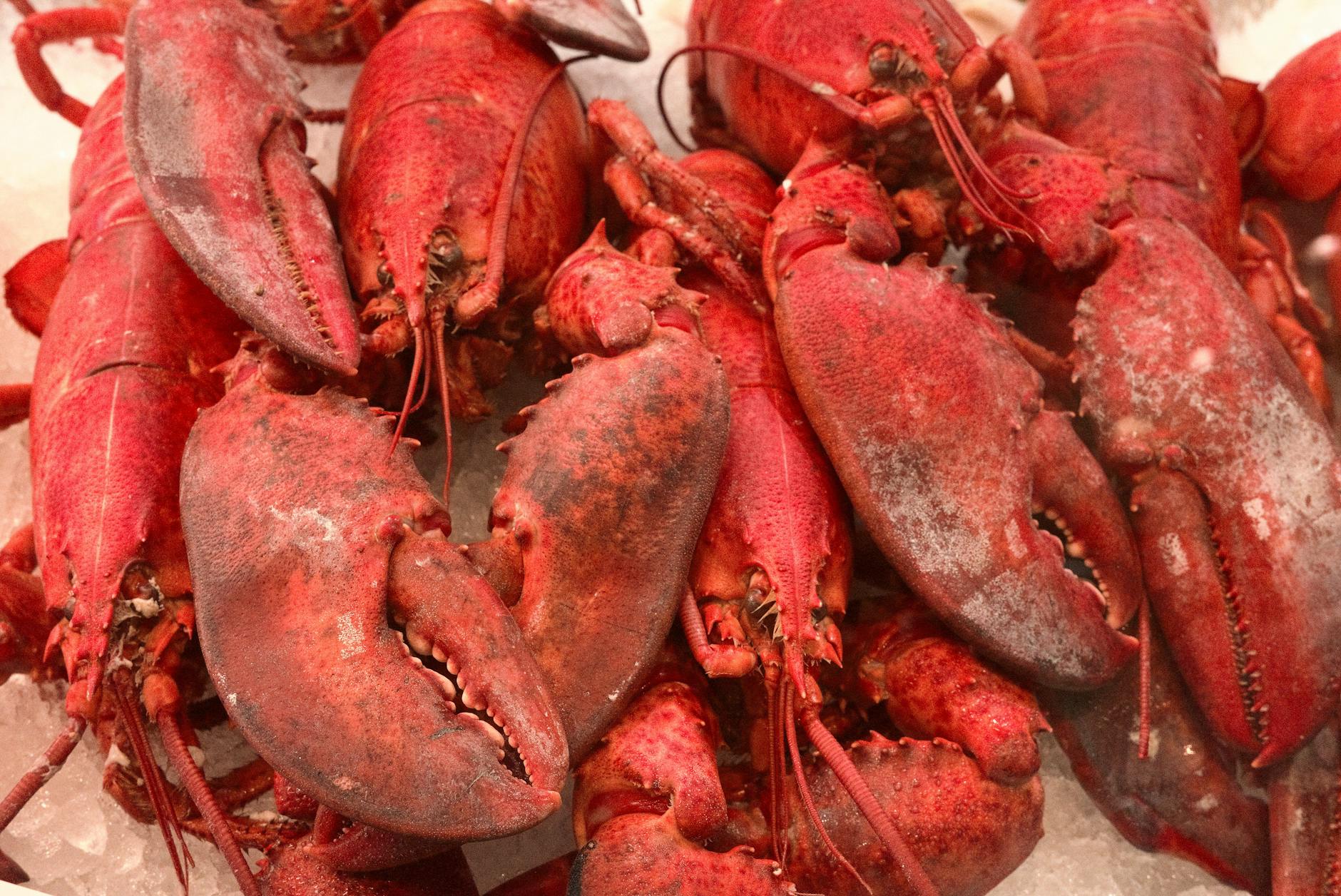
The green stuff in the lobster, the hepatopancreas, is analogous to the liver and pancreas in mammals. Its primary functions include:
- Digestion: It secretes digestive enzymes that aid in breaking down food.
- Nutrient Absorption: It absorbs nutrients from the digested food.
- Energy Storage: It stores energy in the form of glycogen and lipids.
- Waste Filtration: It filters waste products from the hemolymph (lobster blood).
Because of its functions, the tomalley is a potent source of nutrients, including:
- Fats
- Proteins
- Vitamins
- Minerals
However, this same function also makes it susceptible to accumulating toxins from the lobster’s environment.
Culinary Uses and Appreciation
In many cultures, the tomalley is considered a delicacy. Its rich, savory flavor is often described as a concentrated taste of the sea. It can be:
- Eaten directly from the lobster’s body cavity.
- Used as an ingredient in sauces and soups.
- Incorporated into stuffings for other seafood dishes.
Chefs often use the tomalley to enhance the umami flavor of dishes, leveraging its intense seafood essence.
Potential Risks: Contaminants and Allergies
While the green stuff in the lobster is often prized for its flavor, potential health risks exist. The hepatopancreas can accumulate toxins from the lobster’s environment, including:
- Paralytic Shellfish Poisoning (PSP) toxins – especially in regions experiencing algal blooms.
- Heavy metals such as cadmium and mercury.
- Industrial pollutants.
Furthermore, individuals with shellfish allergies should exercise caution, as the tomalley can trigger allergic reactions. Consuming large quantities or consuming tomalley from lobsters harvested in contaminated waters can pose health risks. Regulations regarding shellfish harvesting and consumption exist to mitigate these risks.
Making an Informed Decision
Ultimately, whether or not to consume the tomalley is a personal decision. Consider the following:
- Source of the lobster: Inquire about the origin of the lobster to assess potential contamination risks.
- Health Advisories: Be aware of any health advisories issued by local authorities regarding shellfish consumption in the area.
- Individual Health: Individuals with pre-existing health conditions, particularly liver or kidney problems, should exercise caution.
- Quantity: Moderate consumption is generally safer than consuming large quantities.
| Factor | Consideration |
|---|---|
| Lobster Origin | Was it harvested from clean, regulated waters? |
| Health Alerts | Are there any warnings about shellfish consumption in the area? |
| Personal Health | Do you have pre-existing conditions that might be exacerbated? |
| Consumption | How much tomalley are you planning to eat? |
Frequently Asked Questions (FAQs)
Is the green stuff in the lobster safe to eat?
The tomalley can be safe to eat in moderation, depending on the source of the lobster and local health advisories. However, because it filters toxins, it can accumulate contaminants and should be consumed cautiously. Always check for warnings issued by health authorities concerning shellfish in your region.
What does tomalley taste like?
The taste of tomalley is often described as a concentrated, intensely savory seafood flavor, almost like a lobster bisque in its purest form. Some describe it as a combination of butter, lobster, and a hint of sea salt.
Why is it called “tomalley?”
The name “tomalley” is derived from the Latin word “tumere,” meaning “to swell,” likely referring to the appearance of the organ within the lobster. The word has been used for centuries to describe this specific anatomical feature.
Does all lobster have tomalley?
Yes, all lobsters possess a hepatopancreas (tomalley). The size and color may vary depending on the lobster’s diet, health, and stage of development.
What is the yellow stuff in the lobster?
The yellow substance is called coral, and it is the female lobster’s roe, or eggs. Like the tomalley, it is edible and considered a delicacy by many, but it also should be eaten with caution if there are any health warnings about local seafood.
Can the tomalley make you sick?
Consuming contaminated tomalley can potentially make you sick due to the accumulation of toxins from the lobster’s environment. This is more likely to occur in areas with pollution or algal blooms. Symptoms can range from mild gastrointestinal distress to more severe neurological effects depending on the specific toxin.
Are there any health benefits to eating tomalley?
The tomalley is rich in nutrients, including fats, proteins, vitamins, and minerals. However, the potential risks of consuming toxins often outweigh the benefits, making it a questionable health food.
How do I know if the tomalley is safe to eat?
The best way to determine if tomalley is safe to eat is to research the source of the lobster. Check for local health advisories regarding shellfish consumption in that area. If in doubt, it is best to err on the side of caution and avoid consuming it.
Can I cook with tomalley?
Yes, tomalley can be used in cooking to add a rich, seafood flavor to sauces, soups, and stuffings. It’s essential to use tomalley from a reputable source and cook it thoroughly.
Is it ethical to eat tomalley?
The ethical considerations surrounding eating tomalley are similar to those related to consuming other animal products. Some individuals may have moral objections to eating any animal organs, while others may consider it acceptable as long as the animal was harvested sustainably and humanely.
How does tomalley compare to other shellfish organs?
Many shellfish have organs analogous to the lobster’s hepatopancreas. However, the taste, texture, and potential risks associated with consuming these organs can vary significantly.
What should I do if I accidentally ate tomalley and I’m feeling sick?
If you experience symptoms such as nausea, vomiting, diarrhea, or neurological changes after eating tomalley, seek medical attention immediately. Inform your doctor about the potential for shellfish poisoning so they can provide appropriate treatment.