
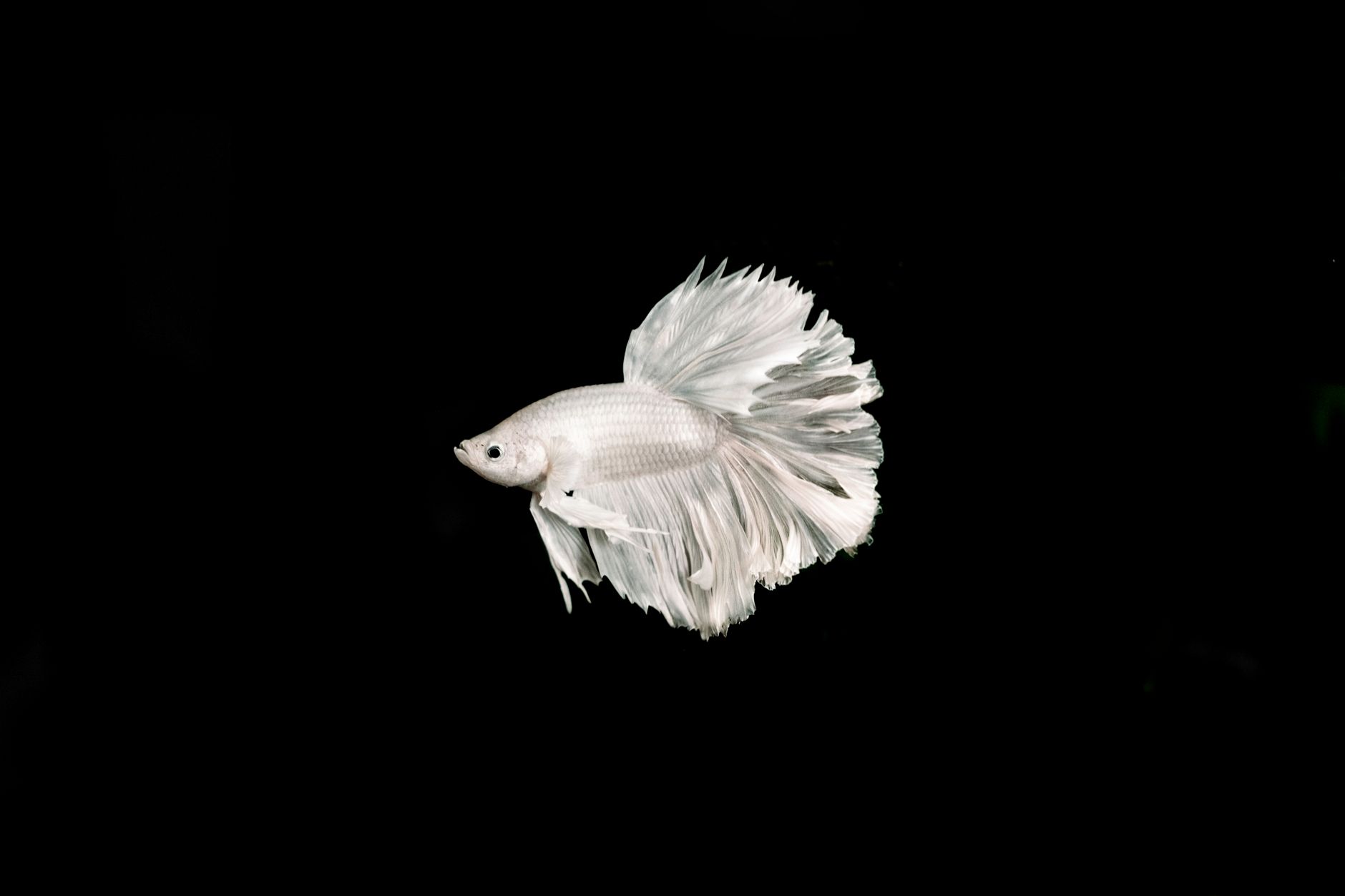
Why Do Betta Fish Fins Fall Off? Understanding Fin Loss in Bettas
Betta fish fins fall off primarily due to fin rot, a bacterial or fungal infection often triggered by poor water quality, injury, or stress; less common causes include tail biting and physical damage. Early detection and prompt treatment are crucial for preventing severe fin damage and ensuring the betta’s survival.
Introduction: A Delicate Beauty
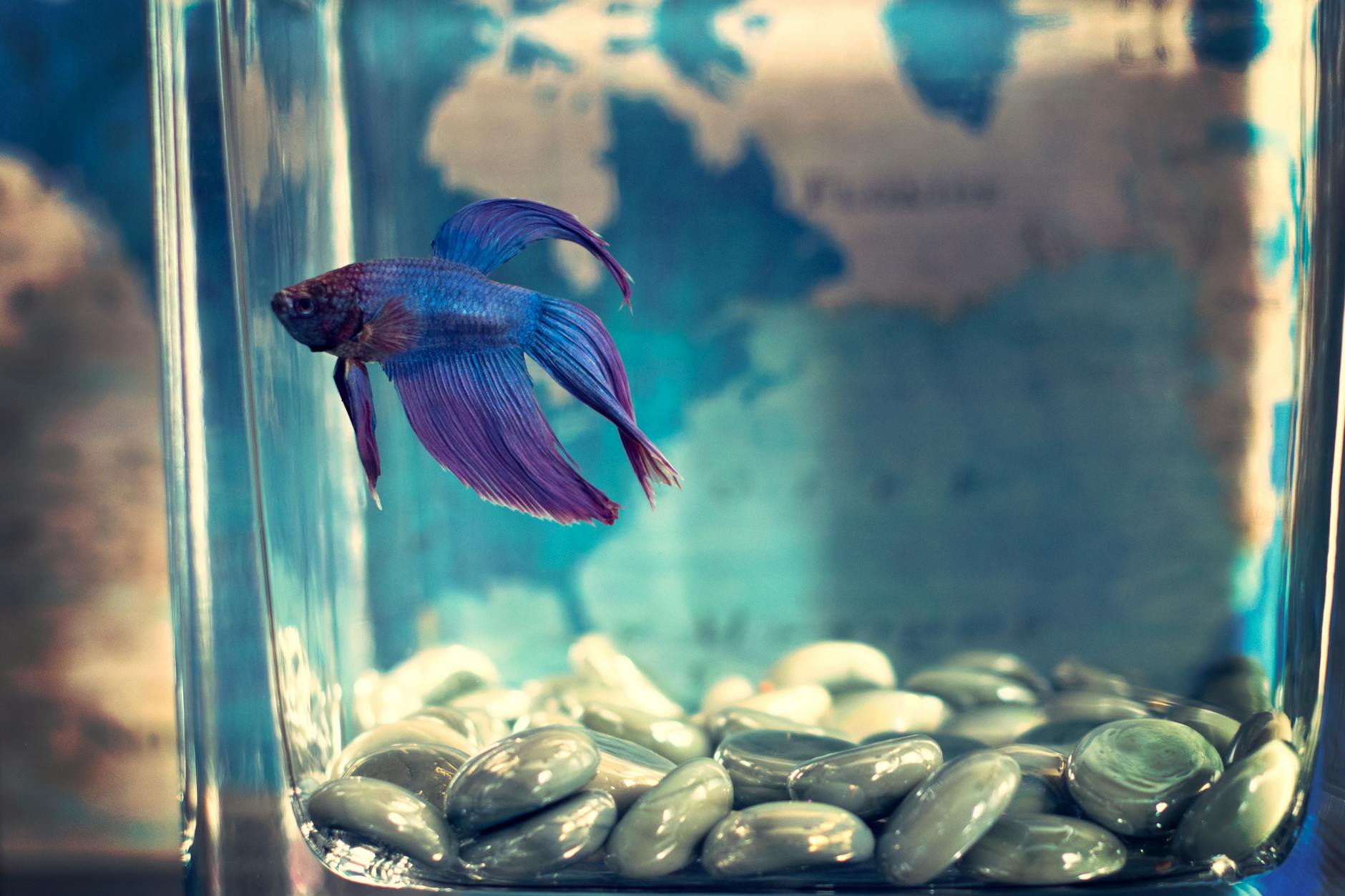
Betta splendens, commonly known as betta fish or Siamese fighting fish, are celebrated for their vibrant colors and flowing fins. These majestic fins, however, are also susceptible to various ailments, the most concerning being fin loss. Understanding the underlying causes of betta fish fins falling off is essential for any betta owner to ensure the health and well-being of their aquatic companion. This article provides a comprehensive guide to recognizing, preventing, and treating fin loss in betta fish, offering practical advice from an expert’s perspective.
How intelligent are fish?
Are fish heads good for the garden?
Can fish hear water?
What is cotton rot in fish?
Causes of Fin Loss in Betta Fish

Several factors can contribute to the degradation and eventual loss of a betta’s fins. Identifying the root cause is the first step toward effective treatment.
-
Fin Rot: The most common culprit. Fin rot is typically caused by bacterial or, less frequently, fungal infections that thrive in poor water conditions. The infection attacks the fin tissue, causing it to fray, discolor (often turning black or white at the edges), and eventually disintegrate.
-
Tail Biting: Some bettas, especially those with long or heavy fins, may bite their own tails out of boredom, stress, or genetic predisposition. This self-mutilation leads to ragged, uneven fin edges and can create open wounds susceptible to secondary infections.
-
Physical Injury: A betta’s delicate fins can be easily damaged by sharp objects in the tank, aggressive tank mates (bettas should generally be kept alone), or even during routine tank maintenance. Such injuries can weaken the fins, making them vulnerable to infections.
-
Poor Water Quality: Unclean water, with high levels of ammonia, nitrites, and nitrates, weakens the betta’s immune system and makes it more susceptible to infections like fin rot.
-
Stress: Stress can weaken a betta’s immune system, increasing its vulnerability to disease. Stressors include sudden temperature changes, loud noises, inadequate tank size, and aggressive tank mates.
Identifying Fin Rot: Early Signs
Early detection is critical for successfully treating fin rot. Be vigilant and observe your betta’s fins regularly for these telltale signs:
- Frayed Fin Edges: The fins appear ragged and uneven, as if they’ve been torn.
- Discoloration: The edges of the fins may turn black, white, or brown.
- Shortening Fins: The fins gradually become shorter as the infected tissue disintegrates.
- Lethargy: The betta may become less active and spend more time resting at the bottom of the tank.
- Loss of Appetite: The betta may show little or no interest in food.
Preventing Fin Loss: A Proactive Approach
Prevention is always better than cure. By maintaining optimal tank conditions and minimizing stress, you can significantly reduce the risk of your betta developing fin rot or other fin-related problems.
-
Maintain Excellent Water Quality:
- Regularly test the water for ammonia, nitrites, and nitrates.
- Perform partial water changes (25-50%) weekly to remove accumulated waste.
- Use a high-quality water conditioner to dechlorinate tap water.
-
Provide an Appropriate Tank Environment:
- A minimum tank size of 5 gallons is recommended for a single betta.
- Maintain a stable water temperature between 78-82°F (25-28°C).
- Provide gentle filtration to remove debris without creating strong currents.
- Decorate the tank with smooth, non-abrasive ornaments and live or silk plants.
-
Reduce Stress:
- Avoid placing the tank in high-traffic areas or near loud noises.
- Avoid sudden changes in water temperature or chemistry.
- Never keep bettas with aggressive tank mates; they are best housed alone.
- Provide hiding places to allow the betta to feel secure.
Treatment Options for Fin Rot
If your betta develops fin rot, prompt treatment is essential to prevent further damage.
- Improve Water Quality: Perform a large water change (50-75%) and continue to monitor water parameters closely.
- Quarantine the Betta: Move the affected betta to a separate quarantine tank to prevent the spread of infection.
- Salt Treatment: Add aquarium salt (1 teaspoon per gallon) to the quarantine tank. Salt can help to inhibit bacterial growth and promote healing. Use aquarium salt specifically, not table salt.
- Medications: If salt treatment is insufficient, consider using a commercial medication specifically designed for treating fin rot. Follow the manufacturer’s instructions carefully. Common medications include those containing methylene blue, erythromycin, or tetracycline.
- Monitor Closely: Observe the betta’s fins closely for signs of improvement. Continue treatment until the infection is completely cleared.
Addressing Tail Biting
If tail biting is suspected, address the underlying cause of stress or boredom.
- Provide Enrichment: Add more hiding places, such as caves or plants, to the tank.
- Increase Tank Size: If the tank is small, consider upgrading to a larger one.
- Reduce Stress: Eliminate any potential stressors, such as loud noises or sudden changes in water conditions.
- Ensure a Proper Diet: A balanced and varied diet can help to reduce stress.
Table: Comparing Causes and Treatments of Fin Loss
| Cause | Symptoms | Treatment |
|---|---|---|
| Fin Rot | Frayed fins, discoloration (black/white edges), shortening fins, lethargy | Improve water quality, quarantine, salt treatment, antibiotics/antifungals |
| Tail Biting | Ragged, uneven fins, self-inflicted wounds | Provide enrichment, increase tank size, reduce stress, ensure proper diet |
| Physical Injury | Torn fins, inflammation | Improve water quality, prevent secondary infections (salt, antibiotics if needed), remove sharp objects |
| Poor Water Quality | Lethargy, loss of appetite, fin degradation | Immediately perform water change, monitor water parameters closely, establish regular water change routine |
Frequently Asked Questions (FAQs)
Can betta fins grow back after fin rot?
Yes, betta fish fins can often grow back after fin rot, especially if the condition is caught and treated early. New growth may be slightly different in color or shape compared to the original fin, but with proper care and clean water, the fins should regenerate. Severe cases might cause permanent damage.
How quickly can fin rot kill a betta fish?
The speed at which fin rot can kill a betta depends on the severity of the infection and the betta’s overall health. In severe cases, fin rot can be fatal within a few days to a week if left untreated. Early intervention is crucial for preventing serious complications.
What is the best medication for fin rot in betta fish?
The best medication for fin rot depends on whether it’s bacterial or fungal. For bacterial fin rot, antibiotics like erythromycin or tetracycline are often effective. For fungal fin rot, antifungal medications like methylene blue can be used. Always follow the manufacturer’s instructions carefully and monitor the betta for any adverse reactions.
Is aquarium salt safe for betta fish?
Yes, aquarium salt is generally safe for betta fish when used in appropriate concentrations. It can help to treat and prevent infections and promote healing. However, it’s important to use aquarium salt specifically and to avoid overdosing, as excessive salt can be harmful. The recommended dosage is usually around 1 teaspoon per gallon.
How often should I change the water in my betta’s tank?
You should aim to change 25-50% of the water in your betta’s tank weekly. This helps to remove accumulated waste and maintain good water quality. If the tank is heavily stocked or if water parameters are consistently unstable, more frequent water changes may be necessary.
What are the signs of a healthy betta fish?
A healthy betta fish is active, has bright colors, and displays a good appetite. Its fins should be intact and free from tears or discoloration. A healthy betta will also be alert and responsive to its surroundings.
Can stress cause fin rot in betta fish?
Yes, stress can weaken a betta’s immune system, making it more susceptible to infections like fin rot. Minimize stress by providing an appropriate tank environment, maintaining good water quality, and avoiding sudden changes.
What is the ideal tank size for a betta fish?
The ideal tank size for a single betta fish is at least 5 gallons. Larger tanks are always better, as they provide more space for the fish to swim and explore and help to maintain more stable water parameters.
Can betta fish live with other fish?
Bettas are best kept alone, but certain peaceful tankmates can be introduced with caution in larger, well-established tanks. Avoid other brightly colored, long-finned fish that might be mistaken for rivals. Always monitor for aggression and remove any fish that harasses the betta.
Why does my betta’s fin look black at the edges?
Black edges on a betta’s fins can indicate either fin rot or new fin growth after an injury or previous infection. If the black edges are accompanied by fraying or shortening of the fins, it’s likely fin rot. If the fins are otherwise healthy, the black edges may simply be new growth.
What temperature should I keep my betta fish tank at?
The ideal temperature for a betta fish tank is between 78-82°F (25-28°C). This temperature range promotes optimal health and activity. Use a reliable aquarium heater to maintain a stable temperature.
Why do betta fish fins fall off if they are constantly stressed?
Constant stress significantly weakens a betta’s immune system, making them highly susceptible to opportunistic infections like fin rot, one of the primary reasons why betta fish fins fall off. Stress also triggers behavioral changes like tail-biting, directly leading to fin damage. Minimizing stressors is crucial for preventing fin issues and promoting overall betta health.