
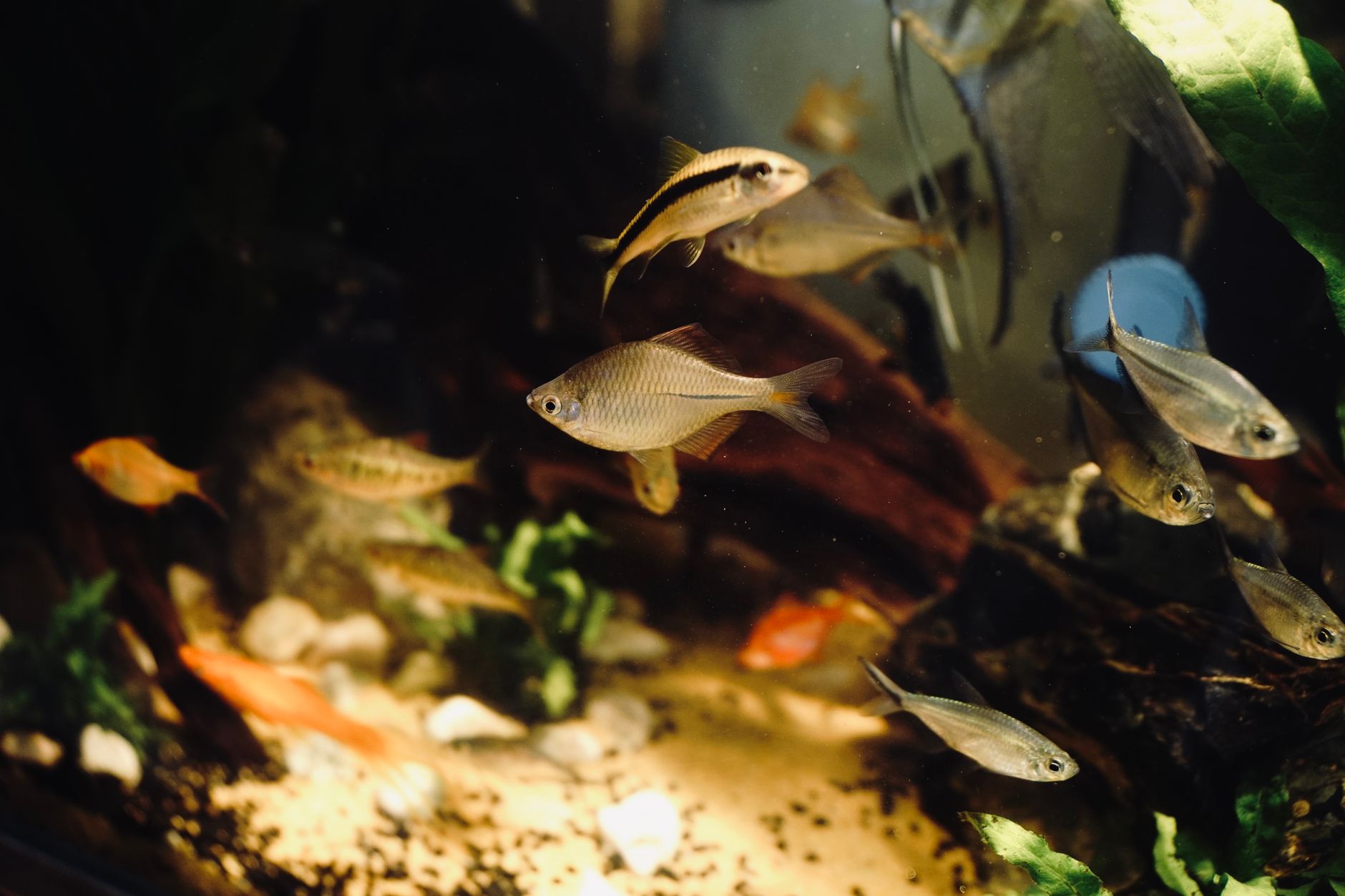
What is the Easiest Gourami to Breed?
The thick-lipped gourami (Trichogaster labiosa) stands out as the easiest gourami to breed, renowned for its adaptability, peaceful nature, and relatively straightforward breeding requirements compared to other gourami species. These qualities make it an ideal choice for beginner aquarists looking to experience the joys of fish breeding.

Introduction to Breeding Gouramis
Gouramis, belonging to the Osphronemidae family, are popular freshwater fish known for their labyrinth organ, which allows them to breathe atmospheric air. This adaptation is crucial for breeding, as it enables them to thrive in environments with lower oxygen levels, common in shallow, stagnant waters where they often construct their bubble nests. Breeding gouramis can be a rewarding experience, offering insights into their fascinating behaviors and life cycles. However, the level of difficulty varies significantly between species. This article explores the easiest gourami to breed and outlines the necessary steps for successful propagation.

Is distilled water good for goldfish?
What colours are fish most attracted to?
Can you put your finger in a trout's mouth?
Is methylene blue anti bacterial?
Why the Thick-Lipped Gourami?

Several factors contribute to the thick-lipped gourami’s status as the easiest gourami to breed:
- Adaptability: They are relatively tolerant of varied water parameters, reducing the risk of breeding failure due to unsuitable conditions.
- Peaceful Temperament: Less aggression among adults simplifies the breeding process and reduces stress on the fish.
- Simple Nest Building: The males readily build bubble nests, an essential prerequisite for successful spawning.
- Hardy Fry: The fry are generally hardy and easier to raise compared to those of other gourami species.
- Readily Available: Thick-lipped gouramis are commonly found in aquarium stores, making them accessible to hobbyists.
Setting Up the Breeding Tank
Creating a suitable environment is crucial for successful breeding. Here’s what you’ll need:
- Tank Size: A 10-gallon tank is sufficient for a pair of thick-lipped gouramis.
- Water Parameters:
- Temperature: 80-82°F (26-28°C)
- pH: 6.5-7.0
- Water Hardness: Soft to moderately hard
- Filtration: A sponge filter is recommended as it provides gentle filtration and won’t suck up the fry.
- Decorations: Provide floating plants like Ceratophyllum demersum (Hornwort) or Pistia stratiotes (Water Lettuce) to help the male build his bubble nest and offer the fry hiding places.
- Substrate: A bare bottom tank is easiest for cleaning and observing the fry. Alternatively, a layer of fine gravel can be used.
The Breeding Process: Step-by-Step
- Conditioning: Feed the breeding pair a varied diet of live and frozen foods, such as bloodworms, brine shrimp, and daphnia, for several weeks to promote spawning readiness.
- Introducing the Pair: Carefully introduce the male and female to the breeding tank.
- Nest Building: The male will begin building a bubble nest at the surface of the water, usually under floating plants.
- Spawning: Once the nest is complete, the male will court the female and embrace her under the nest. The female will release eggs, which the male will fertilize and place in the nest.
- Removing the Female: After spawning, remove the female from the tank to prevent her from eating the eggs.
- Fry Care: Once the fry hatch (usually within 24-36 hours), they will initially feed on their yolk sacs. After a few days, they will need infusoria or liquid fry food.
- Growing Out: As the fry grow, gradually introduce larger foods like microworms and baby brine shrimp. Perform regular water changes to maintain water quality.
Common Mistakes to Avoid
- Aggression: While thick-lipped gouramis are generally peaceful, some individuals may exhibit aggression. Monitor the pair closely and separate them if necessary.
- Poor Water Quality: Maintaining good water quality is crucial for both the breeding pair and the fry. Perform regular water changes and avoid overfeeding.
- Lack of Floating Plants: Floating plants provide essential cover for the fry and help the male build his bubble nest.
- Inadequate Food: Providing the fry with appropriate food is essential for their growth and survival. Start with infusoria and gradually introduce larger foods as they grow.
- Cold Temperatures: Maintaining a stable and warm temperature is critical for successful breeding.
Comparing Breeding Difficulty: Gourami Species
| Gourami Species | Breeding Difficulty | Temperament | Nest Type | Fry Care |
|---|---|---|---|---|
| Thick-Lipped Gourami | Easy | Peaceful | Bubble Nest | Relatively Easy |
| Honey Gourami | Easy to Moderate | Peaceful | Bubble Nest | Moderately Easy |
| Dwarf Gourami | Moderate | Peaceful | Bubble Nest | Moderate |
| Pearl Gourami | Moderate to Difficult | Peaceful | Bubble Nest | Difficult |
| Kissing Gourami | Difficult | Semi-Aggressive | None (Egg Scatterer) | Very Difficult |
| Blue/Three-Spot Gourami | Moderate | Semi-Aggressive | Bubble Nest | Moderate |
FAQ
What water parameters are critical for breeding thick-lipped gouramis?
The most important water parameters are temperature, which should be maintained between 80-82°F (26-28°C), and pH, ideally between 6.5 and 7.0. Keeping these stable is crucial for egg development and fry survival.
How do I know if my thick-lipped gouramis are ready to breed?
Signs that your gouramis are ready to breed include the male displaying brighter colors, the female becoming plump with eggs, and the male starting to build a bubble nest. These are clear indicators of spawning readiness.
What is infusoria, and how do I culture it for the fry?
Infusoria is a term for microscopic organisms that are an ideal first food for gourami fry. You can culture infusoria by placing decaying organic matter, like banana peels, in water and allowing it to sit for a few days until the water becomes cloudy.
How often should I feed the gourami fry?
Gourami fry should be fed multiple times a day, ideally 3-4 times, with small amounts of food. Overfeeding can lead to poor water quality.
When can I move the gourami fry to a larger tank?
Once the fry are large enough to avoid being eaten by other fish and are able to consume larger foods like baby brine shrimp (around 2-3 weeks old), they can be moved to a larger grow-out tank.
Do I need to cover the breeding tank?
Yes, covering the breeding tank with a lid is highly recommended. This helps maintain a stable temperature and humidity above the water surface, which is crucial for the development of the fry’s labyrinth organ.
How long does it take for thick-lipped gourami eggs to hatch?
Under optimal conditions, thick-lipped gourami eggs typically hatch within 24-36 hours. However, temperature can influence the hatching time.
What should I do if the male eats the eggs?
While rare, a male gourami might eat the eggs due to stress or inexperience. If this happens, remove the male after he has spawned in future breeding attempts.
Can I breed thick-lipped gouramis in a community tank?
Breeding in a community tank is generally not recommended. The other fish may eat the eggs or fry, and the breeding pair may be stressed by the presence of other tank mates.
What size water changes should I perform in the fry tank?
Perform small, frequent water changes of about 10-20% every few days to maintain water quality without disturbing the fry too much.
How can I prevent diseases in the fry tank?
Preventing diseases in the fry tank requires maintaining excellent water quality, avoiding overfeeding, and quarantining any new plants or decorations before adding them to the tank.
What if the male does not build a bubble nest?
If the male is not building a nest, check the water parameters, provide plenty of floating plants, and ensure there is minimal water surface agitation. A stable and calm environment is crucial for nest building.