
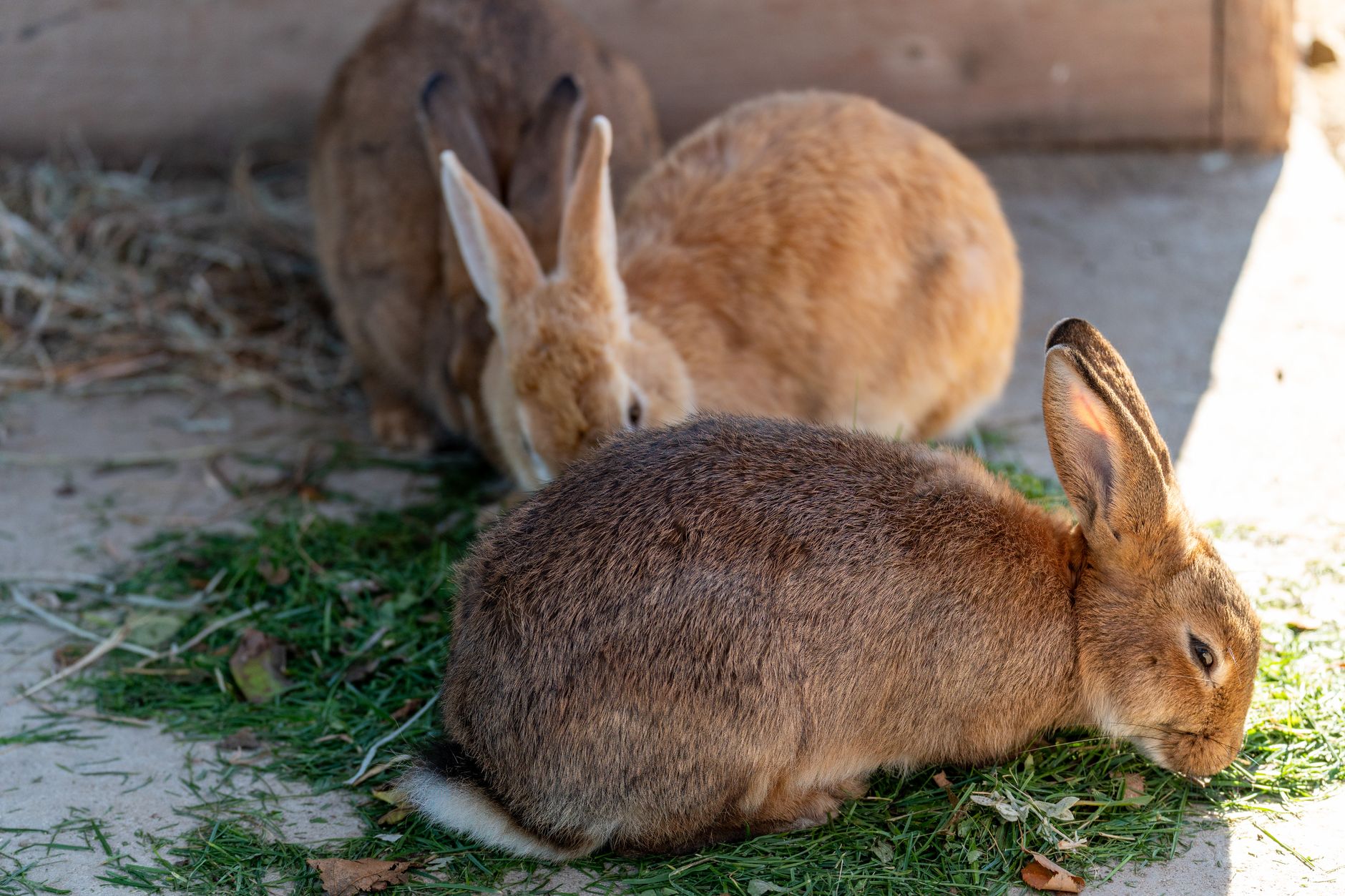
Are Rabbits Rodents? Untangling the Lagomorph Lineage
Rabbits are not rodents. They belong to a distinct order called Lagomorpha, characterized by unique dental features and evolutionary history that set them apart from the rodent order.

Unveiling the Rabbit’s True Identity: A Historical Perspective
For many years, rabbits were classified within the Rodentia order. This was largely due to superficial similarities in their gnawing teeth. However, advances in anatomical studies, particularly in dental morphology, and later, genetic analysis, revealed key differences that warranted their reclassification. Understanding this journey is crucial to answering the question “Are rabbits a rodent?” and grasping the intricacies of mammalian taxonomy.
What colours are fish most attracted to?
Can you put your finger in a trout's mouth?
Is methylene blue anti bacterial?
Does aquarium salt raise pH in aquarium?
Key Differences: Dental Distinctions

The most significant distinguishing factor between rabbits and rodents lies in their dental arrangement.
- Incisors: Rodents have a single pair of incisors in the upper jaw, while rabbits possess two pairs, the second pair being smaller and located directly behind the first. These small incisors are called peg teeth.
- Molars and Premolars: The number and arrangement of molars and premolars also differ significantly between the two groups.
This seemingly minor difference in dentition has profound implications for their feeding habits and evolutionary trajectory. The double set of incisors in rabbits is a defining characteristic of the Lagomorpha order. It’s a compelling piece of evidence against the idea that “are rabbits a rodent?“
Evolutionary Divergence: A Tale of Two Orders
Molecular studies and fossil records confirm that the evolutionary paths of Lagomorpha and Rodentia diverged a long time ago. The two orders are only distantly related, having branched off from a common ancestor millions of years ago. This deep evolutionary split underscores the fundamental differences between them and solidifies the conclusion that “are rabbits a rodent?” is definitively no.
The Order Lagomorpha: More Than Just Rabbits
The order Lagomorpha encompasses rabbits, hares, and pikas. These animals share common characteristics that set them apart from rodents:
- Double set of incisors: As previously mentioned, this is the defining feature.
- Herbivorous diet: They are primarily herbivores, consuming grasses, leaves, and other plant matter.
- Coprophagy: A unique digestive process where they excrete and re-ingest soft fecal pellets to extract maximum nutrients.
Shared Characteristics: Why the Confusion?
While rabbits and rodents are distinct, they do share some characteristics that may have contributed to the historical confusion:
- Gnawing: Both groups possess continuously growing incisors that require gnawing to maintain their length.
- Small size: Many rodents and rabbits are relatively small in size.
- Herbivorous diets: Both consume primarily plant-based diets.
These superficial similarities, however, mask deeper anatomical and genetic differences that clearly distinguish them. The answer to “are rabbits a rodent?” remains a resounding no, regardless of these shared traits.
Importance of Accurate Classification
Accurate classification is crucial for:
- Understanding evolutionary relationships: Proper taxonomy helps us trace the evolutionary history of different species.
- Conservation efforts: Knowing the relationships between species is essential for effective conservation strategies.
- Medical research: Understanding the physiological differences between groups is crucial for biomedical research.
Therefore, knowing the difference between rabbits and rodents has importance beyond a single animal.
Comparing Rabbits (Lagomorpha) and Rodents (Rodentia): A Table
| Feature | Rabbits (Lagomorpha) | Rodents (Rodentia) |
|---|---|---|
| Incisors (Upper) | Two pairs | One pair |
| Peg Teeth | Present | Absent |
| Evolutionary History | Distinct Branch | Distinct Branch |
| Examples | Rabbits, Hares, Pikas | Mice, Rats, Squirrels |
The Impact of Reclassification
The reclassification of rabbits from Rodentia to Lagomorpha had a significant impact on our understanding of mammalian evolution. It highlighted the importance of detailed anatomical and genetic analysis in determining evolutionary relationships. The initial grouping was due to a broad generalization based on tooth use but through precise examination, they were correctly organized.
Conclusion
Rabbits are fascinating creatures with a unique evolutionary history. While they share some superficial similarities with rodents, their distinct dental arrangement, evolutionary divergence, and other characteristics clearly place them in the order Lagomorpha. Understanding these differences is essential for appreciating the diversity of the animal kingdom and the complexities of mammalian taxonomy. Therefore, “are rabbits a rodent?” is definitively answered with a firm no.
Frequently Asked Questions (FAQs)
Are rabbits related to rodents at all?
While rabbits and rodents are not closely related, they do share a distant common ancestor from millions of years ago. This means they are part of the broader group of mammals, but their evolutionary paths diverged significantly over time.
What are the main characteristics of the Lagomorpha order?
The main characteristics of Lagomorpha include having two pairs of incisors in the upper jaw (including peg teeth), a primarily herbivorous diet, and the unique practice of coprophagy.
Do rabbits have any other unique anatomical features besides their teeth?
Yes, rabbits have powerful hind legs adapted for leaping, a relatively short tail, and a specialized digestive system that allows them to efficiently extract nutrients from plant matter.
Why were rabbits initially classified as rodents?
Rabbits were initially classified as rodents due to the superficial similarity in their continuously growing incisors and their gnawing behavior.
How did scientists discover that rabbits were not rodents?
Scientists discovered that rabbits were not rodents through detailed anatomical studies of their teeth and skulls, as well as genetic analysis that revealed their distinct evolutionary lineage.
What is coprophagy, and why do rabbits do it?
Coprophagy is the practice of re-ingesting soft fecal pellets. Rabbits do this to extract additional nutrients, particularly vitamins and minerals, that were not fully absorbed during the first passage through the digestive system.
Are hares and rabbits in the same family?
Hares and rabbits belong to the same order (Lagomorpha) but different families. Rabbits belong to the family Leporidae.
What is the difference between a rabbit and a hare?
Hares are generally larger than rabbits, have longer ears and legs, and are born precocial (relatively mature and mobile). Rabbits are typically smaller, have shorter ears and legs, and are born altricial (immature and dependent on their mothers).
Do rabbits gnaw like rodents?
Yes, rabbits gnaw to wear down their continuously growing incisors, similar to rodents. However, the underlying dental structure is different.
Are there any endangered species of rabbits or hares?
Yes, several species of rabbits and hares are endangered due to habitat loss, hunting, and other threats. Conservation efforts are crucial to protect these vulnerable species.
What role do rabbits play in their ecosystems?
Rabbits play an important role in their ecosystems as herbivores, contributing to plant community structure, and as prey for various predators, supporting food web dynamics.
How can I learn more about rabbits and their classification?
You can learn more about rabbits and their classification by consulting scientific publications, natural history museums, and reputable online resources such as university extension programs and wildlife conservation organizations.