
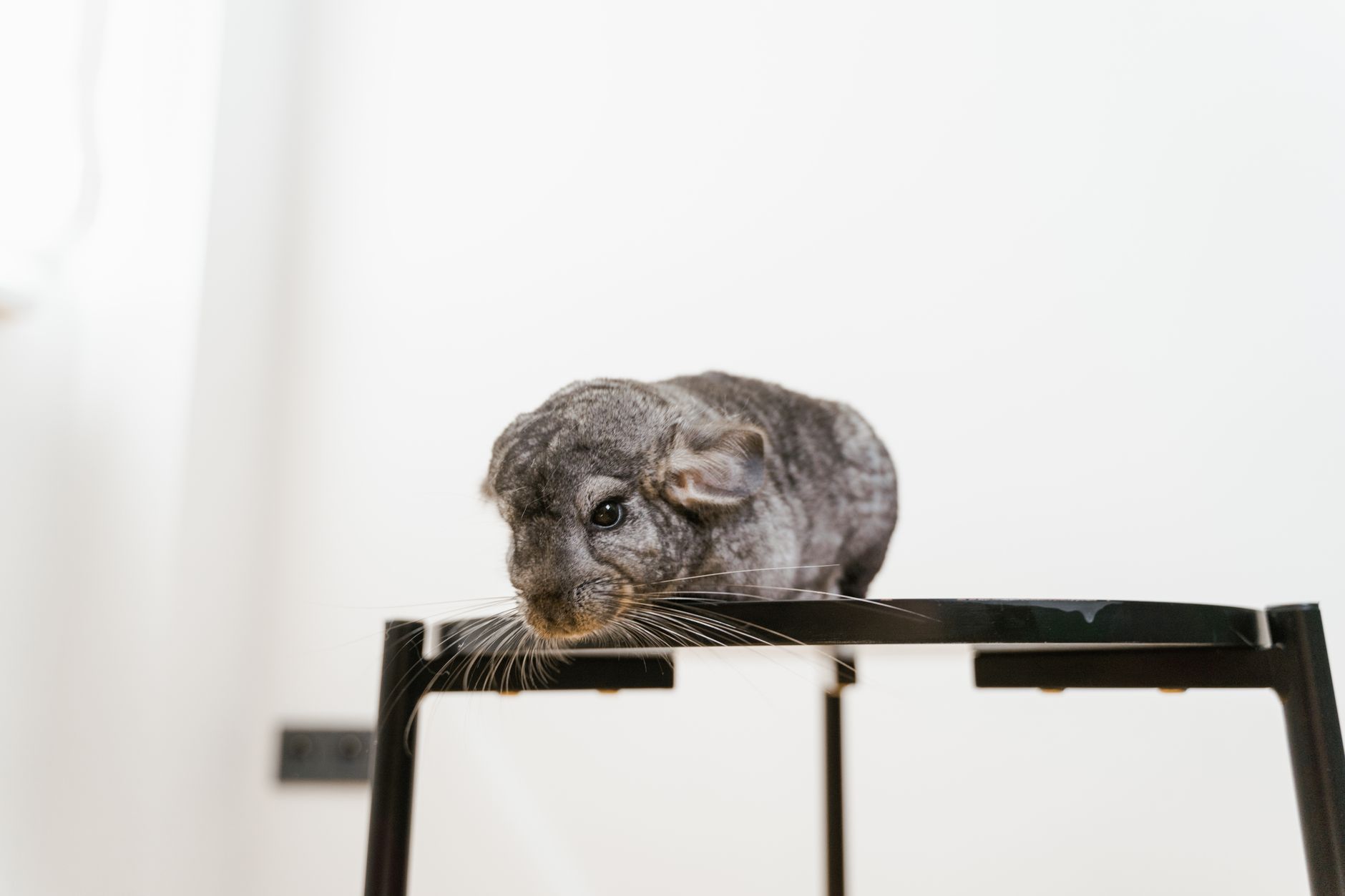
How Big is Big Enough? Unveiling the Ideal Chinchilla Enclosure Size
A chinchilla’s well-being hinges significantly on its living space. The minimum enclosure size for a single chinchilla should be around 4 feet tall, 2 feet wide, and 2 feet deep, allowing ample room for jumping, exploring, and exercising; larger is always better.
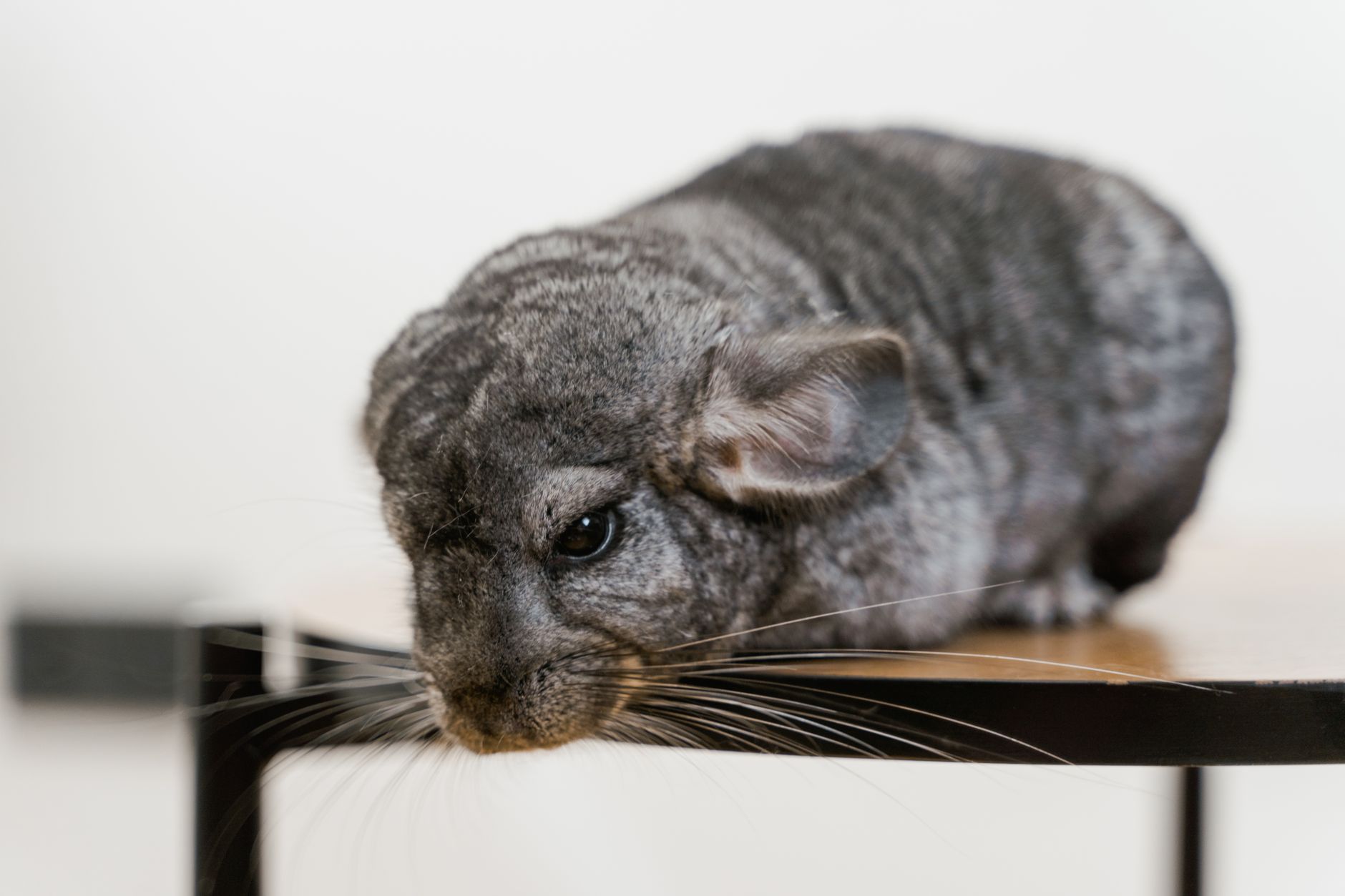
The Crucial Role of Space for Chinchilla Happiness
Chinchillas are highly active and intelligent creatures requiring a substantial amount of space to thrive. Confining them to enclosures that are too small can lead to a host of behavioral and health problems. Understanding their needs is the first step in providing a suitable home.
- Mental Stimulation: A large enclosure allows for the inclusion of various enrichment items, such as climbing platforms, tunnels, and chew toys. These elements stimulate their minds and prevent boredom, reducing the likelihood of destructive behaviors.
- Physical Health: Adequate space promotes physical activity, which is essential for maintaining a healthy weight and preventing obesity-related health issues. Jumping and climbing help them build muscle and maintain their natural agility.
- Stress Reduction: Overcrowding can cause significant stress in chinchillas, leading to weakened immune systems and increased susceptibility to illness. A spacious enclosure provides them with a sense of security and control over their environment.

Is distilled water good for goldfish?
What colours are fish most attracted to?
Can you put your finger in a trout's mouth?
Is methylene blue anti bacterial?
Key Considerations When Determining Enclosure Size

Several factors influence the ideal size of a chinchilla enclosure. It’s not simply about meeting the minimum; it’s about providing a space that caters to their individual needs and promotes their overall well-being.
- Number of Chinchillas: If you plan to house multiple chinchillas, you’ll need to significantly increase the enclosure size to accommodate their needs. Chinchillas can be territorial, and sufficient space helps minimize conflict and promote harmonious cohabitation.
- Activity Level: Some chinchillas are more active than others. Energetic individuals require larger enclosures with more opportunities for climbing and exploring.
- Enrichment Items: The amount and type of enrichment items you plan to include will also impact the required enclosure size. Make sure there is ample space to move around freely, even with all the toys and accessories.
Essential Features of a Chinchilla-Friendly Enclosure
Beyond the size, other features are crucial for creating a safe and comfortable environment.
- Solid Bottom: Wire-bottom cages can cause foot injuries and are generally not recommended. A solid bottom covered with fleece liners or kiln-dried pine shavings provides a comfortable and hygienic surface.
- Multiple Levels: Chinchillas love to climb, so incorporating multiple levels with ramps or platforms is essential. This not only provides more space but also encourages exercise and exploration.
- Safe Materials: Ensure that all materials used in the enclosure are non-toxic and safe for chinchillas to chew on. Avoid using plastics, as they can be harmful if ingested.
- Ventilation: Good ventilation is crucial to prevent the buildup of ammonia and other harmful gases. However, avoid drafts, as chinchillas are sensitive to temperature changes.
Common Mistakes to Avoid
Choosing the right enclosure requires careful planning. Avoid these common pitfalls:
- Underestimating the Size: Many new chinchilla owners underestimate the amount of space these animals require. Remember, larger is always better.
- Using Inappropriate Materials: Avoid using cedar or pine shavings, as they contain oils that can be harmful to chinchillas. Also, avoid using wire-bottom cages.
- Neglecting Enrichment: A bare enclosure is a recipe for boredom and destructive behaviors. Provide plenty of toys, climbing opportunities, and chew items to keep your chinchilla entertained.
- Poor Ventilation: Ensure that the enclosure has adequate ventilation to prevent the buildup of harmful gases.
| Feature | Recommended | Not Recommended |
|---|---|---|
| Bottom | Solid with fleece liners or kiln-dried pine shavings | Wire mesh |
| Levels | Multiple levels with ramps and platforms | Single level |
| Materials | Non-toxic wood, metal | Plastic, cedar, pine shavings |
| Ventilation | Adequate ventilation, no drafts | Poor ventilation |
| Minimum Size | 4ft Tall x 2ft Wide x 2ft Deep | Smaller than 4ft x 2ft x 2ft |
Frequently Asked Questions (FAQs)
What is the absolute minimum size cage for a single chinchilla?
The absolute minimum cage size for one chinchilla should be around 4 feet tall, 2 feet wide, and 2 feet deep. However, it’s crucial to understand this is a bare minimum; aiming for a larger enclosure is always recommended to promote optimal well-being.
How big of an enclosure does a chinchilla need if I have two chinchillas?
When housing two chinchillas, you should significantly increase the enclosure size. A good starting point is 6 feet tall, 3 feet wide, and 2 feet deep. It’s essential to observe their behavior and ensure they have ample personal space to avoid conflicts.
Can chinchillas live in wire cages?
Wire cages are generally not recommended for chinchillas. Wire mesh flooring can cause foot injuries and discomfort. Solid-bottom cages with appropriate bedding (fleece or kiln-dried pine) are much safer and more comfortable.
What kind of bedding is best for chinchillas?
Suitable bedding options for chinchillas include fleece liners and kiln-dried pine shavings. Avoid cedar or pine shavings that have not been kiln-dried, as they contain oils that can be harmful. Regularly clean the bedding to maintain a hygienic environment.
How high should a chinchilla cage be?
Chinchillas are natural climbers, so a tall cage is essential. The minimum height should be 4 feet, but taller is always better. A tall cage allows you to incorporate multiple levels and climbing opportunities, enriching their environment.
Do chinchillas need a lot of toys?
Yes, chinchillas need a variety of toys to keep them mentally stimulated and prevent boredom. Offer a selection of safe chew toys, tunnels, and climbing structures. Rotate the toys regularly to keep things interesting.
What are some signs that my chinchilla’s enclosure is too small?
Signs that your chinchilla’s enclosure may be too small include increased stress, destructive behaviors (cage biting), lethargy, and territorial aggression (if housed with other chinchillas). If you observe any of these signs, consider upgrading to a larger enclosure.
How often should I clean my chinchilla’s enclosure?
You should spot clean your chinchilla’s enclosure daily, removing soiled bedding and food. A thorough cleaning of the entire enclosure should be done at least once a week, replacing all the bedding and disinfecting the surfaces.
Can I use a ferret cage for a chinchilla?
Some ferret cages may be suitable for chinchillas, provided they meet the minimum size requirements and have a solid bottom. However, carefully inspect the cage for any potential hazards, such as wide bar spacing or sharp edges.
How important is ventilation in a chinchilla enclosure?
Ventilation is crucial in a chinchilla enclosure. Proper ventilation prevents the buildup of ammonia and other harmful gases from urine and feces. Ensure the enclosure has good airflow, but avoid placing it in a drafty area.
What is the best location for a chinchilla enclosure?
The best location for a chinchilla enclosure is in a quiet, climate-controlled room away from direct sunlight and drafts. Chinchillas are sensitive to temperature fluctuations, so maintain a consistent temperature between 60-75°F.
How does cage size impact a chinchilla’s lifespan?
While not the only factor, cage size definitely impacts a chinchilla’s quality of life and potentially its lifespan. A larger cage promotes physical and mental well-being, reducing stress and contributing to a longer, healthier life.