

What is the Difference Between Mouthing, Nipping, and Biting in Dogs?
Understanding the nuances between mouthing, nipping, and biting is crucial for dog owners. Essentially, it comes down to intent and pressure: mouthing is gentle exploration, nipping is a controlled correction or attention-seeking behavior, and biting is an aggressive act involving significant force.
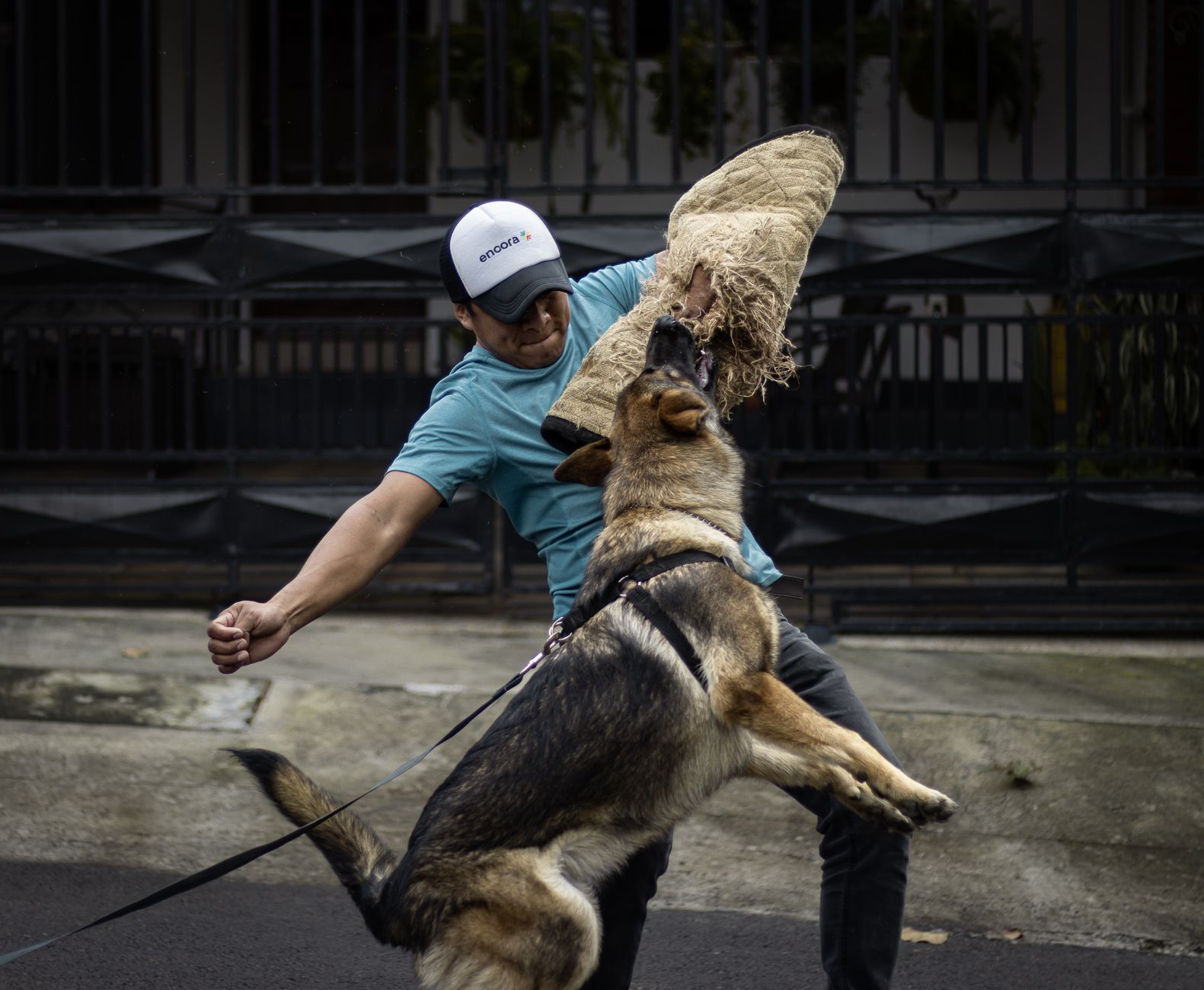
Understanding Canine Communication: Mouthing, Nipping, and Biting
Dogs communicate using a variety of signals, including body language, vocalizations, and physical interactions. Mouthing, nipping, and biting are all forms of physical interaction, but they represent very different things in the canine world. Accurately interpreting these behaviors is essential for responsible dog ownership, effective training, and ensuring the safety of both humans and other animals. What is the difference between mouthing nipping and biting in dogs? isn’t just semantics; it’s about understanding your dog’s intentions and responding appropriately.

What colours are fish most attracted to?
Can you put your finger in a trout's mouth?
Is methylene blue anti bacterial?
Does aquarium salt raise pH in aquarium?
Mouthing: Gentle Exploration and Bonding
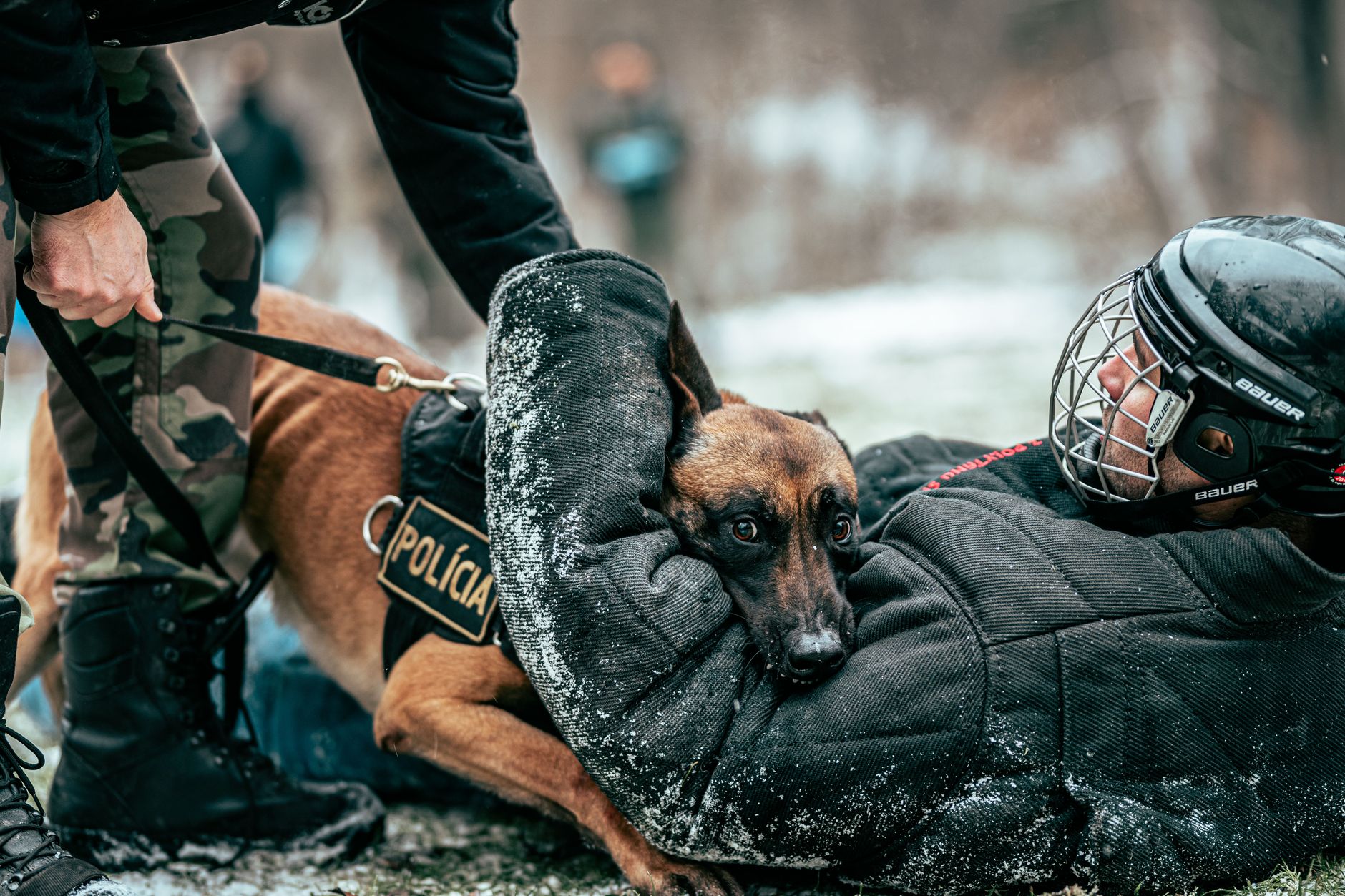
Mouthing is a common and typically harmless behavior in dogs, especially puppies. It involves the dog using their mouth to gently hold or grasp an object or person.
- Characteristics of Mouthing:
- Soft pressure; doesn’t break the skin.
- Relaxed body language: wagging tail, loose posture.
- Often occurs during play or when seeking attention.
- Puppies use mouthing to explore their environment.
Mouthing can be a sign of affection or a way for a dog to bond with their owner. It’s often seen during playful interactions or when a dog is feeling affectionate. It’s important to note that while mouthing is generally harmless, it can still be uncomfortable or inappropriate in certain situations. Therefore, it’s vital to teach your dog bite inhibition, even with mouthing.
Nipping: A Communication Tool
Nipping involves a quicker, more forceful use of the mouth than mouthing. While it doesn’t usually cause serious injury, it’s important to understand the underlying reasons for this behavior. Nipping is often used as a form of communication.
- Common Reasons for Nipping:
- Herding breeds may nip to control movement.
- Attention-seeking behavior: a quick nip to get your attention.
- Excitement: nipping during play due to overstimulation.
- Correction: a dog might nip another dog to correct their behavior.
Nipping isn’t necessarily aggressive, but it’s a warning sign. It’s a signal that your dog is trying to communicate something, whether it’s excitement, frustration, or a need for attention. Because nipping is a more forceful interaction, it can sometimes break the skin. It’s crucial to address the underlying cause of the nipping to prevent it from escalating into more aggressive behavior.
Biting: An Act of Aggression or Fear
Biting is the most serious of the three behaviors. It involves the dog using their mouth with significant force, often resulting in injury.
- Causes of Biting:
- Fear: biting out of self-defense.
- Aggression: territorial, possessive, or predatory aggression.
- Pain: a dog in pain may bite when touched.
- Frustration: a buildup of frustration can lead to biting.
- Protectiveness: guarding resources or loved ones.
Biting is almost always a sign of distress or aggression. It’s a clear indication that the dog feels threatened, overwhelmed, or is attempting to assert dominance. Biting can result in serious injuries and should always be addressed by a professional dog trainer or behaviorist. It is important to remember that what is the difference between mouthing nipping and biting in dogs? can dramatically affect the consequences if an incident occurs.
Key Differences Summarized
To further clarify the differences between these behaviors, consider the following table:
| Feature | Mouthing | Nipping | Biting |
|---|---|---|---|
| Pressure | Soft, gentle | Moderate; may break skin occasionally | Strong; often breaks skin, causes injury |
| Intent | Exploration, affection, play | Communication, attention-seeking, correction | Aggression, fear, self-defense |
| Body Language | Relaxed, wagging tail | Alert, tense | Stiff, growling, showing teeth |
| Seriousness | Generally harmless, requires bite inhibition | Requires attention to underlying cause | Serious; requires professional intervention |
Bite Inhibition: Teaching Gentle Jaws
Bite inhibition refers to a dog’s ability to control the force of their bite. Teaching bite inhibition is crucial, especially for puppies, as it helps them understand the limits of acceptable behavior. Even if a dog never intends to bite aggressively, having good bite inhibition ensures that if they do bite, the injury will be less severe.
- How to Teach Bite Inhibition:
- Yelp: When your puppy mouths too hard, yelp loudly to mimic another puppy.
- Withdraw Attention: Immediately stop playing when your puppy mouths too hard.
- Time Out: If yelping and withdrawing attention doesn’t work, put your puppy in a time-out for a few minutes.
- Positive Reinforcement: Reward gentle mouthing with praise and treats.
Seeking Professional Help
If your dog is exhibiting excessive nipping or biting behavior, it’s essential to seek professional help from a certified dog trainer or a veterinary behaviorist. These professionals can help you identify the underlying causes of the behavior and develop a tailored training plan to address the issue. Ignoring these behaviors can lead to serious problems down the line. This is especially vital to help clarify what is the difference between mouthing nipping and biting in dogs? in your pet’s behavior.
Common Mistakes Owners Make
- Ignoring early warning signs: Failing to recognize and address nipping can allow the behavior to escalate.
- Punishing mouthing: Punishing mouthing can make a dog fearful and more likely to bite out of fear.
- Encouraging rough play: Rough play can encourage aggressive behavior.
- Inconsistent training: Inconsistency can confuse your dog and make it harder for them to learn.
Frequently Asked Questions (FAQs)
What is the difference between mouthing and teething in puppies?
Teething is the process of a puppy’s adult teeth erupting, which can cause discomfort and a need to chew. Mouthing is a behavior, while teething is a physical process. Puppies often mouth more when they are teething as a way to relieve the discomfort.
Why is my dog suddenly biting?
Sudden biting can indicate a medical problem, such as pain or illness. It can also be triggered by a traumatic experience or a change in environment. Consult your veterinarian to rule out medical causes and then seek guidance from a qualified trainer.
Can I train an older dog to have better bite inhibition?
Yes, it is possible to improve bite inhibition in older dogs. However, it may require more time and patience than training a puppy. Positive reinforcement techniques and consistency are key.
What are the signs that my dog is about to bite?
Signs of an impending bite include stiff body language, growling, showing teeth, raised hackles, and a direct stare. Recognizing these signs can help you avoid a bite situation.
Is nipping always a bad thing?
No, nipping isn’t always bad. It can be a normal form of communication between dogs, especially in herding breeds. However, it’s important to monitor the behavior and ensure it doesn’t escalate.
What should I do if my dog bites someone?
Immediately assess the victim’s injuries and seek medical attention if necessary. Report the bite to the appropriate authorities. Isolate your dog and consult with a veterinary behaviorist or qualified trainer to prevent future incidents.
How can I prevent my dog from biting strangers?
- Socialization: Expose your dog to a variety of people and situations from a young age.
- Training: Teach your dog basic obedience commands, such as “stay” and “leave it.”
- Management: Supervise your dog around strangers and use a leash in public places.
- Warning signs: Understand your dog’s body language and remove them from situations that make them uncomfortable.
Are certain dog breeds more prone to biting?
While genetics can play a role, breed is not the sole determinant of biting behavior. Training, socialization, and individual temperament are far more important factors. All breeds can bite if they feel threatened or provoked.
What is resource guarding and how does it relate to biting?
Resource guarding is when a dog becomes possessive of food, toys, or other valuable items. If someone approaches their resource, they may growl, snap, or bite. Early intervention and positive reinforcement training can help manage resource guarding.
My dog nips at my heels when I walk. Why?
This is common in herding breeds, as they instinctively try to control movement. You can redirect this behavior by providing alternative outlets for their energy and teaching them a “leave it” command.
When should I consider rehoming my dog due to biting?
Rehoming should be considered as a last resort, when the dog’s biting behavior is severe, poses a significant risk to others, and cannot be effectively managed with training and behavior modification. This decision should be made in consultation with a qualified professional.
What legal liabilities do I face if my dog bites someone?
Legal liabilities vary by location, but owners are generally responsible for the actions of their dogs. This may include financial compensation for medical bills, lost wages, and pain and suffering. Severe biting incidents can even result in criminal charges.