
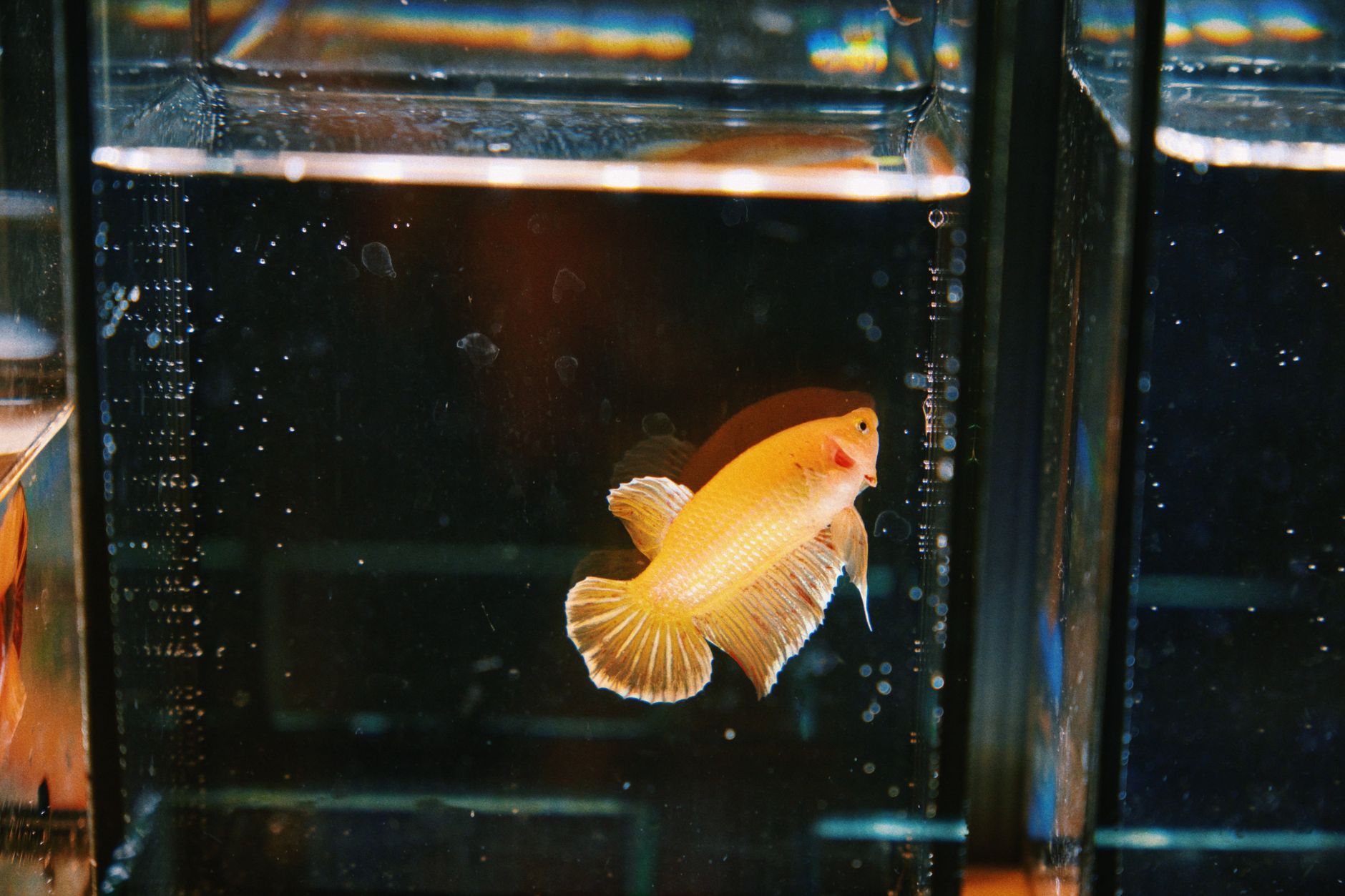
What Do Female Betta Fish Need? Unveiling the Secrets to a Thriving Life
Female betta fish, often misunderstood, require specific care to thrive. They need a well-maintained aquarium with appropriate water parameters, a balanced diet, and careful tankmate selection to minimize stress and aggression, ensuring a long and healthy life.
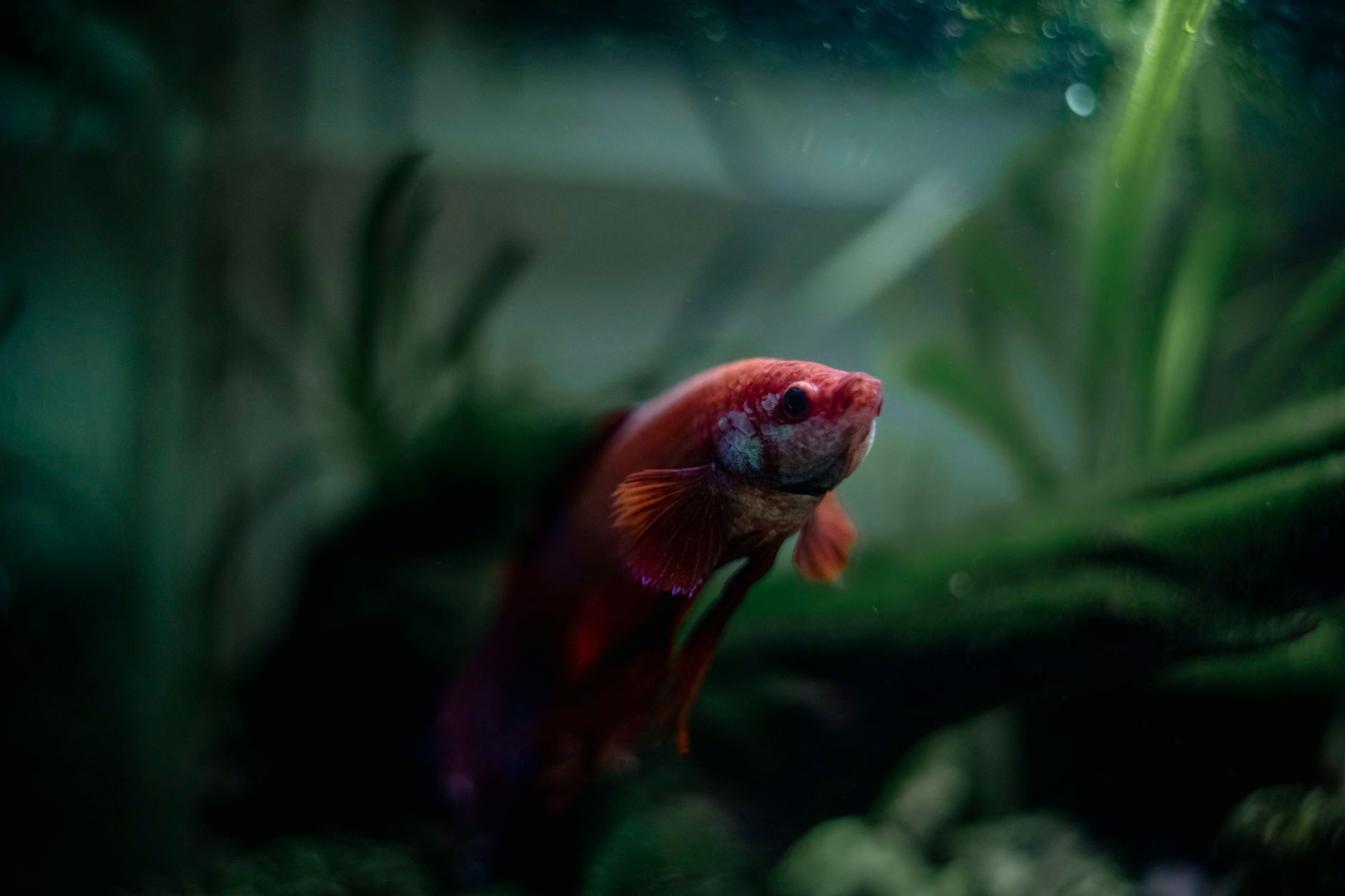
Understanding Female Betta Fish: Beyond the Veils
Female betta fish, often called sororities when kept together (though this requires very careful management), are becoming increasingly popular among aquarium enthusiasts. While not as flamboyant as their male counterparts, they possess a subtle beauty and fascinating social dynamics. Understanding their specific needs is crucial for responsible ownership and ensuring their well-being. What do female betta fish need? is a question that goes beyond simple feeding and water changes. It delves into creating a suitable environment that caters to their unique behavior and physiological requirements.

What fish is Flo?
How intelligent are fish?
Are fish heads good for the garden?
Can fish hear water?
Creating the Perfect Aquatic Home

The foundation of a happy female betta fish is a well-maintained and appropriately sized aquarium.
- Tank Size: A minimum of 5 gallons is recommended for a single female betta. For sororities (groups of females), a significantly larger tank (20 gallons or more) is essential to provide adequate space and reduce aggression.
- Filtration: A gentle filter is vital to maintain water quality. Sponge filters are often preferred as they create minimal current, which bettas appreciate.
- Heating: Bettas are tropical fish and require a consistent temperature between 78-82°F (25-28°C). A reliable aquarium heater is essential.
- Substrate: Gravel or sand substrates are suitable. Avoid sharp or abrasive materials that could injure their delicate fins.
- Decorations: Provide ample hiding places using plants (real or silk), caves, and driftwood. This helps reduce stress, especially in sorority tanks. Avoid decorations with sharp edges.
Water Quality: The Elixir of Life
Maintaining pristine water quality is paramount.
- Regular Water Changes: Perform partial water changes (25-50%) weekly to remove accumulated waste and maintain optimal water parameters.
- Water Testing: Regularly test the water for ammonia, nitrite, and nitrate levels. Ammonia and nitrite should always be 0 ppm, and nitrate should be kept below 20 ppm.
- Dechlorination: Always use a water conditioner to remove chlorine and chloramine from tap water before adding it to the aquarium.
A Balanced Diet: Fueling Health and Vitality
What do female betta fish need? Besides a good environment, they need proper nutrition.
- High-Quality Pellets: Choose betta-specific pellets as the staple of their diet. These are formulated to meet their nutritional requirements.
- Live and Frozen Foods: Supplement their diet with live or frozen foods like brine shrimp, bloodworms, and daphnia. These provide essential nutrients and add enrichment.
- Feeding Frequency: Feed small amounts once or twice a day. Avoid overfeeding, as this can lead to water quality issues and obesity. A good rule of thumb is to feed only what they can consume in 2-3 minutes.
The Sorority Setup: Navigating Social Dynamics
Keeping a group of female bettas (sorority) can be rewarding, but it requires careful planning and monitoring.
- Tank Size: Larger is better (20 gallons minimum).
- Number of Females: Start with at least 5-7 females to distribute aggression.
- Hiding Places: Provide numerous hiding places to allow fish to escape from each other.
- Constant Observation: Monitor the fish closely for signs of bullying or excessive aggression. Be prepared to separate individuals if necessary.
- Introducing New Fish: Introduce all the females at the same time to minimize territoriality.
Common Mistakes to Avoid
- Overcrowding: This leads to increased stress and aggression, especially in sororities.
- Poor Water Quality: Neglecting water changes and filtration leads to disease and death.
- Incompatible Tank Mates: Avoid keeping bettas with fin-nipping fish or overly boisterous tank mates.
- Overfeeding: This pollutes the water and can lead to obesity and other health problems.
- Lack of Hiding Places: This increases stress and aggression, especially in sorority tanks.
Frequently Asked Questions about Female Betta Fish
Can I keep female betta fish with other fish?
Yes, but choose tank mates carefully. Avoid fin-nippers like tiger barbs or aggressive fish that will bully the bettas. Good options include small, peaceful schooling fish like neon tetras (in a large, well-planted tank), bottom-dwelling catfish like corydoras, and small snails. Always monitor the tank for signs of aggression.
How can I tell if my female betta fish is pregnant?
Female bettas don’t technically get “pregnant” like mammals. They carry eggs, and if they mate, the male will fertilize them. You can tell if a female is carrying eggs by observing her abdomen, which will appear swollen and round. You may also see a white spot (the ovipositor) near her anal fin.
How often should I feed my female betta fish?
Feed your female betta fish once or twice a day, offering only as much food as they can consume in 2-3 minutes. Overfeeding is a common mistake that can lead to water quality problems and obesity.
What are the signs of a healthy female betta fish?
A healthy female betta fish will be active, have bright colors, and a healthy appetite. Her fins should be intact and free from tears or discoloration. She should also be free from any signs of illness, such as clamped fins, lethargy, or white spots.
What size tank is best for a single female betta fish?
A minimum of 5 gallons is recommended for a single female betta fish. Larger tanks are always better as they provide more space for swimming and exploration. A 10-gallon tank is a good option for a single female.
How do I set up a sorority tank for female betta fish?
A sorority tank requires careful planning. A minimum of 20 gallons is recommended, and you should have at least 5-7 females. Provide plenty of hiding places and monitor the fish closely for signs of aggression. Introduce all the females at the same time to minimize territoriality.
What are common diseases that affect female betta fish?
Common diseases include fin rot, ich (white spot disease), and fungal infections. These are often caused by poor water quality or stress. Maintaining a clean and stable environment is the best way to prevent these diseases.
How long do female betta fish live?
With proper care, female betta fish can live for 3-5 years or even longer. Providing them with a healthy diet, clean water, and a stress-free environment is crucial for maximizing their lifespan.
What water parameters are ideal for female betta fish?
The ideal water parameters for female betta fish are a temperature of 78-82°F (25-28°C), a pH of 6.5-7.5, ammonia and nitrite levels of 0 ppm, and nitrate levels below 20 ppm.
How can I prevent aggression in a female betta sorority?
Preventing aggression in a sorority requires careful management. Provide a large tank with plenty of hiding places, keep the water clean and well-filtered, and avoid overcrowding. Introduce all the females at the same time, and monitor their behavior closely. Remove any fish that are consistently being bullied.
What kind of plants are best for a betta fish tank?
Good plant options for betta fish tanks include Anubias, Java fern, Amazon sword, and Water sprite. These plants are hardy, provide hiding places, and help to maintain water quality. Choose plants with soft leaves to avoid injuring their delicate fins.
How do I know if my female betta fish is stressed?
Signs of stress in female betta fish include clamped fins, lethargy, loss of appetite, hiding excessively, and faded coloration. If you notice these signs, check the water parameters, provide more hiding places, and reduce any potential sources of stress.