

How to Determine a Deer’s Age Based on Antler Points
Determining a deer’s age based solely on antler points is inaccurate. While an 8-point buck is often assumed to be mature, the actual age of a deer with 8 points varies significantly depending on genetics, nutrition, and geographic location.
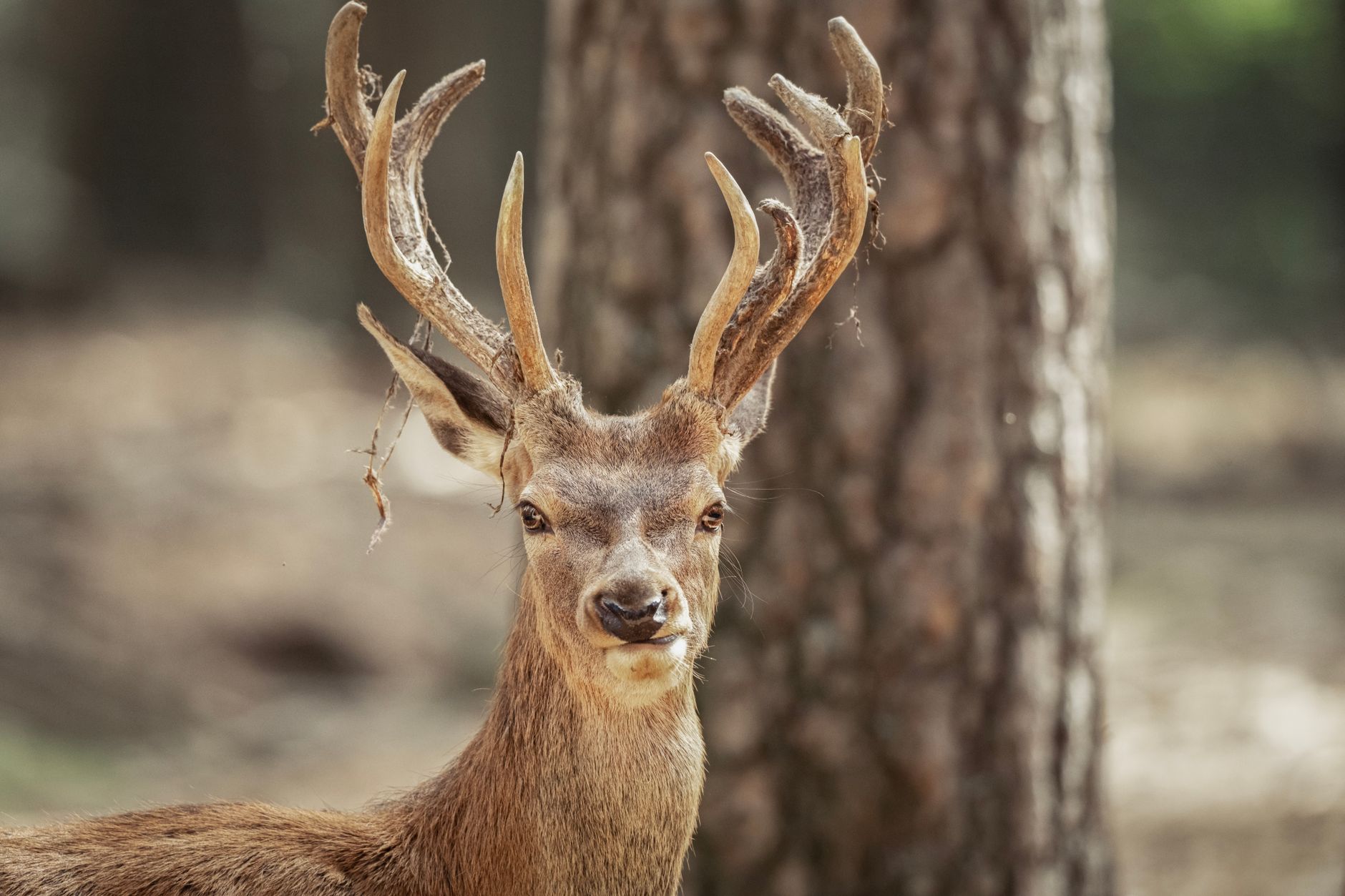
Introduction: The Allure and Limitations of Antler Counting
The majestic antlers of a white-tailed deer are a symbol of the wilderness and a prized trophy for hunters. Many people instinctively associate the number of points on a buck’s antlers with its age, often assuming that an 8-point buck is a sign of a mature animal. However, while antler development is related to age, it’s a complex interplay of factors, and using antler points as the sole indicator of age is misleading. This article will delve into the factors affecting antler growth and the more reliable methods of accurately aging a deer.

What colours are fish most attracted to?
Can you put your finger in a trout's mouth?
Is methylene blue anti bacterial?
Does aquarium salt raise pH in aquarium?
The Relationship Between Age and Antler Development

Antler growth is a fascinating biological process. Deer antlers are made of bone and are grown and shed annually. While young bucks often have smaller antlers with fewer points, it’s not a simple linear progression.
- Yearlings (1.5 years old): Typically, yearlings have small, often unbranched antlers, commonly referred to as “spike bucks” or having 4-6 points. However, in areas with excellent nutrition, yearlings can exhibit 6-8 points.
- 2.5 Years Old: At this age, bucks begin to show more significant antler development. The mass and spread increase, and more points are likely. Many 8-point bucks fall into this age range, but some might have fewer or more points.
- 3.5 Years and Older: Bucks generally reach their peak antler development between 4.5 and 6.5 years old. While an 8-point buck is possible, many will exhibit larger racks with more points, wider spreads, and thicker beams.
Factors Influencing Antler Growth
Several factors besides age play crucial roles in determining antler size and point number:
- Genetics: A deer’s genetic makeup significantly influences its potential for antler growth. Some bloodlines are simply predisposed to larger antlers.
- Nutrition: A deer’s diet is critical for antler development. Adequate protein, minerals (especially calcium and phosphorus), and vitamins are essential. Poor nutrition can severely limit antler growth, even in older deer.
- Habitat Quality: The quality of the deer’s habitat directly impacts its access to nutritious food. Areas with abundant food sources will support better antler growth.
- Stress: Environmental stressors, such as disease, parasites, or drought, can negatively impact antler development.
- Geographic Location: Different regions have varying soil compositions and plant life, influencing the availability of essential nutrients.
Beyond Antler Points: Accurate Aging Techniques
While antler points are unreliable for aging deer on their own, more accurate methods exist:
- Tooth Wear and Replacement: Examining the teeth is the most reliable method for aging deer in the field. Dentition patterns change predictably as deer age.
- Cementum Annuli Analysis: This laboratory technique involves analyzing the growth rings in a tooth sample, similar to aging a tree. It provides the most precise age determination.
- Body Size and Characteristics: Observing body size, muscle development, and other physical characteristics can provide clues, but these are less reliable than tooth examination.
- Younger Deer (1.5-2.5 years): Tend to be leaner, with less muscle mass.
- Mature Deer (3.5+ years): Exhibit thicker necks, broader chests, and more developed muscles.
Tooth Wear Progression: A Key Indicator
Here’s a simplified overview of tooth wear patterns:
| Age (Years) | Tooth Characteristics |
|---|---|
| 1.5 | Three-cusp premolar fully erupted; sharp cusps on molars. |
| 2.5 | Some wear on molar cusps; the lingual crest may begin to blend on the fourth premolar. |
| 3.5 | Moderate wear on molar cusps; some dentine exposed; fourth premolar crest is blended. |
| 4.5+ | Significant wear; loss of cusp height; increased dentine exposure. |
Common Mistakes in Aging Deer
Relying solely on antler points is the most common mistake. Other errors include:
- Overestimating Age: People tend to assign older ages to deer with larger antlers, regardless of other indicators.
- Ignoring Regional Differences: Antler development varies significantly based on location.
- Neglecting Nutritional Factors: Assuming good genetics will automatically result in large antlers, even with poor nutrition.
The Importance of Accurate Age Determination
Accurately aging deer is crucial for effective wildlife management. It allows biologists and hunters to:
- Monitor Population Health: Understand the age structure of the deer population.
- Assess Habitat Quality: Gauge the impact of habitat on deer health and antler development.
- Implement Informed Harvest Strategies: Make decisions about harvest regulations to promote a balanced age structure.
- Track the Effectiveness of Management Practices: Evaluate the success of habitat improvement or supplemental feeding programs.
Frequently Asked Questions (FAQs)
What is the average age of a deer with an 8-point rack?
While there’s no definitive age for an 8-point buck, they are most commonly found in the 2.5 to 4.5-year-old range. However, genetics and nutrition can cause significant variation. Therefore, tooth wear should be used to determine a deer’s age.
Can a 1.5-year-old deer have 8 points?
Yes, it is possible, although uncommon, for a 1.5-year-old deer to have 8 points. This typically occurs in areas with exceptionally high-quality nutrition and favorable genetics.
Is it always true that older deer have more points?
No. While deer generally reach peak antler development in maturity (3.5-6.5 years), antler size and points can decline as they age further, particularly due to tooth wear and declining health. A deer may display a large 10-point rack at 5.5 years old, then a smaller 8-point rack at 8.5 years old.
Does the number of antler points indicate the health of the deer?
Not necessarily. While poor health or nutrition can negatively impact antler development, a deer with fewer points isn’t necessarily unhealthy. Genetics and age can also play a role. The overall body condition (muscle mass, coat condition) is a better indicator of health.
How reliable is tooth wear for aging deer?
Tooth wear is the most reliable field method for aging deer. Experienced individuals can accurately estimate a deer’s age based on tooth eruption patterns and wear. However, it requires practice and familiarity with dental characteristics.
Can habitat quality affect antler development?
Absolutely. High-quality habitat provides deer with access to the nutritious food necessary for optimal antler growth. Poor habitat can lead to stunted antler development, regardless of age.
What specific nutrients are most important for antler growth?
Protein, calcium, and phosphorus are essential for antler growth. Adequate protein is needed for antler development, while calcium and phosphorus are the building blocks of bone. Salt and mineral licks can increase the availability of these nutrients.
How can I improve the nutrition of deer in my area?
You can improve deer nutrition by implementing habitat management practices such as food plots, prescribed burns, and timber thinning. These actions promote the growth of nutritious forages.
What is cementum annuli analysis?
Cementum annuli analysis is a laboratory technique that involves examining the growth rings in a tooth root. Similar to tree rings, these rings represent annual growth cycles and provide a precise estimate of the deer’s age.
Is it possible to age a deer based on its skull alone?
Yes, a skilled biologist or taxidermist can estimate a deer’s age based on sutures in the skull, tooth wear, and skull size. However, tooth wear is generally the most reliable indicator even with a skull.
Does the time of year affect antler size or shape?
Yes, the stage of the antler cycle influences size and shape. Deer grow their antlers from spring through late summer, shedding them in late winter/early spring after the rut. Antlers are covered in velvet during the growth period.
Why is it important to accurately age deer populations?
Accurately aging deer allows wildlife managers to understand population dynamics, monitor harvest trends, and implement effective management strategies to maintain healthy and sustainable deer populations. Knowing the age structure is critical for maintaining a healthy ecosystem.