
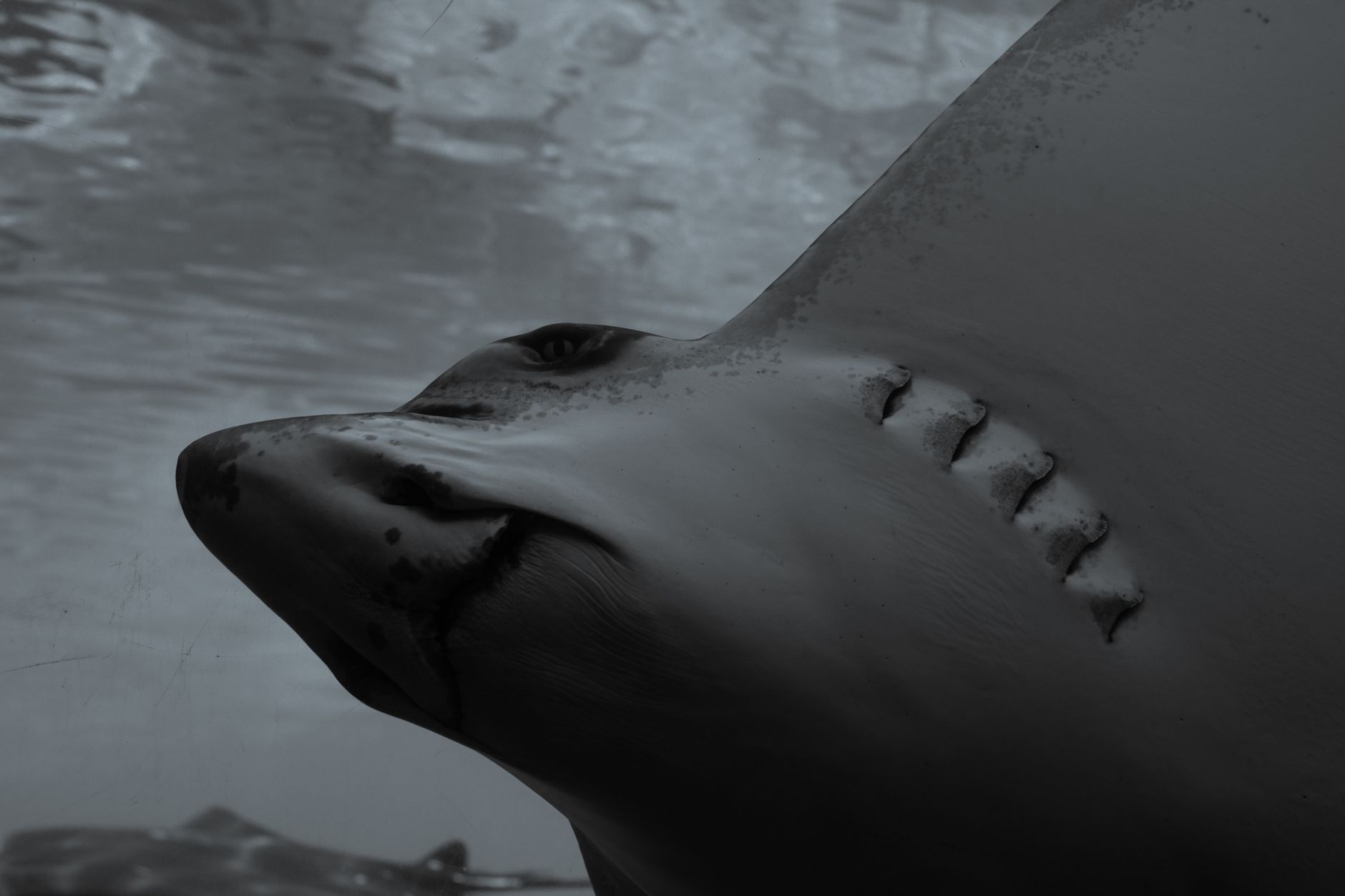
What is the Creepiest Looking Shark?
The goblin shark is arguably the creepiest looking shark in the ocean, thanks to its elongated, flattened snout, protrusible jaws filled with nail-like teeth, and pinkish skin. This combination of unusual features gives it a distinctly otherworldly appearance.

An Introduction to the Ocean’s Oddities
The ocean, a realm of immense mystery, is home to creatures that often defy our expectations of beauty and normalcy. While some sharks are sleek and powerful symbols of aquatic grace, others venture into the realm of the bizarre, their features twisted into forms that evoke a sense of unease and fascination. Of all the sharks that roam the deep, the question “What is the creepiest looking shark?” often leads to a singular and unsettling answer: the goblin shark. This deep-sea dweller, scientifically known as Mitsukurina owstoni, earns its title through a combination of unique and unsettling features that distinguish it from its more conventionally “shark-like” relatives.
What colours are fish most attracted to?
Can you put your finger in a trout's mouth?
Is methylene blue anti bacterial?
Does aquarium salt raise pH in aquarium?
Unveiling the Goblin Shark’s Unsettling Features

The goblin shark’s unnerving appearance arises from a unique convergence of features:
- Elongated Snout: Unlike the streamlined snouts of most sharks, the goblin shark possesses a flattened, elongated snout that protrudes far beyond its jaws. This strange appendage is covered in electroreceptors, allowing it to sense prey in the dark depths.
- Protrusible Jaws: Perhaps the most unsettling characteristic of the goblin shark is its highly protrusible jaws. When hunting, these jaws shoot forward, creating a grotesque, snapping action that catches unsuspecting prey.
- Pinkish Skin: Goblin sharks are not the steely grey or blue typical of sharks. Instead, their skin is a translucent pink color, caused by visible blood vessels. This gives them an almost ghostly appearance.
- Nail-like Teeth: Instead of the typical triangular, serrated teeth of many shark species, goblin sharks have slender, nail-like teeth perfectly adapted for grasping soft-bodied prey.
Why the Goblin Shark Stands Out
While the deep sea is full of strange and wonderful creatures, the goblin shark’s combination of features sets it apart. It doesn’t just look “different”; it looks wrong, in a way that taps into our primal fears of the unknown and the unsettling. Other contenders for the “creepiest shark” title, such as the frilled shark with its snake-like body or the megamouth shark with its huge, rubbery lips, certainly possess unusual features. However, the goblin shark’s combination of a disturbing snout, rapidly extending jaws, and almost bloodless appearance renders it the uncontested champion of unsettling shark aesthetics.
The Goblin Shark’s Habitat and Diet
The goblin shark is a deep-sea species, typically found at depths of 100 meters (330 feet) or more, though they have been observed at depths exceeding 1,300 meters (4,300 feet). This preference for the deep, dark waters contributes to its mystique and reinforces its “creepy” reputation. They are found in all major oceans, but are considered rare. Their diet consists primarily of deep-sea fish, crustaceans, and cephalopods, which they capture using their protrusible jaws in a rapid ambush.
Comparing Creepy Sharks: A Table
| Feature | Goblin Shark | Frilled Shark | Megamouth Shark |
|---|---|---|---|
| Overall Creep Factor | High | Medium | Medium |
| Key Feature | Protrusible Jaws, Snout | Frilled Gills, Snake-like body | Enormous Mouth |
| Habitat | Deep Sea | Deep Sea | Deep Sea |
| Appearance | Pinkish, bizarre | Eel-like, primitive | Large, rubbery-lipped |
| Rarity | Rare | Rare | Rare |
Conservation Status and Threats
Despite its unsettling appearance, the goblin shark is not currently considered to be threatened. However, as a deep-sea species, it is vulnerable to bycatch in deep-sea fisheries. Little is known about its population size or reproductive habits, making it difficult to assess the long-term impact of human activities on this bizarre and fascinating creature. Protecting the deep-sea habitats where goblin sharks live is crucial to ensuring their survival. Understanding What is the creepiest looking shark? is often the first step towards appreciating its importance and advocating for its conservation.
Frequently Asked Questions (FAQs)
What is the goblin shark’s scientific name?
The goblin shark’s scientific name is Mitsukurina owstoni. This species belongs to the family Mitsukurinidae, a lineage of sharks with a deep evolutionary history.
How large do goblin sharks get?
Goblin sharks can grow to be quite large, reaching lengths of up to 6.2 meters (20 feet), although most specimens are smaller, around 3-4 meters. Their size contributes to their imposing and somewhat unsettling presence.
What do goblin sharks eat?
Goblin sharks primarily feed on deep-sea fish, crustaceans, and cephalopods. Their diet reflects their niche as ambush predators in the deep-sea environment.
Where do goblin sharks live?
Goblin sharks are found in deep-sea habitats across the globe, including the Atlantic, Pacific, and Indian Oceans. Their widespread distribution highlights their adaptability to various deep-sea environments.
Why do goblin sharks have protrusible jaws?
The goblin shark’s protrusible jaws are an adaptation for capturing prey in the dark depths. This specialized feeding mechanism allows them to ambush prey with surprising speed and efficiency.
Is the goblin shark dangerous to humans?
No, goblin sharks are not considered dangerous to humans. They live in deep-sea environments and rarely, if ever, encounter people. Their reclusive nature and deep-sea habitat minimize any potential threat to humans.
Are goblin sharks rare?
Yes, goblin sharks are considered to be rare. Sightings are infrequent, and little is known about their population size. Their rarity adds to their mystique and makes them a prized discovery for marine biologists.
What is the conservation status of the goblin shark?
The IUCN currently lists the goblin shark as Least Concern. However, due to their rarity and vulnerability to deep-sea fishing, ongoing monitoring is crucial.
How long do goblin sharks live?
The lifespan of goblin sharks is unknown. Due to their deep-sea habitat and infrequent sightings, researchers have yet to determine their maximum age.
What makes a shark look “creepy?”
“Creepiness” in sharks is subjective, but it often involves features that deviate from typical shark appearances. Elongated snouts, protrusible jaws, unusual coloration, and visible teeth can all contribute to a perceived sense of unease. Ultimately, What is the creepiest looking shark? depends on the individual observer, but the goblin shark consistently ranks high on the list.
Do goblin sharks have good eyesight?
No, goblin sharks have relatively poor eyesight, typical of deep-sea animals adapted to low-light conditions. They rely primarily on electroreception to detect prey.
What other sharks are considered “creepy?”
Besides the goblin shark, other sharks often considered “creepy” include the frilled shark (with its primitive, eel-like appearance), the megamouth shark (with its huge, rubbery lips), and some angler sharks which are technically not true sharks. However, the goblin shark typically takes the crown for its unsettling combination of features that consistently earns it the title for What is the creepiest looking shark?.