

Should Dry Cat Food Be Left Out? A Feline Feeding Guide
Whether or not dry cat food should be left out depends heavily on your cat’s individual needs, health, and eating habits, and the surrounding environment. In general, free-feeding dry cat food is acceptable for some cats, but it is not the best strategy for all.

Introduction: The Great Dry Food Debate
The age-old question: Should dry cat food be left out? For many cat owners, the convenience of filling a bowl with kibble and letting their feline friend graze throughout the day is undeniable. But is this feeding method truly in the best interest of your cat’s health and well-being? The answer, as with many aspects of cat care, is nuanced and depends on a variety of factors. Understanding these factors is crucial for making informed decisions about how you feed your beloved companion.
The Appeal of Free-Feeding
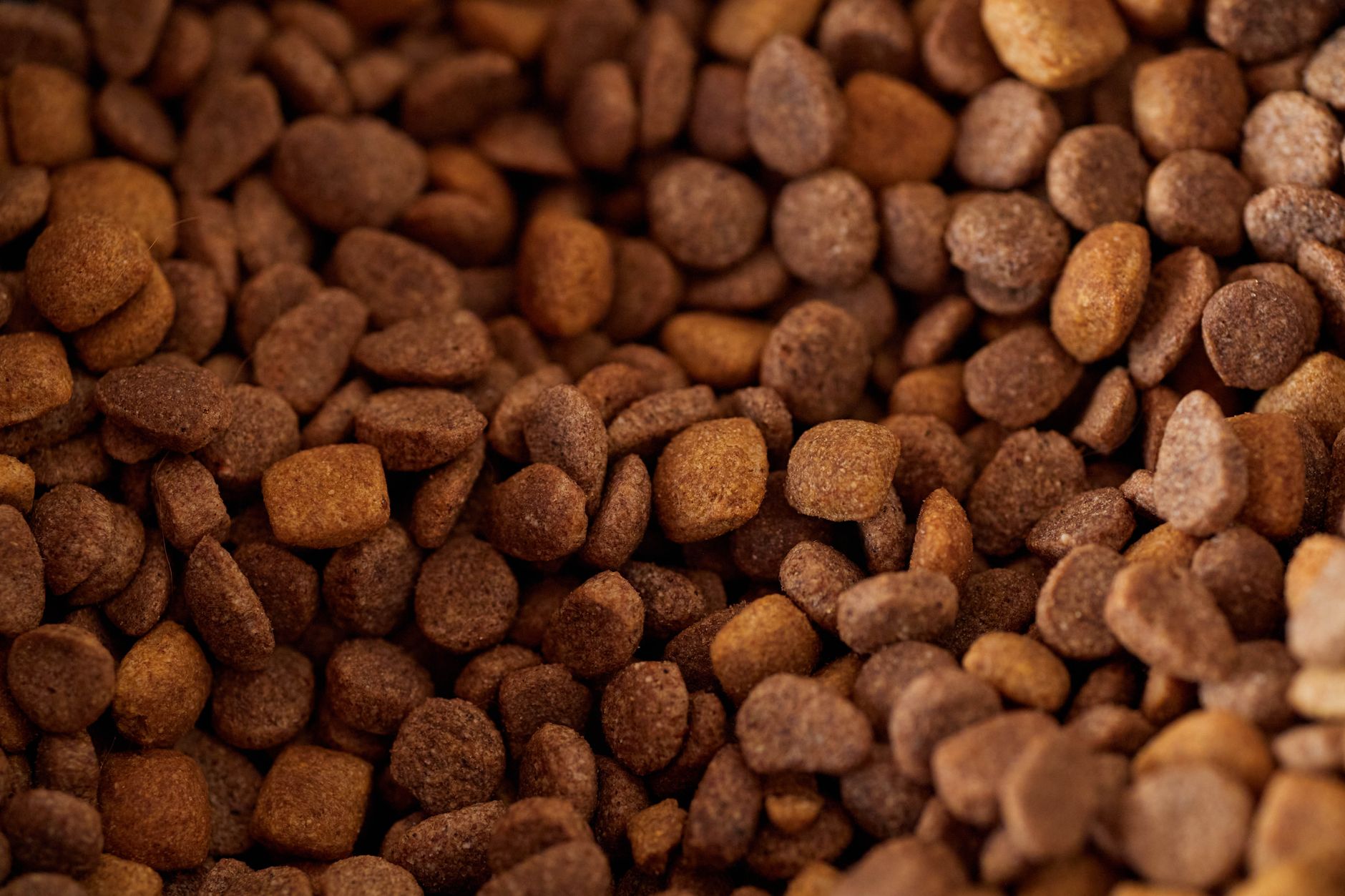
Free-feeding, or ad libitum feeding, simply means providing your cat with unrestricted access to food at all times. The appeal is clear: it’s convenient for the owner and allows the cat to eat whenever it feels hungry. This method can be especially beneficial for cats who prefer to eat small meals throughout the day, mimicking their natural hunting behavior.
Potential Benefits of Leaving Dry Food Out
- Convenience: Less frequent filling of the food bowl.
- Reduced Begging: Potentially less demanding behavior from your cat for food.
- Grazing: Allows cats to eat small meals as they would in the wild.
The Drawbacks: Why Free-Feeding Might Not Be Ideal
While free-feeding offers convenience, several potential drawbacks must be considered:
- Overeating and Obesity: Constant access to food can easily lead to overeating and weight gain, predisposing your cat to a range of health problems like diabetes, arthritis, and heart disease.
- Difficulty Monitoring Food Intake: It becomes difficult to track how much your cat is actually eating, making it challenging to detect early signs of illness, such as a decreased appetite.
- Food Spoilage: Dry cat food, especially when exposed to air and humidity, can become stale and attract insects or rodents. This is especially true in warmer climates.
- Bullying in Multi-Cat Households: A dominant cat may prevent others from accessing the food, leading to competition and stress within the household.
Factors to Consider Before Leaving Dry Food Out
Before deciding whether to leave dry cat food out, carefully evaluate the following:
- Your Cat’s Age and Activity Level: Kittens and active adult cats generally have higher caloric needs than senior or sedentary cats.
- Your Cat’s Health: Cats with certain medical conditions, such as diabetes or kidney disease, require carefully controlled diets. Free-feeding is generally not recommended in these cases.
- Your Cat’s Eating Habits: Some cats are naturally self-regulating, while others will eat everything in sight.
- Your Household Dynamics: If you have multiple cats, observe their interactions around food to ensure fair access.
- Environmental Conditions: Temperature and humidity can affect the freshness and safety of the dry cat food.
A Better Alternative: Scheduled Meals
For many cats, scheduled meals are a healthier and more controlled approach to feeding. This involves providing your cat with a measured amount of food at specific times each day.
Benefits of Scheduled Meals
- Portion Control: Helps prevent overeating and maintain a healthy weight.
- Easier Monitoring of Food Intake: Allows you to easily track how much your cat is eating and detect any changes in appetite.
- Reduced Risk of Food Spoilage: Food is consumed within a shorter period, reducing the risk of staleness or contamination.
- Better Management in Multi-Cat Households: Prevents food competition and ensures that each cat receives its fair share.
Transitioning to Scheduled Meals
If you’re currently free-feeding your cat and want to switch to scheduled meals, do so gradually.
- Start by Measuring: Determine how much dry cat food your cat consumes in a day.
- Divide into Portions: Divide the daily amount into two or three smaller meals.
- Establish a Routine: Offer the meals at the same times each day.
- Be Patient: It may take some time for your cat to adjust to the new routine. Ignore any begging behavior between meals.
- Consult Your Veterinarian: Discuss your feeding plan with your veterinarian to ensure it meets your cat’s individual needs.
Other Feeding Strategies
- Puzzle Feeders: These toys require cats to work for their food, stimulating their minds and slowing down their eating.
- Automatic Feeders: These devices dispense pre-portioned meals at set times, allowing for scheduled feeding even when you’re not home.
- Combination Feeding: Combining scheduled wet food meals with a small amount of dry cat food left out for grazing (if appropriate based on the factors outlined above).
Choosing the Right Dry Cat Food
The quality of the dry cat food you choose is crucial, regardless of your feeding method. Look for foods that:
- List meat as the primary ingredient.
- Are free of artificial colors, flavors, and preservatives.
- Are formulated for your cat’s life stage and activity level.
- Have undergone nutritional testing.
Table: Comparing Feeding Methods
| Feature | Free-Feeding (Ad Libitum) | Scheduled Meals |
|---|---|---|
| Convenience | High | Medium |
| Portion Control | Low | High |
| Monitoring Intake | Low | High |
| Risk of Overeating | High | Low |
| Food Spoilage Risk | High | Low |
| Best For | Some active adult cats | Most cats |
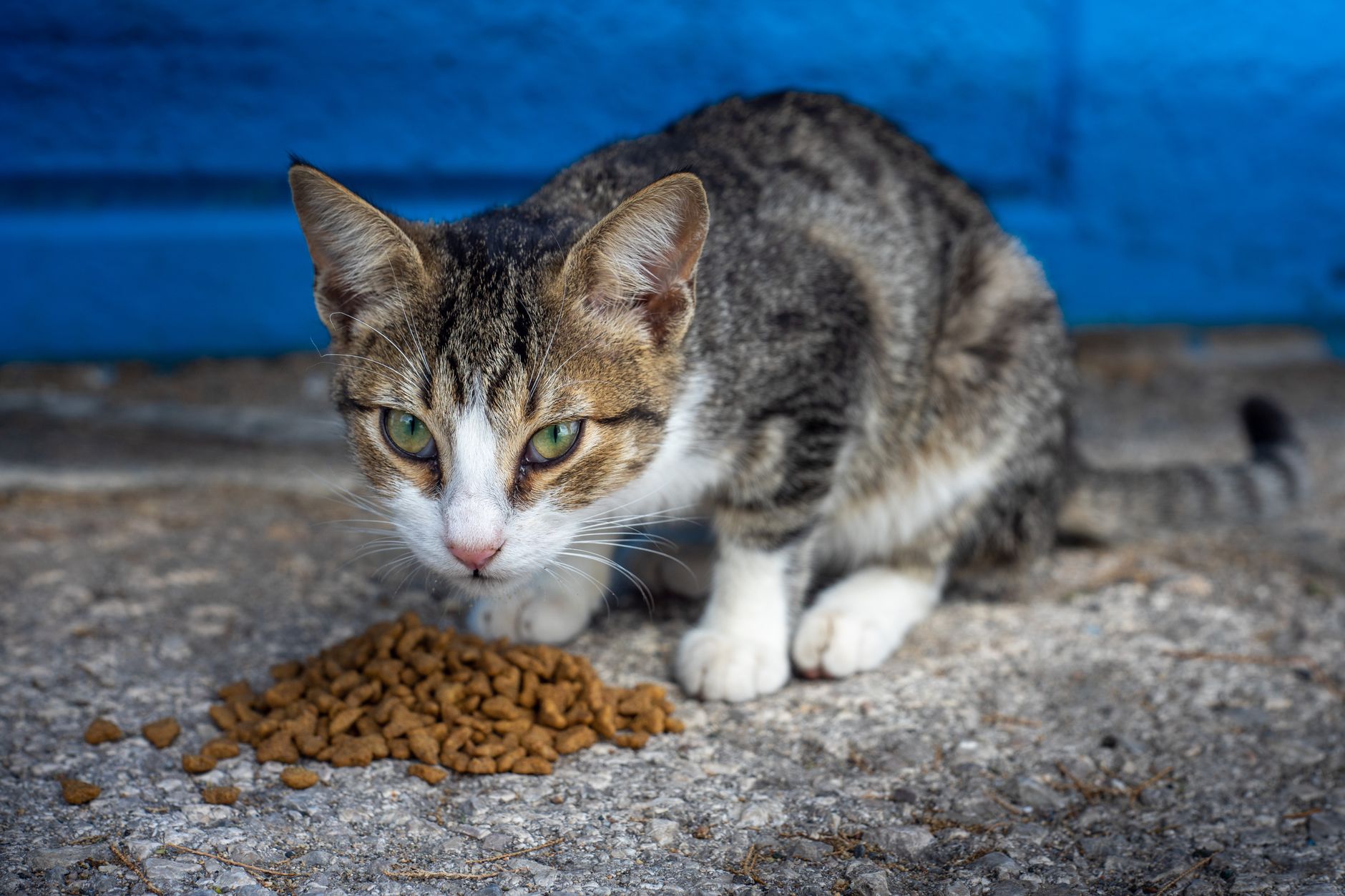
Frequently Asked Questions (FAQs)
Can I leave dry cat food out overnight?
Yes, you can leave dry cat food out overnight, but the food may become stale or attract pests, particularly in warmer months. Consider offering only the amount your cat typically consumes in that timeframe.
Is it okay to mix wet and dry cat food?
Yes, mixing wet and dry cat food is perfectly fine and can be a good way to provide your cat with a variety of textures and nutrients. Just be mindful of the calorie content of each food to prevent overfeeding.
How long can dry cat food be left out?
Dry cat food can generally be left out for up to 24 hours without significant spoilage, provided it’s stored in a cool, dry place and not exposed to excessive humidity. Beyond that, the risk of staleness and contamination increases.
What are the signs of overfeeding in cats?
Signs of overfeeding in cats include weight gain, a loss of visible waistline, and difficulty feeling their ribs. Your veterinarian can help you assess your cat’s body condition.
Should I feed my kitten differently than an adult cat?
Yes, kittens have higher caloric and nutritional needs than adult cats. They typically require more frequent meals and kitten-specific food formulations.
What if my cat is a picky eater?
If your cat is a picky eater, try offering a variety of dry cat food formulas and textures to find something they enjoy. You can also try warming the food slightly to enhance its aroma. Consulting with your vet is also a good idea to rule out underlying medical issues.
How often should I clean my cat’s food bowl?
You should clean your cat’s food bowl daily to prevent the growth of bacteria and mold. Use soap and hot water to thoroughly clean the bowl after each meal.
What are the best storage practices for dry cat food?
The best storage practices for dry cat food include keeping it in an airtight container in a cool, dry place. Avoid storing it in direct sunlight or near sources of heat.
My cat vomits after eating dry food. What should I do?
If your cat vomits after eating dry cat food, consult your veterinarian. It could be due to a number of factors, including food allergies, sensitivities, or underlying medical conditions. Consider trying a sensitive stomach food or feeding smaller, more frequent meals.
Can I leave dry cat food out for my diabetic cat?
Generally, leaving dry cat food out for a diabetic cat is not recommended. Diabetic cats require carefully controlled diets and consistent meal times to manage their blood sugar levels. Work with your veterinarian to develop an appropriate feeding plan.
How do I know if my cat is getting enough water if they primarily eat dry food?
Ensure your cat has access to fresh, clean water at all times. Encourage water intake by providing multiple water sources and considering a water fountain. Watch for signs of dehydration, such as sunken eyes or dry gums.
Is grain-free dry cat food healthier?
Grain-free dry cat food isn’t necessarily healthier for all cats. Grain allergies are relatively rare in cats. The focus should be on the overall quality of the ingredients and the nutritional balance of the food. Consult with your veterinarian to determine the best food for your cat’s individual needs.