

What is the Best Supplement for Dogs with Hip Dysplasia? A Comprehensive Guide
The best supplement for dogs with hip dysplasia is often a combination of glucosamine and chondroitin, working synergistically to help protect existing cartilage and support joint health.
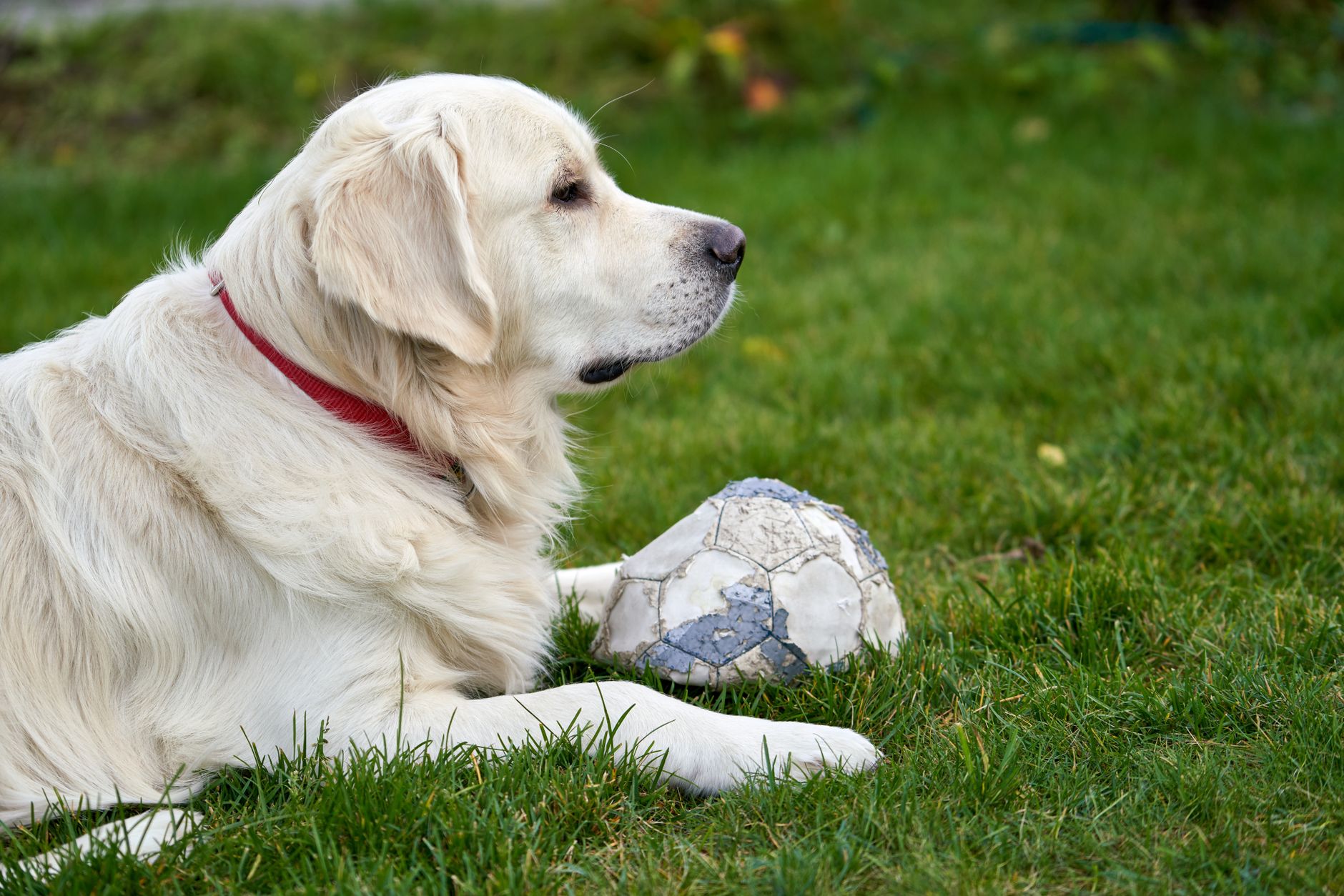
Hip dysplasia, a common skeletal condition in dogs, can significantly impact their quality of life. While veterinary intervention is crucial, dietary supplements play a vital role in managing symptoms and slowing disease progression. This comprehensive guide explores the most effective supplements for dogs with hip dysplasia, backed by scientific research and expert insights.
Understanding Hip Dysplasia in Dogs
Hip dysplasia occurs when the hip joint doesn’t develop properly, leading to instability and eventual arthritis. The “ball” of the femur (thigh bone) doesn’t fit snugly into the “socket” of the pelvis. This abnormal fit causes friction and wear and tear, resulting in pain, inflammation, and decreased mobility. Breeds most commonly affected include:
- German Shepherds
- Labrador Retrievers
- Golden Retrievers
- Rottweilers
- Great Danes
However, any breed can be affected. Factors such as genetics, rapid growth, and diet contribute to the development of hip dysplasia.

What colours are fish most attracted to?
Can you put your finger in a trout's mouth?
Is methylene blue anti bacterial?
Does aquarium salt raise pH in aquarium?
Key Supplements for Hip Dysplasia
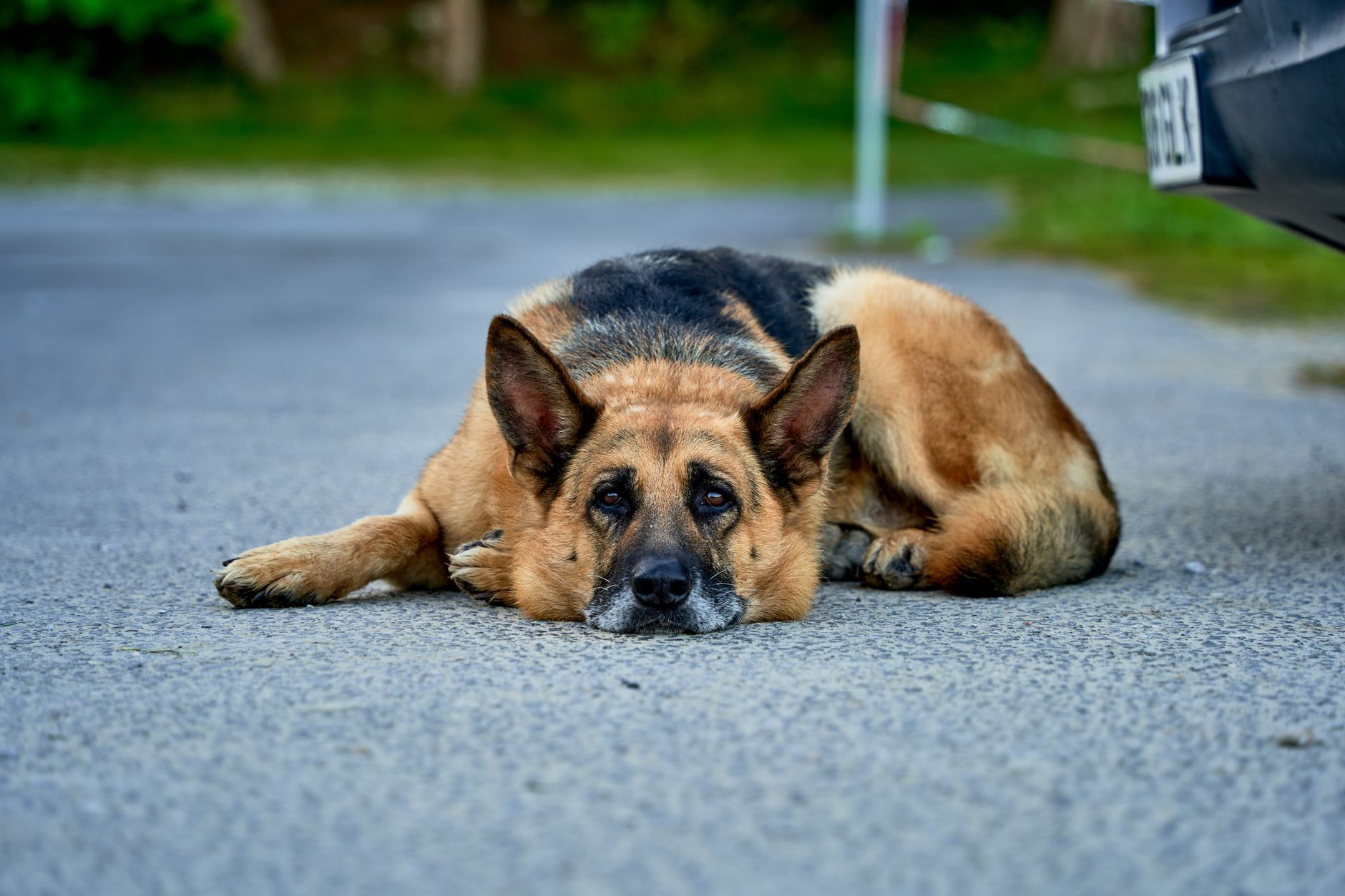
Several supplements can benefit dogs with hip dysplasia by supporting joint health, reducing inflammation, and alleviating pain. The most effective supplements include:
- Glucosamine: This amino sugar helps stimulate cartilage formation and repair, protecting the joints.
- Chondroitin: This complex carbohydrate inhibits destructive enzymes in the joint fluid, preventing cartilage breakdown. It also helps cartilage retain water, improving its elasticity.
- Omega-3 Fatty Acids: These essential fatty acids possess potent anti-inflammatory properties, reducing joint pain and stiffness. EPA and DHA, found in fish oil, are particularly beneficial.
- MSM (Methylsulfonylmethane): A natural sulfur compound that supports joint flexibility, reduces inflammation, and acts as an antioxidant.
- Antioxidants: Vitamins C and E, selenium, and other antioxidants help neutralize free radicals, which contribute to inflammation and joint damage.
How Supplements Work to Alleviate Hip Dysplasia
Supplements don’t cure hip dysplasia, but they can significantly improve a dog’s comfort and mobility. They work through different mechanisms:
- Cartilage Protection: Glucosamine and chondroitin help protect the existing cartilage and stimulate the production of new cartilage.
- Inflammation Reduction: Omega-3 fatty acids, MSM, and antioxidants reduce inflammation in the joints, alleviating pain and stiffness.
- Pain Management: Some supplements, like omega-3s, have analgesic (pain-relieving) properties.
- Joint Lubrication: Chondroitin helps cartilage retain water, improving joint lubrication and reducing friction.
Choosing the Right Supplement
What is the best supplement for dogs with hip dysplasia? Depends on several factors. The right supplement depends on the severity of the condition, your dog’s age, size, and overall health. Consider the following:
- Ingredients: Look for products containing high-quality glucosamine and chondroitin, preferably sourced from reputable manufacturers. Also, ensure the supplement contains adequate levels of omega-3 fatty acids (EPA and DHA).
- Dosage: Follow the manufacturer’s dosage recommendations, or consult your veterinarian for personalized advice. Dosage often depends on the dog’s weight.
- Form: Supplements come in various forms, including chewable tablets, capsules, powders, and liquids. Choose a form that your dog will readily accept.
- Third-Party Testing: Look for supplements that have been tested by a third-party organization (e.g., NSF International, USP) to ensure quality and purity.
Common Mistakes to Avoid
Giving supplements to dogs with hip dysplasia seems straightforward, but common mistakes can diminish efficacy and even cause harm.
- Insufficient Dosage: Using too low of a dose will not provide noticeable benefits. Follow the recommended dosage or consult with your veterinarian.
- Poor Quality Products: Low-quality supplements may contain fillers, contaminants, or inaccurate ingredient levels. Always choose reputable brands.
- Ignoring Veterinary Advice: Supplements should complement, not replace, veterinary care. Consult your vet for a comprehensive treatment plan.
- Expecting Immediate Results: Supplements typically take several weeks or months to produce noticeable effects. Patience is key.
- Over-Supplementing: Giving too much of certain supplements can be harmful. Always adhere to the recommended dosage.
Monitoring Your Dog’s Response
Once you start supplementing, carefully monitor your dog’s response. Look for improvements in:
- Mobility (e.g., easier rising, walking, and climbing stairs)
- Activity Level (e.g., increased willingness to play)
- Pain Levels (e.g., less limping, whining, or stiffness)
- Appetite and Overall Demeanor
Keep a journal to track your observations. If you don’t see improvement after a few months, consult your veterinarian to re-evaluate the treatment plan.
Combining Supplements with Other Therapies
Supplements are most effective when combined with other therapies, such as:
- Weight Management: Maintaining a healthy weight reduces stress on the joints.
- Exercise: Controlled, low-impact exercise helps maintain joint mobility and muscle strength.
- Physical Therapy: Physical therapy can improve range of motion, strength, and balance.
- Pain Medication: Your veterinarian may prescribe pain medication to manage pain and inflammation.
- Surgery: In severe cases, surgery may be necessary to correct hip dysplasia.
The Future of Hip Dysplasia Treatment
Research into new treatments for hip dysplasia is ongoing. Promising areas of research include:
- Stem Cell Therapy: Using stem cells to regenerate damaged cartilage.
- Gene Therapy: Modifying genes to prevent or treat hip dysplasia.
- New Supplements: Investigating novel supplements with enhanced anti-inflammatory and cartilage-protective properties.
The information provided here is for general informational purposes only and does not constitute medical advice. Always consult with your veterinarian before starting any new supplements or treatments for your dog.
| Supplement | Benefits | Dosage (General Guideline) | Considerations |
|---|---|---|---|
| Glucosamine | Stimulates cartilage formation, protects joints. | 500-1000 mg per day for medium to large dogs | May cause mild gastrointestinal upset in some dogs. |
| Chondroitin | Inhibits cartilage breakdown, improves joint lubrication. | 400-800 mg per day for medium to large dogs | Often combined with glucosamine for synergistic effect. |
| Omega-3 Fatty Acids | Reduces inflammation, alleviates pain. | EPA+DHA: 20mg/lb body weight | Choose fish oil supplements with guaranteed EPA and DHA levels. |
| MSM | Supports joint flexibility, reduces inflammation. | 50-100mg per kg body weight, divided into two doses per day | Start with a lower dose and gradually increase to avoid potential gastrointestinal upset. |
| Antioxidants | Neutralizes free radicals, protects against joint damage. | Dosage varies depending on the specific antioxidant | Consult with your veterinarian regarding appropriate antioxidant supplements and dosages for your dog’s needs. |
FAQs: Understanding the Best Supplement for Dogs with Hip Dysplasia
What is the best supplement for dogs with hip dysplasia available over-the-counter?
While the best supplement depends on the individual dog, a high-quality supplement combining glucosamine and chondroitin is often considered a good starting point. Look for products with clearly listed ingredients and third-party testing. Omega-3 fatty acids are also a readily available and beneficial addition.
Can supplements completely cure hip dysplasia in dogs?
No, supplements cannot cure hip dysplasia. They are designed to manage symptoms, slow disease progression, and improve the dog’s quality of life by supporting joint health and reducing inflammation. They complement other treatments, such as weight management, exercise, and pain medication.
How long does it take to see results after starting supplements for hip dysplasia?
It typically takes several weeks, and sometimes months, to see noticeable improvements after starting supplements. Be patient and consistent with the recommended dosage. If you don’t see improvement after three months, consult your veterinarian.
Are there any potential side effects of giving my dog supplements for hip dysplasia?
While generally safe, some dogs may experience mild side effects, such as gastrointestinal upset (e.g., diarrhea or vomiting). Start with a lower dose and gradually increase to the recommended level to minimize potential side effects. Allergic reactions are also possible but less common.
What is the best way to administer supplements to my dog?
The best way to administer supplements depends on the form and your dog’s preferences. Chewable tablets are often readily accepted. Powders can be mixed with food. Liquids can be given directly or added to food. Choose a form that your dog will consistently consume.
Should I consult with my veterinarian before giving my dog supplements for hip dysplasia?
Yes, it’s always best to consult with your veterinarian before starting any new supplements. Your veterinarian can help you determine the appropriate supplement and dosage based on your dog’s individual needs and health condition. They can also rule out any underlying medical conditions that may be contributing to the symptoms.
Are all glucosamine and chondroitin supplements created equal?
No, not all glucosamine and chondroitin supplements are created equal. The quality and source of ingredients can vary significantly. Look for products from reputable manufacturers that use high-quality ingredients and have been third-party tested for purity and potency.
What role does weight management play in managing hip dysplasia in dogs?
Maintaining a healthy weight is crucial for managing hip dysplasia. Excess weight puts additional stress on the joints, exacerbating pain and inflammation. Weight loss can significantly improve mobility and reduce symptoms.
Can exercise worsen hip dysplasia in dogs?
Appropriate exercise is beneficial, but excessive or high-impact exercise can worsen hip dysplasia. Focus on low-impact activities, such as swimming, walking on soft surfaces, and controlled leash walks. Avoid activities that put excessive stress on the joints, such as jumping and running on hard surfaces.
Are there any foods I should avoid feeding my dog with hip dysplasia?
Avoid feeding your dog foods that are high in inflammatory ingredients, such as processed foods, refined carbohydrates, and excessive amounts of omega-6 fatty acids. Focus on a balanced diet rich in omega-3 fatty acids, antioxidants, and lean protein.
Is there a specific age when I should start giving my dog supplements for hip dysplasia?
The appropriate age to start supplements depends on the individual dog. Some vets recommend starting supplements early (e.g., during puppyhood) in breeds predisposed to hip dysplasia as a preventative measure. Others recommend waiting until symptoms appear. Discuss with your veterinarian.
Can supplements replace pain medication for my dog with hip dysplasia?
While supplements can help manage pain and inflammation, they may not be sufficient to completely replace pain medication, especially in severe cases. Supplements are best used in conjunction with other therapies, including pain medication prescribed by your veterinarian, as part of a comprehensive treatment plan.