
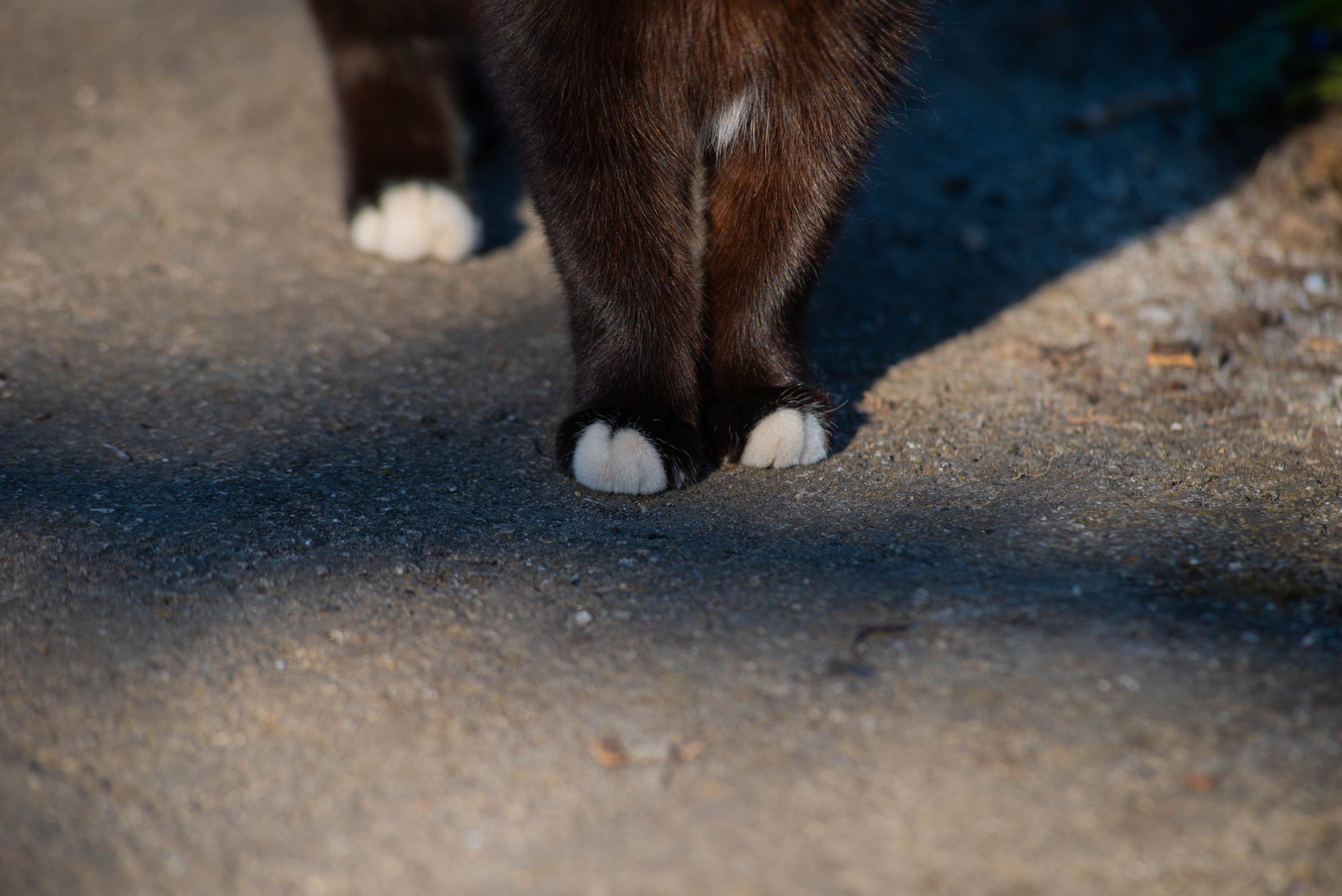
Do Cats’ Back Legs Go With Age?: Understanding Mobility Changes
With age, many cats experience changes in their back legs, often leading to decreased mobility and stiffness. Understanding these changes is crucial for providing the best possible care for your aging feline companion.

Understanding the Aging Process in Cats
The aging process in cats, like in humans, brings about various physical and physiological changes. These changes can significantly impact their mobility and quality of life, particularly affecting their back legs. Do cats back legs go with age? In short, yes, they often do due to a combination of factors.

Is distilled water good for goldfish?
What colours are fish most attracted to?
Can you put your finger in a trout's mouth?
Is methylene blue anti bacterial?
Common Age-Related Changes Affecting Back Legs

Several common conditions contribute to the weakening or degradation of a cat’s back legs as they age. Recognizing these potential issues is the first step in providing appropriate care.
- Arthritis (Osteoarthritis): This is a degenerative joint disease that causes inflammation, pain, and stiffness in the joints, particularly in the hips and knees, which are critical for hind leg function. Arthritis is the most common reason for decreased mobility in senior cats.
- Muscle Loss (Sarcopenia): As cats age, they naturally lose muscle mass, especially if they become less active. This loss of muscle strength directly impacts their ability to jump, climb, and even walk comfortably.
- Neurological Issues: Nerve damage or degenerative neurological conditions can affect the signals sent to the back legs, leading to weakness, incoordination, or even paralysis.
- Spinal Problems: Conditions like spinal arthritis (spondylosis) or intervertebral disc disease can compress the spinal cord, causing pain and weakness in the hind legs.
- Diabetes: Untreated diabetes can lead to nerve damage (diabetic neuropathy), particularly in the legs, resulting in weakness and difficulty walking.
- Obesity: Excess weight puts additional strain on the joints, exacerbating arthritis and other musculoskeletal problems.
Recognizing the Signs of Back Leg Weakness
Early detection of back leg problems is crucial for effective management. Watch for these signs in your senior cat:
- Difficulty Jumping: Hesitation or inability to jump onto favorite spots.
- Stiffness: Noticeable stiffness, especially after resting.
- Limping: Favoring one leg over the other.
- Reduced Activity: Less interest in playing or exploring.
- Hesitation Going Up or Down Stairs: Struggling with stairs or avoiding them altogether.
- Changes in Grooming Habits: Difficulty reaching certain areas for grooming.
- Muscle Atrophy: Noticeable shrinking of muscle mass in the hind legs.
- Changes in Litter Box Habits: Missing the litter box or struggling to get in.
Supporting Your Senior Cat’s Mobility
While age-related changes are inevitable, there are many things you can do to support your cat’s mobility and comfort:
- Regular Veterinary Checkups: Early detection and treatment of underlying conditions are essential.
- Weight Management: Maintain a healthy weight to reduce strain on the joints.
- Joint Supplements: Glucosamine, chondroitin, and omega-3 fatty acids can help support joint health.
- Pain Management: Your veterinarian can prescribe pain medication to manage arthritis or other painful conditions.
- Environmental Modifications:
- Provide ramps or steps to help your cat reach favorite spots.
- Use shallow litter boxes with easy access.
- Provide soft, comfortable bedding in accessible locations.
- Keep food and water bowls within easy reach.
- Physical Therapy: Gentle exercises and massage can help maintain muscle strength and flexibility.
- Acupuncture: Some cat owners find acupuncture helpful for managing pain and improving mobility.
- Warm Compresses: Applying warm compresses to stiff joints can provide temporary relief.
The Role of Diet in Maintaining Mobility
A well-balanced diet formulated for senior cats can play a significant role in maintaining mobility. Look for diets that are:
- High in Protein: To support muscle mass.
- Moderate in Fat: For energy and to help maintain a healthy weight.
- Enriched with Antioxidants: To combat inflammation.
- Supplemented with Omega-3 Fatty Acids: To support joint health.
It’s important to consult with your veterinarian about the best diet for your cat’s individual needs.
Frequently Asked Questions (FAQs)
Can arthritis be cured in cats?
No, arthritis in cats cannot be cured, but it can be effectively managed with a combination of medication, joint supplements, weight management, and environmental modifications. The goal is to reduce pain, improve mobility, and maintain a good quality of life.
What are the early signs of arthritis in cats?
Early signs of arthritis in cats can be subtle. Look for decreased jumping ability, stiffness after resting, changes in grooming habits, and reluctance to use stairs. It’s important to consult with your veterinarian if you notice any of these signs.
How can I tell if my cat is in pain?
Cats are masters at hiding pain. Look for subtle signs such as decreased appetite, changes in behavior (e.g., hiding, aggression), reluctance to be touched, and changes in posture or gait. If you suspect your cat is in pain, consult with your veterinarian immediately.
Is it normal for older cats to lose muscle mass in their back legs?
Yes, it is normal for older cats to lose muscle mass (sarcopenia) as they age, particularly if they become less active. However, maintaining a high-protein diet and encouraging gentle exercise can help slow down the process.
What types of exercise are safe for older cats with back leg problems?
Gentle, low-impact exercises are best for older cats with back leg problems. This could include short walks, interactive play with toys, and gentle stretching or massage. Avoid activities that involve jumping or running, which could put excessive strain on the joints.
Are joint supplements effective for cats with arthritis?
Joint supplements, such as glucosamine and chondroitin, can be helpful for supporting joint health in cats with arthritis. While they may not eliminate pain completely, they can help improve mobility and reduce inflammation. It is important to choose high-quality supplements specifically formulated for cats and to consult with your veterinarian about appropriate dosages.
Can acupuncture help cats with back leg problems?
Some cat owners report that acupuncture can be helpful for managing pain and improving mobility in cats with back leg problems. Acupuncture is thought to stimulate the release of endorphins, which have pain-relieving effects. However, it is important to find a qualified and experienced veterinary acupuncturist.
What environmental changes can I make to help my cat with back leg weakness?
Several environmental changes can help make your home more accessible and comfortable for a cat with back leg weakness:
- Provide ramps or steps to help your cat reach favorite spots.
- Use shallow litter boxes with easy access.
- Provide soft, comfortable bedding in accessible locations.
- Keep food and water bowls within easy reach.
How often should I take my senior cat to the vet?
Senior cats should typically be taken to the vet at least twice a year for checkups. This allows the veterinarian to monitor their overall health, detect any potential problems early, and make recommendations for managing age-related conditions.
What is feline cognitive dysfunction (FCD), and how does it relate to mobility?
Feline Cognitive Dysfunction (FCD), sometimes referred to as cat dementia, can impact a cat’s awareness and mobility. Cats with FCD may experience confusion, disorientation, and changes in their ability to navigate their surroundings, indirectly affecting their gait and coordination.
Is obesity a contributing factor to back leg problems in cats?
Yes, obesity can be a significant contributing factor to back leg problems in cats. Excess weight puts additional strain on the joints, exacerbating arthritis and other musculoskeletal problems. Weight management is crucial for maintaining mobility in senior cats.
What is the prognosis for cats with severe back leg weakness?
The prognosis for cats with severe back leg weakness depends on the underlying cause. If the weakness is due to a treatable condition, such as diabetes or a pinched nerve, the prognosis may be good. However, if the weakness is due to a progressive condition, such as arthritis or a neurological disorder, the prognosis may be more guarded. Regardless of the prognosis, maintaining quality of life through pain management, supportive care, and environmental modifications is essential.