

What Breed of Goose is Friendly?: Finding Your Gentle Giant
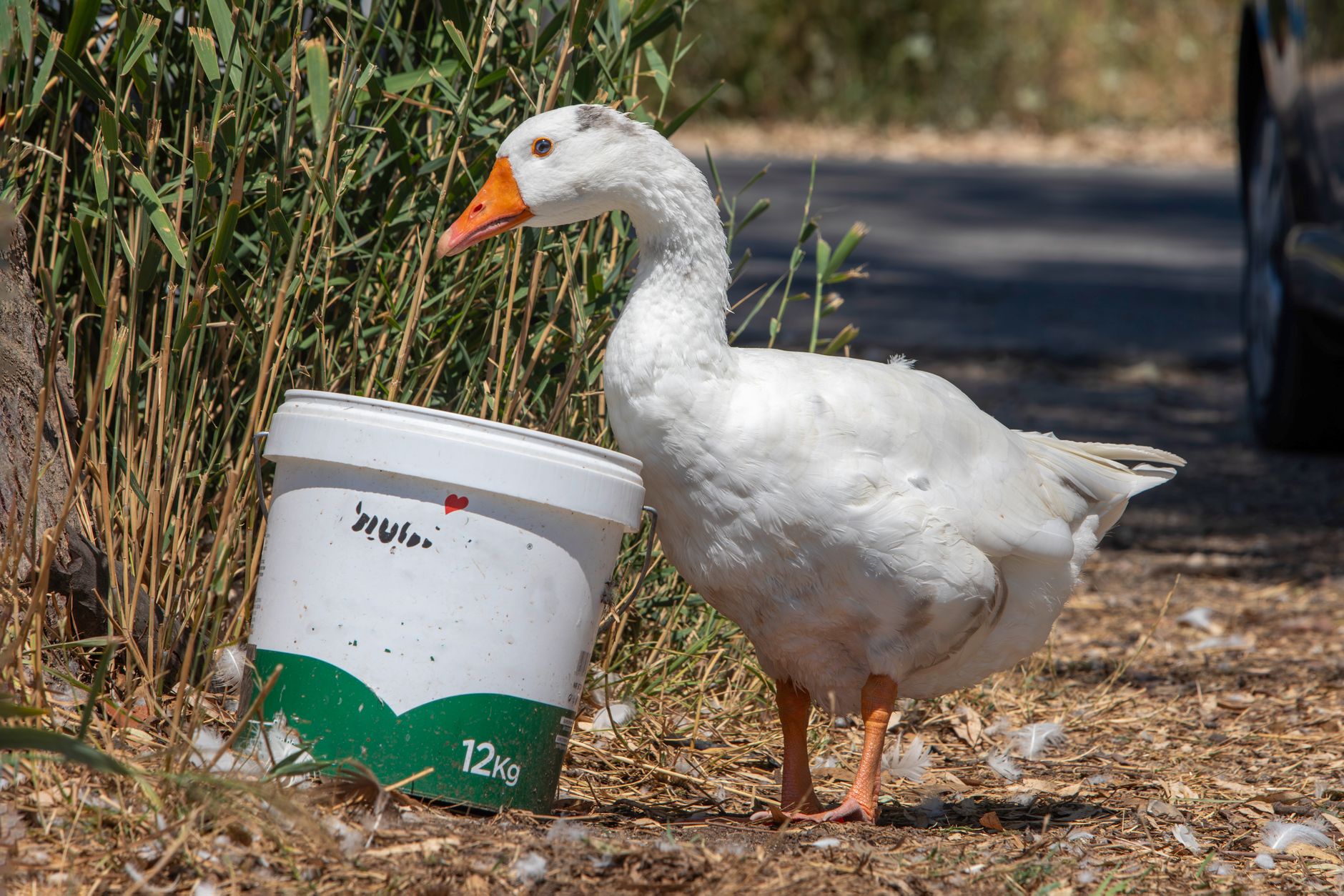
The friendliest goose breed is often considered to be the Embden goose, known for its relatively docile and approachable nature compared to other goose breeds. This article explores the characteristics of various goose breeds to help you determine what breed of goose is friendly enough to suit your needs.
Understanding Goose Temperament
Goose temperament varies significantly across different breeds. While individual personalities also play a role, certain breeds are generally more predisposed to being friendly and interactive with humans. Factors influencing a goose’s disposition include:
- Breed genetics: Some breeds have been selectively bred for traits like docility and ease of handling.
- Early socialization: How a goose is raised and handled from a young age significantly impacts its comfort level around humans.
- Individual personality: Just like any animal, geese have individual personalities, with some being naturally more outgoing than others.

Is distilled water good for goldfish?
What colours are fish most attracted to?
Can you put your finger in a trout's mouth?
Is methylene blue anti bacterial?
Key Breeds Known for Friendliness

Several breeds consistently rank high on the list of friendly geese. These breeds are generally less aggressive and more receptive to human interaction when properly socialized:
- Embden: Known for their calm demeanor and tolerance of human interaction. They are often described as gentle giants.
- Toulouse: While larger and potentially intimidating, Toulouse geese can be quite docile and friendly if raised properly.
- Buff Goose: This breed is known for its calm and agreeable temperament, making it a good choice for those seeking a friendly and manageable goose.
- American Buff: Similar to the Buff Goose, the American Buff is praised for its docile nature and adaptability to backyard settings.
Factors Affecting Goose Friendliness
Even within friendly breeds, certain factors can influence a goose’s disposition:
- Handling: Consistent, gentle handling from a young age is crucial for developing a friendly goose.
- Environment: A safe and comfortable environment reduces stress and promotes a more positive disposition.
- Socialization: Exposure to different people and animals can help geese become more well-adjusted and less fearful.
- Diet: A balanced diet contributes to overall health and well-being, which can positively impact temperament.
Comparing Goose Breeds for Friendliness
The following table provides a comparison of several goose breeds, focusing on their general temperament:
| Breed | Size | Temperament | Noise Level | Egg Laying | Notes |
|---|---|---|---|---|---|
| Embden | Large | Docile, Friendly | Moderate | Moderate | Known for their gentle nature; require ample space. |
| Toulouse | Large | Docile, Can be Friendly | Moderate | Low | Can be territorial; early socialization is key. |
| Buff | Medium | Docile, Friendly | Moderate | Moderate | Calm and easy to handle; good for beginners. |
| American Buff | Medium | Docile, Friendly | Moderate | Moderate | Considered friendly, and adaptable to smaller spaces. |
| Chinese (White) | Medium | Alert, Can be Noisy | High | High | Can be more aggressive; good watchdogs, not typically known for friendliness. |
| Pilgrim | Medium | Docile, Good Parents | Moderate | Moderate | Auto-sexing breed (males and females have different feather colors). |
| African | Large | Alert, Can be Aggressive | High | Low | Can be territorial and protective; requires experienced handling. |
The Importance of Early Socialization
Socialization is a cornerstone of raising friendly geese. Beginning from the time they are goslings, regular, gentle handling can significantly impact their behavior. This includes:
- Regular handling: Gently picking up and holding goslings to accustom them to human touch.
- Positive reinforcement: Using treats and praise to reward positive interactions.
- Exposure to different environments: Gradually introducing goslings to new sights, sounds, and people.
Common Mistakes That Lead to Aggression
Certain mistakes can contribute to aggressive behavior in geese, even in breeds typically known for friendliness. Avoiding these common errors is key to raising well-behaved geese.
- Neglecting socialization: Failing to handle and interact with geese from a young age.
- Creating a stressful environment: Providing inadequate space, food, or shelter.
- Overcrowding: Keeping too many geese in a confined area.
- Inconsistent handling: Switching between gentle and rough handling.
- Fearful reactions: Showing fear around geese, which can trigger defensive behavior.
Finding the Right Breed for Your Needs
When searching for what breed of goose is friendly, consider your experience level, available space, and desired level of interaction.
- Beginner goose keepers: Embden and Buff geese are generally considered good choices due to their docile nature.
- Larger spaces: Breeds like Toulouse and Embden require more space due to their size.
- Families with children: Breeds with a history of docility, coupled with early socialization, are best suited for families with children.
Frequently Asked Questions About Friendly Geese
What makes a goose breed “friendly”?
A “friendly” goose breed typically exhibits a calm and docile temperament, showing less aggression towards humans and other animals. These breeds are often more receptive to handling and interaction, making them easier to manage and enjoy. Breed disposition, combined with proper socialization, is key.
Are all geese naturally aggressive?
No, not all geese are naturally aggressive. While some breeds are more prone to territorial behavior, many others are known for their gentle nature, especially when raised with consistent and positive human interaction. Early socialization is extremely important.
Is it possible to make a less friendly goose breed more docile?
While genetics play a role, early and consistent socialization can significantly improve the temperament of even less naturally friendly breeds. Gentle handling, positive reinforcement, and a stress-free environment can help a goose become more comfortable around humans. However, some breeds are inherently more predisposed to aggression.
How can I tell if a goose is becoming aggressive?
Signs of aggression in geese include hissing, honking loudly, wing flapping, charging, and biting. Understanding these warning signs is crucial for preventing escalation and ensuring your safety.
What should I do if a goose becomes aggressive?
If a goose becomes aggressive, avoid direct eye contact and slowly back away. Do not run or turn your back on the goose, as this may trigger a chase. Try to assert your dominance by standing tall and making yourself appear larger.
Do male geese (ganders) tend to be more aggressive than female geese (geese)?
Generally, ganders can be more territorial and protective than geese, especially during breeding season. However, individual temperament varies, and some geese can be just as assertive.
How does the environment affect a goose’s temperament?
A safe, comfortable, and spacious environment can significantly reduce stress and promote a more positive disposition in geese. Providing adequate food, water, shelter, and opportunities for foraging and swimming can contribute to their overall well-being and reduce the likelihood of aggressive behavior. A happy goose is often a friendly goose.
Can geese be trained?
Yes, geese can be trained using positive reinforcement techniques. They can learn simple commands such as coming when called or staying within a designated area. Consistency and patience are key to successful training.
Are geese good with children?
Some goose breeds, particularly those known for their docility, can be good with children, especially when raised together from a young age. However, it is important to supervise interactions between children and geese to prevent accidental injuries or aggression. Teach children how to interact with the geese respectfully.
How much space do geese need?
Geese need ample space to roam and graze. A general guideline is to provide at least 200 square feet of outdoor space per goose. They also require access to a pond or other body of water for swimming and bathing. Adequate space is critical for their well-being and temperament.
Do geese bond with their owners?
Geese can form strong bonds with their owners, especially when raised with consistent human interaction. They may recognize their owners and show affection through vocalizations and physical proximity. The depth of the bond depends on the individual goose and the level of interaction.
What should I feed my geese to keep them healthy and happy?
A balanced diet for geese should include a combination of commercial waterfowl feed, fresh grass, weeds, and other vegetation. They also need access to clean, fresh water at all times. A proper diet contributes to their overall health and well-being, which can positively impact their temperament. Knowing what breed of goose is friendly is just the beginning; understanding their needs is equally crucial.