

What is the Best Grass for Flooding?
The best grass for flooding is often a combination of water-tolerant and erosion-resistant species, like Creeping Red Fescue, Tall Fescue, and certain varieties of Perennial Ryegrass, which provide both rapid establishment and long-term soil stabilization in flood-prone areas.

Understanding Flooding and its Impact on Grass
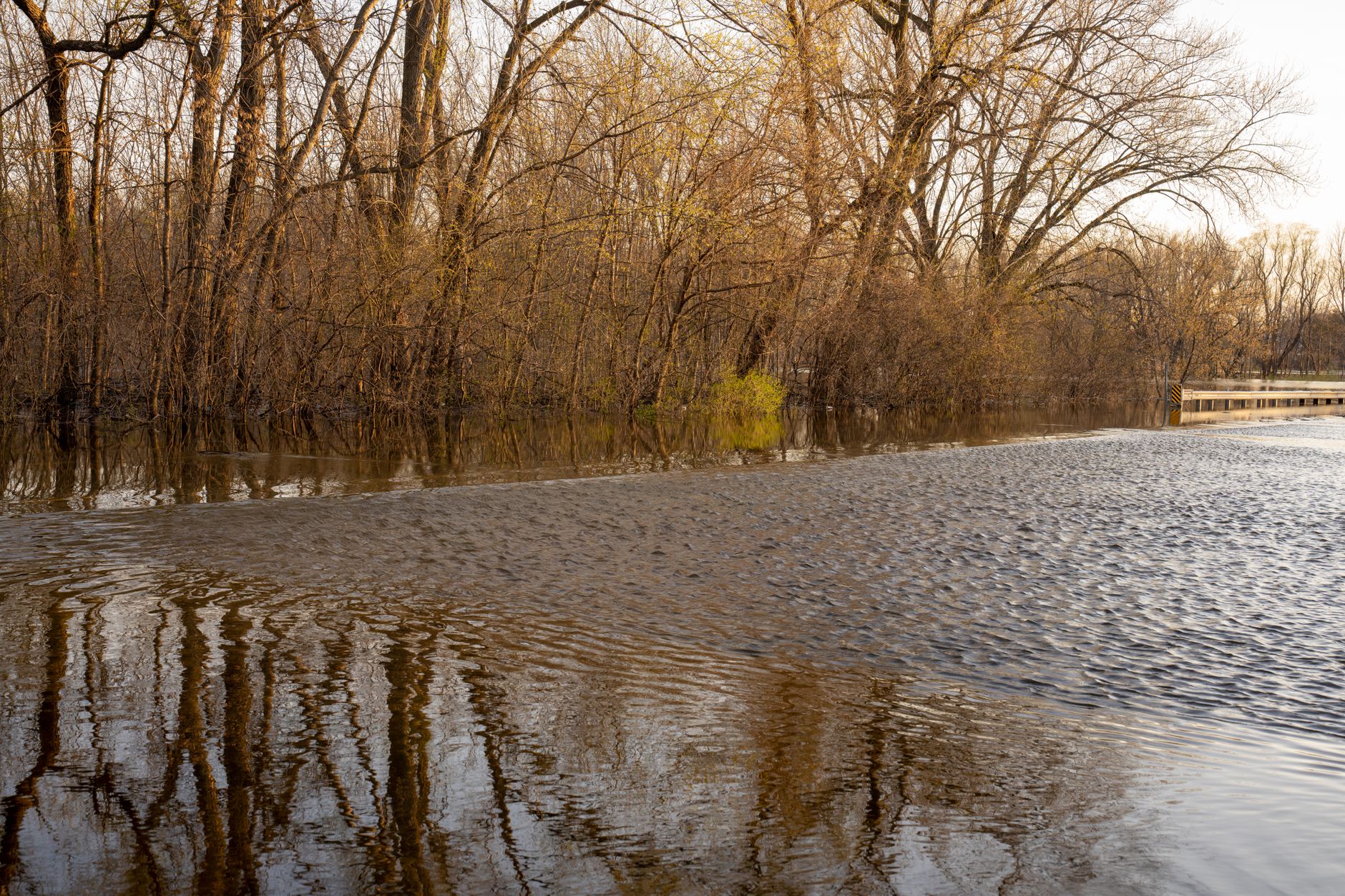
Flooding, whether from overflowing rivers, excessive rainfall, or poor drainage, poses a significant challenge to maintaining healthy lawns and landscapes. The prolonged saturation of soil deprives grass roots of oxygen, leading to root rot, disease, and ultimately, the death of the turf. Furthermore, floodwaters can carry sediment and debris, smothering existing grass and inhibiting new growth. Choosing the right grass species is, therefore, critical for successful vegetation in areas susceptible to flooding.
What colours are fish most attracted to?
Can you put your finger in a trout's mouth?
Is methylene blue anti bacterial?
Does aquarium salt raise pH in aquarium?
Key Characteristics of Flood-Tolerant Grasses

Not all grasses are created equal when it comes to surviving in wet conditions. The best grass for flooding exhibits several key characteristics:
- Water Tolerance: The ability to withstand prolonged periods of inundation without succumbing to root rot or other water-related diseases.
- Rapid Establishment: Quick germination and growth to provide ground cover and prevent soil erosion in vulnerable areas.
- Erosion Resistance: Strong root systems that bind the soil together, minimizing erosion caused by flowing water.
- Adaptability: The capacity to thrive in a range of soil types and climatic conditions.
- Disease Resistance: Reduced susceptibility to diseases that are more prevalent in wet environments.
Top Grass Varieties for Flood-Prone Areas
Several grass varieties have demonstrated superior performance in flood-prone environments. Here’s a breakdown:
- Creeping Red Fescue (Festuca rubra): Highly water-tolerant and shade-tolerant, making it suitable for areas that remain damp even after the floodwaters recede.
- Tall Fescue (Festuca arundinacea): Deep root system provides excellent erosion control. Certain cultivars are specifically bred for improved waterlogging tolerance.
- Perennial Ryegrass (Lolium perenne): Germinates quickly and establishes rapidly, providing immediate erosion protection. It can withstand short periods of flooding.
- Rough Bluegrass (Poa trivialis): A cool-season grass well-adapted to wet, shady areas. However, it is less drought-tolerant.
- Reed Canarygrass (Phalaris arundinacea): While sometimes considered invasive, it’s exceptionally flood-tolerant and often used for erosion control along waterways. Consider carefully due to its aggressive nature.
- Seashore Paspalum (Paspalum vaginatum): Highly salt-tolerant and can withstand prolonged flooding, making it ideal for coastal areas.
Improving Drainage to Enhance Grass Survival
While selecting the right grass is crucial, improving drainage is equally important to mitigate the impact of flooding. Consider these strategies:
- Grading: Re-grading the landscape to create a slope that directs water away from vulnerable areas.
- French Drains: Installing underground perforated pipes to collect and divert excess water.
- Rain Gardens: Creating depressions planted with water-loving plants to absorb and filter runoff.
- Soil Amendment: Incorporating organic matter, such as compost, to improve soil structure and drainage.
Planting and Maintaining Flood-Tolerant Grass
Successfully establishing flood-tolerant grass requires careful planning and execution:
- Soil Testing: Conduct a soil test to determine pH and nutrient levels. Amend the soil as needed.
- Seedbed Preparation: Create a smooth, firm seedbed by removing debris, tilling the soil, and raking it level.
- Seeding: Sow seeds evenly at the recommended rate for the chosen grass variety.
- Watering: Keep the soil consistently moist until the grass seedlings emerge.
- Fertilizing: Apply a balanced fertilizer to promote healthy growth.
- Mowing: Mow regularly to maintain the desired height and encourage density.
Common Mistakes to Avoid
- Choosing the Wrong Grass: Selecting a grass variety that is not suited to wet conditions or the local climate.
- Neglecting Drainage: Failing to address drainage issues, leading to waterlogged soil and grass death.
- Over-Fertilizing: Excessive fertilization can weaken grass and make it more susceptible to disease.
- Improper Mowing: Mowing too short can stress the grass and reduce its ability to withstand flooding.
- Ignoring Soil Health: Neglecting soil testing and amendment can result in poor grass growth.
| Grass Type | Water Tolerance | Erosion Resistance | Establishment Speed | Climate Suitability |
|---|---|---|---|---|
| Creeping Red Fescue | High | Moderate | Slow | Cool-Season |
| Tall Fescue | Moderate | High | Moderate | Cool-Season |
| Perennial Ryegrass | Moderate | Moderate | Fast | Cool-Season |
| Rough Bluegrass | High | Low | Moderate | Cool-Season |
| Reed Canarygrass | Very High | Very High | Fast | Temperate |
| Seashore Paspalum | Very High | Moderate | Moderate | Warm-Season |
Frequently Asked Questions (FAQs)
What is the best time of year to plant flood-tolerant grass?
The best time to plant flood-tolerant grass depends on the specific grass variety and your climate. Generally, cool-season grasses like Tall Fescue and Perennial Ryegrass are best planted in the fall or early spring, while warm-season grasses like Seashore Paspalum are best planted in the late spring or early summer.
How can I improve drainage in my yard to prevent flooding?
Several methods can be used to improve drainage, including re-grading the land to direct water away from buildings, installing French drains to collect and divert excess water, creating rain gardens to absorb runoff, and amending the soil with organic matter to improve its structure.
Is it possible to overwater flood-tolerant grass?
While flood-tolerant grasses can withstand prolonged periods of inundation, they can still be damaged by excessive watering if the soil remains perpetually waterlogged. Ensure that the soil has adequate drainage and avoid overwatering, especially during periods of heavy rainfall.
How often should I fertilize my flood-tolerant grass?
The frequency of fertilization depends on the specific grass variety, soil conditions, and local climate. A general recommendation is to fertilize in the spring and fall with a balanced fertilizer. Always conduct a soil test to determine the specific nutrient needs of your grass.
What are some signs that my grass is suffering from flooding?
Signs of flooding damage include yellowing or browning leaves, thinning turf, root rot, and the development of water-related diseases. You may also notice a foul odor coming from the soil.
Can I use a mixture of different grass varieties in flood-prone areas?
Yes, using a mixture of different grass varieties can be beneficial, as it provides a wider range of adaptation and resilience. For example, you could combine Perennial Ryegrass for rapid establishment with Tall Fescue for long-term erosion control.
How do I choose the right grass variety for my specific location?
Consider factors such as the amount of sunlight your lawn receives, the soil type, the local climate, and the frequency and severity of flooding. Consult with a local landscaping expert or extension agent for recommendations specific to your region.
Are there any organic alternatives to traditional fertilizers for flood-tolerant grass?
Yes, organic fertilizers such as compost, manure, and bone meal can provide essential nutrients to your grass without the risk of chemical runoff. These options also improve soil health and water retention.
What should I do with my lawn immediately after a flood?
After a flood, remove any debris from the lawn, such as branches, rocks, and trash. Allow the soil to drain before attempting to mow. Consider aerating the soil to improve drainage and oxygen availability.
How can I prevent weeds from taking over my lawn after a flood?
Flooding can create ideal conditions for weed growth. Apply a pre-emergent herbicide in the spring to prevent weed seeds from germinating. Consider a post-emergent herbicide if weeds are already established. Proper lawn care practices, such as regular mowing and fertilization, can also help prevent weed infestations.
Is it necessary to reseed my lawn after a major flood?
It depends on the extent of the damage. If the grass is severely damaged or completely destroyed, reseeding may be necessary. Consider overseeding thin areas to improve density.
What role does soil composition play in flooding resilience?
The soil’s ability to drain is critical. Heavy clay soils hold water and exacerbate flooding damage, while sandy soils drain quickly but may lack essential nutrients. Amending the soil with organic matter will improve drainage and water retention. This creates the most ideal environment for healthy flood-tolerant grass growth.