

Can Cats Be In A Bad Mood For No Reason? Understanding Feline Irritability
It’s tempting to anthropomorphize our feline companions, but can they truly be in a bad mood for no reason? The answer is a nuanced yes, but it’s almost always linked to underlying causes, even if subtle ones, making a true “no reason” situation rare.

Unveiling Feline Mood Swings: More Than Just Grumpy Cats
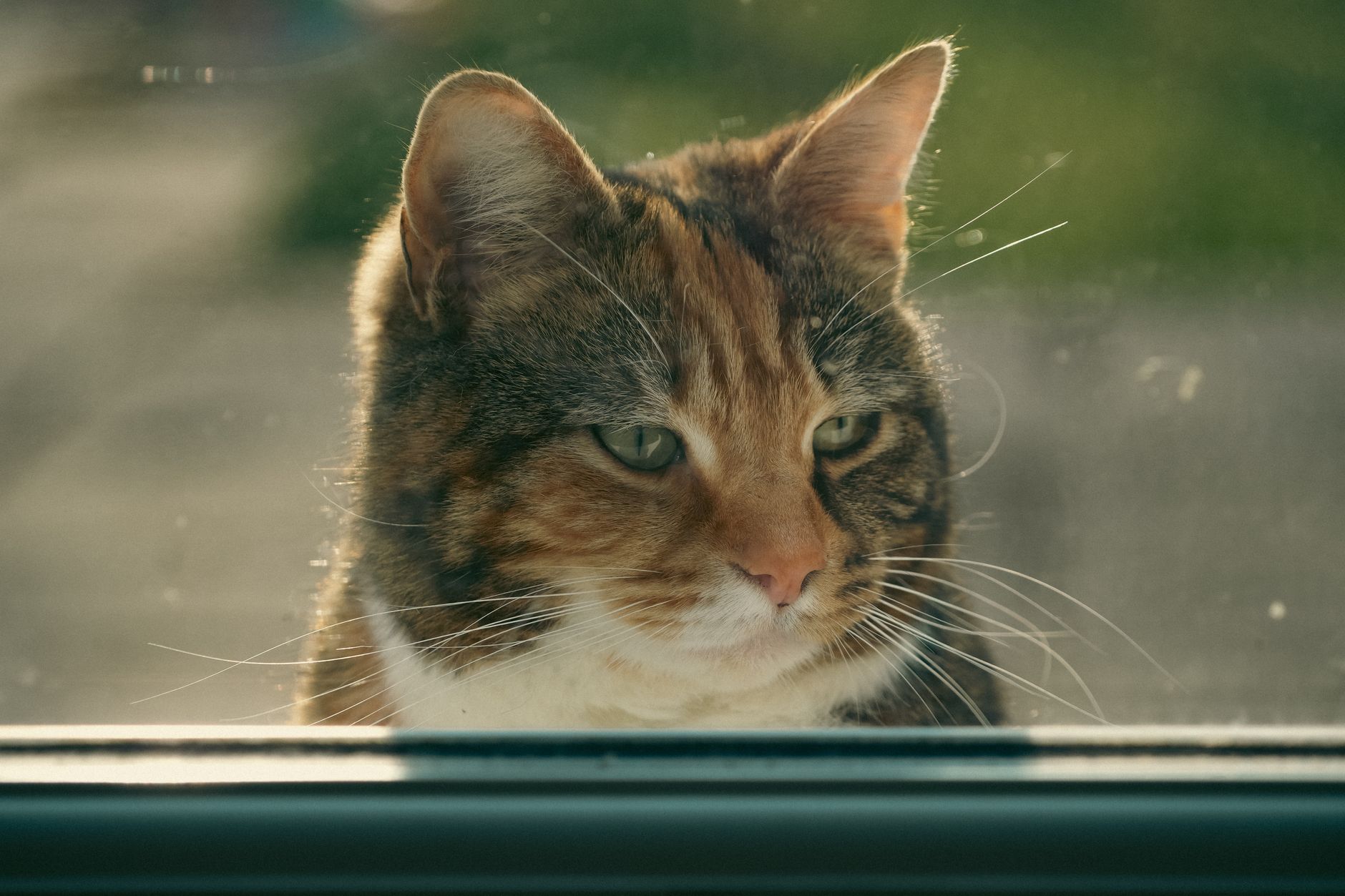
Cats, like any living creature, experience a range of emotions. While we might not always understand them, changes in their behavior can signal that something is amiss. The notion of a cat being in a “bad mood” often translates to increased irritability, withdrawal, or even aggression. Understanding the potential triggers behind these shifts is key to providing them with the care they need. We need to look beyond simple anthropomorphism to explore the possible reasons why can cats be in a bad mood for no reason? appears to be a valid question.
What colours are fish most attracted to?
Can you put your finger in a trout's mouth?
Is methylene blue anti bacterial?
Does aquarium salt raise pH in aquarium?
Common Causes Behind Feline Irritability

Often, what appears to be a “bad mood” is a symptom of an underlying issue. These issues can range from minor discomfort to significant health concerns. Considering these factors helps decipher what’s happening and address the cat’s needs effectively.
- Medical Issues: Pain, discomfort, and illness are primary drivers of mood changes. Conditions like arthritis, dental problems, urinary tract infections, or hyperthyroidism can significantly affect a cat’s well-being.
- Environmental Stressors: Changes in the environment, such as moving homes, new pets, loud noises, or even rearranging furniture, can cause stress and anxiety, leading to irritability.
- Behavioral Issues: Boredom, lack of stimulation, or frustration can manifest as negative behaviors and perceived moodiness.
- Changes in Routine: Cats thrive on routine. Any disruption, such as altered feeding times, different caregivers, or changes in playtime, can upset them.
- Pain or Discomfort: Even seemingly minor irritations like fleas, allergies, or a matted coat can make a cat irritable.
- Sensory Decline: As cats age, their senses may decline. This can lead to anxiety and confusion, resulting in irritability.
Recognizing The Signs: What Does A “Bad Mood” Look Like?
It’s crucial to be able to differentiate between normal feline behavior and signs of distress. Recognizing subtle changes can help you address potential problems early. Here are some common indicators of a cat in a “bad mood”:
- Increased Hissing or Growling: These are clear warning signs that the cat is feeling threatened or uncomfortable.
- Withdrawal and Hiding: A cat that suddenly starts hiding more often than usual may be trying to avoid something that’s causing them stress.
- Changes in Appetite: A sudden decrease or increase in appetite can indicate an underlying medical or emotional issue.
- Increased Vocalization: Excessive meowing, especially if it’s a different tone or pattern than usual, can be a sign of distress.
- Aggression: Scratching, biting, or swatting, especially if directed towards their owners, are serious indicators of a problem.
- Changes in Grooming Habits: Either excessive grooming or a complete lack of grooming can point to underlying stress or illness.
- Restlessness and Pacing: An inability to settle down and constant pacing can be a sign of anxiety or discomfort.
Addressing Feline Irritability: A Step-by-Step Approach
If you suspect your cat is in a “bad mood,” taking a systematic approach to identify and address the underlying cause is vital.
- Veterinary Check-up: The first step should always be a thorough veterinary examination to rule out any medical issues. Blood tests, urine analysis, and physical examinations can help identify underlying health problems.
- Environmental Assessment: Evaluate your cat’s environment for any potential stressors.
- Is there a new pet or person in the house?
- Have you recently moved or rearranged furniture?
- Are there any loud noises or other disturbances that might be upsetting your cat?
- Behavioral Analysis: Observe your cat’s behavior carefully.
- When does the “bad mood” occur?
- What triggers the irritability?
- What seems to soothe the cat?
- Enrichment and Stimulation: Ensure your cat has access to plenty of toys, scratching posts, and climbing opportunities. Interactive play sessions can also help reduce boredom and frustration.
- Routine and Consistency: Maintain a consistent daily routine for feeding, playtime, and rest. This can help reduce anxiety and create a sense of security.
- Consult with a Behavioral Specialist: If you’re struggling to identify the cause of your cat’s irritability, consider consulting with a veterinary behaviorist or certified cat behavior consultant.
The Importance of Patience and Understanding
It’s crucial to approach your cat with patience and understanding. Punishing or scolding a cat in a “bad mood” will only exacerbate the problem and damage your relationship. Instead, focus on providing a safe, comfortable, and stimulating environment. Remember that can cats be in a bad mood for no reason? is a question that often leads to the discovery of underlying issues requiring attention.
Frequently Asked Questions (FAQs)
Is it possible for a cat to be jealous of another pet or person?
Yes, cats can experience jealousy. Changes in attention or resources can trigger feelings of jealousy, leading to behavioral changes like aggression or withdrawal. Provide equal attention and resources to all pets to minimize jealousy.
Can a cat’s diet affect its mood?
Yes, diet can absolutely affect a cat’s mood. Nutritional deficiencies or allergies can lead to physical discomfort and irritability. A high-quality, balanced diet is essential for overall well-being.
Do cats get depressed?
While the term “depression” is complex, cats can experience symptoms similar to depression in humans. Lethargy, loss of appetite, and withdrawal can be indicators. A veterinary check-up and environmental enrichment can help.
Can stress cause a cat to act out aggressively?
Yes, stress is a common trigger for aggression in cats. Environmental changes, fear, and anxiety can lead to defensive aggression. Identify and address the source of stress to reduce aggression.
How can I tell if my cat is in pain?
Signs of pain in cats can be subtle. Changes in posture, gait, grooming habits, and appetite can indicate pain. A veterinary examination is crucial to diagnose and treat the underlying cause.
What is feline idiopathic cystitis (FIC), and how does it affect mood?
FIC is a painful bladder condition that can cause significant stress and irritability in cats. It’s often linked to stress and anxiety. Management includes stress reduction, dietary changes, and sometimes medication.
Are there any pheromone products that can help calm a cat?
Yes, there are pheromone products like Feliway that mimic natural feline facial pheromones. These can help reduce stress and anxiety in cats, particularly in new environments or during stressful events.
How much playtime does a cat need to stay happy?
The amount of playtime varies depending on the cat’s age, breed, and personality. However, at least 15-30 minutes of interactive play per day is generally recommended to keep cats stimulated and happy.
Can a cat be in a bad mood because it’s bored?
Absolutely. Boredom can lead to frustration and negative behaviors. Provide a variety of toys, scratching posts, and climbing opportunities to keep your cat mentally and physically stimulated.
How do I introduce a new cat to an existing cat without causing stress?
Introducing cats should be done gradually. Start by keeping them separated and slowly introducing their scents. Supervise short, controlled interactions and provide plenty of positive reinforcement.
Can changes in the weather affect a cat’s mood?
While not as directly as in humans, weather changes can indirectly affect a cat’s mood. Changes in barometric pressure, decreased sunlight, and temperature shifts can contribute to lethargy or irritability, especially in older cats.
If I suspect my cat is in a bad mood for no reason, what should I do first?
The first step is to consult with your veterinarian to rule out any underlying medical conditions. Once health issues are eliminated, you can focus on environmental and behavioral factors that may be contributing to your cat’s irritability. Even if it seems like there’s no reason, consider all possible factors before concluding there isn’t one. Addressing can cats be in a bad mood for no reason? always requires careful consideration.