

What is the Best Fruit to Catch a Groundhog?
The best fruit to catch a groundhog is cantaloupe. Its strong, sweet aroma attracts groundhogs, and its firm texture makes it difficult for them to simply carry away, keeping them near the trap longer.
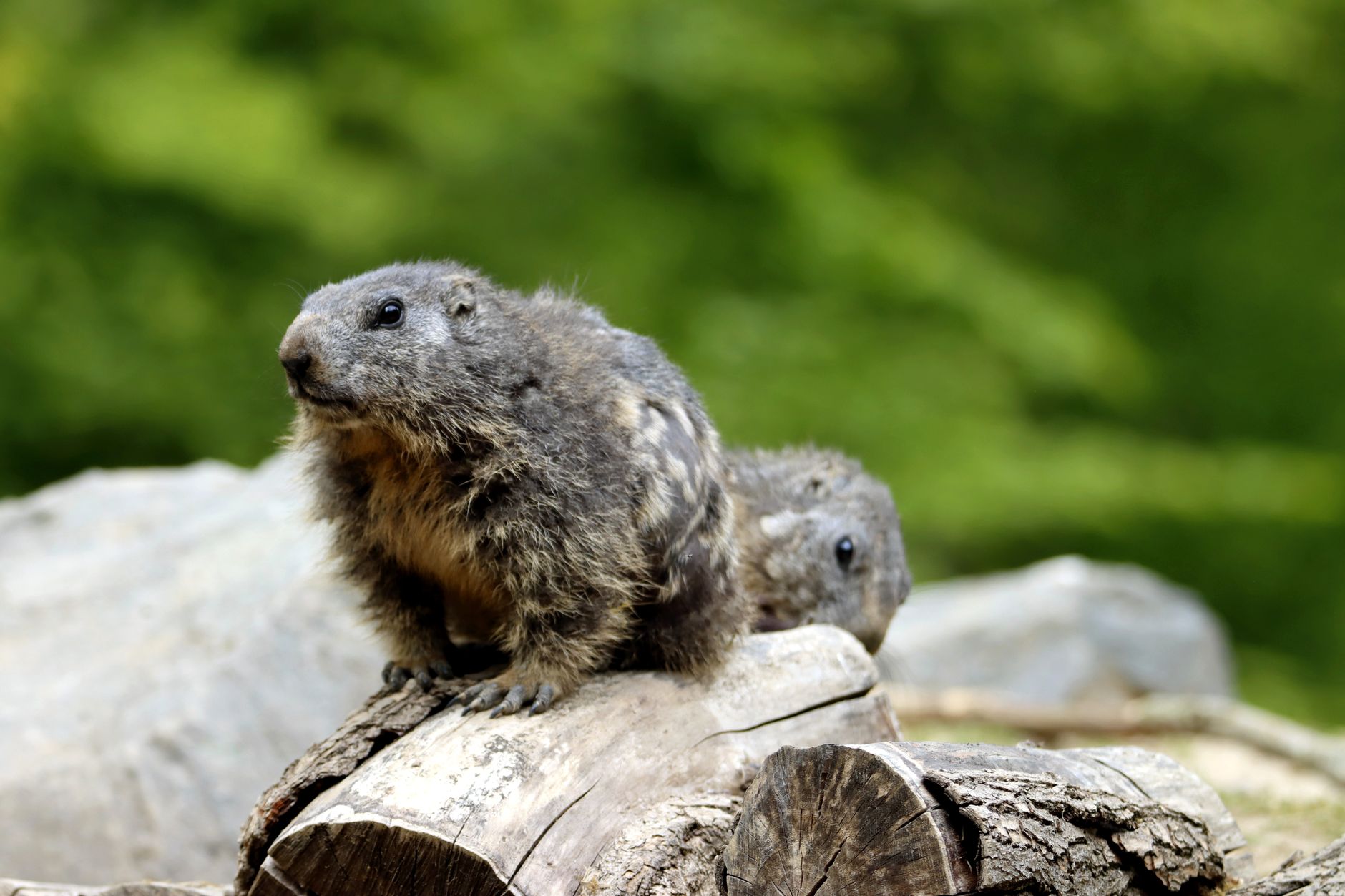
Understanding the Groundhog Dilemma
Groundhogs, also known as woodchucks, are fascinating creatures but can become serious pests in gardens and around homes. Their burrowing habits can undermine foundations, damage lawns, and decimate vegetable gardens. Therefore, safely and humanely trapping and relocating them is often the preferred method of control. While various baits can be used, fruit often proves to be the most effective and enticing, especially cantaloupe.

What colours are fish most attracted to?
Can you put your finger in a trout's mouth?
Is methylene blue anti bacterial?
Does aquarium salt raise pH in aquarium?
The Allure of Fruit for Groundhogs

Groundhogs are opportunistic feeders with a penchant for sweet and easily accessible food sources. Fruits, with their natural sugars and strong aromas, act as powerful attractants. Choosing the right fruit significantly increases the chances of successfully luring a groundhog into a trap. Unlike some vegetables, fruits provide both a visual and olfactory signal that draws the groundhog’s attention.
Why Cantaloupe is the Champion
While groundhogs will nibble on various fruits, cantaloupe consistently proves to be the most reliable and effective bait. Here’s why:
- Strong Aroma: Cantaloupe possesses a powerful, sweet aroma that travels well, attracting groundhogs from a distance.
- Sweet Taste: The sugary flesh of cantaloupe is highly palatable to groundhogs, encouraging them to investigate further.
- Texture: Unlike softer fruits that might be easily carried away, cantaloupe’s firmer texture requires the groundhog to stay put and gnaw, increasing the likelihood of triggering the trap.
- Availability: Cantaloupe is widely available during the groundhog’s active season (spring and summer).
Other Fruit Options
While cantaloupe reigns supreme, other fruits can also be effective in catching groundhogs, though typically less so. These include:
- Apples: A classic choice, especially sweeter varieties.
- Peaches: The sweet, juicy flesh is appealing.
- Berries: Strawberries, blueberries, and raspberries can work, but they are often more attractive to birds and other small animals.
Preparing the Bait
Proper bait preparation is crucial for maximizing its effectiveness.
- Cut into Chunks: Cut the cantaloupe (or other fruit) into manageable chunks, approximately 2-3 inches in size.
- Place Strategically: Position the bait near the back of the trap, ensuring the groundhog has to fully enter the trap to reach it.
- Avoid Covering the Trigger: Be careful not to obstruct the trap’s trigger mechanism with the bait.
Trap Placement Matters
The success of your trapping efforts depends heavily on where you place the trap.
- Near Burrow Entrances: This is the most logical and effective location.
- Along Travel Routes: Observe where the groundhog typically travels within your garden.
- Shady Areas: Groundhogs often prefer to forage in cooler, shaded spots.
Tips for Success
- Scent Masking: Wear gloves when handling the trap and bait to minimize human scent.
- Pre-Baiting: Place bait outside the trap for a few days to encourage the groundhog to become accustomed to it.
- Check Regularly: Check the trap at least twice a day to ensure a quick and humane relocation.
- Relocation: Relocate the groundhog to a suitable habitat at least 5 miles away from your property.
- Persistence: If you don’t catch the groundhog immediately, don’t give up. Try different bait placements and continue to monitor the trap.
Ethical Considerations
Trapping and relocating groundhogs should always be done humanely. Ensure the trap is appropriately sized, and never leave a trapped animal unattended for extended periods. Consider contacting your local animal control or wildlife rehabilitation center for guidance.
Frequently Asked Questions
Why is cantaloupe considered the best fruit to catch a groundhog?
Cantaloupe’s strong aroma, sweet taste, and firm texture make it highly attractive to groundhogs and difficult for them to simply carry away, increasing the chances of them triggering the trap. Its wider availability during groundhog active season also contributes to its effectiveness.
Are there any fruits that I should avoid using as bait for groundhogs?
Avoid using fruits that are likely to attract other animals, such as grapes (which are popular with birds) or overly ripe fruits that might attract insects. Also, be cautious with citrus fruits, as their acidity might deter some groundhogs.
How much cantaloupe should I use in a trap?
A few chunks of cantaloupe, approximately 2-3 inches in size, are usually sufficient. Avoid overloading the trap, as this might make it difficult for the groundhog to move around and trigger the mechanism.
What other baits besides fruit can be used to catch groundhogs?
While fruit is generally effective, other baits include peanut butter (mixed with oats or bread), lettuce, and corn on the cob. Varying the bait can sometimes be helpful if the groundhog is hesitant to enter the trap.
How long should I leave a trap set for a groundhog?
Check the trap at least twice a day, ideally morning and evening. Never leave a trapped animal exposed to extreme weather conditions for extended periods. If you haven’t caught a groundhog after a week or two, try relocating the trap or changing the bait.
Where is the best location to place a groundhog trap?
The best location is near a known burrow entrance or along a frequently used travel route. Look for signs of groundhog activity, such as fresh diggings or droppings, to identify prime locations. Shady spots are often preferred.
Can I use a live trap to catch a groundhog without harming it?
Yes, live traps are the recommended method for humanely catching groundhogs. Ensure the trap is appropriately sized and in good working condition. Check the trap regularly to minimize stress on the animal.
What should I do after I catch a groundhog in a trap?
Relocate the groundhog to a suitable habitat at least 5 miles away from your property. Choose a location with plenty of vegetation and water sources. Contact your local animal control or wildlife rehabilitation center for advice if needed.
Is it legal to trap and relocate groundhogs in my area?
Check with your local wildlife authorities to ensure that trapping and relocation are permitted in your area and that you are following all applicable regulations. Some areas may require a permit.
What can I do to prevent groundhogs from returning to my property after relocation?
Seal up any existing burrows with rocks, soil, and wire mesh. Install fencing around your garden and other vulnerable areas. Consider planting groundhog-resistant plants.
How do I clean a groundhog trap after catching an animal?
Thoroughly clean the trap with soap and water to remove any scent or residue. Wear gloves during the cleaning process. This will help prevent the spread of disease and ensure that future captures are not deterred by lingering odors.
Does the type of trap affect the likelihood of catching a groundhog?
Yes, using a trap specifically designed for groundhogs is important. The trap should be large enough to comfortably accommodate the animal and should have a reliable trigger mechanism. Wire mesh traps are generally preferred over solid-sided traps, as they allow for better airflow.