

Are Cabezon Fish Poisonous? A Comprehensive Guide
While the flesh of Cabezon fish is edible, certain organs, particularly the liver and ovaries, can be toxic, especially during spawning season, posing a potential health risk if consumed. Understanding these risks is crucial before considering Cabezon as a meal.

Introduction to the Cabezon: A Pacific Coast Delicacy (with a Caveat)
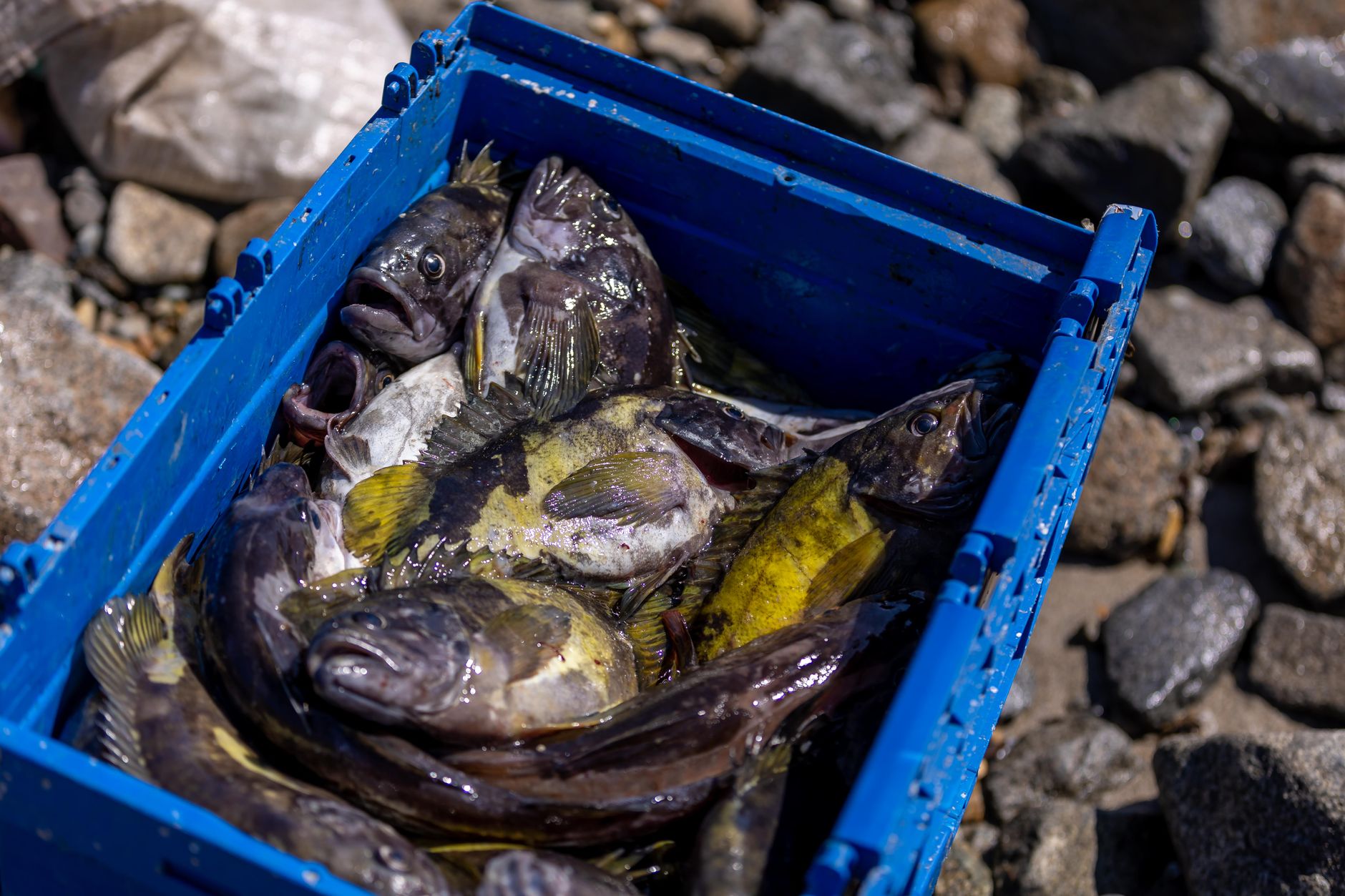
The Cabezon (Scorpaenichthys marmoratus) is a fascinating and, for some, a highly prized sport fish found along the Pacific Coast of North America, from Alaska to Baja California. Its mottled coloration, large head, and distinctive cirri (small fleshy tabs) above its eyes make it easily recognizable. While esteemed for its firm, flavorful flesh, a crucial understanding is needed: Are cabezon fish poisonous? This article will explore the potential dangers associated with consuming certain parts of this fish and provide essential safety information.
Are fish heads good for the garden?
Can fish hear water?
What is cotton rot in fish?
What colours are fish most attracted to?
The Source of the Toxicity: Cyclopteroside Toxins

The concern about Are cabezon fish poisonous? centers on the presence of cyclopteroside toxins. These compounds, found primarily in the liver and ovaries of the Cabezon, are toxic to humans. The concentration of these toxins varies depending on the season, with the highest levels typically observed during spawning.
Why are Cyclopterosides a Concern?
Ingestion of cyclopterosides can lead to a range of symptoms, including:
- Nausea
- Vomiting
- Diarrhea
- Abdominal cramps
- Respiratory distress (in severe cases)
The severity of the symptoms depends on the amount of toxin ingested and the individual’s sensitivity. Children and individuals with pre-existing health conditions may be more susceptible to the effects of cyclopteroside poisoning.
Identifying and Avoiding Toxic Parts
The most important step in preventing cyclopteroside poisoning is to avoid consuming the liver and ovaries of the Cabezon. These organs are easily identifiable during cleaning. When filleting the fish, take extra care to remove any remaining traces of these organs to avoid contamination of the edible flesh. Thorough cooking does not neutralize the toxins; removal is the only safe approach.
Seasonal Variations in Toxicity
As mentioned earlier, the toxicity of the Cabezon’s liver and ovaries varies with the season. During the spawning season (typically late winter and spring), the concentration of cyclopterosides is at its highest. Therefore, it is particularly important to avoid consuming these organs during this time. While the flesh is generally considered safe year-round, exercising caution is always advisable.
Safe Consumption Practices: Best Practices
To minimize the risk of cyclopteroside poisoning, consider these safe consumption practices:
- Avoid eating the liver and ovaries entirely. This is the most crucial step.
- Handle the fish with care during cleaning. Use separate cutting boards and utensils to prevent cross-contamination.
- Wash your hands thoroughly after handling the fish, especially before preparing other food.
- Consider purchasing Cabezon from reputable fishmongers who are knowledgeable about safe handling and preparation practices.
- If you experience any symptoms after consuming Cabezon, seek medical attention immediately.
Cabezon: A Culinary Delight, Responsibly Enjoyed
Despite the potential risks, Cabezon remains a popular and flavorful fish for those who know how to prepare it safely. By understanding the potential dangers and following the recommended guidelines, you can enjoy this Pacific Coast delicacy with confidence. The key is knowledge and careful preparation. Now that you know the answer to Are cabezon fish poisonous, let’s explore other helpful information.
Frequently Asked Questions (FAQs)
Is the flesh of Cabezon fish safe to eat?
Yes, the flesh of Cabezon is generally considered safe to eat as long as the liver and ovaries have been carefully removed and no cross-contamination has occurred. Always practice good hygiene and safe food handling techniques when preparing any seafood.
Can cooking Cabezon fish neutralize the toxins?
No, cooking does not neutralize cyclopteroside toxins. Removing the liver and ovaries is the only effective way to prevent poisoning.
What are the symptoms of cyclopteroside poisoning?
Symptoms can include nausea, vomiting, diarrhea, abdominal cramps, and, in severe cases, respiratory distress. If you experience any of these symptoms after consuming Cabezon, seek medical attention immediately.
How can I identify the liver and ovaries of a Cabezon fish?
The liver is typically a dark reddish-brown organ located in the abdominal cavity. The ovaries are yellowish or orange and become more prominent during the spawning season.
Are all Cabezon fish poisonous?
The toxicity is limited to specific organs. The flesh itself is not inherently poisonous, provided it hasn’t been contaminated by the liver or ovaries.
What should I do if I accidentally eat the liver or ovaries of a Cabezon fish?
If you suspect you have consumed these organs, monitor yourself for any symptoms. If symptoms develop, seek medical attention promptly.
Are there any specific areas where Cabezon fish are more likely to be poisonous?
The level of toxicity can vary slightly depending on the location and the individual fish, but the primary concern remains the presence of cyclopterosides in the liver and ovaries, regardless of the fish’s origin.
Can pets eat Cabezon fish?
While it is best to avoid feeding your pet Cabezon due to the potential risks associated with the liver and ovaries. The safest thing to do is consult with a veterinarian regarding your pet’s dietary needs and potential risks.
Is it safe to make fish stock using the carcass of a Cabezon fish?
While some people make fish stock from carcasses, it’s recommended to avoid using Cabezon carcasses due to the risk of residual toxins from the liver and ovaries leaching into the stock.
Does freezing Cabezon fish reduce the toxicity?
No, freezing does not eliminate or reduce the cyclopteroside toxins. Removal of the liver and ovaries remains the only safe measure.
Are there any medical treatments for cyclopteroside poisoning?
Treatment for cyclopteroside poisoning is primarily supportive, focusing on managing symptoms such as nausea, vomiting, and dehydration. In severe cases, respiratory support may be necessary.
What is the best time of year to avoid eating Cabezon fish?
While the flesh is generally considered safe year-round with proper preparation, it is particularly important to avoid consuming the liver and ovaries during the spawning season (typically late winter and spring), when cyclopteroside levels are highest. When considering Are cabezon fish poisonous, it is best to err on the side of caution.