
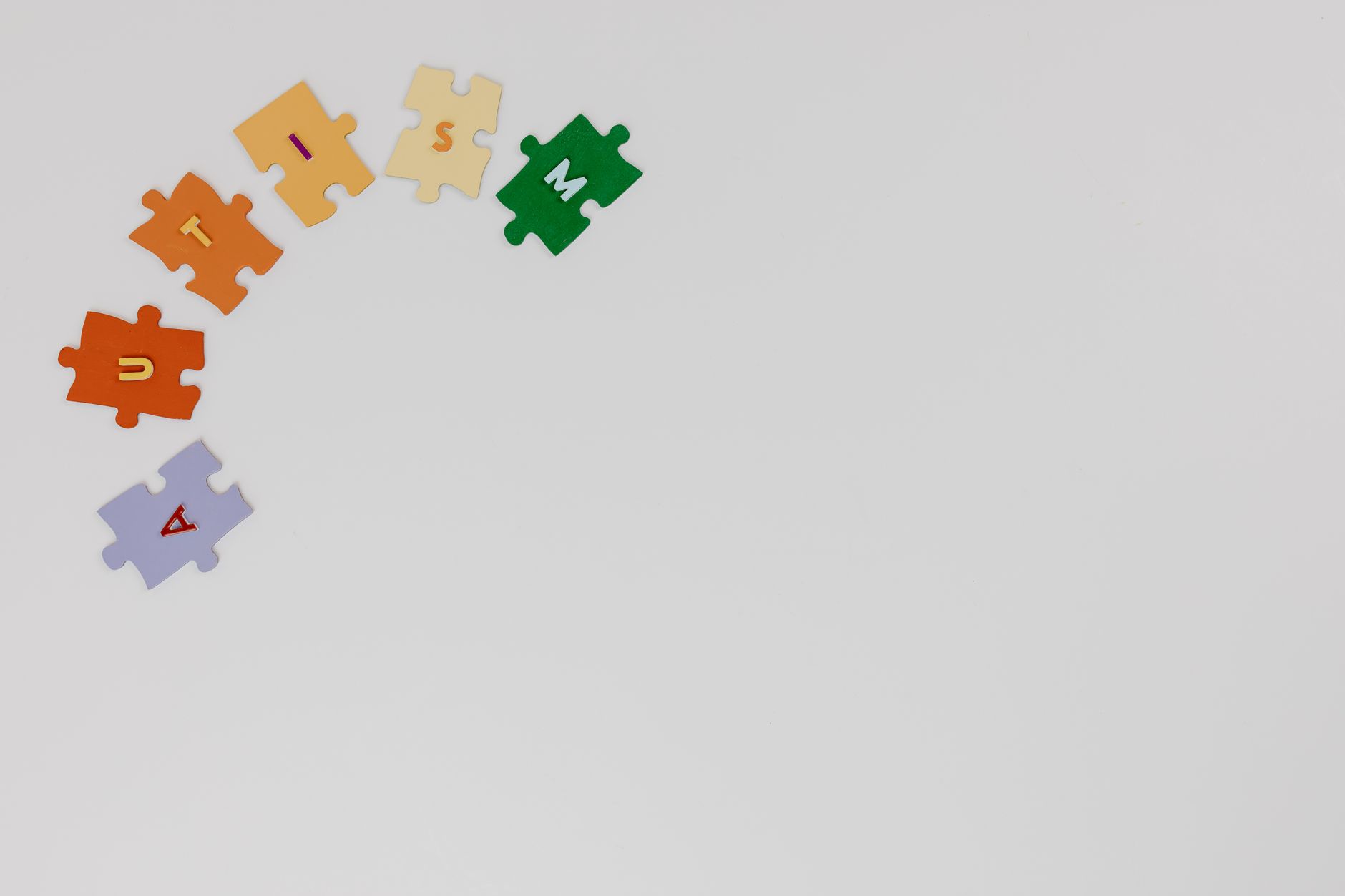
Decoding Autism: Understanding the Symbolism in 2023
The autism symbol for 2023 remains the puzzle ribbon, although variations and interpretations continue to evolve, reflecting the growing understanding and acceptance of neurodiversity within the autism community. The infinity symbol, often in rainbow colors or with puzzle piece textures, also gains increasing prominence as a symbol representing the spectrum nature of autism and its associated strengths.
A Brief History of Autism Symbolism
The story of symbols associated with autism is complex, reflecting the evolving understanding and acceptance of the condition itself. The initial symbols, while intended to raise awareness, have faced criticism from the autistic community for perpetuating negative stereotypes and focusing on deficits rather than strengths.
- Early symbols often implied that autism was a mystery to be solved, rather than a neurological difference to be understood and accepted.
- The shift towards more positive and inclusive symbols reflects the increasing autistic self-advocacy movement.
What colours are fish most attracted to?
Can you put your finger in a trout's mouth?
Is methylene blue anti bacterial?
Does aquarium salt raise pH in aquarium?
The Enduring Puzzle Piece: Controversy and Context

The puzzle piece has been the most recognizable symbol for autism for decades. However, its meaning is hotly debated.
- Origin: Originally representing the perceived “puzzling” nature of autism, it was also used to symbolize the idea that something was “missing” from autistic individuals.
- Criticism: Many autistic individuals find the puzzle piece offensive, associating it with the idea that they are incomplete or broken. They argue it promotes pity rather than acceptance.
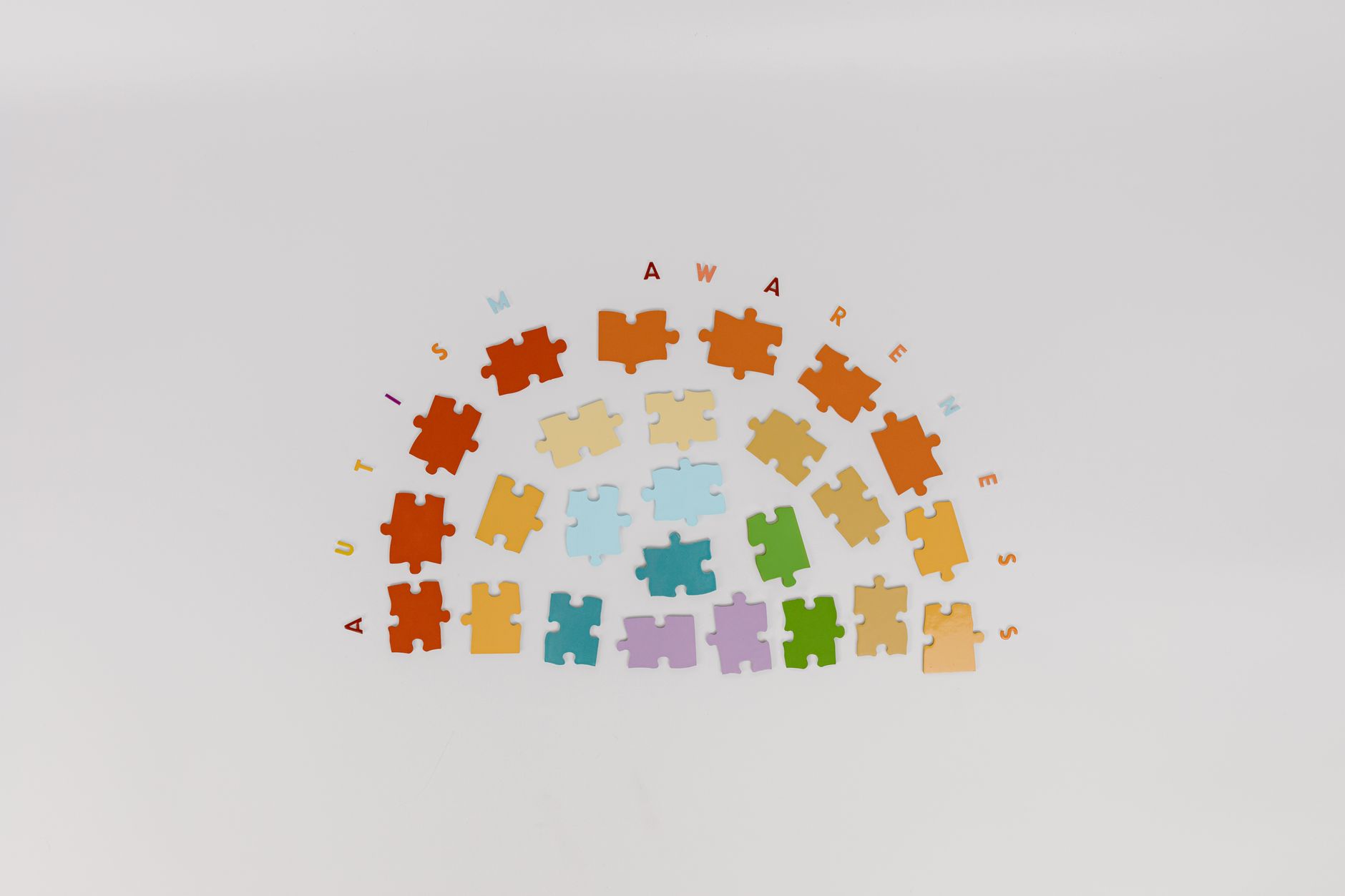
- Context: Some organizations and individuals continue to use the puzzle piece, often with modified designs (e.g., rainbow colors or interconnected pieces) to represent the complexity and diversity of the autistic spectrum.
- Variations: Over time, various organizations have altered their interpretation and design of the puzzle piece, attempting to mitigate the negative connotations. Some examples include interlocking pieces to signify connectedness and vibrant colors to represent hope.
The Rising Prominence of the Infinity Symbol
The infinity symbol is increasingly being adopted as a more positive and inclusive symbol for autism.
- Meaning: Represents the infinite variation within the autistic spectrum and the ongoing nature of autistic experiences.
- Acceptance: Widely embraced by the autistic community as a symbol of neurodiversity, emphasizing acceptance, understanding, and the value of different neurological profiles.
- Color Variations: Often depicted in rainbow colors to reflect the diversity of the autism spectrum or in gold to represent the gold standard of treatment and research. The color gold also symbolizes the “Au” element symbol for Gold on the periodic table and the first two letters in the word autism.
- Puzzle Piece Integration: Some designs creatively integrate the puzzle piece texture or imagery into the infinity symbol, attempting to bridge the gap between traditional and contemporary symbolism.
Decoding the Rainbow: Colors and Their Significance
Color plays a crucial role in the symbolism surrounding autism.
- Rainbow: The rainbow is often used to represent the spectrum nature of autism, acknowledging the wide range of experiences and abilities within the autistic community.
- Blue: Historically associated with Autism Speaks, blue is sometimes seen as problematic due to the organization’s past focus on deficit-based research and lack of autistic involvement.
- Gold: The color gold has recently emerged as a symbol of autism acceptance and understanding, representing the gold standard of research and treatment and the periodic element abbreviation for gold, Au, coinciding with the first two letters in the word autism.
Beyond Symbols: The Importance of Language
While visual symbols are important, the language used to describe autism is equally crucial.
- Person-First Language: Emphasizes the individual before the condition (e.g., “a person with autism”).
- Identity-First Language: Acknowledges autism as an integral part of a person’s identity (e.g., “an autistic person”). Many autistic individuals prefer identity-first language.
- Respectful Communication: Listening to and respecting the preferences of autistic individuals is paramount.
Choosing the Right Symbol: Considerations for Allies
As an ally, understanding the nuances of autism symbolism is vital.
- Research: Familiarize yourself with the ongoing discussions and debates within the autistic community.
- Listen: Pay attention to the preferences of autistic individuals and organizations.
- Inclusivity: Choose symbols and language that promote acceptance, understanding, and respect.
- Awareness: Recognize that the “best” symbol may vary depending on the context and the audience.
Frequently Asked Questions (FAQs)
What is the origin of the puzzle piece as an autism symbol?
The puzzle piece symbol was first introduced by the National Autistic Society in 1963. It was intended to represent the complexity of autism and the idea that individuals with autism were “missing” something. However, this interpretation has been widely criticized by the autistic community.
Why is the puzzle piece controversial within the autistic community?
Many autistic individuals find the puzzle piece offensive because it implies that they are incomplete or broken. They feel it perpetuates negative stereotypes and promotes pity rather than acceptance and understanding. They argue that it focuses on deficits instead of strengths.
What is the significance of the infinity symbol as an autism symbol?
The infinity symbol represents the infinite variation within the autistic spectrum. It emphasizes the continuous and ongoing nature of autistic experiences and promotes the idea of neurodiversity – the understanding and acceptance of neurological differences as natural variations of the human brain.
Why is the rainbow color often used in autism symbols?
The rainbow is used to represent the spectrum nature of autism, acknowledging the wide range of abilities, challenges, and experiences within the autistic community. It signifies the diversity of autistic individuals.
Is there a universally accepted autism symbol?
No, there is no universally accepted autism symbol. While the puzzle piece remains widely recognized, it is increasingly being replaced by the infinity symbol in many communities and organizations. Ultimately, the choice of symbol is a matter of individual preference and community consensus.
Should I use person-first or identity-first language when referring to autistic individuals?
The choice between person-first language (e.g., “a person with autism”) and identity-first language (e.g., “an autistic person”) is a matter of personal preference. Many autistic individuals prefer identity-first language, as it acknowledges autism as an integral part of their identity. It is always best to respect individual preferences when known.
What is neurodiversity, and how does it relate to autism symbols?
Neurodiversity refers to the idea that neurological differences, such as autism, ADHD, and dyslexia, are natural variations of the human brain, rather than deficits or disorders. The infinity symbol is often associated with the neurodiversity movement, as it represents acceptance and understanding of these differences.
Why do some organizations still use the puzzle piece?
Some organizations continue to use the puzzle piece because it is a well-established and recognizable symbol that helps them raise awareness and funding. They may also believe that it effectively communicates the complexity of autism to the general public. However, they may also be unaware or insensitive to the criticisms from the autistic community.
What are some alternative symbols for autism that are gaining popularity?
Besides the infinity symbol, other alternative symbols include geometric shapes such as the Mobius strip, or symbols that represents autistic traits like sensory sensitivity such as ear muffs or tinted glasses. These alternative symbols are generally intended to convey respect and inclusivity.
How can I be a better ally to the autistic community when it comes to symbolism?
To be a better ally, educate yourself about the different autism symbols and their meanings, listen to the perspectives of autistic individuals, and respect their preferences when it comes to language and symbolism. Support organizations that are inclusive and autistic-led.
What role do autistic self-advocates play in shaping autism symbolism?
Autistic self-advocates are playing an increasingly important role in shaping autism symbolism. Through their activism and advocacy, they are raising awareness about the harmful effects of negative stereotypes and promoting more positive and inclusive symbols, such as the infinity symbol.
Where can I find more information and resources about autism symbolism?
You can find more information and resources from autistic-led organizations, such as the Autistic Self Advocacy Network (ASAN) and the Autism Women’s Network (AWN). You can also consult academic research and reputable news sources to stay informed about the latest developments in the field of autism studies.