
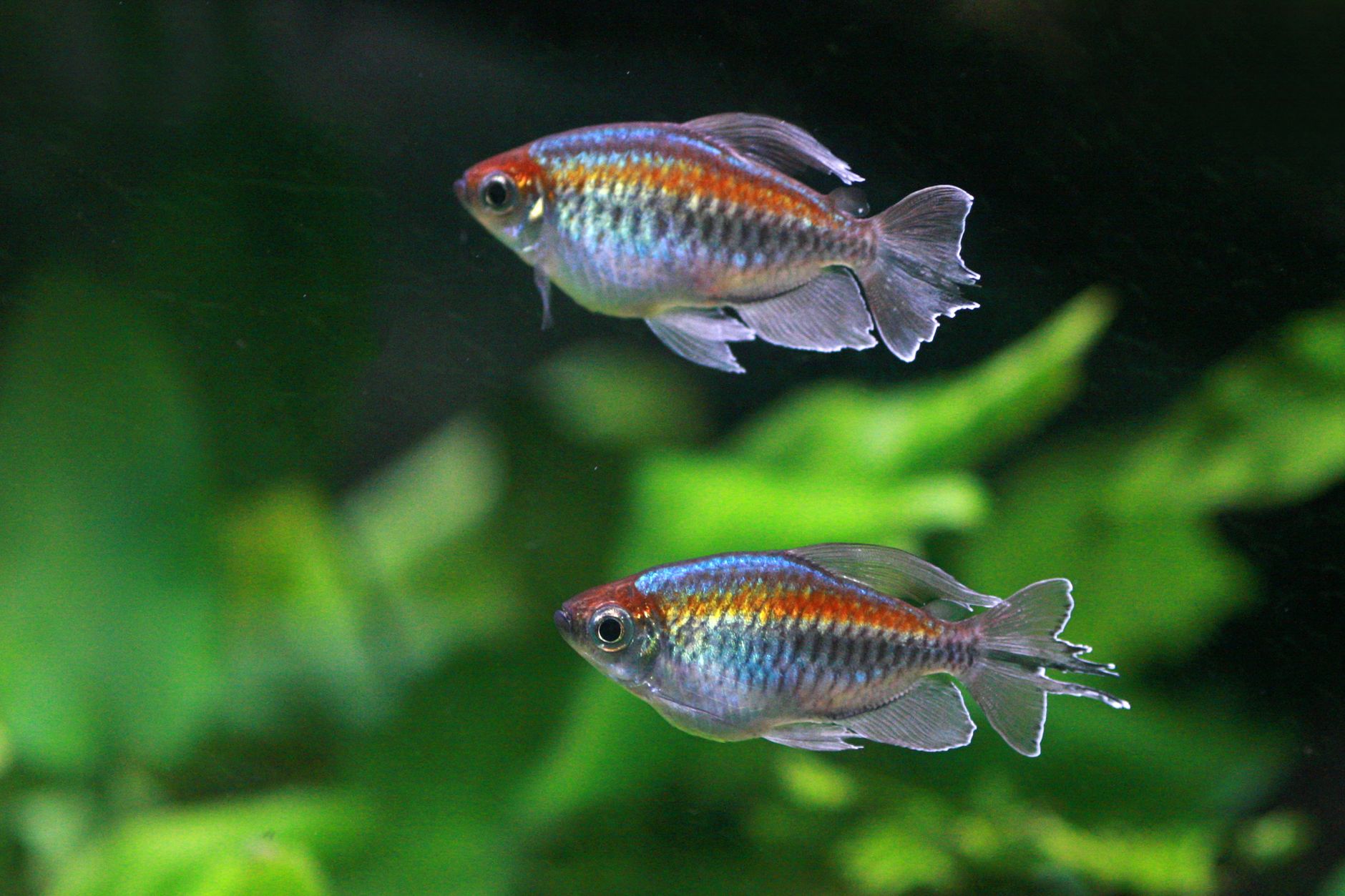
How to Treat a Sick Neon Tetra: Restoring Health to Your Sparkling School
How do you treat a sick neon tetra? Prompt identification of the disease, combined with isolation and appropriate medication, is critical to treating a sick neon tetra and maximizing their chances of recovery.
Understanding Neon Tetra Health and Illness
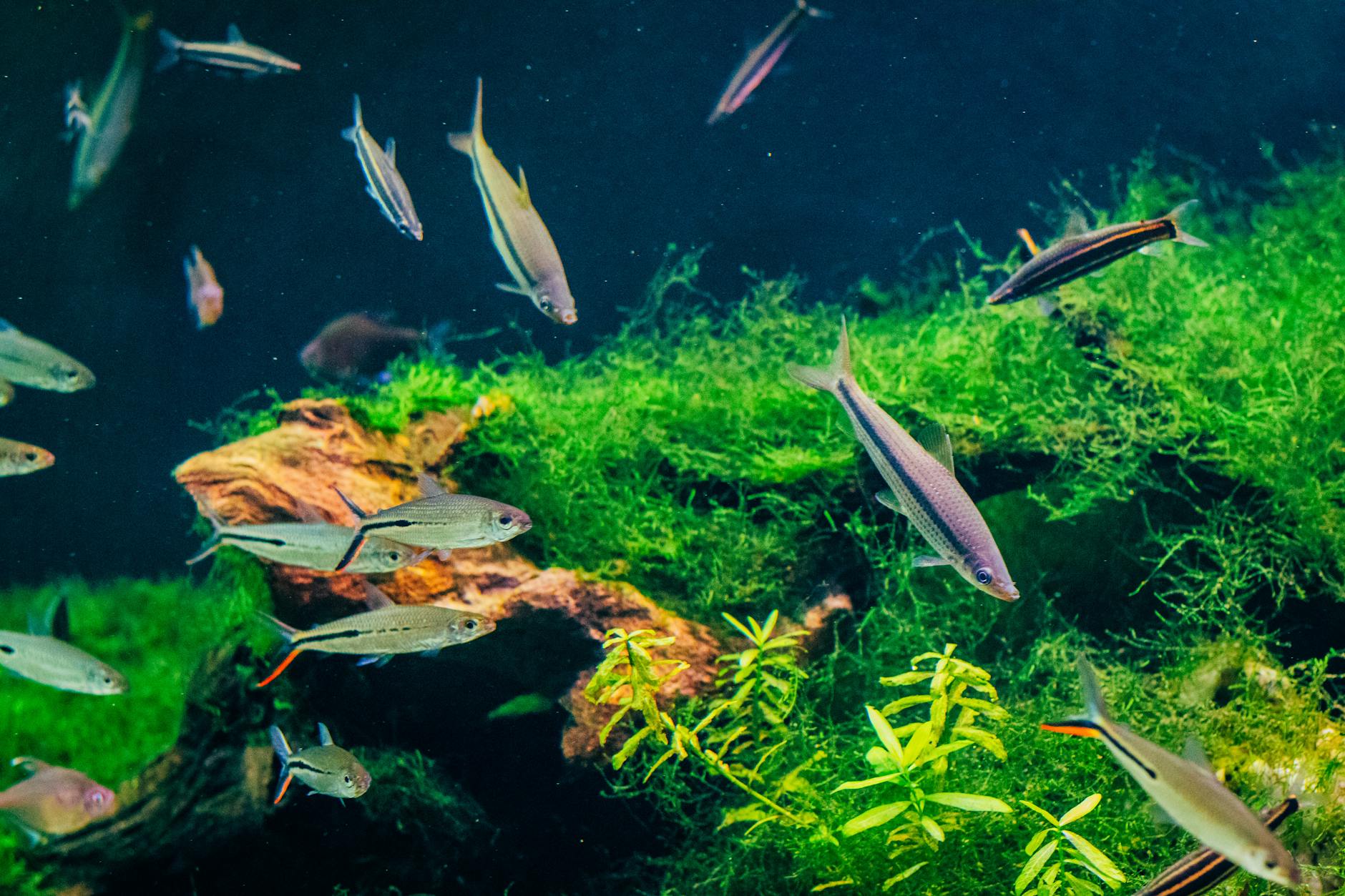
Neon tetras (Paracheirodon innesi) are popular freshwater aquarium fish, prized for their vibrant colors and peaceful nature. However, their delicate constitution makes them susceptible to various diseases. Understanding the signs of illness and appropriate treatment methods is essential for responsible fishkeeping. Preventing disease is always preferable to treating it.
Identifying a Sick Neon Tetra

Early detection of illness is crucial for successful treatment. Look out for these signs in your neon tetras:
- Loss of color: A fading or disappearing neon stripe is a common indicator of disease, especially Neon Tetra Disease (NTD).
- Erratic swimming: Swimming in circles, flashing (rubbing against objects), or struggling to maintain position in the water column.
- Clamped fins: Fins held close to the body.
- Swollen abdomen: This could indicate dropsy or internal parasites.
- Visible lesions or growths: White spots (ich), fuzzy patches (fungus), or ulcers.
- Loss of appetite: Refusal to eat or decreased interest in food.
- Isolation from the school: A normally social neon tetra separating itself from the group.
- Spinal deformities: A bent or crooked spine can indicate Neon Tetra Disease or other underlying issues.
Isolating the Sick Fish: The Quarantine Tank
The first step in how do you treat a sick neon tetra is to isolate the affected fish to prevent the spread of disease.
- Set up a quarantine tank: A small, established aquarium (5-10 gallons) with a filter, heater, and air stone.
- Use water from the main tank: This helps minimize stress for the sick fish.
- Maintain stable water parameters: Ensure the temperature, pH, and ammonia/nitrite/nitrate levels are within the appropriate range for neon tetras.
- Observe closely: Monitor the fish’s behavior and symptoms in the quarantine tank.
- Medicate as needed: Administer appropriate medications based on the diagnosed illness (more on this below).
Common Neon Tetra Diseases and Their Treatments
Identifying the specific disease is essential for effective treatment. Here are some common ailments that affect neon tetras:
| Disease | Symptoms | Treatment |
|---|---|---|
| Neon Tetra Disease (NTD) | Loss of color, spinal deformities, muscle necrosis, restlessness, difficulty swimming | No effective cure. Euthanasia is often recommended to prevent further suffering and spread. Maintain pristine water parameters and quarantine new fish to prevent NTD in the main tank. |
| Ich (White Spot Disease) | Small white spots on the body and fins, flashing, clamped fins | Increase water temperature gradually to 86°F (30°C) for 2-3 days while monitoring fish for distress or use commercially available ich medications containing malachite green or formalin. Follow manufacturer’s instructions. |
| Fin Rot | Ragged or frayed fins, redness at the base of the fins | Improve water quality through frequent water changes. Use antibiotics or antifungal medications formulated for fish. |
| Dropsy | Bloated abdomen, scales sticking out (pinecone appearance) | Dropsy is often a symptom of an underlying bacterial infection or organ failure. Treat with broad-spectrum antibiotics. Prognosis is poor. |
| Columnaris | Fuzzy white or grey patches, often around the mouth or fins; rapid progression | Treat with antibiotics specifically formulated for Columnaris. Good aeration is also crucial. |
Medication Dosages and Administration
- Follow manufacturer’s instructions carefully: Always adhere to the recommended dosage and treatment duration.
- Use a measuring device: Ensure accurate medication dosing.
- Consider water changes: Some medications require partial water changes before or after treatment.
- Remove activated carbon: Activated carbon in the filter can remove medications from the water.
- Monitor water parameters: Check ammonia, nitrite, and nitrate levels regularly, especially during medication.
- Be cautious with medications: Some medications can harm invertebrates or sensitive fish.
Preventing Neon Tetra Diseases
Prevention is always better than cure. Here are some key steps to prevent diseases in your neon tetras:
- Maintain excellent water quality: Perform regular water changes (25-50% weekly).
- Avoid overfeeding: Overfeeding can lead to poor water quality.
- Quarantine new fish: Isolate new fish for 4-6 weeks before introducing them to the main tank.
- Provide a balanced diet: Feed your neon tetras a high-quality flake food supplemented with live or frozen foods.
- Reduce stress: Avoid sudden changes in water parameters, overcrowding, and aggressive tank mates.
- Observe your fish regularly: Look for early signs of illness.
Common Mistakes to Avoid
- Overmedicating: Using too much medication can be harmful to fish.
- Using the wrong medication: It is vital to correctly identify the disease before administering any treatment.
- Neglecting water quality: Medications are less effective in poor water quality.
- Ignoring early symptoms: Delaying treatment can make the disease more difficult to cure.
- Returning fish to the main tank too soon: Wait until the fish shows no signs of illness for at least a week before returning it to the main tank.
Returning a Cured Neon Tetra to the Main Tank
After successful treatment and observation in quarantine, you can gradually reintroduce your neon tetra to the main tank.
- Acclimatize slowly: Float the bag containing the fish in the main tank for 15-30 minutes to equalize temperature. Then, slowly add small amounts of tank water to the bag over an hour to acclimate the fish to the water chemistry.
- Observe for signs of stress: Monitor the fish closely for any signs of stress or illness.
- Consider re-quarantining: If any issues arise, re-quarantine the fish immediately.
Frequently Asked Questions (FAQs)
Can Neon Tetra Disease be cured?
Unfortunately, there is no known cure for Neon Tetra Disease (NTD). The disease is caused by a spore-forming parasite and is often fatal. Preventing the spread of NTD through quarantine and maintaining excellent water quality is the best approach.
Is it possible to treat Ich without increasing the water temperature?
Yes, it is possible to treat Ich without raising the water temperature. Commercial ich medications containing malachite green or formalin can be used effectively. Follow the manufacturer’s instructions carefully.
What are the ideal water parameters for treating a sick neon tetra?
When treating a sick neon tetra, it’s essential to maintain stable and optimal water parameters. These typically include a temperature of 72-78°F (22-26°C), a pH of 6.0-7.0, and ammonia and nitrite levels at 0 ppm, with nitrate levels below 20 ppm.
How often should I perform water changes when treating a sick neon tetra?
Water changes are crucial during treatment. Depending on the medication and severity of the illness, perform 25-50% water changes every 1-3 days. Monitor water parameters closely and adjust frequency as needed.
What medications are safe to use with live plants?
Not all medications are safe for live plants. Copper-based medications, for example, can be toxic. Carefully research medications before use, and consider removing delicate plants during treatment or using plant-safe alternatives.
Can I use aquarium salt to treat neon tetra diseases?
Aquarium salt can be helpful for some conditions, like minor fin rot or mild parasitic infections. However, neon tetras are sensitive to salt, so use it sparingly and monitor your fish closely. A concentration of 1 teaspoon per 5 gallons of water is generally considered safe, but proceed with caution.
How long should I quarantine a sick neon tetra?
The quarantine period should last at least 4-6 weeks. Observe the fish closely for any signs of illness during this time. Only return the fish to the main tank after it has been symptom-free for at least one week.
What do I do if the sick neon tetra doesn’t improve with treatment?
If the neon tetra doesn’t improve despite treatment, consider whether the initial diagnosis was correct. Re-evaluate the symptoms and explore alternative diagnoses. If no improvement is seen and the fish is suffering, euthanasia may be the most humane option.
How do I euthanize a sick neon tetra humanely?
The most humane methods of euthanasia include clove oil and an overdose of MS-222 (tricaine methanesulfonate). Clove oil gradually sedates the fish before causing death, while MS-222 is a powerful anesthetic. Research proper dosages and procedures beforehand.
Can stress worsen the condition of a sick neon tetra?
Yes, stress can significantly worsen the condition of a sick neon tetra. Minimize stress by maintaining stable water parameters, avoiding sudden changes, providing hiding places, and ensuring peaceful tank mates.
How do you treat a sick neon tetra exhibiting signs of dropsy?
Treating dropsy in neon tetras can be challenging. Because dropsy is a symptom of an internal infection or organ failure, antibiotics may be used but the success rate is often low. Focus on maintaining pristine water quality and providing a stress-free environment. The prognosis is generally poor, and euthanasia might be the kindest option.
What should I feed a sick neon tetra?
Offer small, frequent meals of high-quality, easily digestible food. Live or frozen foods like daphnia or brine shrimp can stimulate appetite and provide essential nutrients. Avoid overfeeding and remove any uneaten food promptly to prevent water quality issues.