
Symbiotic Relationships in Commensalism: A Deep Dive
What is a symbiotic relationship for commensalism? It’s a type of close and long-term ecological interaction where one organism benefits (commensal) and the other organism is neither harmed nor benefits significantly (host), a crucial distinction within the broader field of symbiotic relationships.

Understanding Symbiotic Relationships: The Foundation of Commensalism
Symbiosis, derived from the Greek word meaning “living together,” encompasses a wide spectrum of interactions between different species. These interactions can range from mutually beneficial (mutualism) to harmful (parasitism). Commensalism occupies a unique niche within this spectrum, representing a one-sided benefit without inflicting a cost on the other party. Understanding the broader context of symbiotic relationships is essential for grasping the nuances of commensalism.

What colours are fish most attracted to?
Can you put your finger in a trout's mouth?
Is methylene blue anti bacterial?
Does aquarium salt raise pH in aquarium?
Commensalism Defined: Benefit Without Burden

At its core, commensalism describes an interaction where one species (the commensal) derives a benefit from another species (the host) without causing harm or significant benefit to the host. This benefit can manifest in various forms, including access to food, shelter, transportation, or support. The host remains largely unaffected, neither gaining nor losing from the association. The key is neutrality on the host’s part.
Differentiating Commensalism from Other Symbiotic Relationships
Distinguishing commensalism from other symbiotic relationships like mutualism and parasitism is critical.
- Mutualism: Both species involved benefit from the interaction (e.g., bees pollinating flowers).
- Parasitism: One species (the parasite) benefits at the expense of the other (the host) (e.g., ticks feeding on mammals).
- Commensalism: One species benefits, while the other remains unaffected (e.g., barnacles attaching to whales).
This table illustrates the key differences:
| Relationship Type | Species A Effect | Species B Effect | Example |
|---|---|---|---|
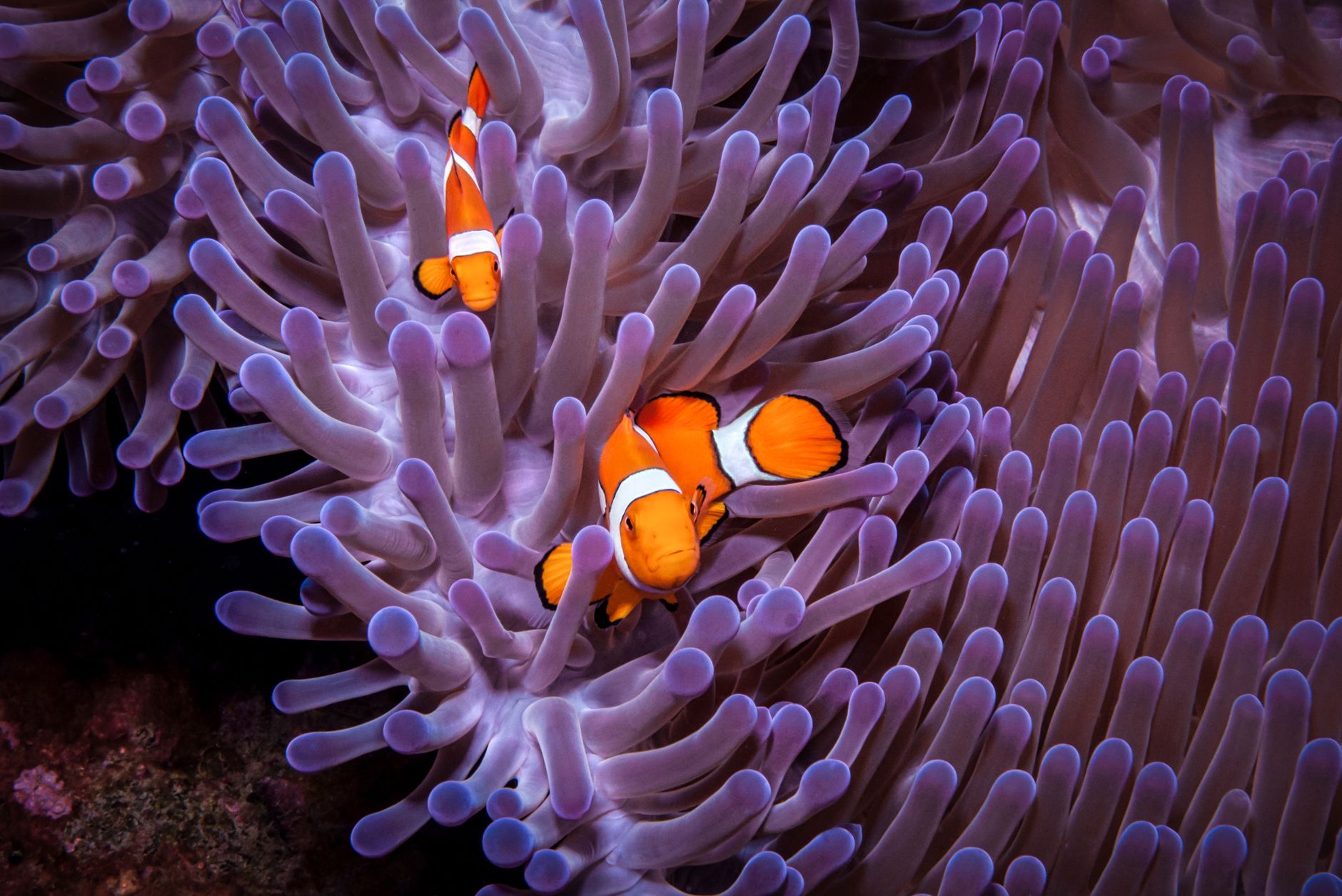
| Mutualism | Benefit | Benefit | Clownfish and sea anemones |
| Parasitism | Benefit | Harm | Tapeworms in a human intestine |
| Commensalism | Benefit | No Effect | Cattle egrets following grazing livestock |
Examples of Commensalism in the Natural World
Commensalism is prevalent in many ecosystems. Some notable examples include:
- Barnacles on Whales: Barnacles attach to whales, gaining a mode of transportation and access to nutrient-rich waters. The whale is generally unaffected.
- Cattle Egrets and Livestock: Cattle egrets follow grazing livestock, feeding on insects disturbed by the animals’ movement. The livestock are neither harmed nor helped.
- Remoras and Sharks: Remoras attach themselves to sharks using a suction cup, feeding on scraps of food dropped by the shark. The shark is largely unaffected.
- Epiphytes and Trees: Epiphytes, such as orchids, grow on trees, gaining access to sunlight and support. The tree is usually not harmed.
The Role of Commensalism in Ecosystem Dynamics
Commensal relationships contribute to biodiversity and ecosystem complexity. They can influence resource distribution, species interactions, and overall ecosystem stability. While the effect on the host species may be negligible, commensal relationships can play a significant role in the life history and distribution of the commensal species. Understanding what is a symbiotic relationship for commensalism? is fundamental to comprehending its role in maintaining ecological balance.
Challenges in Identifying Commensalism
Accurately classifying an interaction as commensal can be challenging. What initially appears to be a neutral effect on the host might, upon closer examination, reveal a subtle benefit or harm. Long-term studies are often required to fully understand the complex dynamics of these relationships.
The Evolving Nature of Symbiotic Relationships
Symbiotic relationships are not static. They can evolve over time, shifting from commensalism to mutualism or parasitism depending on environmental conditions and the evolutionary trajectories of the species involved. This highlights the dynamic nature of ecological interactions and the importance of considering long-term perspectives when studying them.
Frequently Asked Questions (FAQs)
What are some real-world examples of commensalism?
Numerous examples exist, showcasing diverse benefits for the commensal. These include birds nesting in trees, where the birds gain shelter without harming the tree; clownfish living among sea anemones, gaining protection while the anemone is neither helped nor harmed (sometimes classified as mutualism); and burdock seeds attaching to animal fur, facilitating seed dispersal without affecting the animal.
How does commensalism differ from mutualism?
The key difference lies in the benefits received by each species. In mutualism, both species benefit from the interaction. In commensalism, only one species benefits, while the other remains unaffected. This distinction is crucial for understanding the different types of symbiotic relationships.
Can a commensal relationship become parasitic over time?
Yes, it’s possible. If the commensal’s activities start to negatively impact the host, the relationship can transition to parasitism. For instance, if an epiphyte growing on a tree becomes too heavy and damages the tree, the relationship shifts from commensal to parasitic.
What is the significance of commensalism in ecosystems?
Commensalism contributes to biodiversity by allowing more species to thrive in a given environment. It also influences resource distribution and species interactions, ultimately contributing to the overall stability and complexity of ecosystems.
What are the benefits that commensals gain from their hosts?
Commensals can gain various benefits from their hosts, including:
- Food: Scraps, waste products, or shared resources.
- Shelter: Protection from predators or harsh weather.
- Transportation: Movement to new locations.
- Support: Physical structure or attachment points.
How can we identify a true commensal relationship?
Identifying a true commensal relationship requires careful observation and long-term study to ensure that the host is genuinely unaffected. It’s essential to rule out any subtle benefits or harms that the host might experience.
Is commensalism a common type of symbiotic relationship?
Yes, commensalism is a relatively common type of symbiotic relationship, observed in various ecosystems around the world, from marine environments to terrestrial habitats. The diversity of commensal interactions highlights its significance in ecological dynamics.
What are some examples of commensalism in the marine environment?
The marine environment offers numerous examples, including pilot fish following sharks, gaining protection and access to food scraps; pearlfish living inside sea cucumbers, gaining shelter; and barnacles attaching to whales, as mentioned earlier.
How does commensalism affect the host’s fitness?
Ideally, commensalism should not affect the host’s fitness, either positively or negatively. However, it’s important to remember that subtle effects might exist, even if they are difficult to detect. If the host’s fitness is significantly impacted, the relationship is likely not true commensalism.
Can commensalism evolve into mutualism?
Yes, under certain circumstances, a commensal relationship can evolve into mutualism. If the host starts to derive a benefit from the presence of the commensal, the relationship transitions to a mutually beneficial one. For instance, if the epiphyte on a tree provides shade that protects the tree from excessive sunlight, the relationship shifts towards mutualism.
What is the difference between phoresy and commensalism?
Phoresy is a specific type of commensalism where one organism uses another organism for transportation only. The transported organism (the phoretic) does not directly benefit from the host (the carrier) other than being moved to a new location. All phoresy relationships are a subset of commensalism.
Why is understanding commensalism important?
Understanding commensalism provides valuable insights into the complex interactions that shape ecosystems. It helps us appreciate the interconnectedness of species and the roles that different interactions play in maintaining ecological balance. By studying what is a symbiotic relationship for commensalism?, we gain a deeper understanding of the natural world.