

Are Mountain Lions Afraid of Llamas? The Surprising Truth
The question of whether mountain lions are afraid of llamas hinges on the specific context, but the short answer is: potentially, yes. Llamas can act as effective livestock guardians against mountain lions, but their effectiveness isn’t guaranteed in all situations.

Introduction: The Mountain Lion-Llama Dynamic
The age-old battle between predator and prey takes an unexpected turn when introducing the domesticated llama. Ranchers seeking to protect their livestock, particularly sheep and goats, have increasingly turned to llamas as a deterrent against mountain lions, also known as cougars or pumas. But how effective are these camelids at warding off such formidable predators? The answer is nuanced, dependent on several factors including the llama’s temperament, the mountain lion’s hunger and experience, and the specific terrain. Understanding the potential of llamas as guardians requires examining their natural behaviors and limitations.

What colours are fish most attracted to?
Can you put your finger in a trout's mouth?
Is methylene blue anti bacterial?
Does aquarium salt raise pH in aquarium?
Llama Behavior and Guardian Instincts
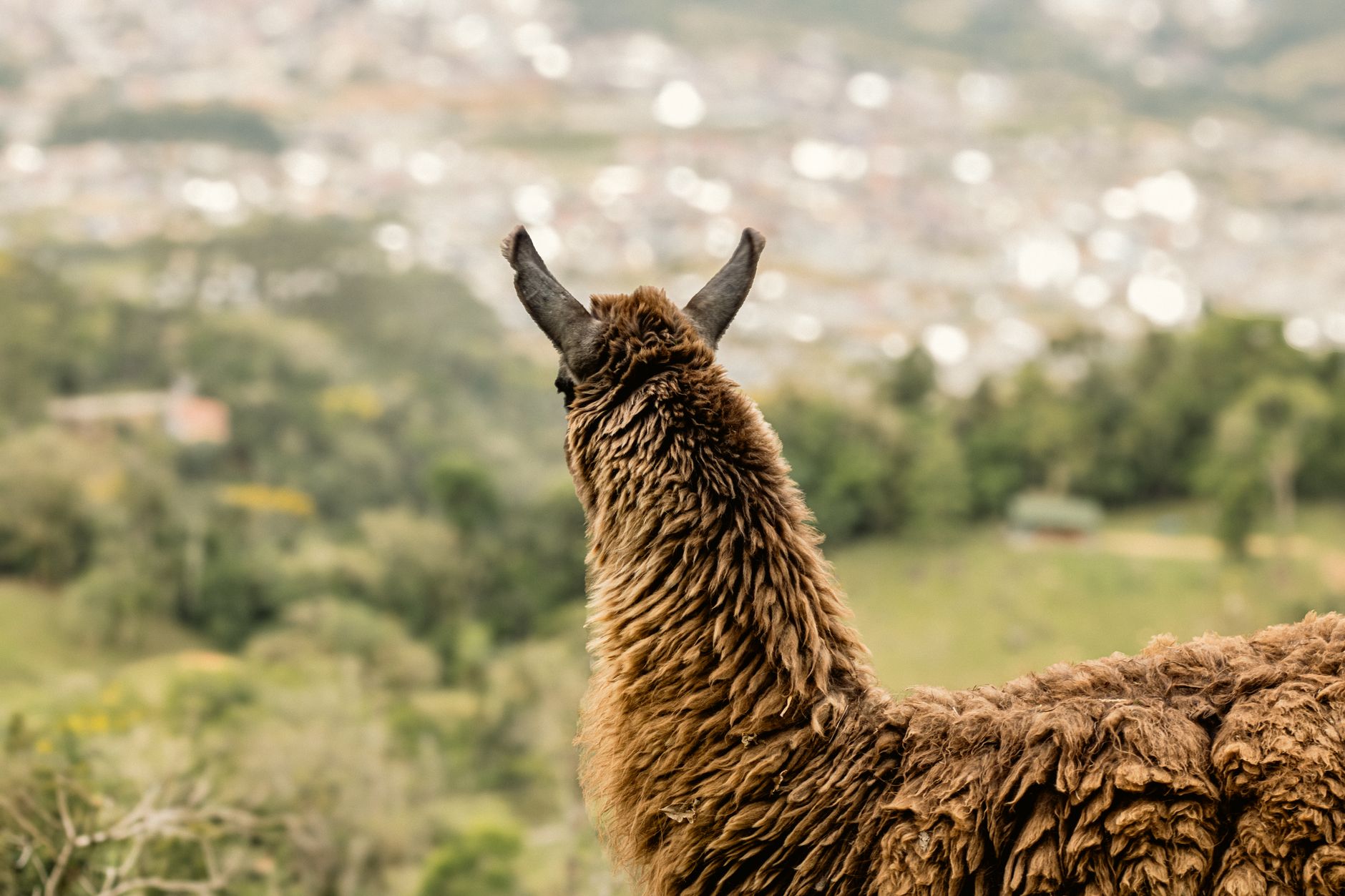
Llamas are naturally alert and protective animals. They possess several traits that make them suitable for guarding livestock:
- Vigilance: Llamas are constantly on the lookout for potential threats, scanning their surroundings with keen eyesight and hearing.
- Alarm Calls: When a llama senses danger, it will emit a loud, distinctive alarm call to warn the flock.
- Aggressive Behavior: While generally gentle, llamas can be aggressive when threatened. They will chase, kick, spit, and even stomp on potential predators.
- Territoriality: Llamas are territorial animals and will defend their space against intruders.
These inherent characteristics, combined with their size and strength, can make them a formidable opponent for a mountain lion, especially one that is inexperienced or unsure.
Mountain Lion Hunting Strategies
Mountain lions are apex predators that rely on stealth and ambush tactics to hunt their prey. They typically target smaller animals like deer, rabbits, and rodents. When preying on livestock, they often single out weaker or isolated individuals.
Mountain lions are intelligent animals that assess the risk before attacking. If a potential prey item is too difficult or dangerous to subdue, they will often choose an easier target. This is where llamas can be effective: they introduce an element of risk and unpredictability that can deter a mountain lion from attacking. The question of are mountain lions afraid of llamas isn’t about pure fear, but rather a calculation of risk versus reward.
Factors Affecting Llama Effectiveness
The effectiveness of a llama as a livestock guardian is not guaranteed and depends on several key factors:
- Llama Temperament: Some llamas are naturally more protective than others. Selecting llamas with a strong guardian instinct is crucial.
- Llama Age and Experience: Older, more experienced llamas are often more effective guardians.
- Number of Llamas: In some cases, multiple llamas may be necessary to adequately protect a large flock or a particularly vulnerable area.
- Mountain Lion Experience: A mountain lion that has previously encountered a llama and been deterred may be less likely to attack again. However, a desperate or experienced mountain lion may still attempt an attack.
- Terrain and Environment: The terrain can affect a llama’s ability to effectively protect livestock. In dense brush or rugged terrain, it may be more difficult for the llama to detect and respond to threats.
Benefits and Limitations of Using Llamas
| Feature | Benefit | Limitation |
|---|---|---|
| Natural Guardian | No need for specialized training | Effectiveness varies depending on llama temperament and other factors |
| Low Maintenance | Relatively easy to care for compared to other livestock guardian animals | May require additional care, such as shearing and hoof trimming |
| Long Lifespan | Can provide years of protection | Initial cost of acquiring a llama can be significant |
| Environmentally Friendly | Don’t disturb native species with aggressive chasing as some dogs do. | May require supplemental feeding in certain environments, especially during winter. |
Case Studies and Anecdotal Evidence
While scientific research on the effectiveness of llamas as livestock guardians is limited, anecdotal evidence from ranchers and farmers suggests that they can be a valuable tool in predator control. Many report a significant reduction in livestock losses after introducing llamas to their herds. However, it’s important to note that these reports are not always scientifically controlled, and other factors may contribute to the observed reduction in predation. Further research is needed to definitively determine the effectiveness of llamas as livestock guardians in different environments and situations. Understanding are mountain lions afraid of llamas really involves understanding if they perceive them as a worthwhile risk.
Conclusion
Are mountain lions afraid of llamas? While the answer isn’t a simple yes or no, llamas can be effective livestock guardians, deterring mountain lions and reducing predation. Their natural vigilance, alarm calls, and aggressive behavior can make them a challenging opponent for a mountain lion. However, their effectiveness is dependent on various factors, including the llama’s temperament, the mountain lion’s experience, and the environment. While not a guaranteed solution, llamas can be a valuable tool for ranchers seeking to protect their livestock from mountain lion predation.
Frequently Asked Questions (FAQs)
What characteristics should I look for when choosing a llama to guard livestock?
Choose a llama that is alert, curious, and confident. Observe how the llama interacts with other animals and its environment. Avoid llamas that are timid, aggressive towards livestock, or excessively vocal without a clear reason. A mature, gelded male is often recommended as a guardian animal.
How many llamas do I need to protect my livestock?
The number of llamas required depends on the size of your flock, the terrain, and the prevalence of predators in your area. A single llama may be sufficient for a small flock in a relatively open area. However, larger flocks or areas with heavy predator pressure may require two or more llamas for adequate protection.
Will llamas protect against other predators besides mountain lions?
Yes, llamas can also deter other predators, such as coyotes, foxes, and domestic dogs. Their vigilance and aggressive behavior can make them a deterrent to a wide range of potential threats.
Do llamas require special training to be livestock guardians?
No, llamas do not typically require special training to be livestock guardians. Their natural instincts and behaviors usually suffice. However, it is important to socialize them with the livestock they will be guarding to establish a bond and prevent aggression.
Are there any risks associated with using llamas as livestock guardians?
Yes, there are some potential risks associated with using llamas as livestock guardians. In rare cases, llamas may aggress against livestock, especially lambs or kids. It is important to monitor the llama’s behavior and intervene if necessary. Additionally, llamas can be susceptible to certain health problems, such as parasites and heat stress.
How do I introduce a llama to my livestock?
Introduce the llama to your livestock gradually, allowing them to acclimate to each other under supervision. Keep the llama separate from the livestock for a few days initially, allowing them to interact through a fence. Gradually increase the amount of time they spend together until they are fully integrated.
How much does it cost to keep a llama?
The cost of keeping a llama can vary depending on factors such as location, feed costs, and veterinary care. However, llamas are generally relatively inexpensive to maintain compared to other livestock guardian animals, such as dogs.
How long do llamas live?
Llamas typically live for 15-20 years, making them a long-term investment in livestock protection.
Do llamas get along with livestock guardian dogs?
It depends on the individual animals and their personalities. Some llamas and livestock guardian dogs work well together, while others may not. It’s essential to introduce them carefully and monitor their interactions.
Can a single llama protect a very large flock of livestock?
While a single llama can provide some protection, a very large flock may be better served by multiple llamas or a combination of llamas and livestock guardian dogs. A single llama has limited range and might not be able to effectively patrol a very large area.
What do I do if my llama is not effectively deterring predators?
If your llama is not effectively deterring predators, consider the factors mentioned above, such as llama temperament, the severity of predator pressure, and the terrain. You may need to supplement the llama’s protection with other measures, such as fencing or livestock guardian dogs. In extreme cases, relocation of the livestock may be necessary.
Is it cruel to use llamas as livestock guardians if they are potentially putting themselves in harm’s way?
This is a complex ethical question. Llamas have a natural guarding instinct. Ranchers need to ensure the welfare of their guardian llamas by providing proper care, shelter, and veterinary attention. It can be argued that it’s no more cruel than relying on other livestock guardian animals. The trade-off between protecting livestock and potentially exposing the llama to some risk should be carefully considered.