
What is a Natural Sedative for Dogs to Cut Nails?
Finding a solution to nail trimming anxiety? Natural sedatives for dogs offer a gentle and effective way to ease stress during nail trimming. This article explores safe and natural options to help make nail care a more positive experience for you and your furry friend.

Understanding Nail Trimming Anxiety in Dogs
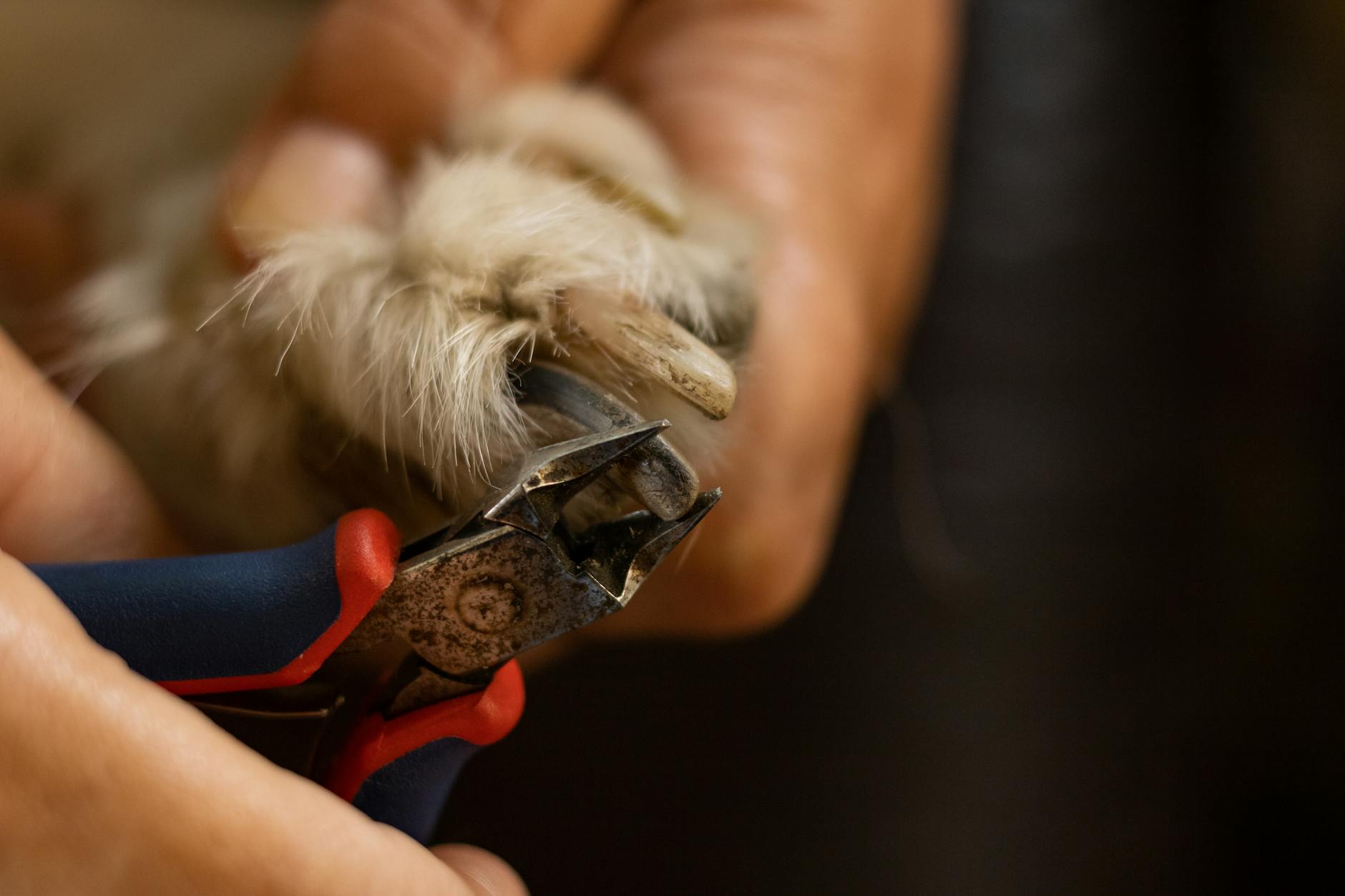
Nail trimming is a crucial aspect of dog grooming, but for many owners and their canine companions, it can be a source of significant stress. Dogs often develop negative associations with nail clippers or groomers, leading to anxiety, fear, and even aggression. Understanding the root cause of this anxiety is the first step towards finding effective solutions. Many dogs simply dislike the sensation of having their paws touched or the sound of the clippers. Others may have had a past experience where they were accidentally cut too short (“quicked”), causing pain and trauma.
What colours are fish most attracted to?
Can you put your finger in a trout's mouth?
Is methylene blue anti bacterial?
Does aquarium salt raise pH in aquarium?
Benefits of Natural Sedatives
Choosing a natural sedative offers several advantages over pharmaceutical options for managing nail-trimming anxiety.
- Fewer side effects: Natural remedies typically have a lower risk of adverse reactions compared to prescription sedatives.
- Gentle action: They work by promoting relaxation and calming the nervous system without causing excessive drowsiness.
- Improved long-term compliance: By reducing anxiety around nail trims, you make the process easier in the future.
- Owner Controlled Dosage: The level of sedation can be controlled based on the size of the dog and the severity of anxiety.
Popular Natural Sedative Options
Several natural ingredients are known for their calming properties and can be safely used in dogs:
- Chamomile: This herb is renowned for its relaxing effects. It can be administered as a tea, tincture, or supplement. Chamomile helps to reduce anxiety and muscle tension.
- Valerian Root: A potent herb that helps calm the central nervous system. Available as a supplement, it’s often used for dogs with severe anxiety. Use with caution; start with a low dose.
- L-Theanine: An amino acid found in green tea that promotes relaxation without causing drowsiness. It’s available in chewable tablets and powders. L-Theanine is known for its calming and focusing properties.
- Melatonin: A hormone that regulates sleep-wake cycles, melatonin can help dogs relax and reduce anxiety. It’s safe for most dogs, but it’s always best to consult with a veterinarian. Choose a pet-specific formula.
- CBD Oil: Derived from hemp, CBD oil has gained popularity for its potential to reduce anxiety and pain. It’s crucial to choose a high-quality product specifically formulated for pets. Consult your vet for appropriate dosing and sourcing.
- Adaptil (Dog Appeasing Pheromone): This synthetic pheromone mimics the natural scent produced by mother dogs to comfort their puppies. Available in diffusers, sprays, and collars. It creates a sense of security and reduces stress.
How to Administer Natural Sedatives Safely
- Consult Your Veterinarian: Before introducing any new supplement or medication, it is crucial to consult with your veterinarian. They can assess your dog’s overall health, consider any existing medications, and provide personalized dosage recommendations.
- Start with a Low Dose: Begin with the lowest recommended dose and gradually increase it as needed until you achieve the desired calming effect.
- Monitor Your Dog: Closely observe your dog for any adverse reactions or side effects. Discontinue use if you notice any concerning symptoms.
- Administer in Advance: Give the sedative at least 30-60 minutes before the nail-trimming session to allow it to take effect.
- Combine with Positive Reinforcement: Pair the sedative with positive reinforcement techniques, such as treats, praise, and gentle handling, to create a more positive association with nail trimming.
Creating a Calm Environment
Even with the aid of natural sedatives, creating a calm and relaxed environment is crucial for a successful nail-trimming session.
- Choose a Quiet Location: Select a quiet room with minimal distractions.
- Use a Comfortable Surface: Place your dog on a comfortable surface, such as a soft blanket or towel.
- Speak in a Soothing Voice: Maintain a calm and reassuring tone of voice.
- Use Positive Reinforcement: Offer treats and praise throughout the process.
- Take Breaks: If your dog becomes anxious, take short breaks to allow them to relax.
Common Mistakes to Avoid
- Forcing the Issue: Forcing your dog to submit to nail trimming will only increase their anxiety and make the process more difficult in the future.
- Using Dull Clippers: Dull clippers can cause pain and discomfort, leading to negative associations with nail trimming.
- Cutting Too Short: Accidentally “quicking” your dog can be a traumatic experience.
- Ignoring Warning Signs: Pay attention to your dog’s body language and stop if they show signs of extreme anxiety or distress.
- Using Human Sedatives: Never give your dog human sedatives, as they can be toxic and dangerous.
Non-Sedative Alternatives
In addition to, or instead of, using sedatives, consider these options:
- Desensitization and Counter-Conditioning: Gradually expose your dog to nail clippers and nail trimming in a positive way.
- Scratch Boards: These textured boards allow dogs to file their own nails.
- Professional Groomer or Veterinarian: If you are uncomfortable trimming your dog’s nails, seek the help of a professional groomer or veterinarian.
| Method | Description | Benefits | Considerations |
|---|---|---|---|
| Chamomile | Herbal tea or supplement known for relaxation. | Gentle, widely available, may improve overall calmness. | May not be strong enough for severely anxious dogs. |
| Valerian Root | Potent herbal supplement that calms the nervous system. | Strong sedative effect, can be very helpful for anxiety. | Use with caution, potential drug interactions, unpleasant smell. |
| L-Theanine | Amino acid promoting relaxation without drowsiness. | Calming without sedation, may improve focus. | Might not be effective for severe anxiety. |
| Melatonin | Hormone regulating sleep cycles, helps relaxation. | Generally safe, can improve sleep quality. | Potential side effects (though rare), consult vet. |
| CBD Oil | Derived from hemp, reduces anxiety and pain. | Strong anti-anxiety effects, may also reduce pain. | Quality control concerns, consult vet for dosing, possible drug interactions. |
| Dog Appeasing Pheromone | Synthetic pheromone that mimics mother dog scent. | Creates a sense of security, easy to use. | May not be effective for all dogs, needs time to take effect. |
| Scratch Board | Textured board for dogs to file their own nails. | Independent nail care, avoids direct clipping anxiety. | Requires training and cooperation, may not replace trimming entirely. |
Making the Experience Positive
The goal is to make nail trimming a positive experience for your dog. Patience, consistency, and positive reinforcement are key to achieving this. Start by gradually introducing your dog to the clippers, rewarding them with treats and praise. Over time, you can progress to trimming one or two nails at a time, always ending the session on a positive note.
FAQs
What is a natural sedative for dogs to cut nails exactly, and how does it differ from prescribed medication?
Natural sedatives are supplements or herbs that promote relaxation and reduce anxiety in dogs without the strong sedative effects and potential side effects of prescription medications. These options, such as chamomile, valerian root, and L-theanine, gently calm the nervous system, making nail trimming less stressful. Prescription sedatives, on the other hand, are often more potent and may cause significant drowsiness or other adverse effects, which is why it’s crucial to first explore natural alternatives for mild to moderate anxiety.
How can I determine the correct dosage of a natural sedative for my dog?
Determining the correct dosage requires caution. The best approach is to consult with your veterinarian, who can consider your dog’s size, breed, health, and level of anxiety. Always start with the lowest recommended dose and monitor your dog’s response. Increase the dosage gradually, if needed, until you achieve the desired calming effect. Never exceed the maximum recommended dosage without consulting your veterinarian.
Are there any potential side effects or risks associated with using natural sedatives for dogs?
While generally safer than pharmaceutical sedatives, natural remedies can still have side effects. Some dogs may experience mild gastrointestinal upset, such as diarrhea or vomiting. Valerian root can cause paradoxical excitement in some animals. It’s crucial to closely monitor your dog for any adverse reactions and discontinue use if you notice any concerning symptoms. Always inform your veterinarian about any supplements you are giving your pet.
What are some signs that my dog is too anxious to proceed with nail trimming, even with a sedative?
Signs of extreme anxiety include excessive panting, trembling, lip licking, whale eye (showing the whites of the eyes), hiding, growling, or snapping. If your dog exhibits these behaviors, stop the nail-trimming session immediately. Forcing the issue will only exacerbate their anxiety and make future attempts more difficult. Consult with your veterinarian or a certified positive reinforcement trainer for guidance on managing your dog’s anxiety.
How long does it take for a natural sedative to take effect, and how long will it last?
The onset and duration of action of natural sedatives vary depending on the specific ingredient and the dog’s individual metabolism. Generally, allow 30-60 minutes for the sedative to take effect. The effects may last for several hours. Observe your dog carefully to determine the optimal timing for administration.
Can I combine different types of natural sedatives for enhanced effectiveness?
Combining different natural sedatives can potentially enhance their effectiveness, but it’s essential to do so cautiously and under the guidance of your veterinarian. Some combinations may have synergistic effects, while others may increase the risk of side effects. Always research potential interactions before combining supplements.
What is the best method for getting a dog used to nail clippers?
The best method is desensitization and counter-conditioning. Begin by simply showing your dog the nail clippers, rewarding them with treats and praise. Gradually progress to touching the clippers to their paws, then pretending to trim their nails. Always reward positive behavior and avoid forcing the issue. This can take several sessions.
Are there any specific brands or products of natural sedatives that are recommended by veterinarians?
Veterinarians often recommend brands like Nutramax Cosequin, Zylkene, and products containing L-Theanine. It is crucial to verify with your veterinarian about any supplements your are planning to give your dog. This is to ensure there are no adverse effects with any existing medications your dog may be taking.
What if natural sedatives do not solve the problem? What is a vet’s best option?
If natural sedatives are ineffective, your veterinarian may recommend stronger prescription sedatives or anti-anxiety medications. Other options include referral to a veterinary behaviorist or a certified professional dog trainer for specialized training.
Can diet affect my dog’s anxiety levels during nail trims?
Yes, diet can play a role in your dog’s overall anxiety levels. A diet rich in tryptophan, an amino acid that promotes relaxation, may help. Additionally, ensure your dog is getting a balanced diet with sufficient vitamins and minerals.
Is there any literature about natural sedatives for dogs that I can reference?
Yes, there are several reputable sources. Many veterinary journals have articles on alternative treatments, and some universities conduct research on the efficacy of herbal remedies in animals. Always consult peer-reviewed studies and reputable veterinary websites for accurate information.
How can I create a positive reinforcement plan to use along with natural sedatives?
Start by pairing the sedative administration with a positive experience, such as a favorite treat or toy. During the nail-trimming session, offer frequent rewards for calm behavior. Use a calm and reassuring tone of voice, and take breaks if your dog becomes anxious. Ending the session on a positive note, even if you only trimmed a few nails, will help create a more positive association with the experience.