
Do Catfish Eat Zooplankton? Unveiling the Dietary Habits of Whiskerfish
Do catfish eat zooplankton? While adult catfish primarily consume larger prey, the answer is a resounding yes for catfish larvae and juveniles. These tiny catfish rely heavily on zooplankton for initial growth and survival.
The Catfish Diet: A Diverse Menu
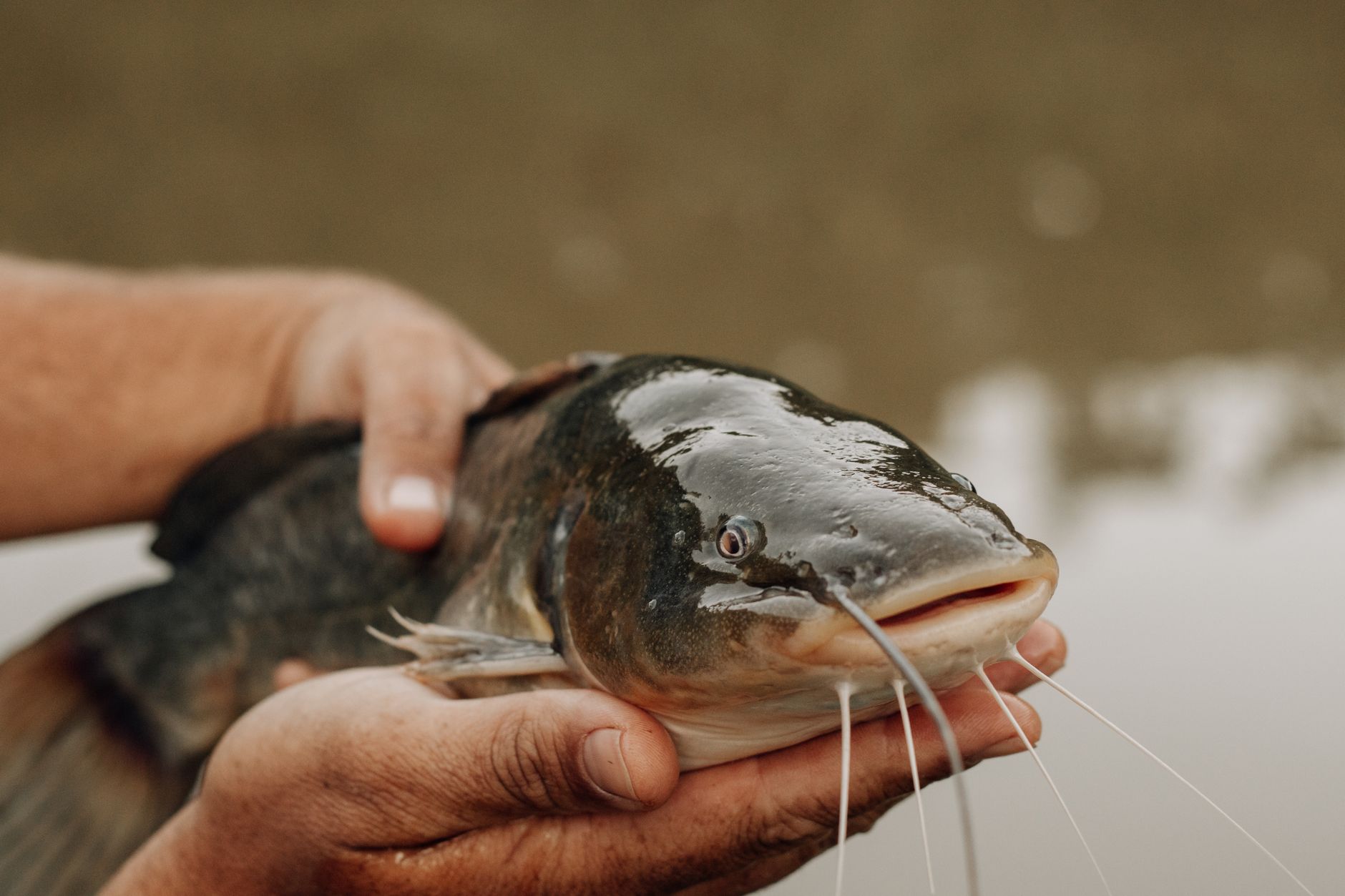
Understanding the dietary habits of catfish is crucial for successful aquaculture and effective fisheries management. Catfish, a diverse group of fish found worldwide, exhibit a range of feeding strategies depending on their species, size, and environment. While often perceived as bottom-feeding scavengers, their diet is far more nuanced. As opportunistic feeders, catfish adapt their feeding habits to available resources.
What is the GREY African clawed frog?
Is distilled water good for goldfish?
What colours are fish most attracted to?
Can you put your finger in a trout's mouth?
Zooplankton: The Foundation of the Aquatic Food Web

Zooplankton comprises microscopic animals that drift in aquatic environments. They form the base of the food web, consuming phytoplankton and serving as a vital food source for larger organisms, including larval and juvenile fish. Key types of zooplankton include:
- Cladocerans (e.g., Daphnia)
- Copepods
- Rotifers
The Role of Zooplankton in Catfish Development
Young catfish, immediately after hatching, are incredibly small and possess limited swimming capabilities. They are entirely dependent on readily available and easily digestible food sources like zooplankton. This zooplankton-rich phase is critical for their survival and rapid growth.
Transitioning from Zooplankton to Larger Prey
As catfish grow, their dietary preferences shift. They gradually transition from zooplankton to larger invertebrates, such as insect larvae, worms, and crustaceans. Eventually, adult catfish may consume fish, amphibians, and even plant matter. The timing and rate of this transition depend on the catfish species and the availability of different food items.
Species-Specific Dietary Variations
While the general trend holds true, certain catfish species show unique dietary variations. For instance, channel catfish (Ictalurus punctatus) are known to consume a broader range of food items compared to flathead catfish (Pylodictis olivaris), which are primarily piscivorous (fish-eating) as adults. Identifying these differences is crucial to understanding the ecological role of specific catfish species.
| Catfish Species | Diet of Larvae/Juveniles | Diet of Adults |
|---|---|---|
| Channel Catfish | Zooplankton, insect larvae | Fish, invertebrates, plants |
| Blue Catfish | Zooplankton, insect larvae | Fish, invertebrates |
| Flathead Catfish | Zooplankton, insect larvae | Primarily fish |
Common Mistakes in Catfish Nutrition
A common mistake in aquaculture is neglecting the zooplankton requirements of young catfish. Insufficient access to zooplankton during the early stages of development can lead to stunted growth, increased mortality, and reduced overall production. Providing a stable and abundant supply of appropriate zooplankton is essential for successful catfish farming.
Frequently Asked Questions (FAQs) About Catfish and Zooplankton
What specific types of zooplankton are most beneficial for catfish larvae?
Small-bodied zooplankton like rotifers and nauplii stages of copepods are particularly beneficial for catfish larvae because they are easy to ingest and digest. Daphnia and other larger cladocerans become suitable as the catfish grow larger.
How can I ensure adequate zooplankton availability in a catfish pond?
Promoting phytoplankton growth is key. Phytoplankton serves as food for zooplankton, establishing a thriving aquatic food web. Nutrient enrichment through fertilization can stimulate phytoplankton blooms, subsequently increasing zooplankton populations.
Can I use commercially produced zooplankton for catfish farming?
Yes, commercially produced rotifers and Artemia (brine shrimp) are commonly used as starter feeds for catfish larvae in aquaculture settings. These provide a controlled and reliable food source, especially when natural zooplankton populations are insufficient.
Do different catfish species have different zooplankton preferences?
Yes, while most catfish larvae consume similar types of zooplankton, the relative preference can vary. Some species might exhibit a stronger preference for cladocerans, while others might favor copepods. Species-specific knowledge is crucial for optimizing feed strategies.
How long do catfish rely on zooplankton as their primary food source?
The zooplankton-dependent stage typically lasts for a few weeks, varying based on species, water temperature, and availability of alternative food sources. As catfish grow and their mouths enlarge, they begin to consume larger prey.
What happens if catfish larvae don’t get enough zooplankton?
Insufficient zooplankton intake can lead to malnutrition, stunted growth, increased susceptibility to diseases, and higher mortality rates among catfish larvae. Early nutritional deficiencies can have lasting impacts on their overall health and survival.
Is it possible for adult catfish to consume zooplankton?
While adult catfish primarily consume larger prey, they may incidentally ingest zooplankton while feeding on invertebrates or other organisms that consume zooplankton. However, zooplankton is not a significant part of their diet.
Does water quality affect zooplankton populations in catfish ponds?
Yes, water quality significantly influences zooplankton populations. Factors like pH, temperature, dissolved oxygen levels, and nutrient concentrations can affect the growth and reproduction of zooplankton. Maintaining optimal water quality is crucial for supporting a healthy zooplankton community.
How do I monitor zooplankton populations in my catfish pond?
Regular water sampling and microscopic examination are essential for monitoring zooplankton populations. You can use a plankton net to collect samples and then identify and quantify the different types of zooplankton under a microscope.
What are the alternatives to zooplankton for feeding catfish larvae?
If natural zooplankton is limited or commercially produced zooplankton is unavailable, finely ground artificial feeds specifically formulated for larval fish can be used. However, these feeds may not be as readily accepted or as easily digestible as live zooplankton.
How does the presence of other fish species affect zooplankton availability for catfish larvae?
The presence of other fish species, particularly zooplanktivorous fish, can negatively impact zooplankton populations, creating competition for catfish larvae. Careful consideration of stocking densities and species combinations is essential to minimize competition.
Can the type of pond fertilization affect the zooplankton community composition?
Yes, different types of fertilizers can influence the types of phytoplankton that thrive in the pond, which in turn affects the composition of the zooplankton community. Organic fertilizers tend to promote a more diverse zooplankton community compared to inorganic fertilizers. Choosing the right fertilizer can help maximize the availability of appropriate zooplankton for catfish larvae.