
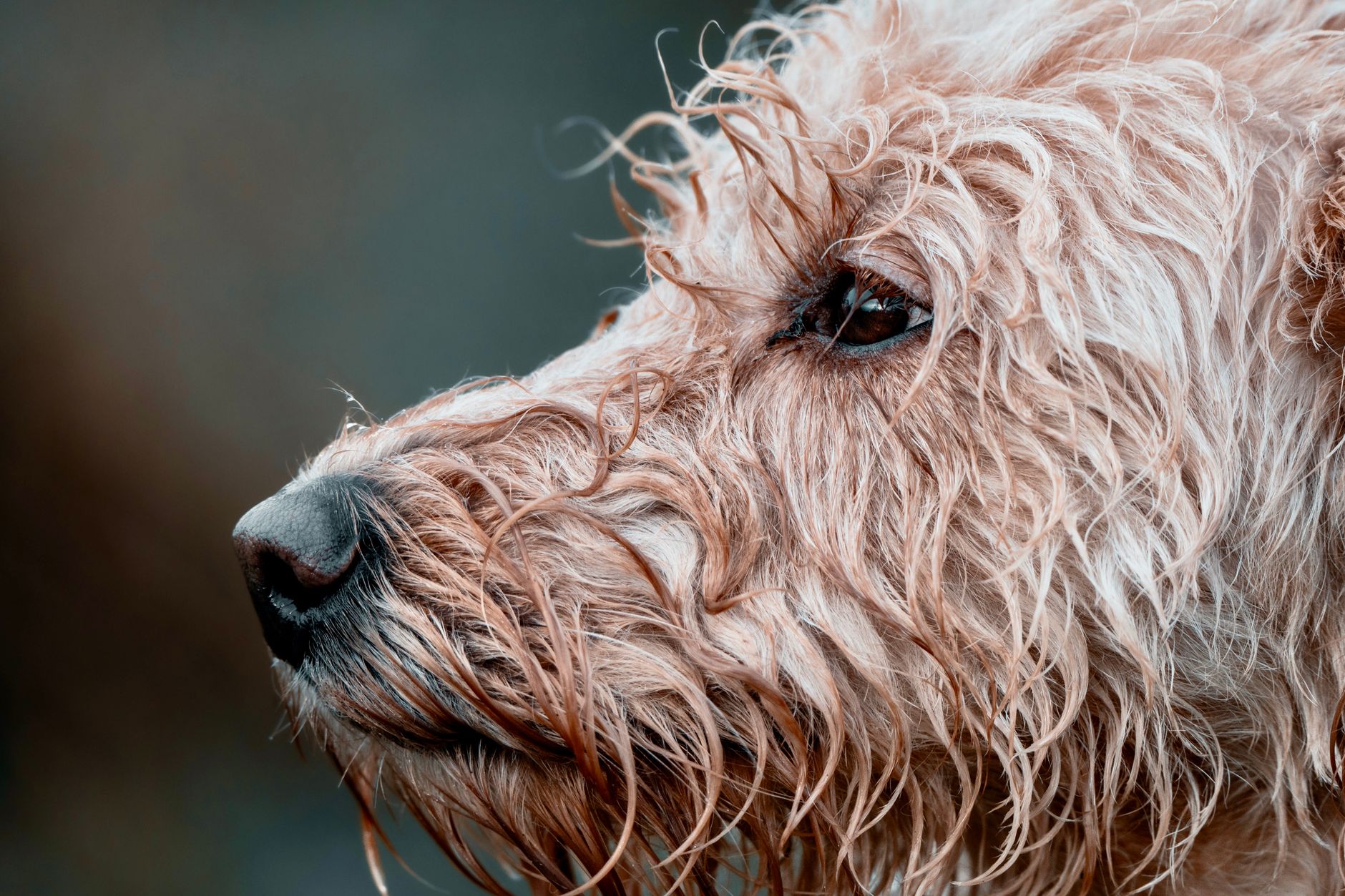
What is a Good Moisturizer for Dogs?
The best dog moisturizer effectively hydrates dry skin, relieves itching and flaking, and is formulated with ingredients safe for canine use; a good moisturizer should also be easily absorbed and free of harsh chemicals.
Introduction to Dog Moisturizers
Dogs, just like humans, can suffer from dry skin. Factors like weather, diet, allergies, and underlying health conditions can strip their skin of its natural oils, leading to discomfort and potential skin issues. Using a good moisturizer for dogs can help restore hydration, soothe irritation, and promote a healthy coat. This article will delve into what makes a moisturizer effective and safe for your furry friend.
What colours are fish most attracted to?
Can you put your finger in a trout's mouth?
Is methylene blue anti bacterial?
Does aquarium salt raise pH in aquarium?
Understanding Why Dogs Need Moisturizers

Several factors can contribute to a dog’s dry skin:
- Environmental factors: Cold, dry winter air, excessive sun exposure, and frequent bathing can all dry out a dog’s skin.
- Dietary deficiencies: A lack of essential fatty acids like omega-3 and omega-6 can impact skin health.
- Allergies: Food or environmental allergies can manifest as skin irritation and dryness.
- Underlying medical conditions: Conditions like hypothyroidism or Cushing’s disease can affect skin health.
- Parasites: Mites (like mange mites) can cause intense itching and dry, flaky skin.
A good moisturizer for dogs can alleviate the symptoms associated with these issues and promote healing.
Key Ingredients in a Good Dog Moisturizer
When selecting a moisturizer for your dog, pay close attention to the ingredient list. Here are some beneficial ingredients to look for:
- Humectants: These ingredients draw moisture from the air and bind it to the skin. Examples include glycerin, hyaluronic acid, and aloe vera.
- Emollients: These ingredients soften and smooth the skin, filling in the gaps between skin cells. Examples include shea butter, coconut oil, and oatmeal.
- Occlusives: These ingredients create a protective barrier on the skin, preventing moisture loss. Examples include petroleum jelly, beeswax, and lanolin. (Use sparingly as these can clog pores if over-applied).
- Essential Fatty Acids: Look for ingredients rich in omega-3 and omega-6 fatty acids, such as fish oil or flaxseed oil. These can improve skin hydration and reduce inflammation.
- Antioxidants: Ingredients like vitamin E can protect the skin from damage caused by free radicals.
Avoid products containing alcohol, fragrances, artificial colors, and harsh preservatives, as these can irritate sensitive skin.
Types of Dog Moisturizers
Dog moisturizers come in various forms, each with its own advantages:
- Lotions: Lightweight and easily absorbed, lotions are a good option for all-over moisturizing.
- Creams: Thicker than lotions, creams provide more intense hydration and are suitable for dry, cracked skin.
- Balms: Highly concentrated and occlusive, balms are ideal for treating specific areas like paws or noses.
- Sprays: Convenient for quick application, sprays are a good choice for dogs who don’t like being touched.
- Oils: Natural oils like coconut oil and olive oil can be used as moisturizers, but they may be messy.
How to Choose the Right Moisturizer
Consider the following factors when choosing a good moisturizer for dogs:
- Skin type: If your dog has oily skin, choose a lightweight lotion. For dry skin, opt for a thicker cream or balm.
- Sensitivity: If your dog has sensitive skin, choose a hypoallergenic and fragrance-free formula.
- Specific needs: If your dog has a specific skin condition, like allergies or eczema, consult with your veterinarian for recommendations.
- Ingredients: Prioritize natural and safe ingredients, avoiding harsh chemicals and irritants.
- Application: Choose a moisturizer that is easy to apply and absorbs quickly.
How to Apply Dog Moisturizer
Follow these steps to apply moisturizer to your dog effectively:
- Bathe your dog (if needed): Use a gentle, moisturizing shampoo and conditioner. Pat your dog dry with a towel.
- Apply the moisturizer: Follow the product instructions for application. Generally, apply a small amount to the affected areas and massage it in gently.
- Distract your dog: Keep your dog occupied with a toy or treat while the moisturizer absorbs.
- Repeat as needed: Apply moisturizer as often as recommended by the product instructions or your veterinarian.
Common Mistakes to Avoid
- Using human moisturizers: Human moisturizers often contain ingredients that are toxic or irritating to dogs.
- Over-moisturizing: Applying too much moisturizer can clog pores and lead to skin problems.
- Ignoring underlying conditions: Dry skin can be a symptom of an underlying medical condition. Consult with your veterinarian to rule out any health issues.
- Choosing the wrong product: Using a moisturizer that is not suitable for your dog’s skin type or needs can worsen the problem.
When to Consult Your Veterinarian
If your dog’s dry skin is severe, persistent, or accompanied by other symptoms like hair loss, redness, or inflammation, consult with your veterinarian. They can help diagnose the underlying cause and recommend the appropriate treatment.
Table: Comparing Common Dog Moisturizer Ingredients
| Ingredient | Benefit | Potential Drawbacks |
|---|---|---|
| Glycerin | Humectant, attracts moisture | Can be sticky if over-applied |
| Shea Butter | Emollient, softens and smoothes skin | Can be greasy for oily skin |
| Coconut Oil | Emollient, antibacterial properties | Can clog pores, may cause allergic reactions in some dogs |
| Oatmeal | Soothes itching and irritation | Can be messy |
| Hyaluronic Acid | Humectant, retains moisture | Relatively expensive |
| Vitamin E | Antioxidant, protects skin from damage | Can be irritating in high concentrations |
Frequently Asked Questions (FAQs)
Can I use coconut oil as a moisturizer for my dog?
Yes, coconut oil can be a good moisturizer for some dogs due to its emollient properties. However, it’s important to use it sparingly and monitor for any signs of irritation or allergic reaction. Some dogs may be sensitive to coconut oil, and it can potentially clog pores.
Are human moisturizers safe for dogs?
No, human moisturizers are generally not safe for dogs. They often contain ingredients like fragrances, alcohol, and preservatives that can irritate or even be toxic to dogs. Always use products specifically formulated for canine use.
How often should I moisturize my dog’s skin?
The frequency of moisturizing depends on the severity of your dog’s dry skin and the product you’re using. Generally, you can start with once or twice a day and adjust as needed. Consult the product instructions and your veterinarian for guidance.
What are the signs of an allergic reaction to a dog moisturizer?
Signs of an allergic reaction can include redness, itching, hives, swelling, and difficulty breathing. If you notice any of these symptoms, stop using the product immediately and contact your veterinarian.
Can dry dog food cause dry skin?
Yes, a diet lacking essential fatty acids can contribute to dry skin. Consider supplementing your dog’s diet with omega-3 and omega-6 fatty acids, or switching to a higher-quality dog food.
Is it safe to use petroleum jelly on my dog’s paws?
Petroleum jelly can be used sparingly on cracked or dry paws as an occlusive agent. However, it’s not very nourishing and dogs may lick it off. Supervise your dog and consider using a paw balm specifically formulated for dogs instead.
My dog licks the moisturizer off. Is that a problem?
While small amounts of some moisturizers may not be harmful, excessive licking should be discouraged. Choose a moisturizer with safe ingredients and try to distract your dog after application to allow it to absorb properly.
What is the best moisturizer for a dog with allergies?
For dogs with allergies, choose a hypoallergenic and fragrance-free moisturizer specifically formulated for sensitive skin. Look for ingredients like oatmeal and aloe vera, which can soothe irritation.
Can bathing my dog too often cause dry skin?
Yes, frequent bathing can strip your dog’s skin of its natural oils, leading to dryness. Bathe your dog only when necessary and use a gentle, moisturizing shampoo.
What is the difference between a dog lotion and a dog balm?
Lotions are typically lightweight and easily absorbed, making them ideal for all-over moisturizing. Balms are thicker and more concentrated, designed for targeted treatment of dry or cracked areas like paws or noses.
My dog’s nose is dry and cracked. What should I use?
A nose balm specifically formulated for dogs is the best option for treating a dry and cracked nose. Look for ingredients like shea butter, beeswax, and vitamin E.
Where can I buy a good moisturizer for dogs?
You can purchase good dog moisturizers at pet stores, online retailers, and some veterinary clinics. Always read reviews and check the ingredient list before making a purchase.