

What Does it Mean When Cooked Crab Smells Like Ammonia? Unveiling the Truth Behind the Odor
The presence of an ammonia smell in cooked crab is a strong indication of spoilage. It means that bacteria have broken down the crab’s flesh, producing ammonia as a byproduct, making it unsafe to consume.
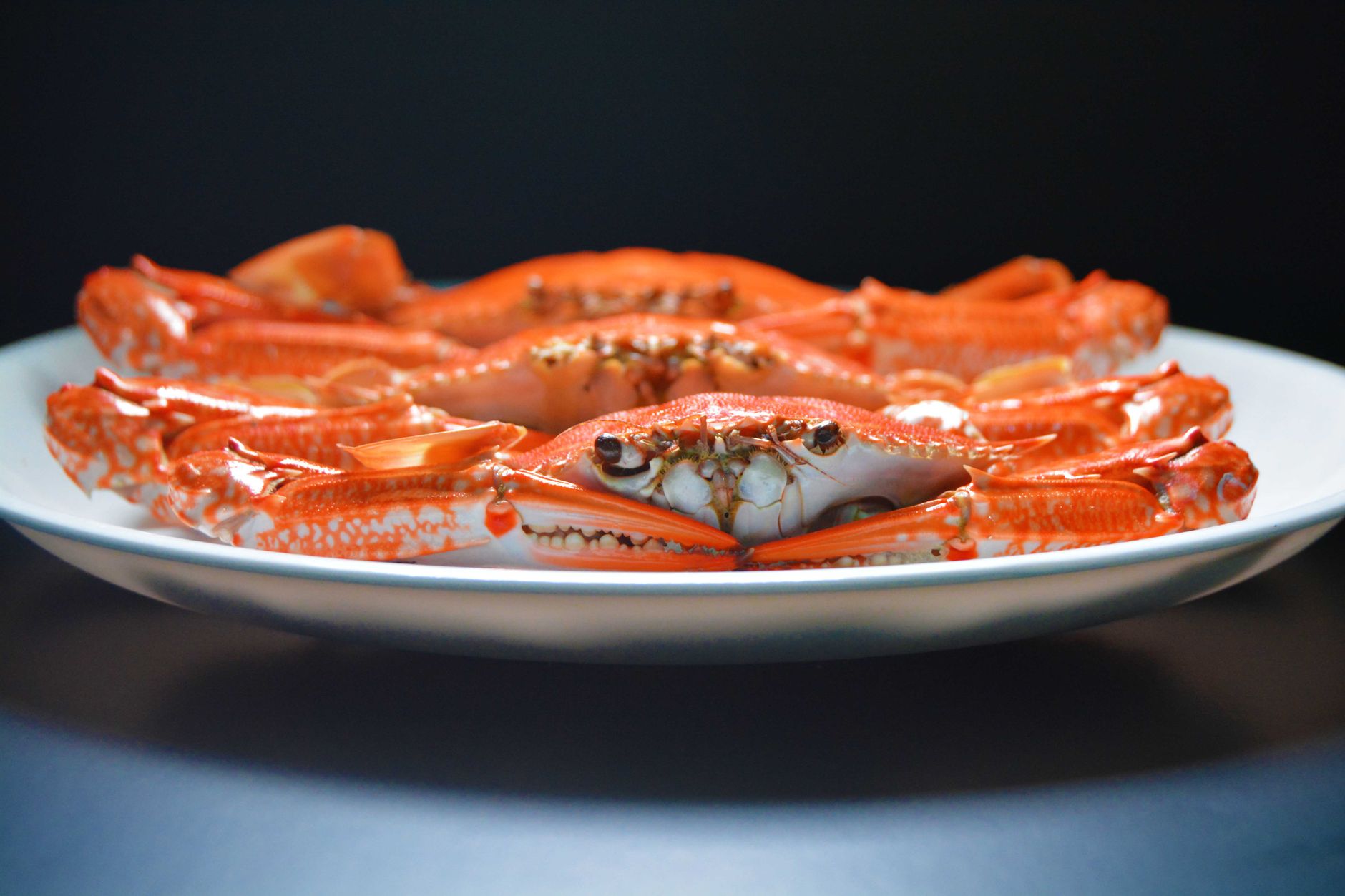
Introduction: The Unsettling Scent of Ammonia in Crab
The succulent, sweet taste of perfectly cooked crab is a culinary delight. However, that experience can quickly turn sour – literally – if your crab emits an unexpected and unwelcome aroma: ammonia. That unmistakable pungent smell is a warning sign, a clear signal that something is wrong. What does it mean when cooked crab smells like ammonia? Simply put, it signals decomposition. Understanding why this happens and what to do about it is crucial for food safety and preventing foodborne illness.

What colours are fish most attracted to?
Can you put your finger in a trout's mouth?
Is methylene blue anti bacterial?
Does aquarium salt raise pH in aquarium?
The Science Behind the Smell

Crab meat is rich in amino acids, the building blocks of proteins. When crab spoils, bacteria break down these amino acids through a process called decomposition. A major byproduct of this process is ammonia (NH3), a gas that has a distinct, sharp odor. The presence of ammonia indicates that the crab has been compromised and is no longer safe to eat.
Factors Contributing to Ammonia Development
Several factors can contribute to the development of ammonia in cooked crab:
- Improper Storage: Keeping crab at room temperature or inadequately refrigerated allows bacteria to multiply rapidly, accelerating the decomposition process.
- Delayed Cooking: Leaving raw crab uncooked for extended periods, even under refrigeration, provides ample opportunity for bacterial growth.
- Pre-existing Contamination: Sometimes, crab may already be contaminated with bacteria during harvesting or processing.
- Slow Freezing/Thawing: Slow freezing can damage the cell structure of the crab, making it more susceptible to bacterial invasion. Likewise, thawing at room temperature creates an ideal environment for bacteria to flourish.
Distinguishing Ammonia Smell from Other Odors
It’s important to distinguish the ammonia smell from other seafood-related odors. Fresh crab should have a mild, slightly salty, and ocean-like aroma. A fishy smell can indicate that the crab is nearing its expiration date, but it’s the sharp, pungent ammonia smell that’s the definitive sign of spoilage.
Identifying Spoilage Beyond the Smell
While the ammonia smell is the most telling indicator, other signs can also point to spoiled crab:
- Texture: The crab meat may become mushy or slimy.
- Color: Discoloration, such as a grayish or greenish tint, can indicate spoilage.
- Appearance: The crab shell or meat might show signs of mold or unusual growths.
Preventive Measures: Keeping Your Crab Safe
Preventing ammonia formation in cooked crab starts with careful handling and storage:
- Purchase from Reputable Sources: Buy crab from trusted vendors known for their freshness and proper handling practices.
- Inspect Before Purchase: Look for signs of freshness, such as a bright color and a firm texture. Avoid crab that smells fishy or has a slimy feel.
- Refrigerate Immediately: Keep raw and cooked crab refrigerated at 40°F (4°C) or below.
- Cook Thoroughly: Cook crab to an internal temperature of 145°F (63°C) to kill harmful bacteria.
- Consume Promptly: Eat cooked crab as soon as possible after cooking. If you have leftovers, refrigerate them immediately and consume them within 1-2 days.
- Proper Thawing: Thaw frozen crab in the refrigerator, never at room temperature.
What to Do if You Detect an Ammonia Smell
If you detect an ammonia smell in cooked crab, do not eat it. Discard it immediately to avoid the risk of food poisoning. Even if the smell is faint, it’s best to err on the side of caution.
Consequences of Eating Spoiled Crab
Consuming spoiled crab can lead to food poisoning, characterized by symptoms such as:
- Nausea
- Vomiting
- Diarrhea
- Abdominal cramps
- Fever
In severe cases, food poisoning can require medical attention.
Frequently Asked Questions
What does it mean when cooked crab smells like ammonia after I’ve just cooked it?
The presence of an ammonia smell immediately after cooking strongly suggests that the crab was already spoiled before it was cooked. Cooking will not eliminate the ammonia or make the crab safe to eat.
Can I wash the ammonia smell off cooked crab?
No, washing the crab will not remove the ammonia or make it safe to eat. The ammonia is a byproduct of bacterial decomposition within the crab meat itself.
Is it normal for crab to have a slightly fishy smell?
A slight fishy smell is somewhat normal for fresh crab, but it should not be overpowering or unpleasant. The key is to differentiate this from the sharp, pungent odor of ammonia, which is a sign of spoilage.
How long can cooked crab safely sit out at room temperature?
Cooked crab should not sit out at room temperature for more than two hours. Bacteria multiply rapidly at room temperature, increasing the risk of spoilage.
What is the best way to store cooked crab to prevent spoilage?
Store cooked crab in an airtight container in the refrigerator at 40°F (4°C) or below. Consume it within 1-2 days for optimal freshness and safety.
Can freezing cooked crab eliminate the ammonia smell?
Freezing can slow down bacterial activity, but it will not eliminate the ammonia that has already formed. If the crab smelled like ammonia before freezing, it will likely still smell like ammonia after thawing.
How can I tell if raw crab is fresh before cooking it?
Look for bright color, a firm texture, and a mild, slightly salty smell. Avoid crab that smells fishy, slimy, or has a discolored shell.
Does the type of crab (e.g., Dungeness, Snow) affect its susceptibility to spoilage?
All types of crab are susceptible to spoilage if not handled and stored properly. The specific species doesn’t significantly change the spoilage process itself.
Is it safe to eat cooked crab if only part of it smells like ammonia?
No, it’s not safe to eat any part of the crab if any portion smells like ammonia. The ammonia smell indicates widespread bacterial contamination, even if it’s localized.
Can I get sick from just smelling spoiled crab?
While unlikely to cause illness simply by smelling it, prolonged exposure to the fumes of spoiled food can be unpleasant and potentially irritating to the respiratory system.
What types of bacteria cause the ammonia smell in spoiled crab?
Various types of bacteria, including Pseudomonas, Shewanella, and other spoilage organisms, can contribute to the breakdown of amino acids and the production of ammonia in spoiled crab.
Are there any other seafood types that commonly develop an ammonia smell when spoiled?
Yes, other seafood high in amino acids, such as shrimp and certain types of fish, can also develop an ammonia smell when they spoil. The underlying process of bacterial decomposition is similar.