
What is a Butterfly Betta? Unveiling This Stunning Variety
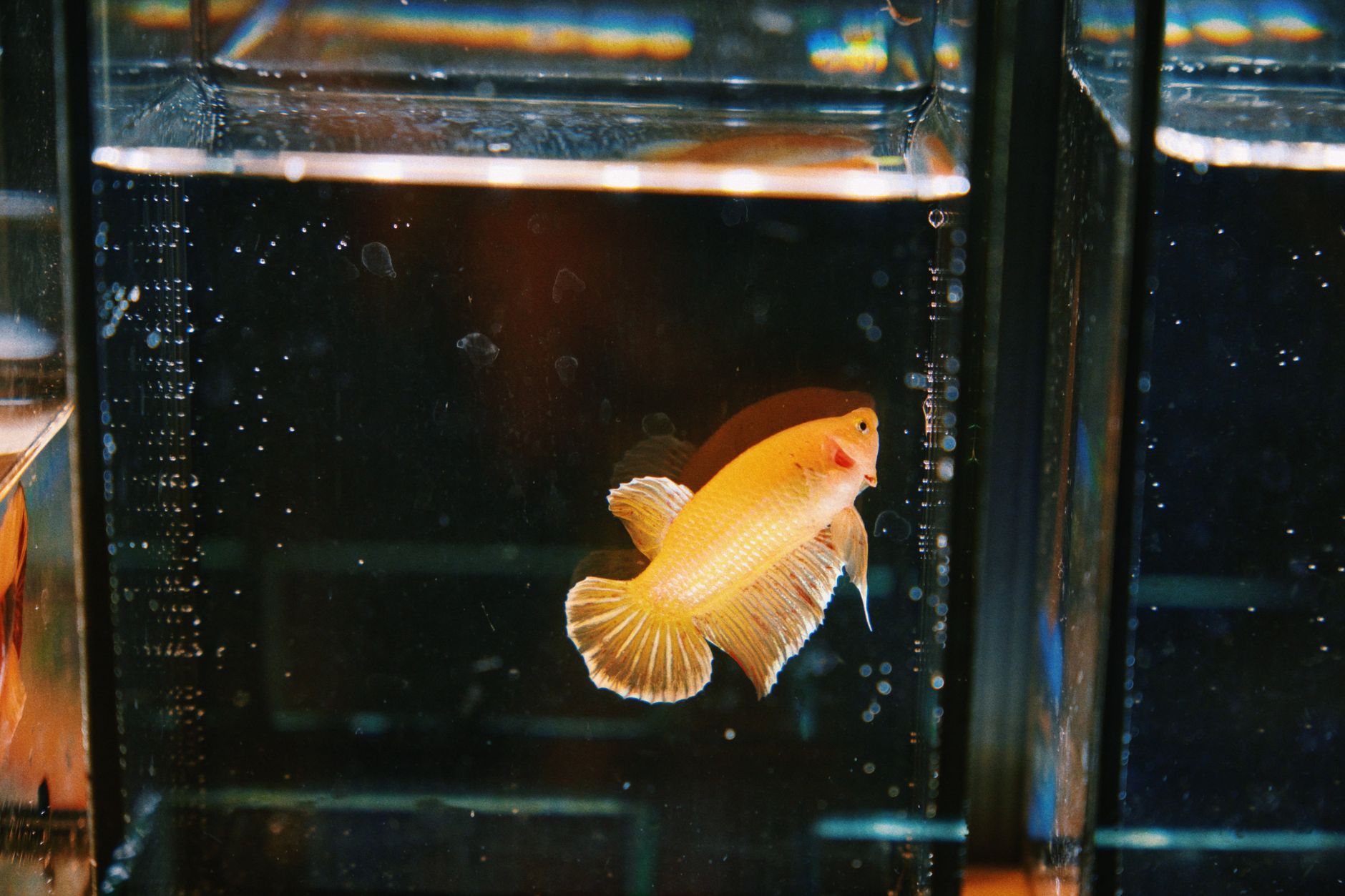
The butterfly betta is a distinctive betta fish variety, celebrated for its bi-color fins that feature a contrasting, clearly defined band around the fin edges, resembling a butterfly’s wings.

The butterfly betta, a captivating variant within the Betta splendens species, owes its allure to its uniquely patterned fins. This isn’t simply a color variation; it’s a deliberate and sought-after aesthetic achieved through selective breeding. Understanding the nuances of this variety requires delving into its genetic origins, its specific characteristics, and the care it requires to thrive.
Origins and Development
The butterfly betta’s lineage is intricately tied to the broader history of Betta splendens domestication. While the precise origins of the butterfly pattern remain somewhat debated, it’s generally believed to have emerged through the careful and persistent efforts of betta breeders across Southeast Asia, particularly in Thailand and Indonesia. These breeders, often driven by a passion for creating visually stunning fish, selectively bred individuals exhibiting the desired bi-color fin pattern. This resulted in a gradual enhancement and stabilization of the butterfly trait. The trait is recessive and polygenic, meaning it is influenced by multiple genes and requires selective breeding over several generations to maintain and improve.
What colours are fish most attracted to?
Can you put your finger in a trout's mouth?
Is methylene blue anti bacterial?
Does aquarium salt raise pH in aquarium?
Defining Characteristics: The Butterfly Pattern

The defining feature of the butterfly betta is, undoubtedly, its fin coloration. The ideal butterfly pattern consists of:
- Base Color: A dominant, solid color that covers the majority of the fins. This could be anything from vibrant red to deep blue, or even metallic shades like copper or gold.
- Band Color: A contrasting color that forms a distinct band around the outer edges of the fins. This band is ideally evenly distributed and sharply defined.
- Clear Demarcation: A clear and visible line separating the base color from the band color. The sharper the line, the more desirable the butterfly pattern.
The band color can vary widely, ranging from white and yellow to red, blue, and even black. The contrast between the base color and the band color is what makes the butterfly betta so visually appealing. Any fin type (Veiltail, Crowntail, Halfmoon, etc.) can exhibit the butterfly pattern.
Different Butterfly Betta Fin Types
The butterfly pattern isn’t limited to just one fin type. It can appear in a variety of fin configurations, each adding its own unique charm to the overall appearance of the fish. Common combinations include:
- Halfmoon Butterfly: Features a large, 180-degree caudal fin with the butterfly pattern. This is arguably the most popular and sought-after combination.
- Veiltail Butterfly: Possesses a long, flowing caudal fin that gracefully drapes downward.
- Crowntail Butterfly: Has fins with extended rays, giving them a spiky, crown-like appearance.
- Plakat Butterfly: A short-finned betta with the butterfly pattern. These bettas are typically more active and agile than their long-finned counterparts.
Care and Keeping of Butterfly Bettas
Butterfly bettas, like all bettas, require specific care to thrive. While the butterfly pattern doesn’t inherently make them more delicate, responsible ownership is essential.
Here are some key aspects of butterfly betta care:
- Tank Size: A minimum of 5 gallons is recommended for a single betta. Larger tanks are always preferable.
- Water Parameters: Maintain a water temperature between 78-82°F (25-28°C), a pH between 6.5 and 7.5, and ammonia and nitrite levels at 0 ppm.
- Filtration and Cycling: A properly cycled filter is crucial for maintaining water quality.
- Water Changes: Perform regular water changes (25-50% weekly) to remove accumulated waste.
- Diet: Feed a high-quality betta pellet or flake food. Supplement with live or frozen foods like brine shrimp and bloodworms for added nutrition and enrichment.
- Tank Mates: Bettas are generally solitary fish and should be kept alone unless you are a very experienced fish keeper.
Genetics and Breeding Butterfly Bettas
Breeding butterfly bettas can be a rewarding but challenging endeavor. The butterfly pattern is not a simple dominant or recessive trait, making it difficult to consistently reproduce. It often requires careful line breeding and selection over multiple generations to achieve and maintain the desired characteristics. Understanding basic genetics and betta breeding principles is essential for success.
Things to consider when breeding:
- Select Breeding Stock: Choose healthy, vibrant bettas with the desired butterfly pattern.
- Conditioning: Properly condition your breeding pair with a nutritious diet.
- Spawning Tank: Set up a dedicated spawning tank with appropriate hiding places and a floating object for the male to build a bubble nest.
- Fry Care: Once the fry hatch, provide them with appropriate food and maintain excellent water quality.
Potential Health Issues
Like all bettas, butterfly bettas can be susceptible to various health problems, including:
- Fin Rot: A bacterial or fungal infection that causes fin degradation.
- Ich (White Spot Disease): A parasitic infection characterized by small white spots on the body and fins.
- Velvet: A parasitic infection that gives the fish a gold or rust-colored sheen.
- Swim Bladder Disorder: A condition that affects the fish’s ability to maintain buoyancy.
Maintaining optimal water quality, providing a balanced diet, and observing your fish regularly for signs of illness are crucial for preventing and treating these health issues.
Conclusion: The Enduring Appeal of the Butterfly Betta
The butterfly betta, with its striking bi-color fins and diverse fin types, remains a highly sought-after variety among betta enthusiasts. Its unique appearance, coupled with its captivating personality, makes it a prized addition to any aquarium. By understanding its origins, characteristics, and care requirements, you can ensure that your butterfly betta thrives and brings joy for years to come.
Frequently Asked Questions (FAQs)
What exactly defines a “perfect” butterfly betta?
A “perfect” butterfly betta is often subjective, but generally it has a solid base color sharply contrasted by an even, distinct band around all its fins. The band should be a consistent width and color throughout. Symmetry in fin shape and overall health also contribute to its desirability.
Are butterfly bettas more aggressive than other bettas?
No, the butterfly pattern itself doesn’t influence aggression levels. Aggression in bettas is primarily determined by genetics and individual temperament, not color patterns. Proper tank setup is most important to managing aggression.
How can I tell if a butterfly betta I’m buying is healthy?
Look for signs of good health such as clear, bright eyes, intact fins, a healthy appetite, and active swimming behavior. Avoid fish with signs of illness such as clamped fins, lethargy, or visible parasites.
What are the best tank mates for a butterfly betta?
Generally, bettas are best kept alone due to their territorial nature. If you choose to keep tank mates, research species that are peaceful, non-aggressive, and won’t nip at the betta’s fins. Large tanks are essential.
How often should I feed my butterfly betta?
Feed your butterfly betta small amounts of food 1-2 times per day. Only give them as much food as they can consume in about 2-3 minutes to avoid overfeeding.
What temperature should I keep the water at for my butterfly betta?
Maintain a water temperature between 78-82°F (25-28°C) for your butterfly betta. Use a reliable aquarium heater to ensure consistent temperature.
What type of filtration is best for a butterfly betta tank?
A gentle filter with adjustable flow is best to prevent stressing the betta. Sponge filters are ideal, as they provide excellent biological filtration without creating strong currents.
How do I prevent fin rot in my butterfly betta?
Maintain excellent water quality by performing regular water changes and ensuring proper filtration. Avoid overfeeding, and promptly treat any injuries or signs of infection.
How often should I perform water changes in my butterfly betta tank?
Perform 25-50% water changes weekly to remove accumulated waste and maintain water quality. Adjust frequency based on tank size and bio-load.
Can the butterfly pattern fade over time?
Yes, the intensity of the butterfly pattern can sometimes fade over time, especially if the fish is not kept in optimal conditions. Providing a balanced diet, maintaining good water quality, and reducing stress can help preserve the pattern.
What is the average lifespan of a butterfly betta?
With proper care, butterfly bettas can live for 2-5 years. Factors like genetics, diet, and water quality all play a role in their lifespan.
Are there any specific foods that enhance the colors of butterfly bettas?
Foods containing carotenoids, such as spirulina and certain types of shrimp, can help enhance the vibrant colors of butterfly bettas. A balanced diet that includes high-quality protein and essential nutrients is crucial.