

Can Hard Water Cause Urinary Crystals in Cats? Unveiling the Connection
While direct causation is complex, the answer is that hard water can contribute to the formation of urinary crystals in cats due to its high mineral content. This article explores the link between water hardness and feline urinary health.

Introduction: Understanding Feline Urinary Health
Feline Lower Urinary Tract Disease (FLUTD) is a common and frustrating ailment for cat owners. Many factors contribute to FLUTD, including diet, stress, genetics, and hydration. One often overlooked aspect is the quality of water your cat consumes. While the direct link between hard water and urinary crystal formation isn’t a simple cause-and-effect relationship, the mineral content of hard water certainly plays a role in exacerbating existing risks and potentially contributing to the problem. Let’s dive into how.

Can fish hear water?
How do I add oxygen to my goldfish water?
Do carbon filters remove water hardness?
What is the GREY African clawed frog?
What is Hard Water?
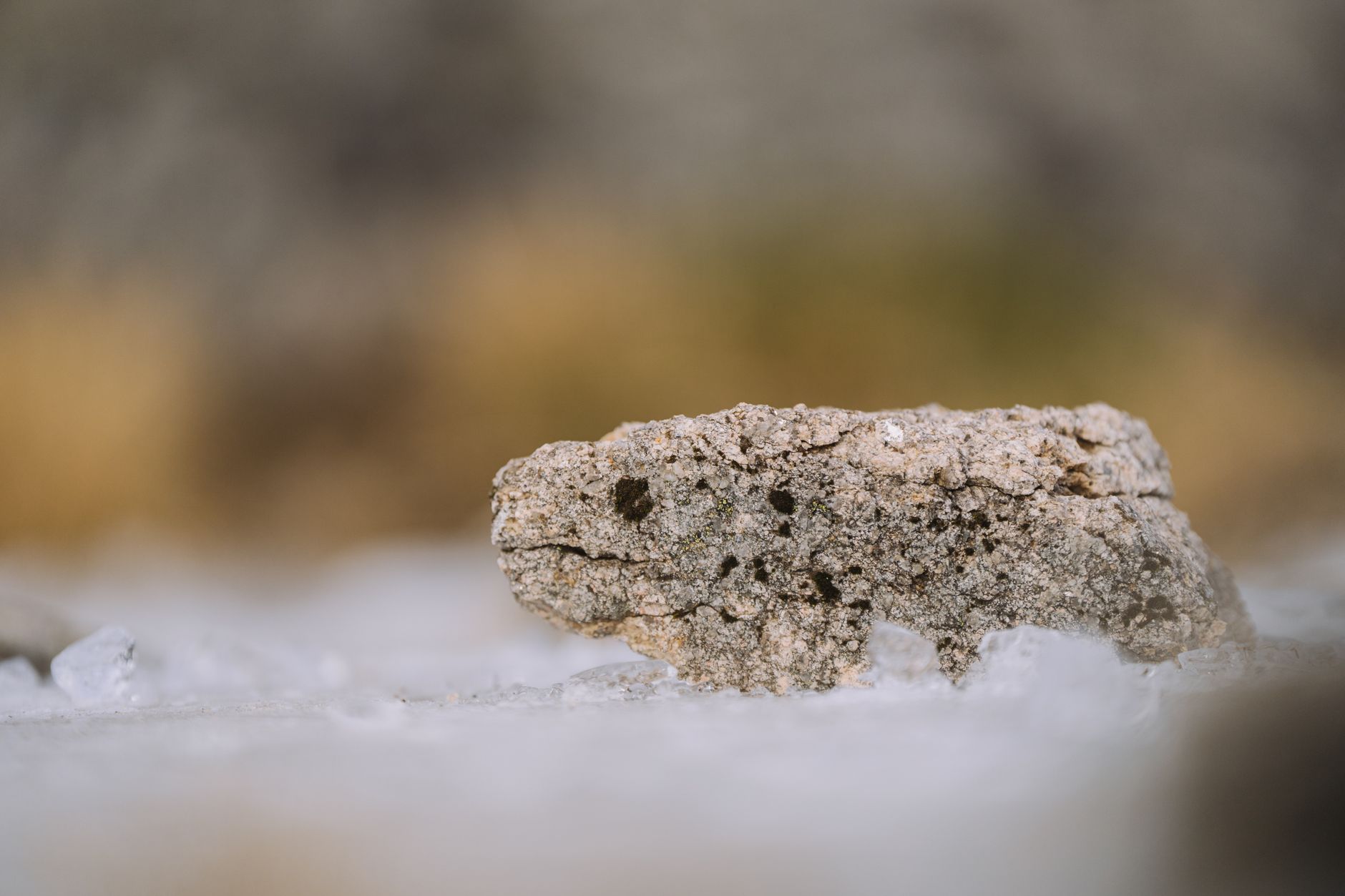
Hard water is characterized by a high concentration of dissolved minerals, primarily calcium and magnesium. These minerals are picked up as water flows through rocks and soil. The concentration is measured in grains per gallon (GPG) or parts per million (ppm).
- Soft Water: 0-3 GPG (0-51 ppm)
- Slightly Hard Water: 3-7 GPG (51-120 ppm)
- Moderately Hard Water: 7-10 GPG (120-180 ppm)
- Hard Water: 10-14 GPG (180-240 ppm)
- Very Hard Water: Over 14 GPG (Over 240 ppm)
Many homes have hard water, and while it’s generally safe for humans, it can impact the health of our feline companions.
How Hard Water Impacts Urinary Health in Cats
Can hard water cause urinary crystals in cats? The primary concern is that the excessive minerals in hard water can contribute to the formation of crystals in a cat’s urine. These crystals, if left untreated, can develop into larger stones that block the urethra, particularly in male cats. This obstruction is a life-threatening emergency. The higher the mineral load, the greater the potential for mineral precipitation and crystal formation. While other factors play a critical role, minimizing mineral intake through water is a prudent preventative measure.
Other Risk Factors for Urinary Crystals
It is important to understand that hard water is just one piece of the puzzle. Several other factors are crucial in feline urinary health:
- Diet: Diets high in minerals (especially magnesium, phosphorus, and calcium) and low in moisture contribute significantly. Dry food often exacerbates the problem.
- pH Imbalance: A urine pH that is too alkaline or too acidic can promote crystal formation.
- Dehydration: Inadequate water intake leads to concentrated urine, making it easier for minerals to precipitate.
- Obesity: Overweight cats are often less active and may have reduced water intake.
- Stress: Stress can contribute to inflammation in the urinary tract.
- Breed and Genetics: Certain breeds are predisposed to specific types of urinary crystals.
Recognizing the Symptoms of Urinary Issues
Early detection is vital. Common symptoms of FLUTD include:
- Straining to urinate (dysuria)
- Frequent attempts to urinate (pollakiuria)
- Blood in the urine (hematuria)
- Urinating outside the litter box (periuria)
- Vocalization during urination
- Lethargy and loss of appetite
If you notice any of these signs, consult your veterinarian immediately.
Mitigation Strategies: Beyond Water Quality
While addressing the water source is important, other steps can significantly improve your cat’s urinary health:
- Switch to a High-Quality Wet Food: Wet food provides significantly more moisture than dry kibble, helping to dilute urine.
- Encourage Water Intake: Use water fountains, multiple water bowls, and flavored water (such as tuna water) to encourage drinking.
- Monitor Urine pH: Work with your veterinarian to monitor and manage your cat’s urine pH through diet or medication if necessary.
- Reduce Stress: Provide a safe and enriching environment to minimize stress.
- Regular Vet Checkups: Routine veterinary exams can help detect urinary issues early.
Water Softeners: A Word of Caution
While water softeners remove calcium and magnesium, they often replace them with sodium. This sodium can be detrimental to cats with certain health conditions, particularly kidney or heart problems. If you have a water softener, consider providing your cat with an alternative source of unsoftened, filtered water.
The Role of Filtration
Using a water filter, like a Brita or Pur filter, can help remove some minerals and other impurities from your cat’s drinking water. This is a simpler and often more practical solution than installing a whole-house water softener. However, it is essential to regularly change the filter according to the manufacturer’s instructions.
Frequently Asked Questions (FAQs)
Is hard water safe for cats to drink in general?
While hard water itself isn’t inherently toxic to cats, the high mineral content, especially calcium and magnesium, can contribute to the development of urinary crystals. Other factors such as diet and genetics play a more significant role, but hard water can exacerbate existing risks.
What types of urinary crystals are most common in cats?
The most common types of urinary crystals found in cats are struvite and calcium oxalate. Struvite crystals often form in alkaline urine, while calcium oxalate crystals are more likely in acidic urine. Both types can lead to significant urinary problems.
How can I test the hardness of my water?
You can purchase a water hardness testing kit at most hardware stores or online. These kits typically involve using test strips or a titration method to measure the mineral content. Alternatively, your local water company can provide information about the water hardness in your area.
Does boiling water remove hardness?
Boiling water can reduce some temporary hardness caused by calcium bicarbonate, but it doesn’t remove permanent hardness caused by other minerals like calcium sulfate or magnesium sulfate. Boiling is not a reliable method for softening hard water for your cat.
Is bottled water a good alternative to tap water for cats?
Bottled water can be a good option, but check the mineral content on the label. Some bottled waters are simply filtered tap water and may still contain significant minerals. Look for brands with low mineral content, specifically calcium and magnesium.
Can feeding my cat a urinary health diet eliminate the need to worry about hard water?
A urinary health diet can help manage urine pH and reduce mineral excretion, but it doesn’t eliminate the risk associated with hard water. It’s a multifaceted approach, and minimizing mineral intake through water remains a prudent preventative measure.
Are water fountains better than bowls for encouraging cats to drink, especially with hard water?
Yes, water fountains often encourage cats to drink more because they prefer moving water. They may also be less likely to drink water that has been sitting stagnant. Regardless of whether you choose a bowl or fountain, ensure the water is filtered.
Does the type of material the water bowl is made of affect water quality and crystal formation?
Yes, some studies suggest that ceramic or stainless steel bowls are less likely to harbor bacteria than plastic bowls, which can affect the water’s pH and potentially influence crystal formation indirectly. Regularly cleaning your cat’s water bowl is essential regardless of the material.
How often should I change my cat’s water?
You should change your cat’s water at least once a day, preferably twice, to ensure it’s fresh and free of debris. More frequent changes are recommended if you notice sediment or a buildup of minerals in the bowl.
If my cat has already had urinary crystals, is hard water a bigger concern?
Yes, if your cat has a history of urinary crystals, minimizing exposure to hard water is particularly important. Recurrence is common, and preventative measures, including providing filtered or softened water, become even more crucial.
Is distilled water a safe option for cats to drink?
While distilled water is free of minerals, it is not recommended for long-term use in cats. Distilled water lacks essential electrolytes that are crucial for overall health.
Should I consult with my veterinarian about my cat’s water intake and its impact on urinary health?
Absolutely. Consulting with your veterinarian is essential for developing a personalized plan for your cat’s urinary health. They can assess your cat’s individual risk factors, recommend appropriate dietary changes, and monitor urine pH and mineral levels. They can also best advise on the suitability of your water source and potential filtration options, helping to mitigate risks associated with hard water.