

What Human Foods are Bad for Chihuahuas?
Certain human foods can be extremely dangerous for Chihuahuas, potentially leading to serious health problems and even death. This article identifies those what human foods are bad for Chihuahuas?, providing owners with crucial information to safeguard their tiny companions.

Introduction: The Tiny Terror and Table Scraps
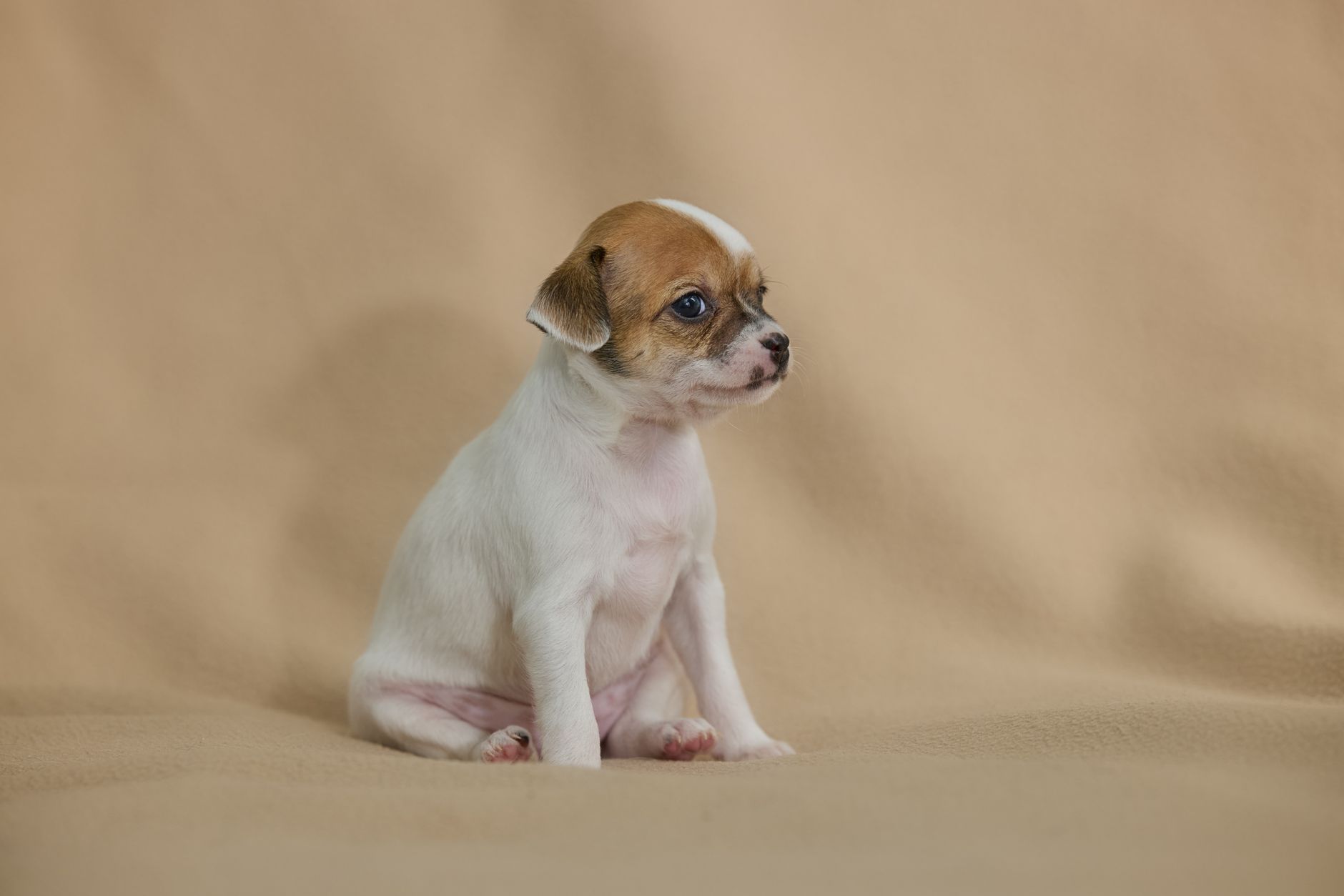
Chihuahuas, with their diminutive size and oversized personalities, have captured the hearts of countless owners. Their pleading eyes often lead well-meaning humans to share their meals. However, many common human foods, perfectly safe for us, can be incredibly toxic or detrimental to the health of a Chihuahua. Understanding what human foods are bad for Chihuahuas? is paramount to responsible pet ownership. Their small size makes them particularly vulnerable to the adverse effects of seemingly harmless ingredients.
What colours are fish most attracted to?
Can you put your finger in a trout's mouth?
Is methylene blue anti bacterial?
Does aquarium salt raise pH in aquarium?
Why Are Some Human Foods Toxic to Chihuahuas?

The differences in canine and human metabolisms, digestive systems, and body weights explain why some human foods are harmful to dogs. Chihuahuas, being toy breeds, are even more susceptible to the effects of these toxins due to their smaller size. What might be a mild upset stomach in a larger dog could be life-threatening for a Chihuahua. For example, the toxicity of chocolate is directly related to the dog’s weight – the smaller the dog, the more dangerous the chocolate. Furthermore, certain ingredients, like xylitol, are rapidly absorbed by canines, causing a sudden drop in blood sugar, a condition that is particularly dangerous for smaller breeds.
Common Human Foods to Avoid
Here’s a list of some of the most dangerous human foods for Chihuahuas:
- Chocolate: Contains theobromine, which is toxic to dogs. Dark chocolate is more dangerous than milk chocolate.
- Xylitol: An artificial sweetener found in sugar-free gum, candy, and baked goods. It can cause a rapid drop in blood sugar and liver failure.
- Grapes and Raisins: The exact toxin is unknown, but they can cause kidney failure.
- Onions and Garlic: Contain compounds that damage red blood cells, leading to anemia.
- Avocado: Contains persin, which can cause vomiting and diarrhea.
- Alcohol: Even small amounts can cause serious damage to the liver and brain.
- Caffeine: Can cause hyperactivity, restlessness, vomiting, elevated heart rate, and even death.
- Macadamia Nuts: Can cause weakness, tremors, and hyperthermia.
- Raw Dough: Can expand in the stomach, causing pain and potentially rupturing the stomach. It also produces alcohol as it rises.
- Bones (Cooked): Can splinter and cause internal damage.
- Salty Snacks: Excessive salt can lead to dehydration and sodium ion poisoning.
- Fatty Foods: Can cause pancreatitis.
The Dangers of Table Scraps
Giving Chihuahuas table scraps, even seemingly harmless ones, can be detrimental. Even if the food itself isn’t toxic, the high fat and sodium content of many human meals can lead to health problems. Pancreatitis, obesity, and digestive upset are common consequences of regularly feeding table scraps. Furthermore, encouraging begging behavior can be difficult to break and can lead to the Chihuahua consuming something they shouldn’t when you’re not looking. Always consider what human foods are bad for Chihuahuas? before offering any scraps.
Symptoms of Food Poisoning in Chihuahuas
Recognizing the signs of food poisoning is crucial for prompt treatment. Common symptoms include:
- Vomiting
- Diarrhea
- Lethargy
- Loss of appetite
- Excessive drooling
- Tremors
- Seizures
- Abdominal pain
If you suspect your Chihuahua has ingested a toxic food, contact your veterinarian immediately. Time is of the essence in these situations.
Prevention is Key
The best way to protect your Chihuahua is to prevent them from accessing potentially harmful foods in the first place. Here are some preventative measures:
- Store food securely: Keep all food items, especially those listed above, out of reach.
- Train your dog: Teach your Chihuahua not to beg for food.
- Educate family members: Ensure everyone in the household knows what human foods are bad for Chihuahuas? and understands the importance of not sharing their meals.
- Read labels carefully: Be aware of ingredients in treats and other products you give your dog.
- Prepare dog-specific treats: Offer healthy, dog-friendly treats instead of human food.
Healthy Alternatives to Human Food
Instead of sharing your meals, provide your Chihuahua with a balanced and nutritious diet formulated specifically for dogs. Numerous commercial dog foods are available that meet the nutritional needs of small breeds. You can also supplement their diet with dog-safe fruits and vegetables like carrots, green beans, and blueberries. Always consult with your veterinarian to determine the best diet for your individual dog.
First Aid: What to Do in an Emergency
If you suspect your Chihuahua has ingested a toxic food, follow these steps:
- Stay calm: Panicking will not help.
- Identify the substance: Knowing what your dog ate is crucial for the veterinarian.
- Contact your veterinarian or an animal poison control center immediately: They can provide specific instructions based on the substance ingested.
- Do not induce vomiting unless instructed to do so by a veterinarian: Inducing vomiting can sometimes be dangerous, depending on the substance.
- Bring a sample of the substance (if possible) to the veterinarian: This will help them determine the best course of treatment.
Nutritional Needs of Chihuahuas
Chihuahuas require a diet that is high in protein and low in fat. Their small size means they need a concentrated source of nutrients to meet their energy needs. Choose a dog food formulated for small breeds, as these foods typically have smaller kibble sizes and are more easily digestible.
Frequently Asked Questions (FAQs)
What amount of chocolate is dangerous for a Chihuahua?
Even a small amount of chocolate can be dangerous for a Chihuahua. The toxicity depends on the type of chocolate (dark chocolate is more dangerous than milk chocolate) and the size of the dog. A few squares of dark chocolate could be fatal to a very small Chihuahua. It’s always best to err on the side of caution and keep all chocolate out of reach.
Is it safe to give my Chihuahua cooked bones?
Cooked bones are never safe for dogs, especially small breeds like Chihuahuas. Cooking makes the bones brittle and prone to splintering. These splinters can cause serious internal damage, including perforating the esophagus or intestines. Raw bones, under supervision, are safer but always pose a risk of bacterial contamination.
Can Chihuahuas eat peanut butter?
Peanut butter can be a safe and healthy treat in moderation, as long as it does not contain xylitol. Always check the ingredient list carefully to ensure it is xylitol-free. Choose natural peanut butter with no added salt or sugar. Offer small amounts as an occasional treat.
What are the symptoms of xylitol poisoning in Chihuahuas?
Xylitol poisoning can cause a rapid drop in blood sugar (hypoglycemia), leading to symptoms such as weakness, lethargy, tremors, seizures, and coma. It can also cause liver failure. Symptoms can appear within 30 minutes of ingestion.
Is it okay to give my Chihuahua a small piece of cheese?
Small amounts of cheese are generally safe for Chihuahuas, but some are lactose intolerant. Start with a small piece to see how your dog reacts. Hard cheeses like cheddar are lower in lactose and may be better tolerated.
What fruits and vegetables are safe for Chihuahuas?
Many fruits and vegetables are safe and healthy for Chihuahuas in moderation, including carrots, blueberries, apples (without the core and seeds), green beans, and cooked sweet potatoes. Always introduce new foods gradually and monitor your dog for any adverse reactions.
My Chihuahua ate a grape. What should I do?
Contact your veterinarian immediately. Grapes and raisins can cause kidney failure in dogs, and the sooner you seek treatment, the better the chances of a positive outcome. Do not wait to see if symptoms develop.
Can Chihuahuas have milk?
Many Chihuahuas are lactose intolerant and have trouble digesting milk. This can lead to digestive upset, such as diarrhea and vomiting. If you want to give your dog milk, choose a lactose-free option specifically designed for dogs.
What are the best treats for Chihuahuas?
The best treats for Chihuahuas are small, healthy, and low in calories. Look for treats made with wholesome ingredients and no artificial colors, flavors, or preservatives. Dental chews can also be a good option to help keep their teeth clean.
Can I give my Chihuahua chicken?
Cooked, plain chicken is safe for Chihuahuas and can be a good source of protein. Avoid feeding them chicken skin or bones. Raw chicken poses a risk of bacterial contamination and should also be avoided.
What should I do if my Chihuahua ate something potentially toxic and is not showing any symptoms?
Even if your Chihuahua isn’t showing symptoms, it’s still important to contact your veterinarian or an animal poison control center immediately. Symptoms can sometimes be delayed, and prompt treatment is crucial.
How can I stop my Chihuahua from begging for food?
Consistency is key. Never give in to begging. Ignore your dog when they beg, and reward them for good behavior, such as sitting or staying quietly. Avoid making eye contact and never give them food from the table. Consider using a training command like “leave it” to discourage begging.