
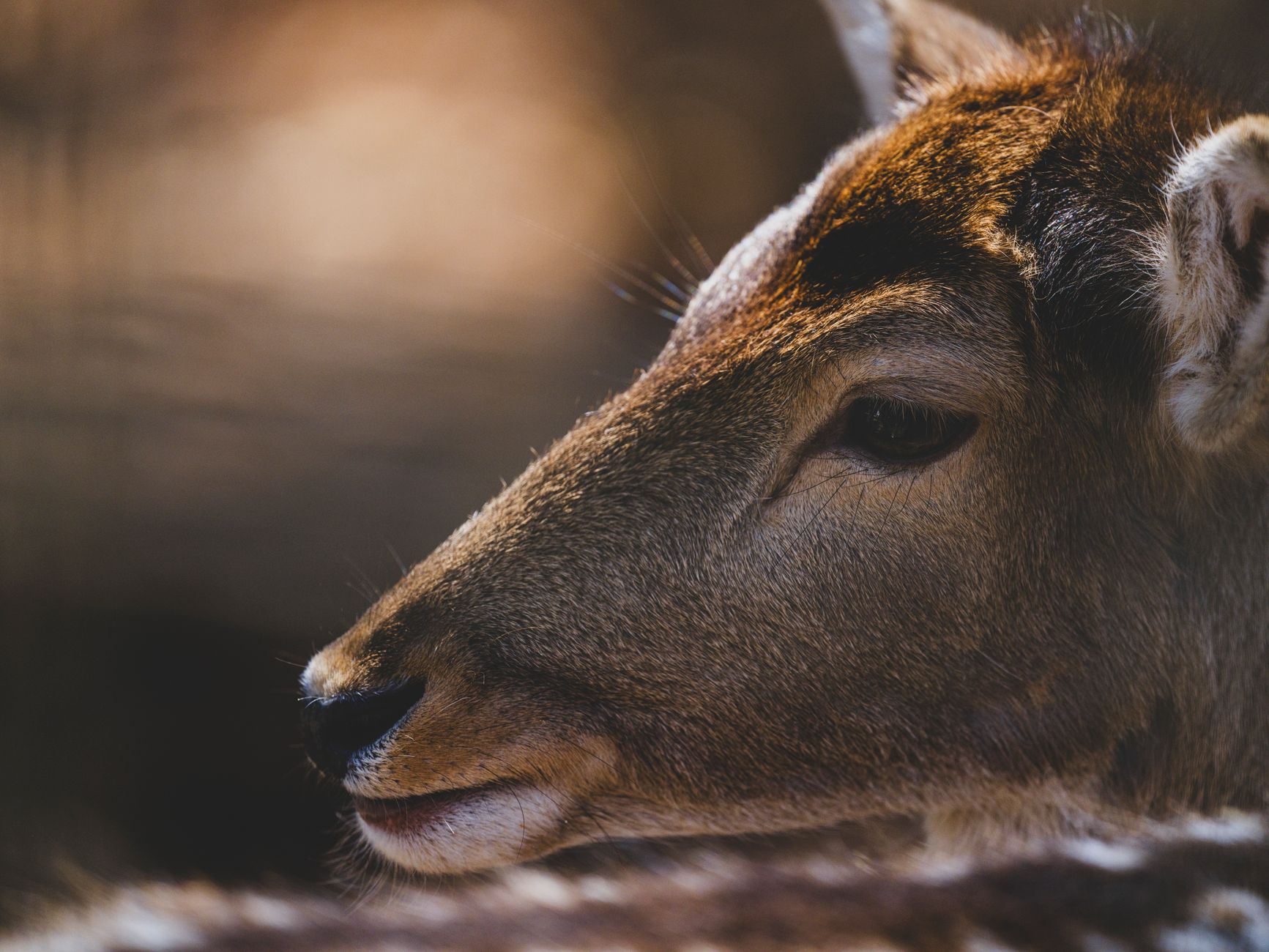
What are the Statistics of Hitting a Deer? A Deep Dive
The statistics surrounding deer-vehicle collisions are alarming, with odds varying wildly by state but often landing within the 1 in 100 to 1 in 200 range annually; understanding these figures can help drivers be more vigilant and potentially reduce their risk of an accident. This article will explore the prevalence of these incidents and provide insights into how to minimize the chances of becoming a statistic.

Understanding the Scope of Deer-Vehicle Collisions
Deer-vehicle collisions are a significant concern across many parts of the United States and other countries. The abundance of deer populations, combined with expanding road networks that intersect their natural habitats, creates a recipe for frequent and sometimes devastating encounters. These collisions not only result in property damage and injuries but can also be fatal.
What colours are fish most attracted to?
Can you put your finger in a trout's mouth?
Is methylene blue anti bacterial?
Does aquarium salt raise pH in aquarium?
Factors Contributing to Deer-Vehicle Collisions

Several factors contribute to the likelihood of hitting a deer. Understanding these elements is crucial for mitigating risk:
- Time of Year: Deer are most active during their breeding season (rut), which typically occurs in the fall (October-December). This is when deer are most likely to cross roads in search of mates.
- Time of Day: Deer are crepuscular, meaning they are most active at dawn and dusk. Low light conditions during these times also reduce visibility for drivers.
- Location: Rural areas and roads bordering wooded areas or fields are at higher risk. Look for deer crossing signs and be extra cautious in these areas.
- Speed: Higher speeds increase both the likelihood of a collision and the severity of resulting injuries.
- Distracted Driving: Any form of distraction, such as texting or eating, can impair reaction time and make it more difficult to avoid a deer.
Economic and Human Costs
The impact of deer-vehicle collisions extends beyond property damage. These incidents lead to:
- Vehicle Damage: Repair costs can range from minor dents to total write-offs.
- Medical Expenses: Injuries sustained in collisions can require extensive medical treatment, leading to significant financial burdens.
- Fatalities: Tragically, deer-vehicle collisions sometimes result in fatalities, impacting families and communities.
- Insurance Costs: Increased claims due to deer-vehicle collisions can lead to higher insurance premiums for all drivers.
State-Specific Statistics: A Comparative Overview
The odds of hitting a deer vary considerably by state due to differences in deer populations, road networks, and traffic density.
| State | Ranking | Odds of Hitting a Deer |
|---|---|---|
| West Virginia | 1 | 1 in 38 |
| Montana | 2 | 1 in 48 |
| Pennsylvania | 3 | 1 in 54 |
| Iowa | 4 | 1 in 56 |
| South Dakota | 5 | 1 in 58 |
| Michigan | 6 | 1 in 58 |
| Wisconsin | 7 | 1 in 61 |
| Mississippi | 8 | 1 in 63 |
| Minnesota | 9 | 1 in 64 |
| North Carolina | 10 | 1 in 67 |
Note: These figures are based on recent data and can fluctuate annually. Check with your state’s Department of Transportation or insurance provider for the most up-to-date information.
Understanding what are the statistics of hitting a deer? on a state-by-state basis is crucial for adjusting driving habits appropriately.
Prevention Strategies
While completely eliminating the risk of hitting a deer is impossible, drivers can take several steps to minimize their chances:
- Stay Alert: Be especially vigilant during dawn and dusk, and in areas with high deer populations.
- Reduce Speed: Lower speeds allow for more time to react.
- Use High Beams: When appropriate, use high beams to improve visibility.
- Be Aware of Deer Crossing Signs: Heed deer crossing signs and slow down in those areas.
- If You See One Deer, Expect More: Deer often travel in groups, so if you see one, be prepared for others to follow.
- Don’t Swerve: If a collision is unavoidable, avoid swerving, as this can lead to a loss of control and potentially more severe consequences. Brake firmly and stay in your lane.
Resources and Reporting
If you are involved in a deer-vehicle collision:
- Safety First: Ensure your safety and the safety of any passengers.
- Report the Incident: Contact local law enforcement to report the accident.
- Document Damage: Take photos of the damage to your vehicle.
- Contact Your Insurance Company: File a claim with your insurance company to cover repair costs.
What are the Statistics of Hitting a Deer? and the Role of Technology
Technology is playing an increasing role in preventing deer-vehicle collisions. Advanced Driver-Assistance Systems (ADAS), such as automatic emergency braking and forward collision warning systems, can help drivers detect and react to potential hazards, including deer. Furthermore, some manufacturers are developing specific deer detection systems that use infrared cameras and algorithms to identify deer in low-light conditions. These technologies, while not foolproof, can significantly reduce the risk of a collision.
Data Collection and Analysis
Understanding what are the statistics of hitting a deer? requires robust data collection and analysis. State Departments of Transportation and insurance companies play a crucial role in gathering information about deer-vehicle collisions. This data is then used to identify high-risk areas, implement mitigation strategies, and educate the public about the dangers of deer-vehicle collisions. Continuous monitoring and analysis are essential for improving road safety and reducing the number of these incidents.
Public Awareness Campaigns
Public awareness campaigns are essential for educating drivers about the risks of deer-vehicle collisions and promoting safe driving practices. These campaigns often use various media, including television, radio, and social media, to reach a wide audience. They may also include educational materials distributed at driver’s license offices and other locations. By raising awareness and providing practical tips, these campaigns can help drivers make more informed decisions and reduce their risk of a collision.
What are the Statistics of Hitting a Deer? – A Constant Evolution
The statistics surrounding deer-vehicle collisions are constantly evolving, influenced by factors such as changing deer populations, expanding road networks, and technological advancements. Staying informed about the latest trends and research is crucial for understanding the risks and implementing effective prevention strategies. By working together, drivers, government agencies, and researchers can help reduce the number of deer-vehicle collisions and make our roads safer for everyone.
Frequently Asked Questions (FAQs)
What time of year are deer most active and likely to be hit by cars?
Deer are most active and therefore most likely to be hit by cars during the fall, specifically from October to December. This corresponds to the deer mating season (rut), when deer are more actively searching for mates and may be less cautious when crossing roads.
Are some states more prone to deer-vehicle collisions than others?
Yes, certain states have significantly higher rates of deer-vehicle collisions. States with large deer populations, extensive rural areas, and frequent intersections between roads and deer habitats tend to have higher statistics. Examples include West Virginia, Pennsylvania, and Michigan.
What should I do if I see a deer while driving?
If you see a deer while driving, slow down immediately and be prepared to stop. Deer often travel in groups, so if you see one, expect others to follow. Avoid swerving, as this can cause you to lose control of your vehicle.
Is it better to swerve or hit a deer if a collision is unavoidable?
In most cases, it’s safer to brake firmly and hit the deer rather than swerve. Swerving can cause you to lose control of your vehicle, potentially leading to a collision with another vehicle, a tree, or other hazards. Aim to brake and maintain control of your vehicle as much as possible.
Do deer whistles work to prevent deer-vehicle collisions?
The effectiveness of deer whistles is highly debated. While some drivers swear by them, there is limited scientific evidence to support their claim that they deter deer from crossing roads.
Does my car insurance cover damage from hitting a deer?
Comprehensive coverage typically covers damage resulting from hitting a deer. Collision coverage might also apply depending on your policy, but comprehensive is the more common and recommended coverage for animal-related accidents. Check with your insurance provider for details on your specific policy.
What should I do if I hit a deer while driving?
If you hit a deer while driving, pull over to a safe location and turn on your hazard lights. Assess the damage to your vehicle and check for any injuries to yourself and your passengers. Report the incident to local law enforcement.
Are there specific times of day when deer-vehicle collisions are more likely?
Yes, deer-vehicle collisions are most likely to occur during dawn and dusk. These are the times of day when deer are most active and visibility is often reduced.
How can I reduce my risk of hitting a deer while driving?
To reduce your risk, stay alert while driving, especially during dawn and dusk. Reduce your speed in areas with high deer populations and be aware of deer crossing signs. Use high beams when appropriate to improve visibility.
Does weather affect the likelihood of hitting a deer?
Adverse weather conditions, such as rain, fog, and snow, can reduce visibility and increase the likelihood of hitting a deer. Adjust your driving accordingly by slowing down and increasing your following distance.
What is the most common type of injury resulting from a deer-vehicle collision?
While injuries vary, whiplash and other neck injuries are common due to the sudden impact. Head injuries and broken bones can also occur, especially in more severe collisions.
Are newer cars with advanced safety features better at preventing deer-vehicle collisions?
Newer cars with Advanced Driver-Assistance Systems (ADAS), such as automatic emergency braking and forward collision warning systems, can help prevent or mitigate deer-vehicle collisions. However, these systems are not foolproof and drivers should still remain vigilant.